Good signage is planned like part of the building, not bought like a finishing touch.
This business signage guide brings together everything an owner or property manager needs to plan signs for a commercial property. It covers the sign types, how to plan them as one system, the approvals in New Jersey and New York City, budgets, installation and upkeep, with links to our detailed guides on each topic.
Signs do practical work. They help people find the property, choose the right door, move around inside, and recognize the business the next time they pass. Planned well, they do that quietly for years. Planned in pieces, they cost more and confuse visitors.
What Business Signage Includes
| Category | Examples | Detailed guide |
|---|---|---|
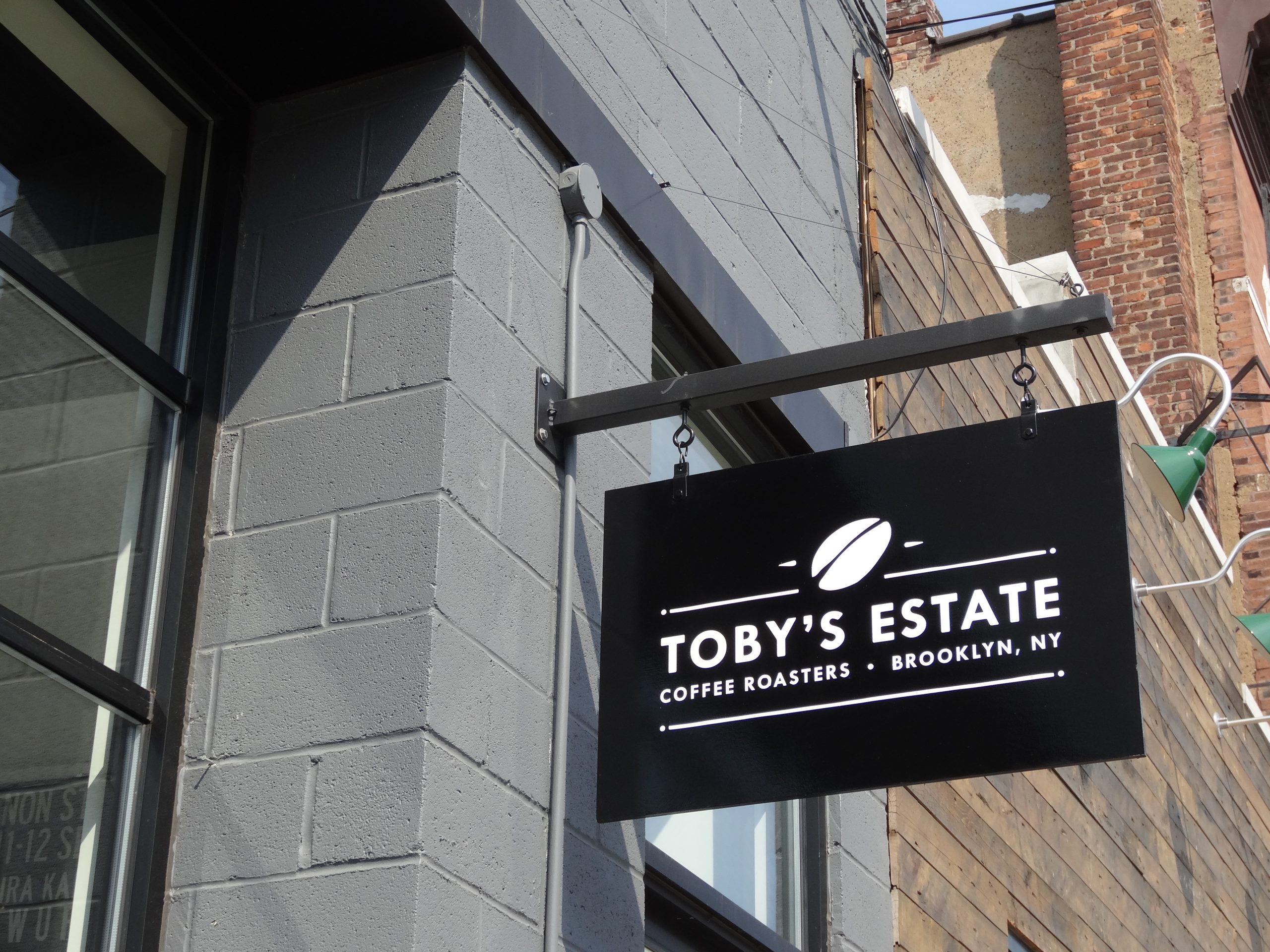
| Exterior identification | Channel letters, light boxes, monument and pylon signs, awnings | Retail storefront signs |
| Projecting and sidewalk | Blade signs, sidewalk A frames | Storefront signs for walk in traffic |
| Windows and doors | Window lettering, wraps, frosting, door vinyl | Front door signage |
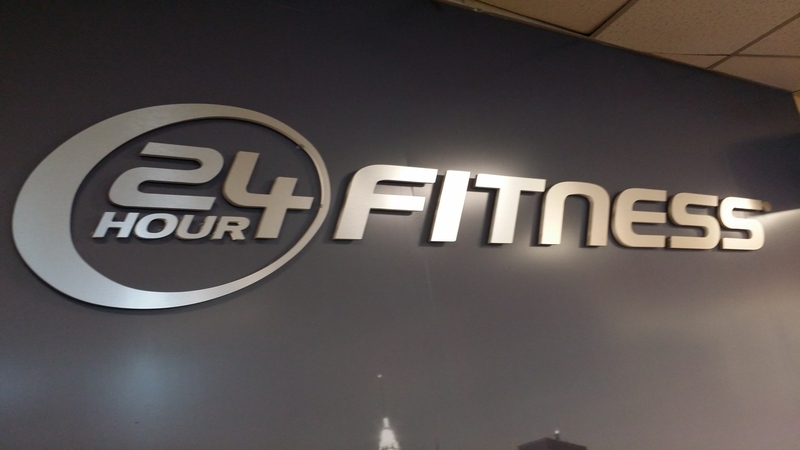
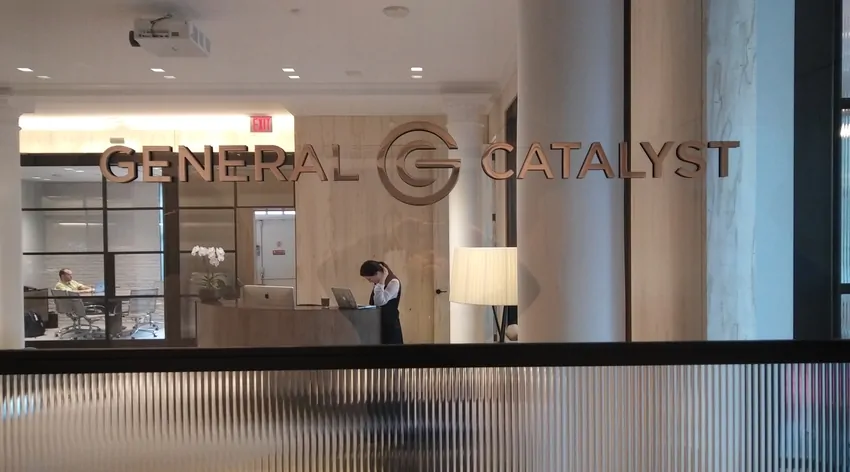
| Interior | Lobby logos, directories, room and ADA signs | Office sign planning |
| Wayfinding | Directional, directory and floor signs | Customer wayfinding |
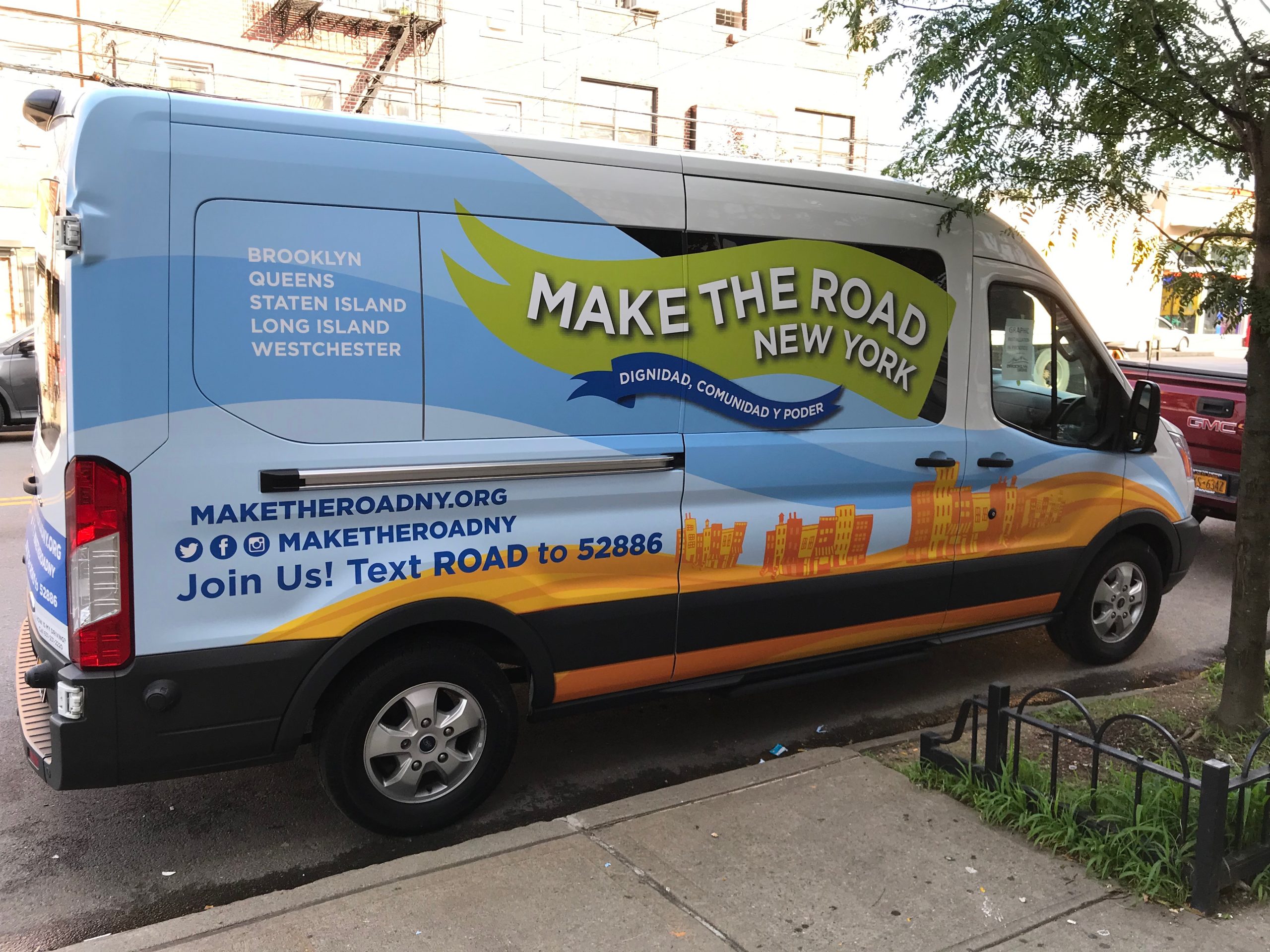
| Vehicles | Wraps and lettering | Signage marketing |
| Temporary | Banners, yard signs, coming soon graphics | Temporary vs permanent signs |
Start With the Job Each Sign Does
Every sign has one main job, whether that is identifying the business, directing people, informing them, meeting a code requirement or promoting something. Naming the job first stops one sign trying to do everything and makes it clear what size, wording and location it needs. Our guide on planning a complete business sign package walks through this.
Plan the Property as One System
Think of the visitor’s journey from the road to the final room, and place a sign at each point where they make a decision.
For large buildings with many floors, the system needs sign families, a naming scheme and the code required signs, covered in our guide to wayfinding systems for large buildings.
Design for Visibility First
- Viewing distance and speed: letter size must suit how far away and how fast people are moving. See designing signs for different viewing distances.
- Contrast: strong light and dark contrast reads farther. See how color impacts sign visibility.
- Typography: plain, open letterforms read faster. See typography tips for readable signs.
- Placement: sightlines from the road and the sidewalk. See exterior sign placement.
- Lighting: if people arrive after dark. See illuminated vs non illuminated signs.
Keep the Brand Consistent
The same logo, colors and fonts on every sign make the business recognizable and trustworthy. A short sign standards guide keeps vendors and locations aligned, explained in our guides on consistent signage and brand recognition.
Permits and Approvals
Most permanent signs need landlord approval, zoning approval from the town and, for wall and lit signs, a construction permit with electrical review. In New Jersey, the state code exempts only small, unlit, ground mounted signs from the construction permit, while sign size and placement come from each town’s ordinance, whether the property is in Essex, Hudson or Monmouth County. Our Essex County sign company, Hudson County sign services and Monmouth County signs pages cover those areas. In New York City, the Department of Buildings sets permit and licensed sign hanger rules.
Start with our guides on whether business signs need a permit in New Jersey, understanding local sign regulations, shopping center sign requirements and historic district signs.

Materials, Budget and Timeline
Outdoor materials must cope with sun, freezing weather and wind. Our guide to outdoor sign materials compares the options. For money and time, see how much a business sign costs, budgeting for commercial signage and how long a custom sign project takes.
Choosing a Sign Company
Look for a company that surveys the site, explains its recommendations, prepares the permit drawings, uses licensed electrical work for lit signs and supports the sign after installation. Our guides on how to choose the right sign company and understanding business sign quotes cover what to check.
Installation, Maintenance and Replacement
Installation should follow approved drawings, with power ready for lit signs and the old sign removed cleanly. After that, a simple routine keeps signs working, covered in how to maintain outdoor business signs. When repairs stop making sense, see when to replace a business sign.

A Practical Checklist
- Define each sign’s job: identify, direct, inform, comply or promote.
- Walk the visitor journey: note every decision point.
- Check the rules: lease criteria, zoning and permits.
- Survey the site: sizes, mounting, power and access.
- Design one family: consistent logo, colors and materials.
- Approve, then fabricate: drawings and permits before production.
- Install and review: watch how people use the signs, then adjust.
Common Questions About Business Signage
What signs does a commercial property need?
Usually exterior identification, entrance and window signs, wayfinding and directories, room and ADA signs, and any signs the codes require, such as stair and exit signs.
Where should I start planning signage?
With the visitor’s journey from the road to the final destination, then the rules that apply to the property.
Do business signs need permits?
Most permanent signs do. Expect landlord approval, the town’s zoning approval and, for wall and lit signs, a construction permit.
How much should I budget for signs?
It depends on sign types, size, lighting and permits. Get quotes after a site survey and include installation and permits.
How long does a sign project take?
Often several weeks, because approvals and fabrication run in sequence. Start as early as possible, ideally when the lease is signed.
How long do business signs last?
Well built permanent signs usually last many years with maintenance, while vinyl graphics and banners need replacing much sooner.
Plan Your Signs as One System
Gogi Signs plans, designs, permits, fabricates and installs complete sign packages for commercial properties across New Jersey and New York City, from the road sign to the last room sign.
See our Custom Signs page for every sign type, then request a free quote or book a site survey.