Illuminated vs Non-Illuminated Signs

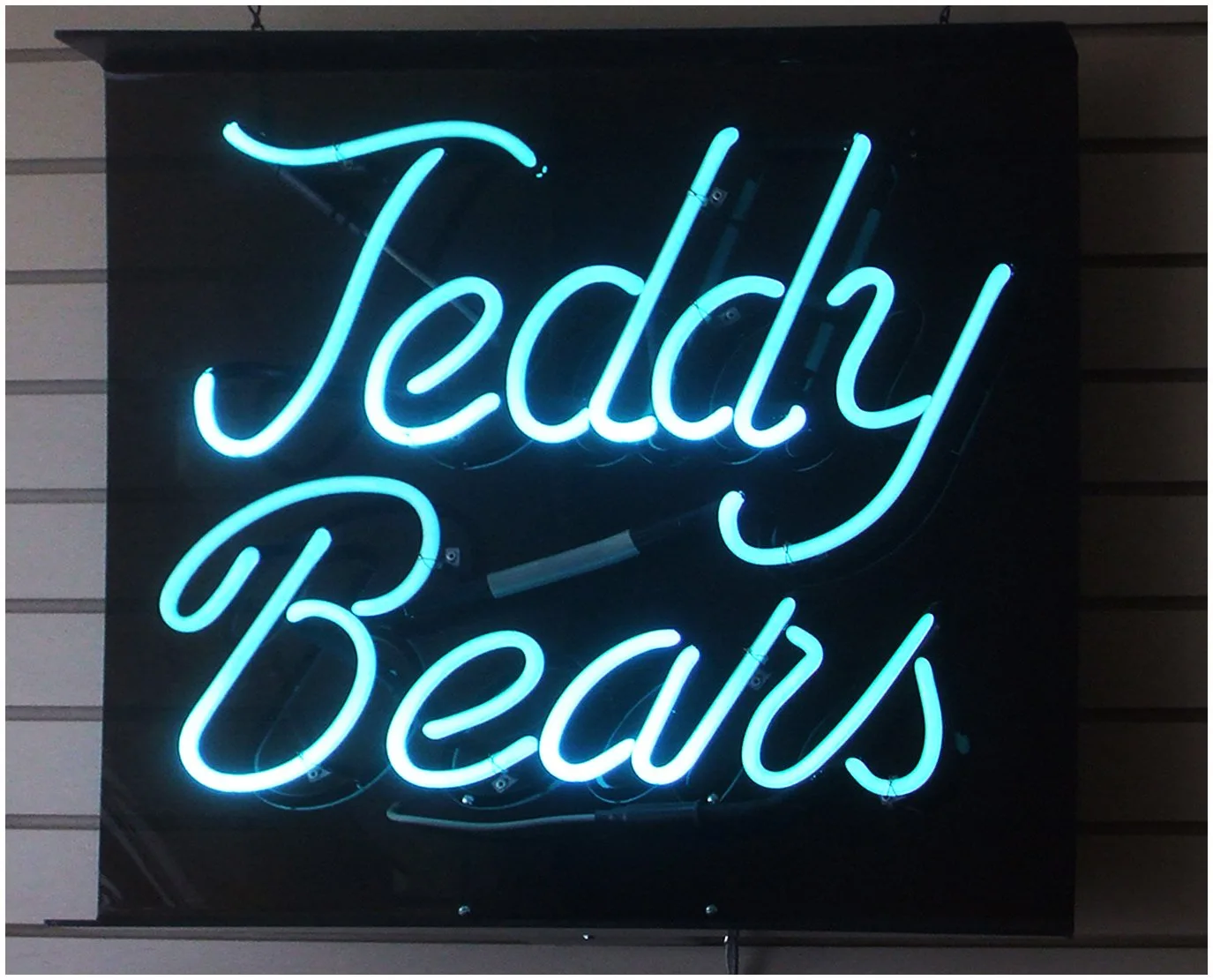
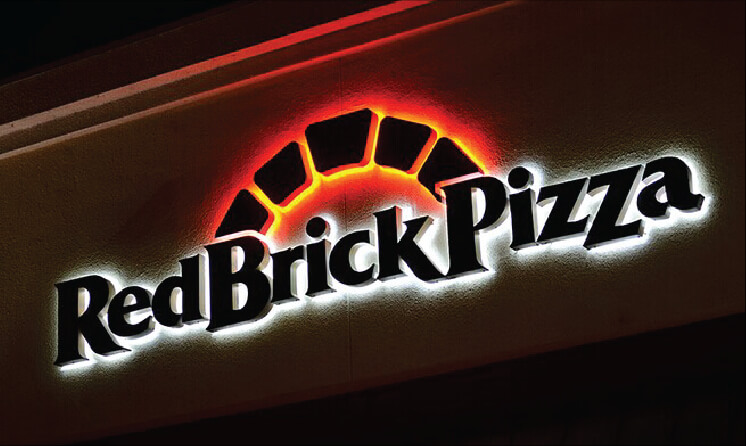
Illuminated storefront signs at night

Choosing between an illuminated and non-illuminated sign seems simple until the sign is placed on an actual building.

On paper, the decision can look like a matter of style. One version lights up, the other does not. In practice, the choice affects visibility, fabrication, installation, electrical work, permitting, maintenance, long-term operating cost, and how the business is perceived after dark.

The better decision usually comes from the property itself.

A restaurant open until midnight has very different signage needs from a professional office that closes at 5:00 PM. A retail store facing a large parking lot has different visibility conditions from a boutique on a well-lit pedestrian street. A corporate building with architectural lighting may not need internally illuminated letters, while a roadside business may be nearly invisible without them.

At Gogi Signs, we have been producing commercial signage for New Jersey businesses since 2005. Over that time, one pattern has stayed consistent: businesses get better results when illumination is treated as a practical visibility decision rather than an upgrade added automatically.

The real question is not whether illuminated signs are better.

It is whether illumination solves a meaningful problem for the location.


Start With When the Sign Needs to Work

The first factor is not the sign type. It is the business schedule.

A sign only needs illumination if there is a period when customers, visitors, or drivers still need to identify the business but natural light or surrounding property lighting is no longer enough.

That sounds obvious, yet many sign decisions are made during daytime site visits. A storefront may look perfectly visible at 2:00 PM and disappear into the building after sunset.

This matters in New Jersey because seasonal daylight changes are substantial. A business that closes at 6:00 PM may operate entirely in daylight during part of the summer and spend several hours open after dark during winter.

Restaurants, gyms, pharmacies, convenience stores, entertainment venues, and many retailers often benefit from illumination because evening visibility directly supports customer access. A professional office or industrial facility that operates mainly during daylight may not gain the same value.

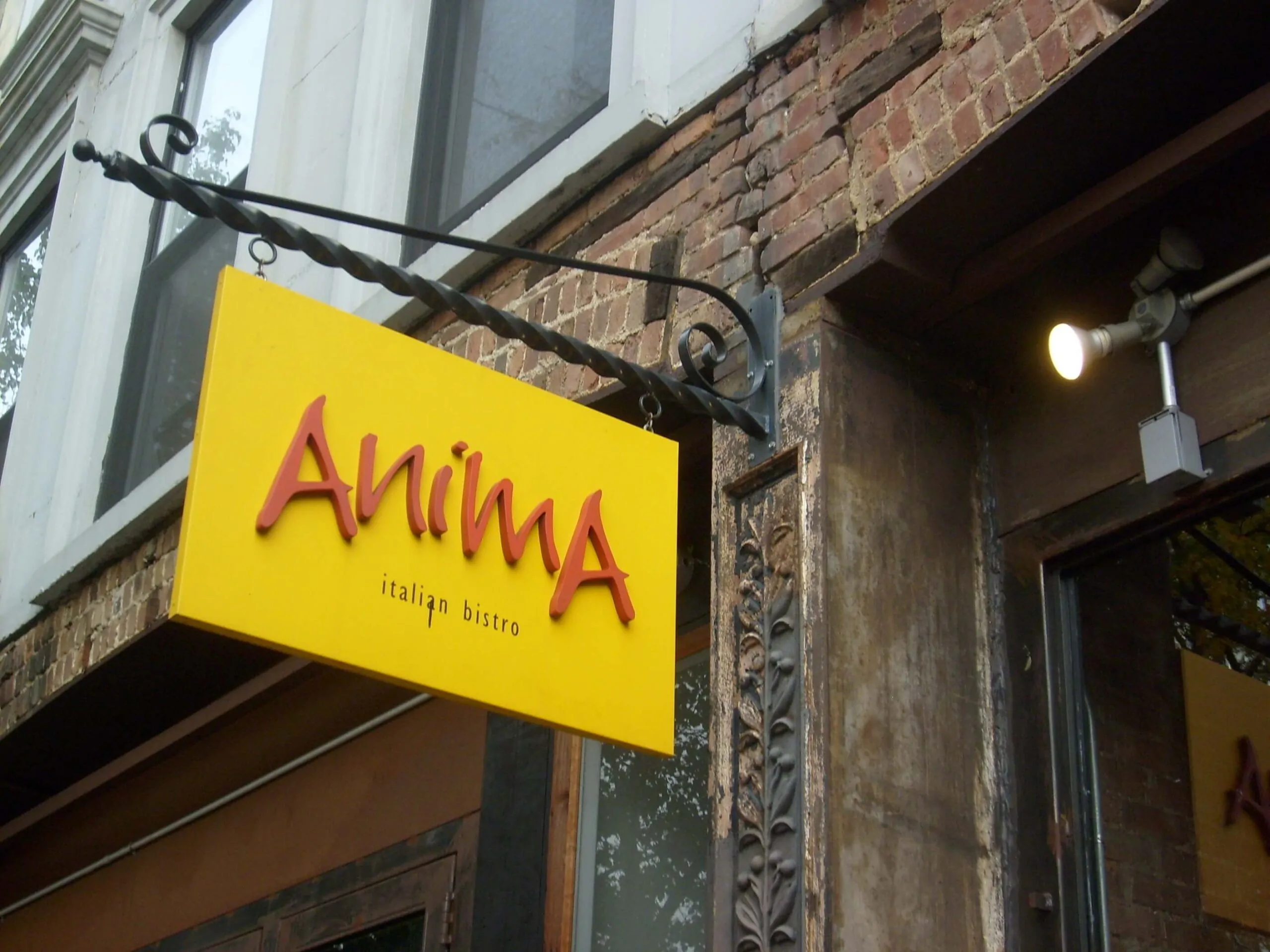
Mixed illuminated and non illuminated signage

The operating schedule should therefore be considered across the entire year, not just during the season when the sign is being ordered.


Illumination Helps Visibility, but It Cannot Fix a Weak Sign

A common misconception is that adding light automatically makes a sign effective.

It does not.

A sign that is too small, badly positioned, visually crowded, or low in contrast can still perform poorly after it is illuminated. Lighting may make the problem brighter, but it does not solve the underlying design issue.

Good signage still depends on the basics:

the sign must be large enough for the viewing distance, the lettering must be readable, the colors must separate from the building, and the placement must match how people approach the property.

This is especially important for businesses that face road traffic or large parking lots. The farther away the sign needs to be understood, the more disciplined the design needs to become.

A small tagline, thin strokes, or an overly complex logo may look polished in a design file yet disappear from 100 feet away.

Illumination works best when it supports an already strong sign.

For the broader planning principles behind this, see our complete guide to business signage for commercial properties.


The Property Often Decides Which Option Makes Sense

A sign does not exist in isolation. It competes with the building, surrounding businesses, landscape, streetlights, parked vehicles, traffic, and other signs.

A freestanding business on a dark suburban road may need illuminated identification simply to remain visible in the evening.

A retail tenant in a busy shopping center may need illumination because almost every neighboring business is lit after dark. A non-illuminated sign in that environment can appear closed even when the store is operating.

A downtown office on a bright commercial street may be different. Architectural lighting, streetlights, window lighting, and nearby storefronts may already provide enough ambient light for dimensional letters to remain visible.

This is why we often recommend looking at the property after sunset before finalizing the sign.

Nighttime conditions can completely change the decision.

A location that feels bright and active during the day can become surprisingly dark. On the other hand, a building that seems like an obvious candidate for illuminated signage may already have enough lighting to support a simpler non-lit solution.

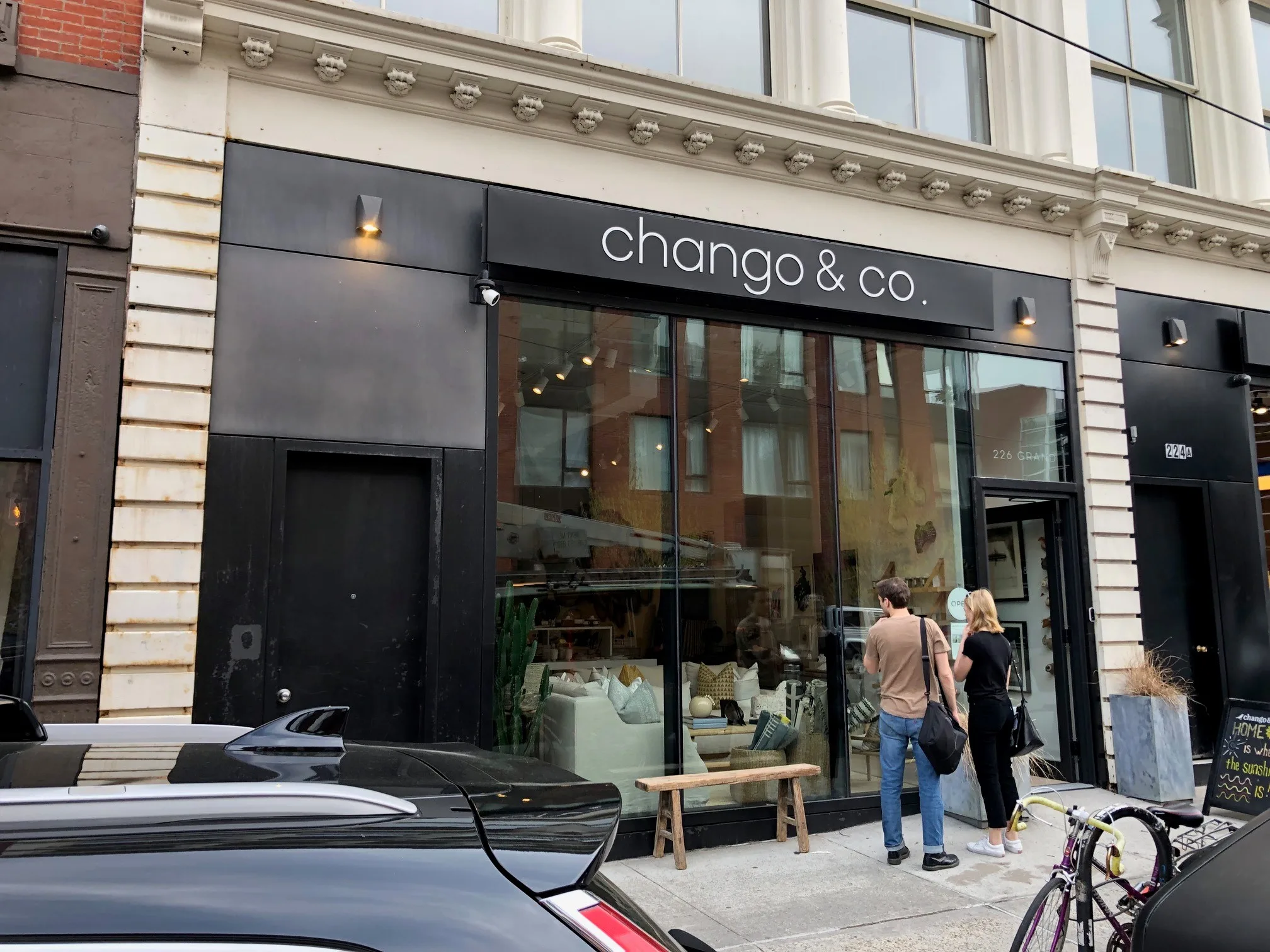
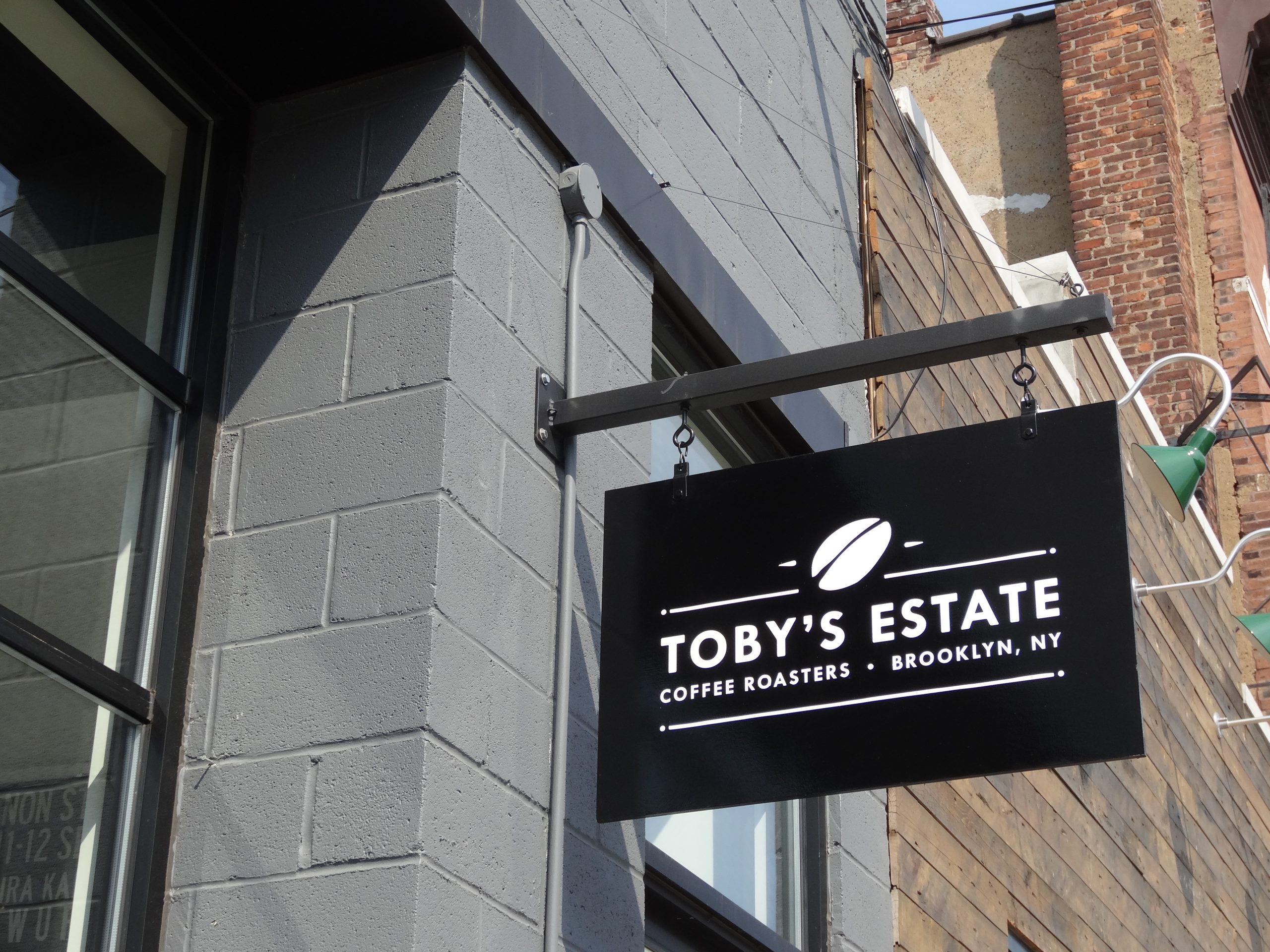
Non illuminated dimensional business signs


Illuminated Signs Are Not All the Same

The phrase illuminated signs covers several very different approaches.

Front-lit channel letters are among the most common lighted commercial signs. These use individual fabricated letters, with light passing through the face. They are widely used for retail stores, restaurants, gyms, shopping centers, and service businesses because they provide clear nighttime identification.

Reverse-lit or halo-lit letters create a different appearance. Instead of shining directly through the front, light is directed toward the wall behind the letters, producing a glow around each character. This often creates a more architectural or restrained result and is commonly used for corporate offices, hospitality properties, higher-end retail, and professional businesses.

Illuminated sign cabinets provide another option. Rather than fabricating each letter separately, the graphic is contained within a lit cabinet or box structure. These signs can work well when the logo or layout does not translate naturally into individual channel letters.

Monument and pylon signs can also be illuminated, which can be particularly useful for businesses that must be identified from the road before the building itself becomes visible.

Each method creates a different visual effect, different fabrication requirements, and different maintenance considerations. The choice should follow the brand and site, not just the desire to have a lighted sign.

Types of illuminated commercial signs


Non-Illuminated Signs Can Still Have Strong Presence

Non-illuminated signs are sometimes treated as the budget version of illuminated signs.

That is too simplistic.

A well-designed non-lit sign can look substantial, architectural, and highly professional.

Dimensional letters are a good example. Acrylic, aluminum, and other fabricated materials can create depth and shadow without internal lighting. On a building with strong exterior lighting, these signs can remain highly visible after dark.

Non illuminated sign visibility at night

Flat panels can also work well, especially when the building itself does not provide enough visual contrast. A panel creates its own background and can help organize the logo, business name, and supporting information.

For offices, professional services, boutiques, daytime businesses, and secondary building identification, non-illuminated signage is often more than enough.

It can also be easier to own over time because there are fewer electrical components to service.


Cost Should Be Considered Across the Whole Project

Illuminated signage generally costs more because the sign itself is only one part of the system.

Lighting may require LED modules, power supplies, wiring, raceways, electrical connections, additional fabrication depth, electrical permits, installation coordination, and service access.

The electrical work can be a meaningful part of the project.

If power is already available near the sign location, installation may be straightforward. If electrical service needs to be extended across a facade, routed through finished interiors, or coordinated with a landlord, the project can become more involved.

Non-illuminated signs avoid many of these electrical costs, but that does not automatically make them the better value.

If the business depends on evening visibility, saving on illumination may reduce the usefulness of the sign during some of the most important business hours.

The right comparison is not simply:

Which sign costs less?

It is:

What does each option provide over the expected life of the sign?


Maintenance Is Where the Difference Becomes More Noticeable

All exterior signs require maintenance eventually.

Non-illuminated signs may need cleaning, refinishing, repainting, graphic replacement, mounting inspection, or repair after weather exposure.

Illuminated signs have those same physical maintenance needs plus electrical components.

LED modules can fail. Power supplies can need replacement. Wiring can develop problems. Water intrusion can affect electrical systems. One section of a sign can go dark while the rest remains lit.

That partial failure is particularly noticeable.

A non-lit sign with minor wear may go unnoticed for some time. A channel-letter sign with one dark letter can immediately look neglected.

For that reason, service access should be part of the original design.

A sign mounted 35 feet above a storefront may require a bucket truck or lift every time electrical service is needed. That does not mean the sign should not be illuminated, but the ownership cost should be understood before installation.


LED Technology Has Changed the Ownership Equation

Modern illuminated signs commonly use LED lighting.

Compared with older lighting systems, LEDs can provide lower energy use, compact installation, long service life, and more consistent illumination when properly designed.

That has made illuminated signs more practical for many businesses.

Still, the phrase LED signs for business can be confusing because it may refer either to a conventional sign illuminated with LEDs or to an electronic message display.

These are very different products.

A channel-letter sign with LED modules remains a static sign. The business name does not change.

An electronic message center can display changing text, images, promotions, and announcements.

Electronic displays often face additional municipal restrictions related to brightness, message frequency, animation, and operating conditions. A property that allows illuminated channel letters may not automatically allow a digital message center.

The sign type should be confirmed before assuming the same permitting rules apply.


Brand Style Can Point Toward One Option

Lighting changes the personality of a sign.

A brightly illuminated storefront can feel active, accessible, and retail-oriented.

Halo-lit letters can feel more architectural and restrained.

Non-illuminated metal letters can create a quieter, more established appearance.

None of these impressions is universally better.

They simply fit different brands.

A fast-casual restaurant may want strong nighttime recognition.

A luxury office may prefer subtle halo lighting.

A law firm may choose dimensional metal letters on a well-lit facade.

A fitness business may want bold front-lit channel letters visible across a parking lot.

The sign should match what the customer expects from the business.

That is more important than following a trend.


The Building Architecture Matters Just as Much as the Logo

A sign that works on one facade may feel wrong on another.

Brick, stone, metal panels, stucco, glass, wood, and architectural trim all interact differently with light.

Halo lighting, for example, relies on the wall behind the letters to reflect the light. A smooth surface often produces a cleaner glow than a highly textured wall.

Front-lit channel letters can work on many facades, but their depth and mounting should still fit the building.

Non-illuminated dimensional letters can look excellent on stone or architectural panels where natural shadow already gives the sign depth.

The surrounding architecture should be part of the design conversation from the beginning.


Landlord Criteria Can Override Preference

For tenants in shopping centers, office parks, and managed commercial properties, the decision may not belong entirely to the business.

Landlord sign criteria often specify:

  • sign type
  • lighting method
  • mounting
  • maximum dimensions
  • letter height
  • logo treatment
  • raceway requirements
  • approved colors
  • operating hours

A retail tenant may prefer a cabinet sign but be required to use channel letters.

Another property may prohibit exposed raceways.

Some centers require all tenant signs to be illuminated.

Others restrict certain types of lighting.

The best time to find this out is before design work has gone too far.

A sign concept should be developed within the actual property rules.


Local Sign Regulations Can Affect Illumination

Municipal requirements can also influence the choice.

Depending on the location, sign codes may regulate:

  • sign area
  • brightness
  • illumination
  • animation
  • electronic displays
  • projecting signs
  • setbacks
  • operating hours
  • placement

Requirements vary between municipalities and zoning districts.

A sign that is common in one New Jersey town may face different restrictions in another.

This is particularly important for digital displays and brightly illuminated signs.

Permit and code review should be part of planning, not something addressed after fabrication.


Interior Illuminated Signs Are a Different Design Problem

Illumination is not limited to exterior signage.

Interior logo signs, reception signs, and feature walls can also be lit.

In an office or lobby, the purpose is usually less about long-distance visibility and more about creating a focal point.

A backlit logo behind reception can create visual depth.

Halo-lit letters can give a corporate lobby a polished appearance.

Internally illuminated displays can support retail branding.

But interior signs require restraint too.

A sign that is too bright can create glare, overpower the room, or look disconnected from the interior lighting.

The lighting level should fit the environment.


Most Properties Need Both Lit and Non-Lit Signs

The choice is rarely all-or-nothing.

A commercial property may use illuminated signage only where nighttime visibility matters most.

For example, a retail store might use illuminated channel letters for the primary storefront sign, then rely on non-lit window graphics, door lettering, interior directional signs, and promotional graphics.

A medical property might use an illuminated monument sign and illuminated building identification, while parking signs, directories, room signs, and interior wayfinding remain non-lit.

A corporate office may use a halo-lit lobby logo but non-illuminated exterior dimensional letters because the building already has architectural lighting.

This mixed approach is often the most practical.


Illumination is applied where it adds value.

Everything else remains simpler.


When Illuminated Signs Usually Make More Sense

Illumination tends to be more useful when the business depends on being found after dark, when the sign must be seen from a road or large parking lot, or when surrounding businesses are already lit.

Restaurants, gyms, pharmacies, grocery stores, entertainment businesses, hotels, convenience stores, and evening retailers often fall into this category.

In those cases, the sign is part of the nighttime customer experience.

A dark storefront can easily look closed even when it is not.

For these businesses, illumination may be less of a design upgrade and more of a basic visibility requirement.


When Non-Illuminated Signs Are Often the Better Choice

Non-illuminated signs make sense when customers primarily arrive during daylight, the property already has strong architectural lighting, the sign is read at close range, or the brand calls for a quieter appearance.

Professional offices, certain boutiques, industrial facilities, interior signs, and secondary building identification often fall into this category.

In these settings, a well-proportioned dimensional or panel sign can provide excellent visibility without the additional electrical infrastructure.

The money saved on lighting can sometimes be better spent on scale, materials, finish, or placement.


The Best Choice Comes From the Site, Not the Catalog

There is no universal winner between illuminated and non-illuminated signage.

The stronger option is the one that fits the real conditions of the business.

Look at the property during the hours customers actually use it.

Stand where drivers and pedestrians first see the building.

Compare the storefront during daylight and after dark.

Review how bright the surrounding environment becomes.

Check whether the building already provides enough exterior lighting.

Confirm landlord criteria and municipal requirements.

Consider how the sign will be serviced later.

Then decide whether illumination is solving a real problem or simply adding complexity.

At Gogi Signs, we have been designing, producing, and installing commercial signs for New Jersey businesses since 2005. Whether a project calls for front-lit channel letters, halo lighting, an illuminated monument sign, dimensional letters, or a non-lit architectural sign, the best result comes from matching the sign to the property rather than forcing the property to fit the sign.

Share Now:

Leave a Reply

Your email address will not be published. Required fields are marked *

Recent Posts

Gogi Signs
Contact Details
Why Choose Gogi Signs?
Request a Service
Do you have a file to share?
Contact Details
Gogi Signs
Contact Form
Please submit the form below for your general questions.
Do you have a file to share?