How Business Signage Supports Your Marketing Strategy

Business signage marketing strategy

Business signage is sometimes described as advertising that stays in one place. That description is incomplete.

A sign can build awareness, but it also confirms a location, supports a campaign, reinforces brand identity, communicates at the point of decision, and helps customers use the property. Its value comes from doing jobs other channels cannot perform in the same setting.

The goal is not to choose signage instead of digital marketing. It is to decide how the physical environment contributes to the complete strategy, building on the relationship explained in Why Business Signage Still Matters in a Digital World.

Give Each Sign a Defined Marketing Job

“Promote the business” is too broad to guide a sign project.

A primary building sign may need to establish recognition. Window graphics may introduce a service or campaign. Fleet graphics may expand exposure across a service area. Interior displays may support cross-selling or explain options. Event signs may bring the brand into a temporary location.

Defining the job determines the message, placement, lifespan, and way success should be judged.

A sign asked to build recognition should protect the business name and distinctive brand cues. A sign supporting a short promotion may prioritize the offer and deadline. Combining both goals without hierarchy can weaken each one.

Connect Online Discovery to the Property

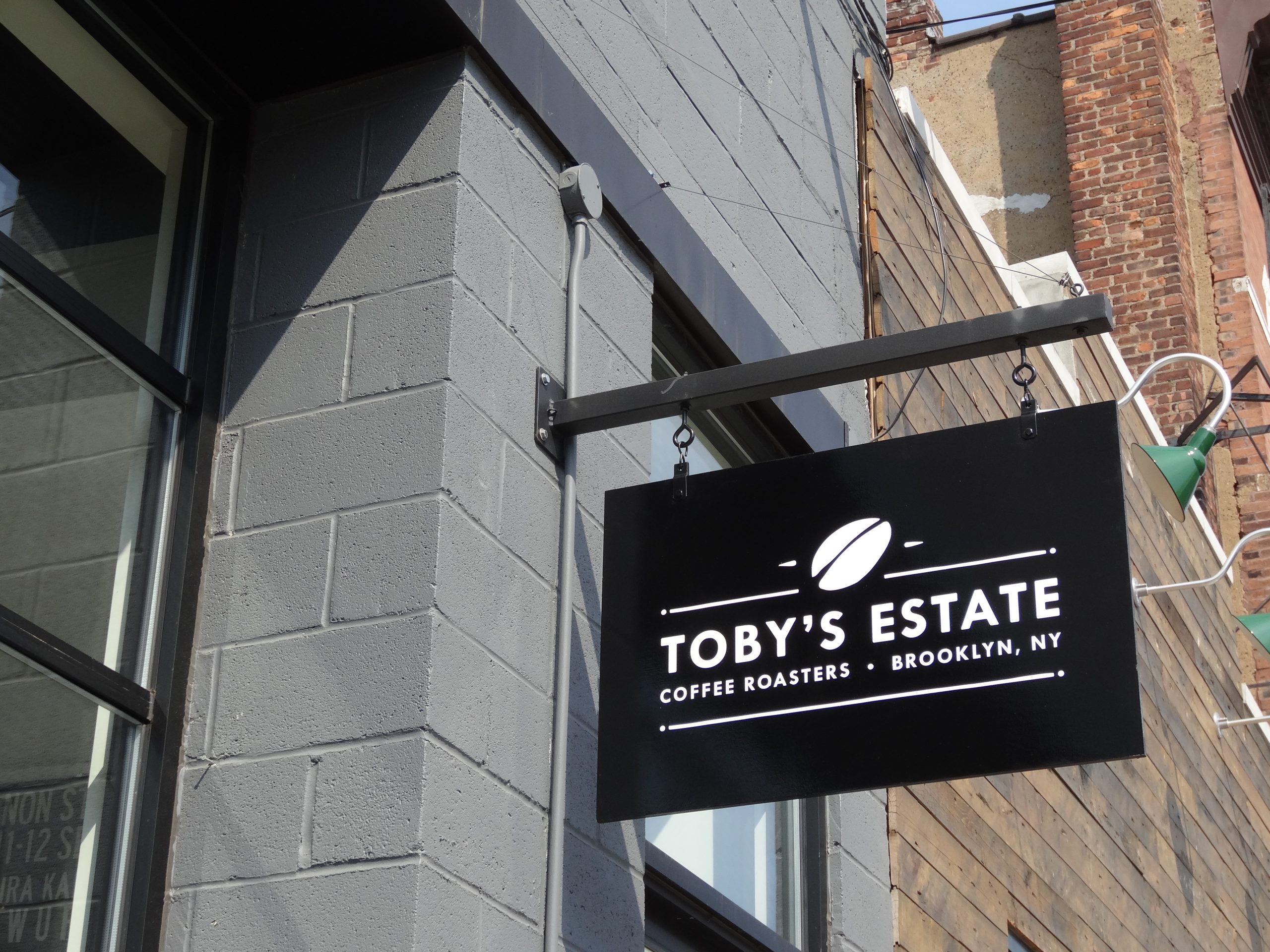
Search, maps, social media, and advertising can lead a customer toward a business. Signage helps complete the visit.

The business name and identity should match what appears online. Exterior photographs on map listings should reflect the current frontage. Directions should explain unusual parking or entrances. Campaign language used on windows or temporary signs should agree with the offer on the website.

This coordination reduces wasted demand. Marketing has already done the work of creating interest; the property should not make the customer question whether they arrived at the right place.

Online discovery to physical location

Use Signage at the Point of Decision

Some messages are most useful where the customer can act on them.

A window can explain what is available before someone enters. A menu board can organize choices at the counter. A directional sign can lead visitors toward a showroom or pickup area. An interior display can introduce a related service while the customer is already engaged.

The message should fit the time available. A driver needs fewer words than someone waiting in a reception area. A pedestrian storefront can support more detail than a sign viewed across multiple traffic lanes.

Designing for the decision point is more useful than repeating the same advertisement on every surface.

Signage at customer decision points

Treat the Location as a Media Asset

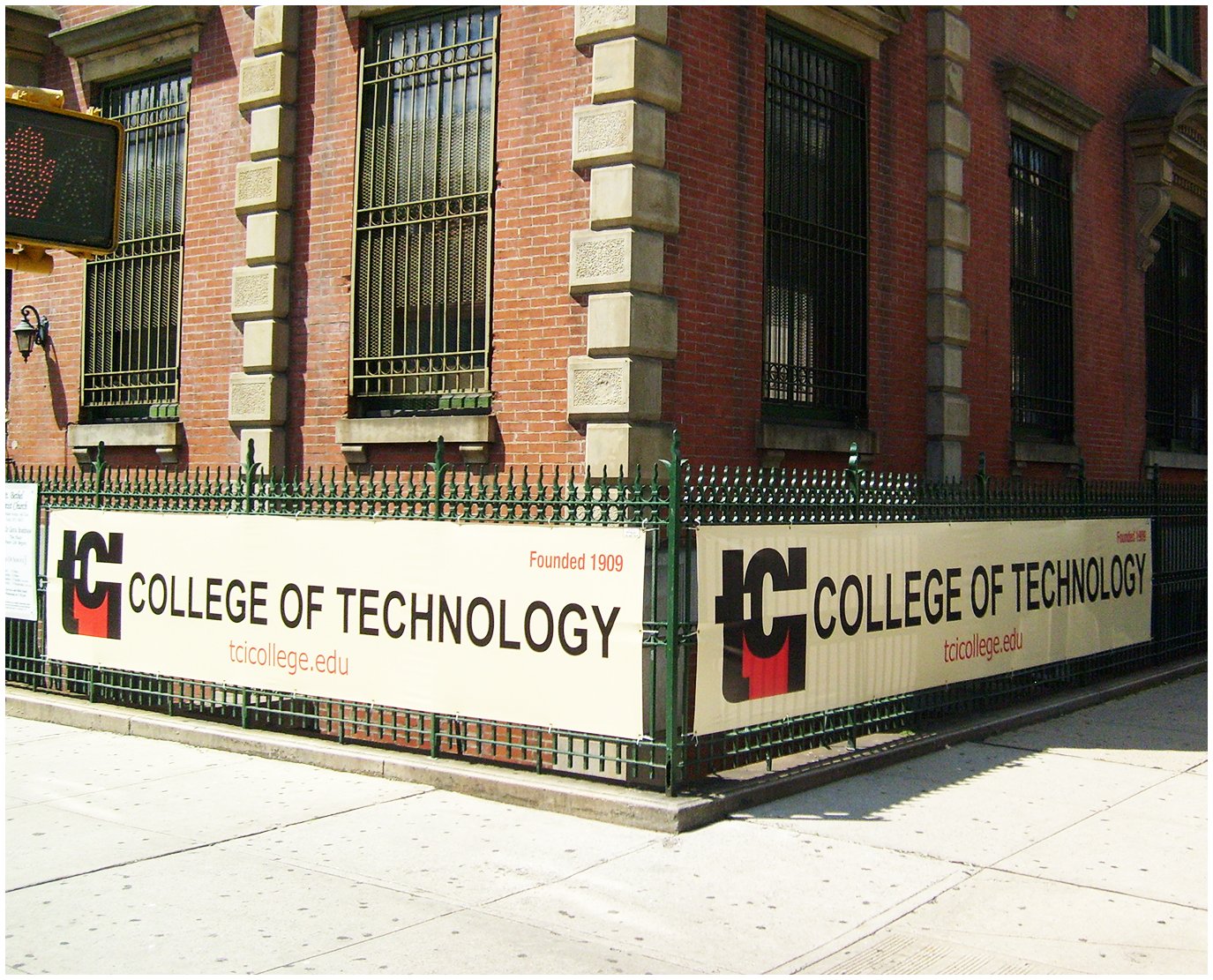
A commercial property has recurring exposure: customer visits, pedestrian traffic, neighboring tenants, deliveries, employees, and passing vehicles.

That exposure is valuable only when the signage is visible and understandable. Landscaping, parked vehicles, architecture, glare, and competing messages can limit performance. The Sign Research Foundation describes on-premise signs as supporting identification, information, branding, and customer direction—functions that extend beyond a single campaign.

A site review can identify underused surfaces, but more signs are not always the answer. Improving the primary identifier or removing clutter may create a stronger result than adding another message.

Plan Campaign Space Without Damaging the Core Brand

Businesses need room for seasonal offers, events, hiring, and announcements. Without a planned location, temporary messages often cover windows, doors, and permanent signs unpredictably.

Define which surfaces can carry campaigns, acceptable formats, maximum message length, approval responsibility, and removal dates. Keep primary identification and essential entrance information clear.

This creates flexibility without allowing each short-term promotion to redesign the storefront.

Extend the Strategy Across Vehicles and Locations

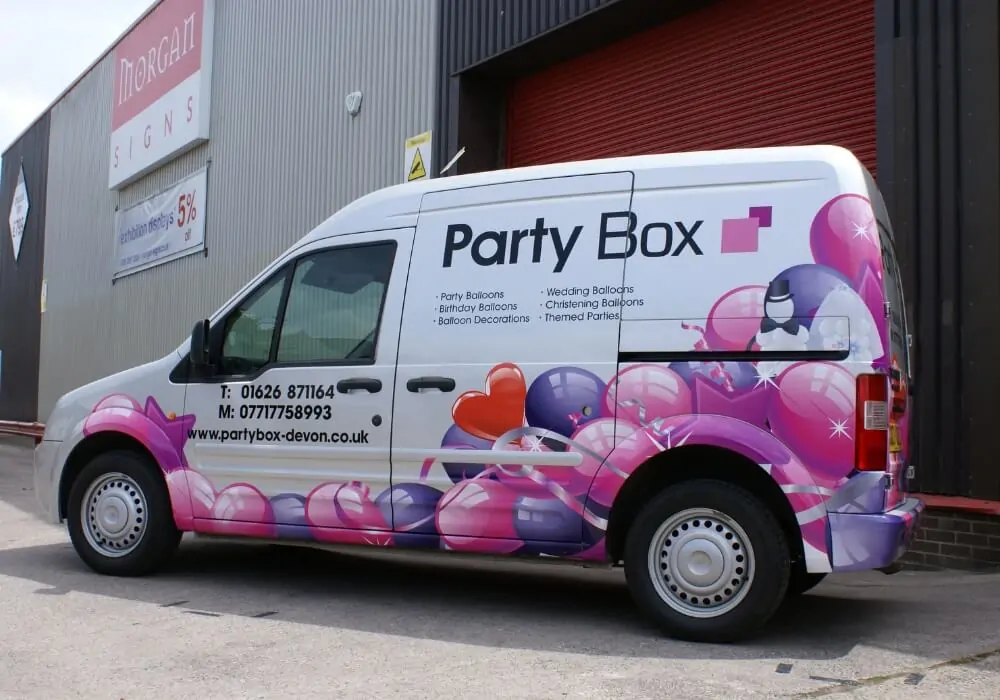
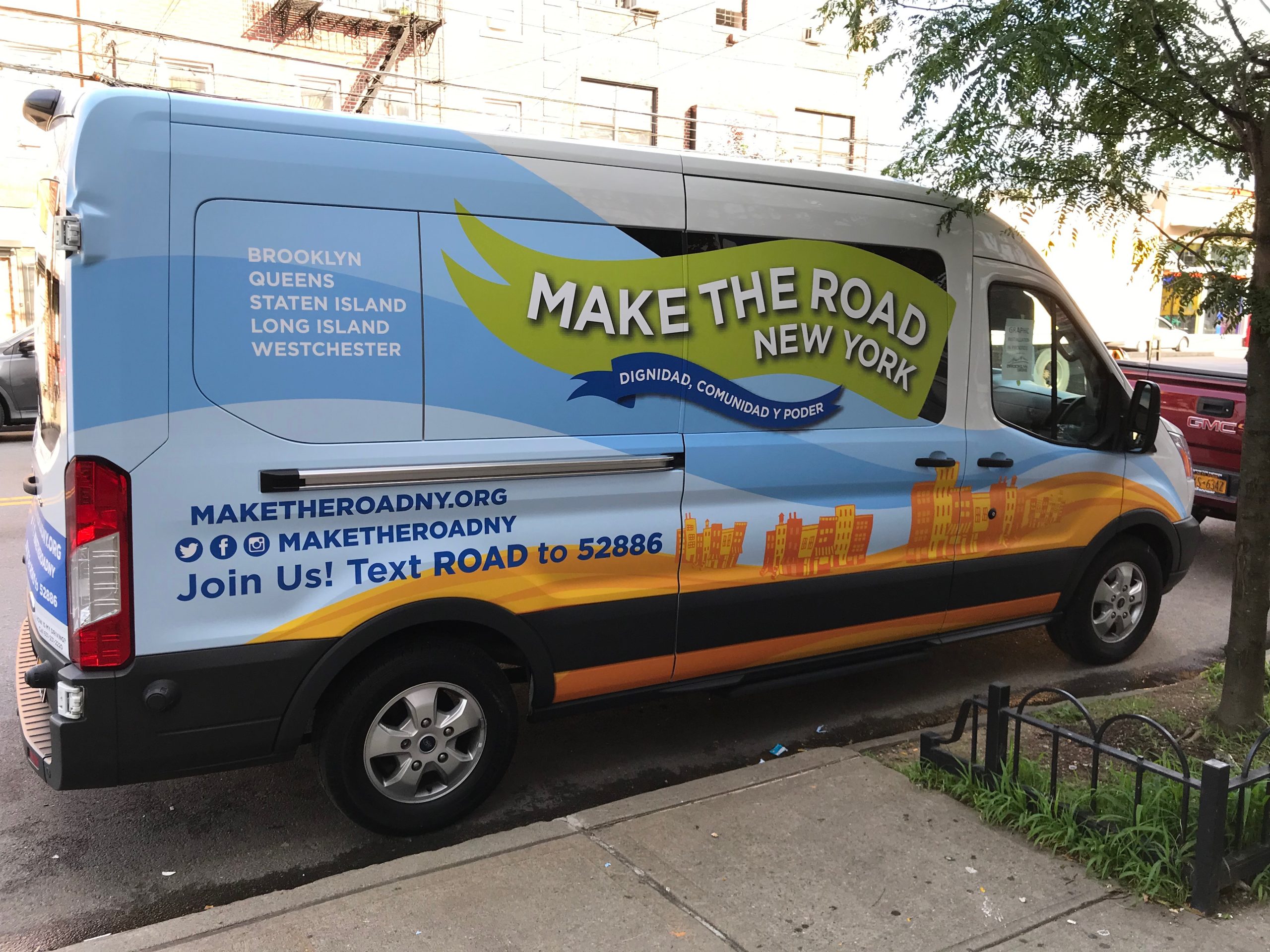
For service businesses, vehicles may create more daily impressions than the building. For multi-location companies, every property contributes to the same reputation.

Shared standards help these assets reinforce one another. The logo, business name, core colors, and terminology should remain recognizable, while layouts adapt to vehicle shapes and site conditions.

Track where the system varies intentionally and where it has drifted. This prevents normal growth from producing several versions of the brand.

Consistent signage across marketing channels

Measure What the Sign Is Expected to Change

Signage does not produce the same data as a digital advertisement, but it can still be evaluated.

Choose evidence connected to the sign’s job:

  • Ask new customers how they found the business.
  • Track direction-related calls before and after wayfinding changes.
  • Use a dedicated offer or landing page for a temporary campaign.
  • Compare walk-ins during defined promotional periods.
  • Record visibility problems and customer questions before an upgrade.
  • Photograph sign condition and obstructions during regular reviews.

Avoid claiming that a sign caused every change in sales. Weather, seasonality, pricing, media campaigns, and operations may be changing at the same time. Practical measurement looks for useful patterns rather than false precision.

Measuring signage marketing performance

Match the Message to the Audience’s Speed

Marketing teams often begin with a campaign message and then adapt it to every channel. Physical signs require the reverse check: how much attention will the audience actually have in this location?

A driver may have seconds and competing traffic demands. A pedestrian may slow down but still view the window through reflections and other storefront messages. A visitor in a reception area may have several minutes and be ready for a detailed explanation.

Use that attention budget to control copy. Protect the business name and primary message at long viewing distances. Move detail to close-range signs, brochures, displays, or digital destinations. A QR code or URL can continue the interaction, but it should not carry information needed to find or understand the business immediately.

Coordinate Signage With Campaign Operations

A promotion can fail physically even when the creative work is strong.

Staff need to know the offer shown on the window. Inventory and service capacity should support the message. The website, point-of-sale system, and expiration date should agree. Removal should be scheduled before the display becomes outdated.

For multi-location campaigns, confirm which properties permit the proposed format and whether sizes or installation methods need local adaptation. Provide approved artwork and instructions rather than asking every manager to recreate the design.

Document what was installed and where. This helps the business compare results and prevents old campaign material from remaining at overlooked entrances or secondary windows.

Use Project Work as Marketing Evidence

Sign fabrication and installation can generate useful original material when customers and site rules allow it.

Planning drawings, material samples, shop work, installation preparation, before-and-after views, and maintenance explanations can support website articles, social posts, proposals, and sales conversations. The strongest material explains a real decision rather than showing only a finished beauty shot.

Record the challenge, site condition, objective, selected solution, and result. Avoid inventing performance claims that were not measured. A case study can be valuable because it demonstrates process and judgment, even without a dramatic percentage increase.

Obtain permission before identifying customers, photographing restricted areas, or sharing drawings and operational details.

Keep Local Marketing Specific Without Becoming Repetitive

For a New Jersey business, local relevance can appear through actual project conditions: municipal approvals, dense commercial corridors, shared tenant systems, seasonal exposure, local architecture, and the industries served.

Adding a city name to generic copy does not create local expertise. Photographs, case studies, permit-process explanations, and observations from real sites provide stronger evidence.

Signage can connect that local experience to the property. A project sign identifies work in progress, fleet graphics show the service area in motion, and location signs establish a consistent physical presence. These assets should support the same accurate company information used in local listings and service pages.

Refresh Signage When the Marketing Strategy Changes

A company may shift toward a different customer segment, service mix, or market position while its physical signs continue presenting the former business.

Review signs during major website changes, acquisitions, new-location openings, and brand updates. Determine whether the business name remains correct, which services still deserve physical emphasis, and whether old promotional graphics contradict the current offer.

Not every strategy change requires new primary identification. Window graphics, interior displays, vehicle messages, and changeable panels may handle evolving information while the core identity remains stable.

Budget by Role, Not by Surface Alone

Marketing budgets often categorize signage as one production expense. A more useful approach separates enduring brand infrastructure from campaigns and operational communication.

Primary identification, core wayfinding, and permanent brand signs usually serve for years. Temporary window graphics, event displays, and promotional panels have defined campaign periods. Directories and changeable information require an ongoing update allowance.

Separating these roles prevents a short campaign from consuming funds needed for essential identification. It also makes replacement timing easier to understand. A faded promotion should be removed at campaign end; a maintained building sign should be evaluated over its intended service life.

Include design adaptation, approvals, installation, access, removal, storage, and surface recovery where applicable. The printed panel may be only one part of the marketing cost.

When reviewing results, compare each item with its assigned role. Awareness assets, location signs, point-of-decision messages, and operational directions should not all be judged by the same metric.

Sales and Customer-Service Teams Provide Useful Evidence

Marketing teams may know the intended message while front-line employees know where the audience misunderstands it.

Ask sales staff which services prospects fail to associate with the company, which former name customers still use, and what information would help during a site visit. Ask reception and customer-service teams where people get lost, which offers require repeated explanation, and what arrival details are missing from appointment communications.

This feedback can guide signage without turning every customer question into another panel. Some issues belong on the website, in a confirmation email, or in staff training. Others occur at a physical decision point and are best solved there.

After installation, return to the same teams. Determine whether questions changed, whether the message is being interpreted correctly, and whether temporary workarounds disappeared. Their observations create a practical feedback loop between marketing intent and customer behavior.

Integrate Signage Instead of Adding It Later

Business signage supports marketing best when its role is decided alongside the location, customer journey, brand standards, and campaign plan.

Gogi Signs has helped New Jersey businesses produce exterior signs, interior signs, graphics, and coordinated programs since 2005. The strongest projects begin with a clear marketing job and a realistic understanding of where and how the customer will encounter the message.

Share Now:

Leave a Reply

Your email address will not be published. Required fields are marked *

Recent Posts

Gogi Signs
Contact Details
Why Choose Gogi Signs?
Request a Service
Do you have a file to share?
Contact Details
Gogi Signs
Contact Form
Please submit the form below for your general questions.
Do you have a file to share?