Rebranding Without Replacing Every Sign

Business signage rebranding

A rebrand can affect far more physical assets than the team expects.

The main building sign may be obvious, but the former identity can also appear on monument panels, secondary entrances, directories, vehicles, wall graphics, room signs, safety information, equipment labels, event displays, and stored replacement parts.

Replacing everything at once may be unnecessary or impractical. Updating only the most visible sign without a transition plan can be equally problematic. A phased rebrand works when the business knows what it owns, what customers see, and which inconsistencies create real confusion.

Begin With a Physical Brand Inventory

Do not build the budget from memory.

Photograph and record every branded sign and graphic by location. Include dimensions, material, condition, illumination, mounting, access needs, and whether the information is still accurate. Note landlord-controlled directories or monument panels that the business cannot update independently.

Group assets into categories:

  • Primary public identification
  • Customer navigation and entrances
  • Vehicles and mobile graphics
  • Interior brand features
  • Operational and employee signs
  • Temporary and event materials
  • Low-visibility or back-of-house items

The inventory often reveals duplicate, outdated, or unnecessary assets that should be removed rather than reproduced.

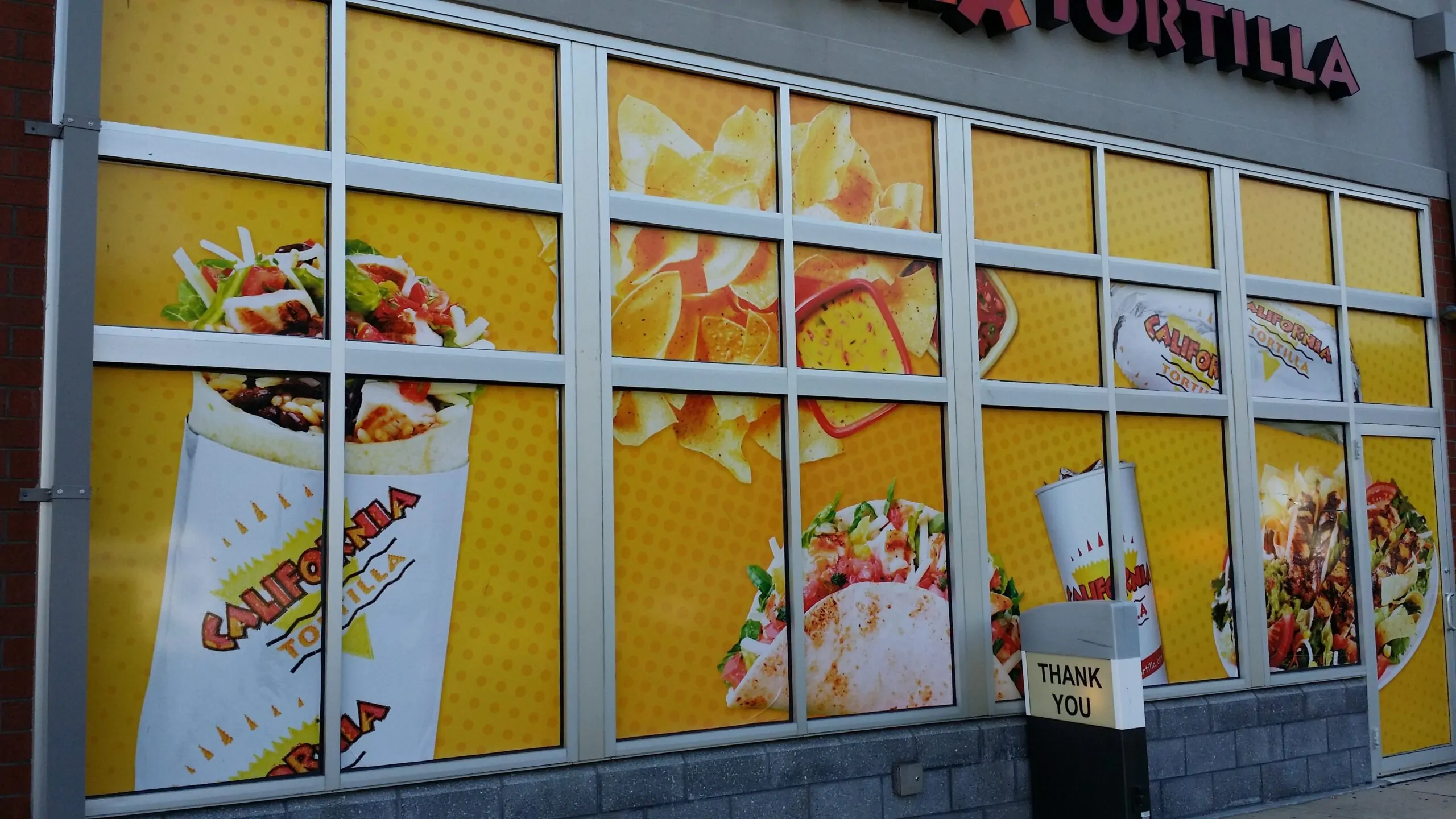
Physical brand signage inventory

Decide What Must Change Immediately

Priority should be based on customer impact, not only size.

Primary building identification, heavily used entrances, active vehicles, online location photographs, and customer-facing directories usually deserve early attention. Old legal names, misleading contact information, or conflicting directions may require immediate correction.

An interior decorative sign in a restricted staff area may wait. A small brand mark embedded in an otherwise functional regulatory sign may be updated during normal replacement if it does not create confusion.

Create three groups: launch-critical, phased update, and replace at end of service life. Document the reasoning so individual locations do not make inconsistent choices later.

Evaluate Whether Existing Structures Can Be Reused

Rebranding does not always require removing the complete sign assembly.

Depending on condition and design, a cabinet, raceway, monument structure, frame, panel system, or mounting location may be suitable for refacing or new components. Vinyl and printed graphics may be removable while the underlying surface remains useful.

Reuse should be based on inspection, not assumption. Confirm dimensions, structural condition, electrical components, water intrusion, finish compatibility, attachment points, and whether the new identity actually fits the existing proportions.

Forcing a new logo into an unsuitable old structure can save fabrication cost while producing a compromised result.

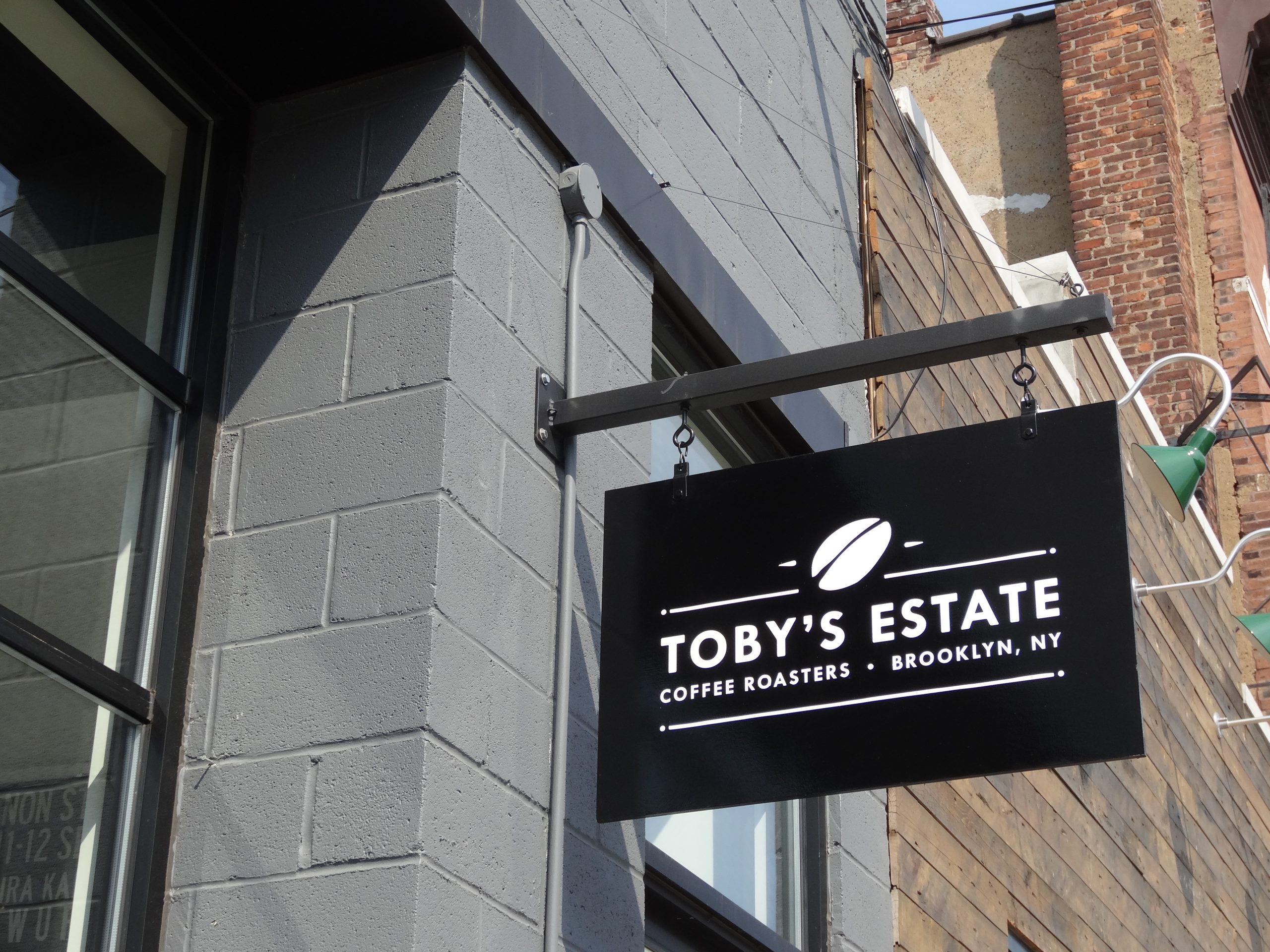
Reusing existing sign structures

Design the New Identity for Real Sign Applications

Brand presentations often show ideal logo arrangements on flat backgrounds. Existing properties and vehicles are less cooperative.

The rebrand should include approved alternate arrangements, one-color versions, color specifications, minimum detail guidance, and rules for illuminated and non-illuminated uses. Test the identity against narrow tenant panels, tall monument spaces, vehicle doors, small room signs, and distant exterior viewing. These standards also protect the consistency customers rely on.

Resolve these adaptations centrally. If every fabricator or location invents its own solution, inconsistency begins during the rollout.

Plan the Transition Period

During a phased rebrand, customers may see old and new identities at the same time.

Reduce confusion by coordinating the public name, website, map listings, exterior photographs, entrance signs, phone greetings, invoices, uniforms, and vehicle graphics. If the legal or familiar name is changing substantially, a temporary “formerly” message may help where appropriate.

Avoid launching the new digital identity weeks before customers can recognize the physical location unless the transition is explained. The sequence should reflect how people find and verify the business.

Budget for Removal and Surface Recovery

Removing an old sign can expose faded paint, unused holes, adhesive, electrical penetrations, outlines, or differences in weathering.

The rebrand budget should address patching, cleaning, repainting, masonry or façade repair, electrical changes, and disposal—not only the new sign. Vehicles may require adhesive removal and surface evaluation before new graphics are installed.

Some recovery work cannot be fully predicted until the old material is removed. A contingency is more realistic than assuming every surface will be ready for immediate installation.

Use Natural Replacement Cycles

A phased program can align lower-priority updates with lease renewals, vehicle replacement, tenant changes, scheduled maintenance, or normal sign end-of-life.

This reduces waste while keeping the transition controlled. Record which version is approved during each phase and set a final date after which the old identity should no longer be produced.

Stored artwork and replacement parts also need review. Otherwise, an emergency repair may accidentally reintroduce the former logo.

Verify Approvals Before Committing to the Rollout

An existing sign may be lawful in its current form while a substantial change triggers new review. A landlord may also treat a logo, color, illumination, or panel change as a fresh submission.

Identify the approval path for each location before assuming a standard conversion will work everywhere. Confirm municipal requirements, lease criteria, monument-panel control, historic or planned-development rules, and whether electrical or structural changes are part of the scope.

Do not fabricate a full group of signs before testing the new identity against the most restrictive sites. A pilot location can reveal proportion, color, illumination, attachment, and approval issues while changes are still affordable.

Coordinate Vehicles, Uniforms, and Digital Profiles

Customers do not experience building signs as a separate brand channel.

A service vehicle may arrive under the old identity after the website and storefront have changed. Employees may wear former uniforms at a newly branded location. Map photographs can show the previous sign for months. Invoices and appointment emails may use another version.

Create one transition calendar covering customer-facing assets. Prioritize touchpoints likely to appear together. If vehicles and building signs cannot change simultaneously, decide whether a temporary bridge message is necessary and which version employees should use when speaking with customers.

Update location photographs after exterior work is complete. This helps customers recognize the new frontage and reduces the chance that navigation platforms continue presenting obsolete visual cues.

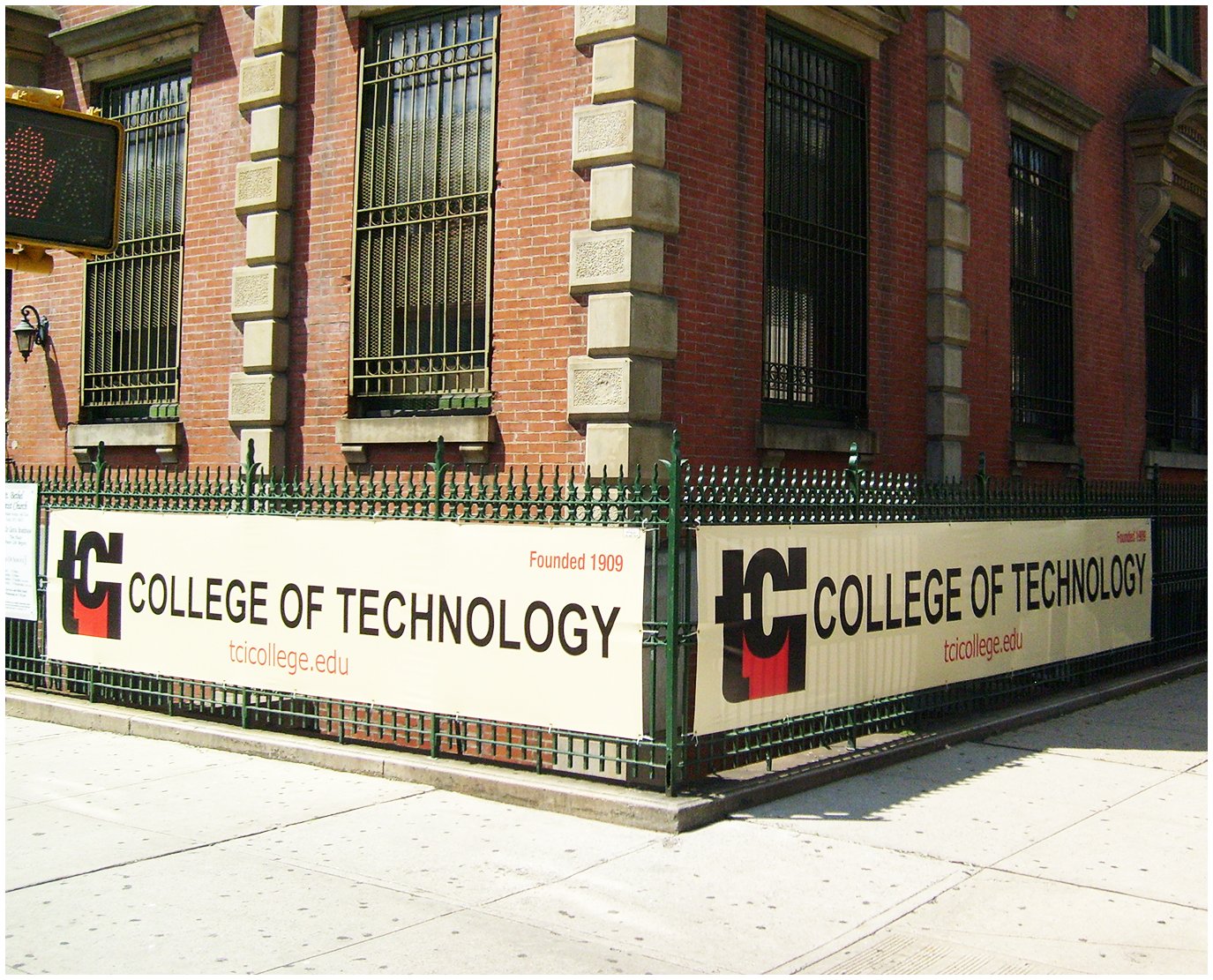
Coordinated business rebrand transition

Manage Old Inventory and Emergency Replacements

Rebrands often leave old decals, printed panels, stationery, uniforms, templates, and spare sign components in storage.

Decide what can be used during a transition, what should be relabeled, and what must be retired immediately. Mark obsolete artwork clearly so a vendor or location manager does not use it during an urgent repair.

Emergency replacements need a defined rule. If a damaged old-brand panel fails before its scheduled phase, determine whether to reproduce it temporarily, accelerate the surrounding update, or install a neutral solution. The answer may vary by customer visibility and the time remaining in the rollout.

Build a Location-by-Location Rollout Record

A spreadsheet or project system should track each asset, approval status, artwork version, fabrication status, installation date, removal work, photographs, and remaining exceptions.

This prevents a visually small sign from disappearing from the program. It also helps the team coordinate site access and bundle similar production work without losing location-specific requirements.

After installation, record final dimensions, materials, colors, electrical components, permit documents, and warranty information. The rebrand becomes the foundation for future maintenance rather than another undocumented project.

Decide When the Transition Is Finished

Without a completion rule, low-priority old-brand assets can remain indefinitely.

Set a date or condition after which the former identity should no longer appear in public-facing signs and graphics. Review online photographs, secondary entrances, directories, vehicles, event materials, and stored display systems before closing the program.

Some legacy elements may be intentionally preserved for history or customer recognition. Document those choices so they are not mistaken for unfinished work.

Build the Budget From the Inventory

A reliable rebrand budget begins with quantities and site conditions, not a single allowance multiplied across locations.

For each asset, identify whether it will be removed, refaced, repainted, partially rebuilt, fully replaced, or allowed to reach the end of its service life. Include surveys, design adaptation, landlord and municipal submissions, engineering when needed, electrical work, access equipment, installation, removal, surface repair, disposal, and temporary transition graphics.

Group similar work where that improves production or installation efficiency, but preserve location-specific requirements. Two signs with the same face dimensions may have different access, attachment, illumination, and approval costs.

Carry a contingency for concealed conditions. Old signs can hide penetrations, corrosion, water damage, faded finishes, and undocumented wiring that become visible only during removal.

Use Pilot Locations to Improve the Standard

Before rolling a new identity across many sites, choose representative pilot conditions: a typical storefront, a restrictive landlord program, a difficult illuminated sign, and a location with multiple vehicle or interior applications.

Review the pilot during the day and at night. Confirm color, proportions, readability, fabrication details, installation time, and how well the new system relates to existing architecture.

Document revisions before volume production. The pilot is not only a visual approval; it tests whether the brand standards contain enough practical guidance for vendors and location teams.

Business signage rebrand rollout tracking

Review the Rollout After Customers See It

Installation completion is not the same as communication success.

Check whether customers recognize the new name, whether directions and appointment messages match the property, and whether employees are still using former terminology. Monitor location reviews and front-desk questions for signs of confusion.

Inspect the new identity at night and from normal approach angles. Colors and letter relationships approved in a presentation may behave differently when illuminated, reduced to a tenant panel, or viewed beside legacy architecture.

Record corrections centrally so the same issue is not repeated at locations still awaiting conversion. If a descriptor is too small, a color is difficult to match, or a temporary bridge message is missing, update the rollout guidance before the next production batch.

Finally, verify that removed assets do not continue to appear in map photographs, event inventory, vehicle records, or vendor file libraries. The public transition is complete only when customers encounter a coherent identity across the touchpoints they actually use.

Rebranding Is a Program, Not a Single Installation

The goal is not to replace the greatest number of signs. It is to move the customer-facing identity from old to new without losing recognition or leaving inaccurate information in place.

Gogi Signs has supported New Jersey businesses with sign fabrication, graphics, installation, and updates since 2005. A careful inventory and priority system can preserve usable assets while directing the budget toward the locations where the rebrand matters most.

Share Now:

Leave a Reply

Your email address will not be published. Required fields are marked *

Recent Posts

Gogi Signs
Contact Details
Why Choose Gogi Signs?
Request a Service
Do you have a file to share?
Contact Details
Gogi Signs
Contact Form
Please submit the form below for your general questions.
Do you have a file to share?