Sign Making Materials
Sign Material Guide
Fifteen sign materials, what each one is good at and where each one falls short, written by the shop that prints, cuts and installs them.
Material Library
Sign Materials and Substrate Guides
Different sign materials solve different problems. Weight, rigidity, finish, print surface, weather exposure, mounting method, project term, and budget can all affect the right choice.
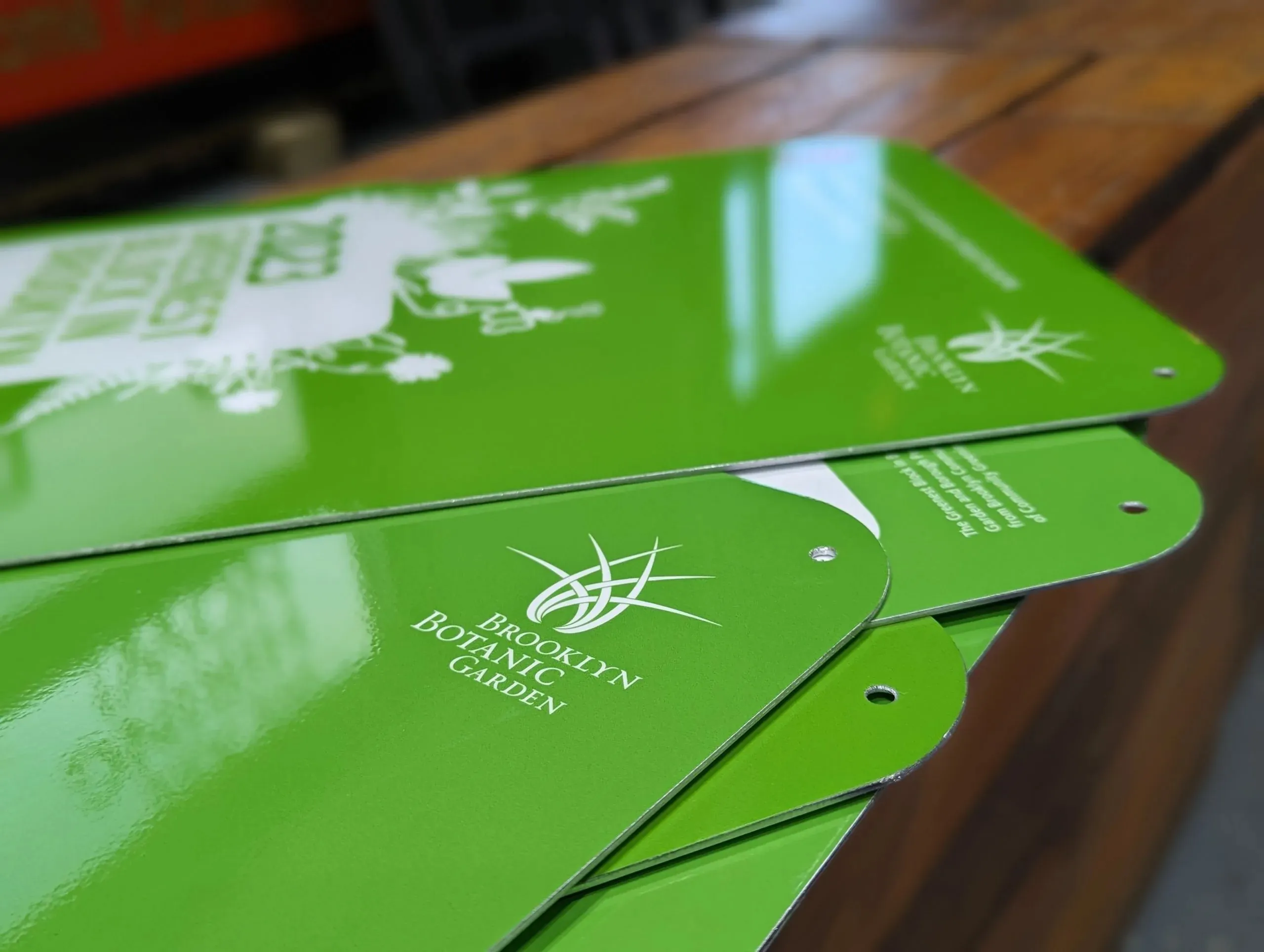
Metal
Aluminum
Rust-proof and weather-resistant, built for signs that need to hold up outdoors for years.
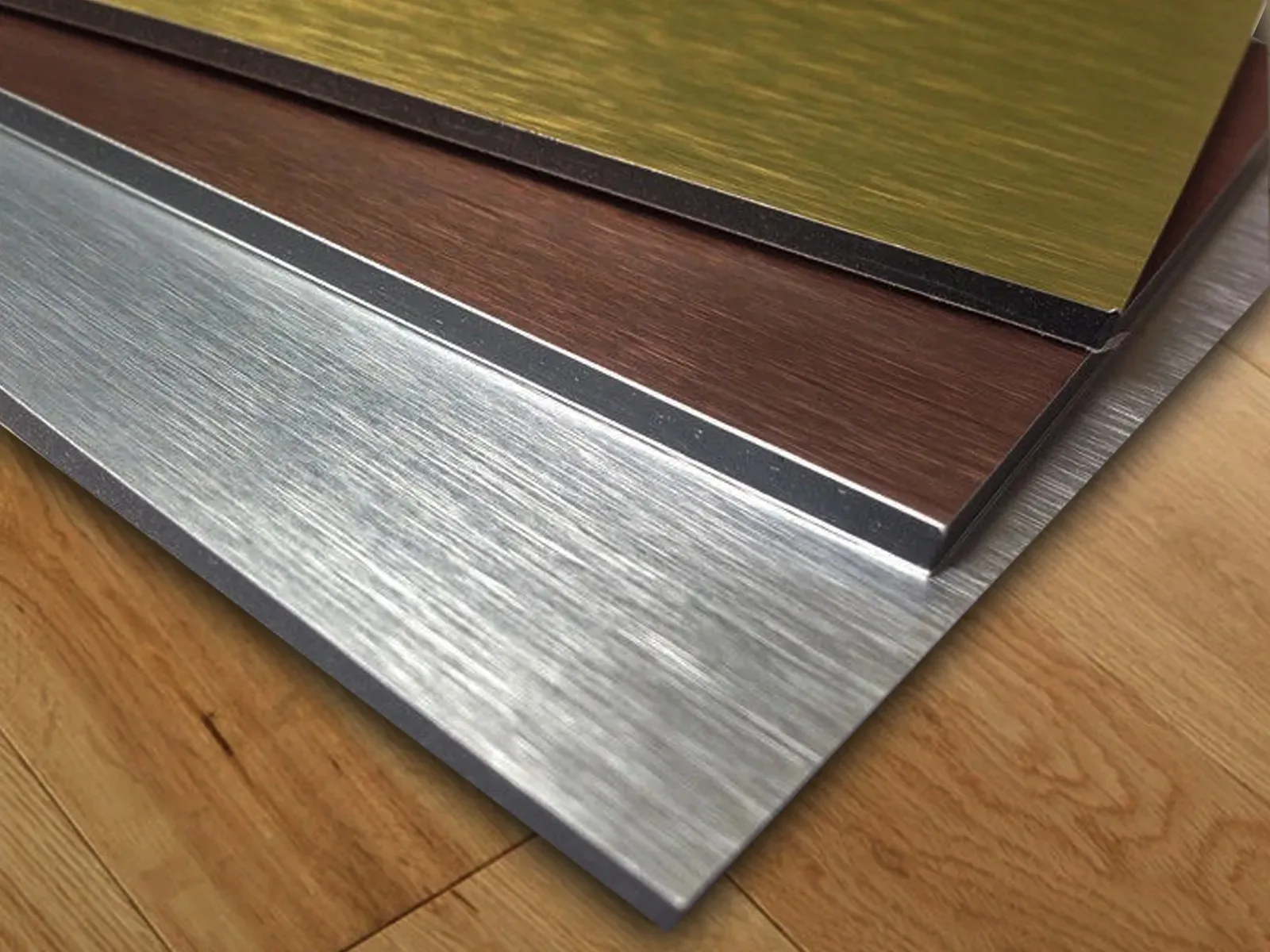
Composite
Aluminum Composite
A rigid sandwich panel that stays flat for a clean, flat face on storefront and wayfinding signs.
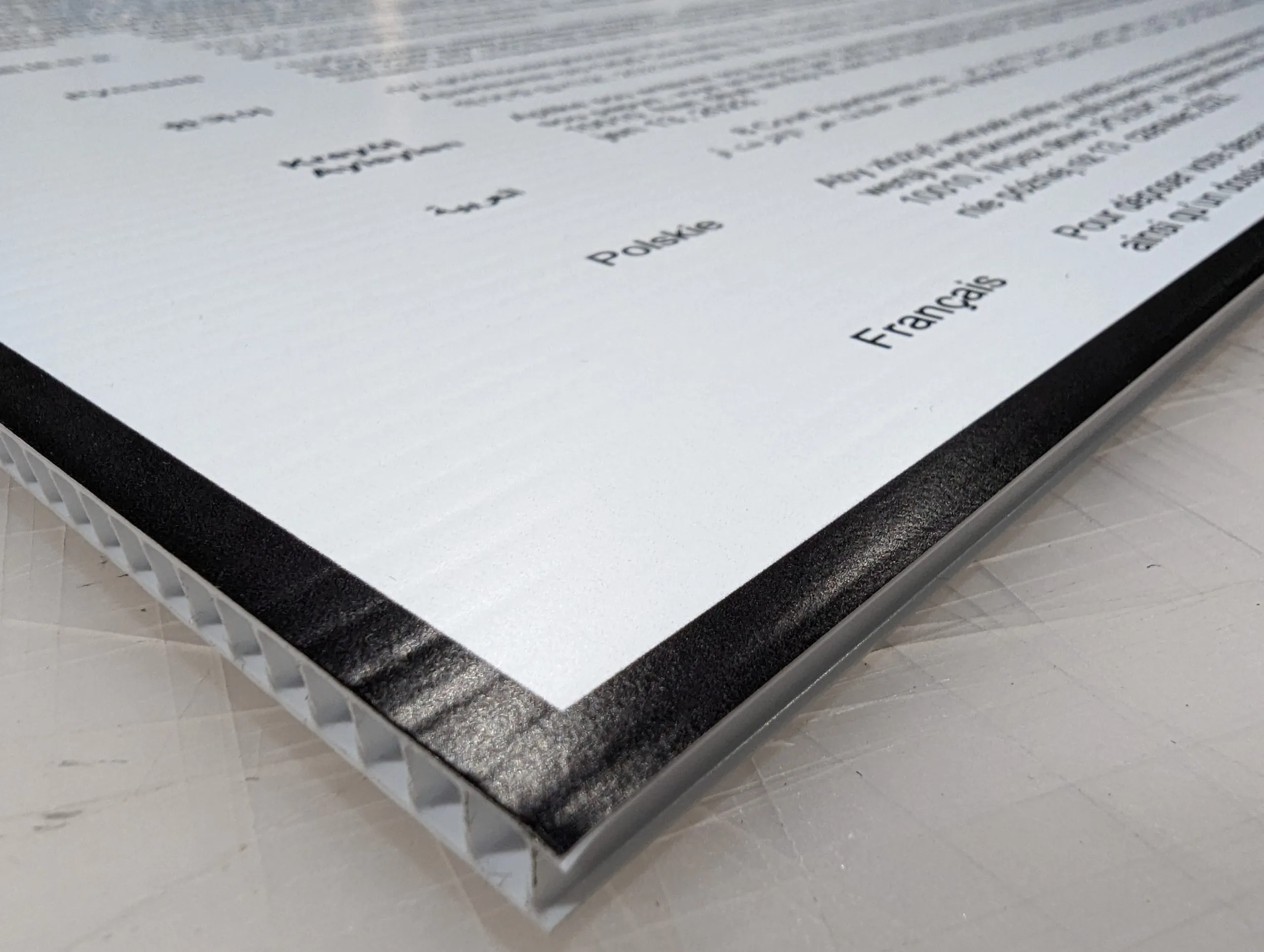
Fluted Plastic
Corrugated Plastic
Lightweight and affordable, built for temporary and outdoor signage that needs to move easily.
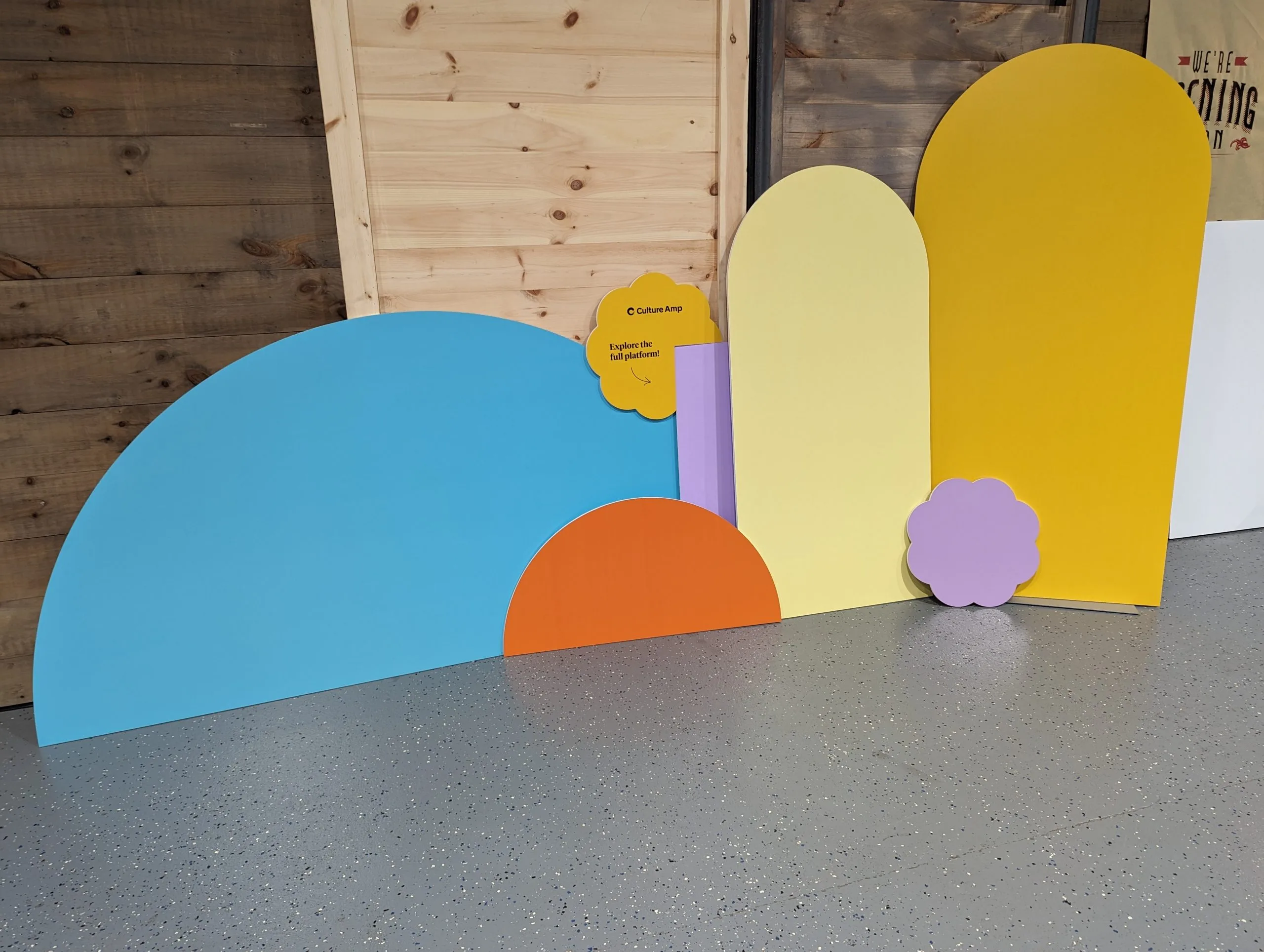
Indoor Display
Foam Board
Lightweight with a smooth face for sharp printed graphics, ideal for indoor signage and displays.
Thin Plastic
Styrene
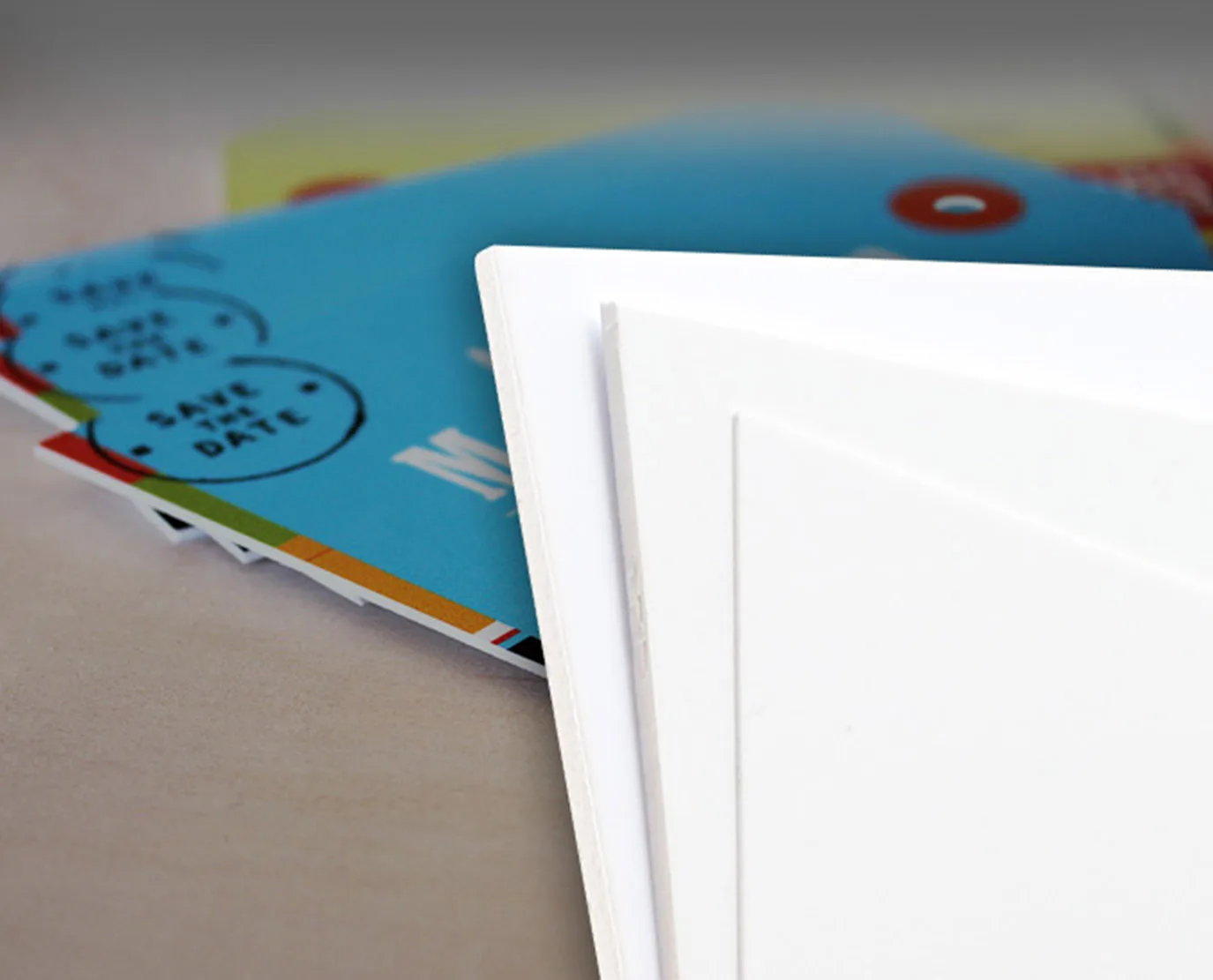
Thin, printable plastic that holds color well, popular for menu boards and indoor displays.
Rigid Foam Core
Ultraboard
Rigid Foam
HDU
Illuminated Signage
Neon
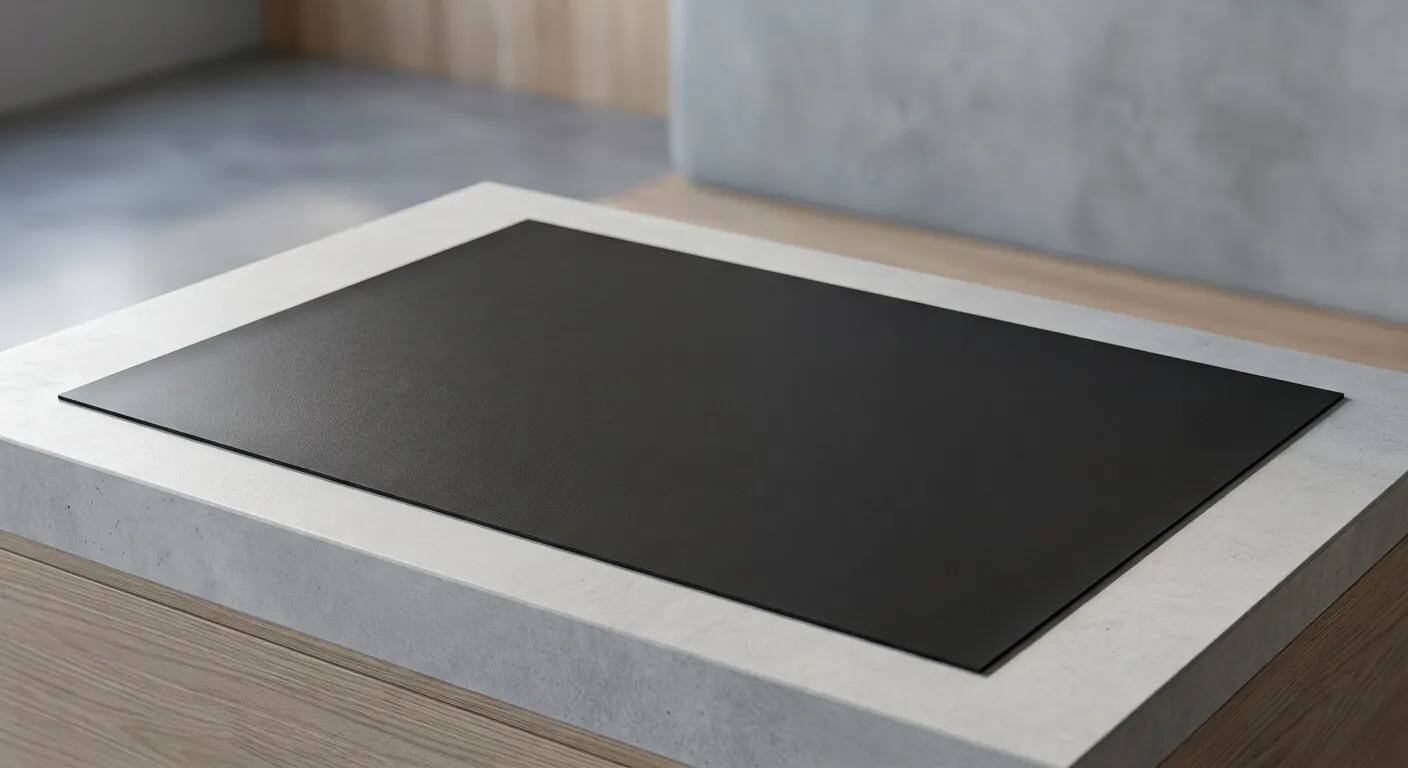
Magnetic Material
Magnetic Sheeting
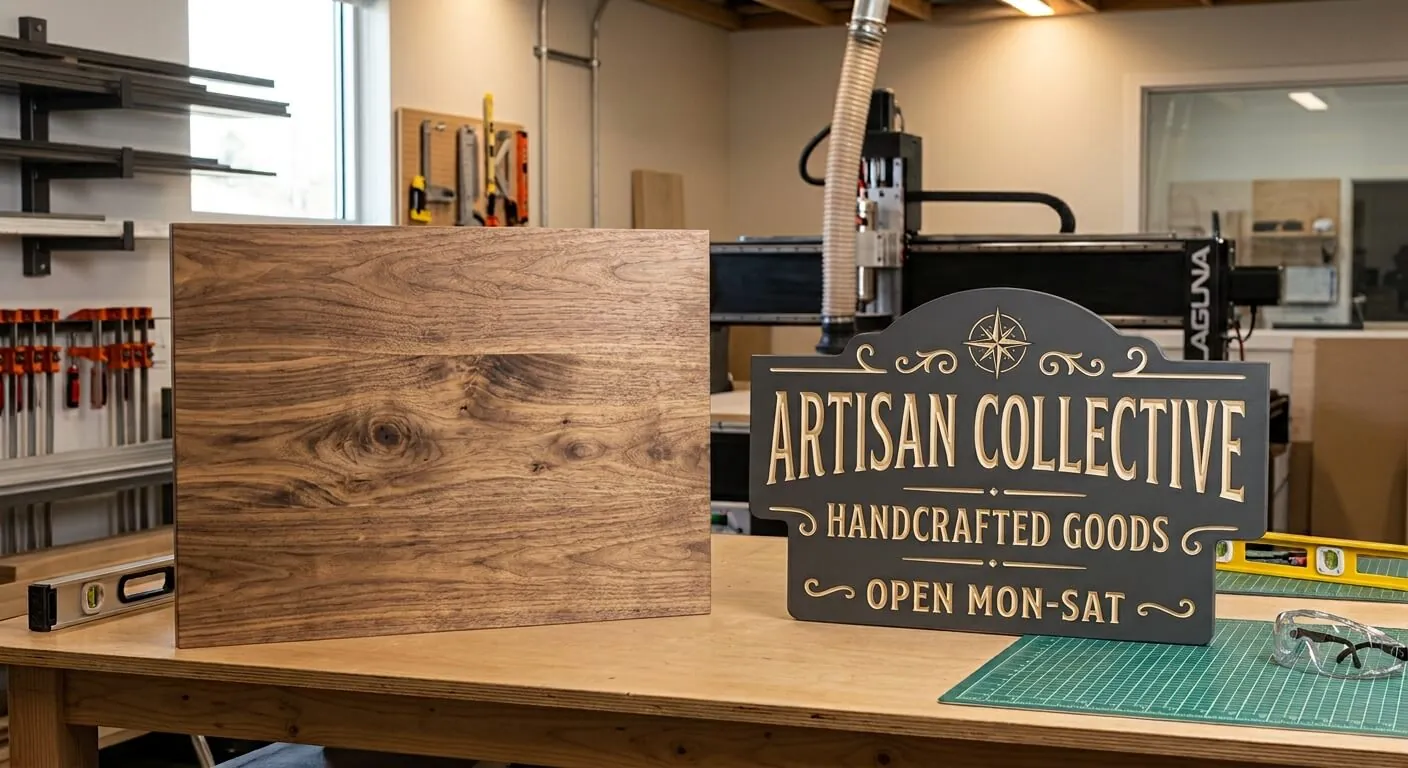
Wood-Based Panel
MDF
Compare Them All
Every Sign Material We Print, Cut and Fabricate
The cards above cover the materials people ask about most. This list covers all fifteen, with the job each one does best, so you can go straight to the right guide.
How We Choose
Four Questions That Pick the Material
How long does it need to last?
A season, a few years or a decade. This one question rules out half the list.
Inside or outside?
Sun, rain and wind decide between plastics, foam boards and metal faced panels.
How is it mounted?
Stakes, standoffs, a frame or a wall each suit different boards.
How is it seen?
Close up at a counter or from a moving car changes the size, thickness and finish.
FAQs
Sign Material Questions
What is the most durable sign material?
What is the cheapest sign material?
Which sign material is best for outdoor use?
Can you help me choose a material?
Not Sure Which Material Fits?
Let Us Recommend the Right Sign for Your Space
These guides cover our most common materials. If you’re weighing options for your project, reach out: we can recommend a substrate and finish that fits your budget, location, and local permit rules.