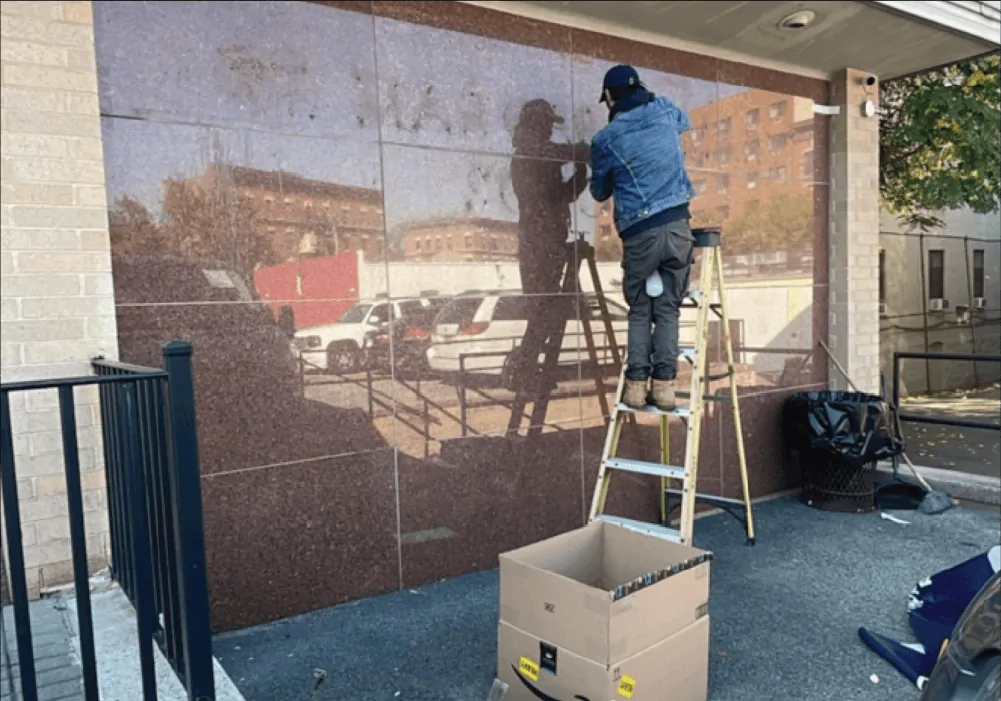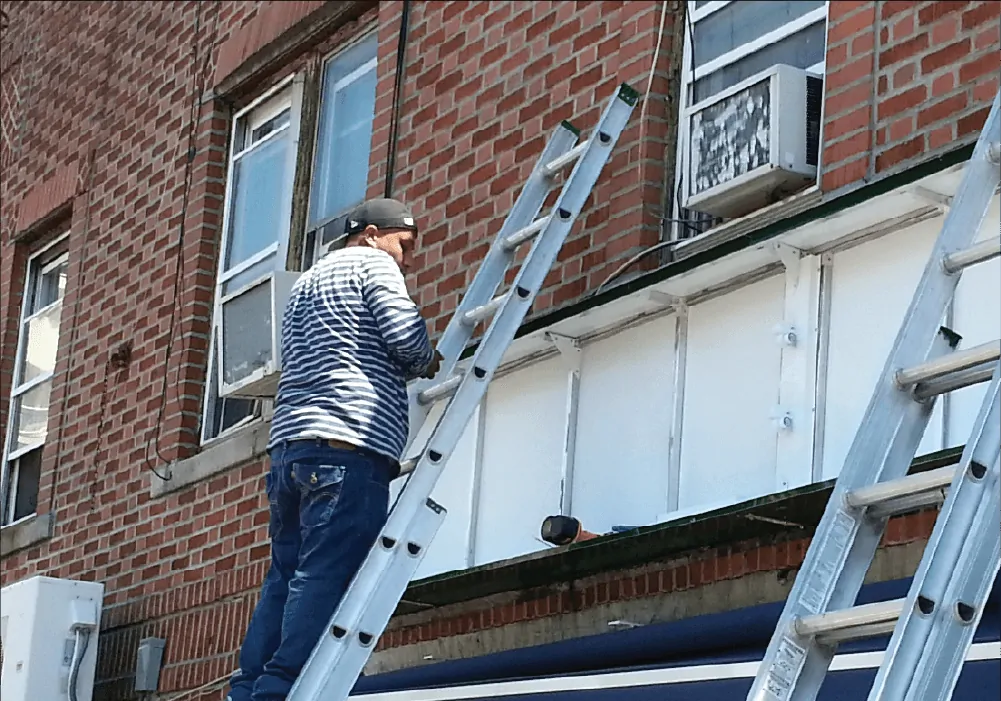
Outdoor signs work every day, whether anyone is actively thinking about them or not.
They sit through rain, wind, snow, summer heat, road dust, pollen, bird activity, construction debris, freeze-thaw cycles, and constant exposure to sunlight. Illuminated signs add electrical components to that mix. Storefront signs may also be affected by nearby trees, building runoff, pressure washing, snow removal, or accidental impact.
Most signs do not fail all at once.
They slowly lose the condition they had when installed.
A face becomes dull. Vinyl edges begin lifting. A letter starts collecting dirt. One LED module stops working. Water finds its way into a cabinet. A mounting point loosens slightly. A monument sign is hit by landscaping equipment and no one notices the damage for weeks.
That is why sign maintenance is less about reacting to major failures and more about catching small problems while they are still manageable.
At Gogi Signs, we have been producing, installing, repairing, and maintaining commercial signs for New Jersey businesses since 2005. One of the most practical lessons from that work is that regular attention usually costs less than waiting until a small issue becomes a replacement project.
This guide covers what businesses should inspect, how outdoor signs should be cleaned, what maintenance illuminated signs need, and how to know when a repair should be handled professionally.
Maintenance Starts With Knowing What Kind of Sign You Have
Different signs age in different ways.
A painted aluminum panel does not need the same maintenance as illuminated channel letters.
A monument sign is exposed to landscaping and ground moisture in ways a wall-mounted storefront sign is not.
A vinyl-covered sign face can show adhesive failure while a metal sign may show oxidation or finish wear.
Before creating a maintenance routine, identify the basic construction.
Common exterior sign categories include:
- illuminated channel letters
- dimensional letters
- sign cabinets
- monument signs
- pylon signs
- post-and-panel signs
- storefront panels
- awning graphics
- window graphics
- exterior vinyl lettering
The materials matter too.
Aluminum, acrylic, polycarbonate, vinyl, painted metal, masonry-mounted letters, and electrical components all respond differently to cleaning products and weather.
If the original sign documentation is available, keep it.
Useful records include installation date, material specifications, paint or finish information, electrical components, manufacturer details, warranty information, permit documents, and previous repair history. Those records make future maintenance much easier.
A Visual Inspection Can Catch Most Problems Early
Businesses do not need specialized equipment to spot many developing sign issues.
A quick exterior review once a month can reveal a surprising amount.
Walk around the property from normal customer viewing positions rather than standing directly beneath the sign. Check it from the street, parking lot, sidewalk, and main entrance. If the sign is illuminated, look at it after dark as well.

This matters because a defect that is hard to notice up close may be obvious from a distance.
Common signs of wear include:
- fading
- discoloration
- dirt buildup
- streaking
- peeling graphics
- cracked acrylic
- warped panels
- chipped paint
- rust or corrosion
- missing hardware
- loose letters
- dark sections in illuminated signs
You are not only checking whether the sign is still standing. You are checking whether it still presents the business the way it should.
Clean Signs Before Dirt Becomes Part of the Finish
Cleaning is one of the simplest forms of commercial sign maintenance, but it is also one of the easiest to do incorrectly.
Outdoor signs collect dust, pollen, traffic residue, bird droppings, rain streaks, insects, cobwebs, grease, and salt residue. A dirty sign can look faded even when the underlying material is still in good condition.

For many non-electrical sign surfaces, a soft cloth or sponge with mild soap and water is a reasonable starting point.
Avoid aggressive products unless the sign manufacturer or fabricator confirms they are safe.
Strong solvents, abrasive pads, and harsh chemicals can damage vinyl, paint, acrylic, printed graphics, and protective laminates.
Pressure washing should also be approached carefully. High-pressure water can force moisture behind vinyl edges, into electrical components, or through cabinet seams.
If a sign is high, large, illuminated, or difficult to access safely, professional cleaning is usually the better option.
Vinyl Graphics Need Special Attention at the Edges
Exterior vinyl often shows problems first around corners, seams, panel edges, rivets, textured surfaces, and areas exposed to frequent cleaning.
Look for lifting edges, bubbling, cracking, shrinkage, discoloration, and delamination.
A small lifted edge can become a much larger failure once wind and water start working behind it.
Avoid picking at loose vinyl.
If a section is beginning to fail, it is better to have the cause reviewed before making it worse. In some cases, a localized repair is possible. In others, the graphic has reached the point where replacement is more practical.
Painted and Metal Signs Need Different Checks
Metal exterior signs are durable, but they are not maintenance-free.
Inspect for chipped finish, scratches, corrosion, exposed metal, staining, loose fasteners, and damaged edges.
Paint damage matters because it can expose the substrate beneath. Once moisture reaches unprotected metal, corrosion can spread beyond the original chip.
Small finish repairs may prevent larger cosmetic problems later.
Brushed, polished, or specialty metal finishes also need the right cleaning products. Abrasive cleaning can permanently change the appearance.
Monument Signs Need Ground-Level Inspection
Monument signs face conditions wall-mounted signs do not.
They may be affected by irrigation, sprinklers, soil moisture, snow piles, road salt, landscaping equipment, lawn chemicals, and vehicle impact.
Inspect the base as carefully as the sign face.
Look for cracks, shifting, damaged masonry, staining, moisture intrusion, broken trim, impact damage, or leaning.
Also review nearby landscaping.
Shrubs that were small when the sign was installed may eventually cover important text. Tree branches can block visibility. Irrigation heads can repeatedly spray the same part of the sign and create staining.
Sometimes the maintenance problem is around the sign rather than on it.
Illuminated Signs Need Daytime and Nighttime Checks
LED sign maintenance is much easier when failures are spotted early.
A sign should be inspected both when it is off and when it is operating.
During the day, look for physical issues.
At night, look for lighting consistency.

Watch for dark letters, partial illumination, flickering, uneven brightness, color differences, dim sections, delayed startup, or lights staying on when they should be off.
A single dark channel letter is easy to overlook from directly below. From across the parking lot, it may be the first thing customers notice.
Depending on the sign, the issue may involve LED modules, power supplies, wiring, connections, moisture, timers, or photocells.
Electrical signs should be serviced by qualified professionals. Opening a sign cabinet or channel letter without understanding the electrical system can create unnecessary risk.
Water Is One of the Biggest Long-Term Problems
Outdoor signs are designed to handle weather, but repeated moisture exposure can still cause damage.
Water intrusion may affect electrical components, sign cabinets, seams, mounting points, internal supports, and painted finishes.
Signs of moisture trouble can include condensation inside a face, staining, intermittent lighting, corrosion, peeling graphics, or distorted components.
If water is getting into an illuminated sign, do not treat it as a cosmetic issue.
The cause should be identified. Sealing the wrong opening can sometimes trap moisture rather than solve the problem.
New Jersey Weather Creates Seasonal Maintenance Needs
Cold weather and summer heat create different types of stress.
Winter can bring snow load, ice, road salt, freeze-thaw cycles, high winds, plow activity, and falling branches. Monument and low-mounted signs are especially vulnerable to snow removal equipment. Parking-lot signs can also be damaged by plows or vehicles when snow reduces visibility.
After major winter storms, review signs for impact damage, loose components, bent posts, cracked faces, water intrusion, and lighting failures.
Summer brings stronger UV exposure, heat, expansion and contraction, fading, and adhesive stress. South- and west-facing signs may receive particularly strong sunlight.
Color fading is usually gradual. Comparing current photos with installation photos can make the change easier to see.
Storms Can Turn Minor Problems Into Major Ones
After strong winds or severe storms, inspect exterior signage as part of the property check.
Pay attention to movement, rattling, loose panels, shifted letters, bent brackets, exposed wiring, damaged faces, and fallen debris.
A sign that moved during a storm may still appear secure from the ground.
If there is any reason to suspect structural damage, keep people away from the area and have the sign inspected professionally.
Do not attempt to tighten high-mounted or electrical signage without the proper equipment.
Keep Vegetation Away From Signs
Landscaping can slowly create maintenance problems.
Branches may rub against sign faces, scratch finishes, block visibility, interfere with lighting, or trap moisture.
Shrubs can hide monument signs or directional signs. Vines can grow around posts and mounting points.
The sign area should be included in normal landscape maintenance.
A few inches of growth each season can eventually turn into a visibility problem.
Check Mounting and Structural Components
The visible sign face gets most of the attention, but the mounting system matters just as much.
Depending on the sign, inspect for loose fasteners, movement, bent brackets, rust, separation from the wall, damaged posts, or shifting foundations.
From the ground, obvious movement should be treated seriously.
Do not try to physically test a mounted sign by pushing or pulling it.
If anything appears loose, a qualified installer should inspect it.
Structural issues are not DIY maintenance.
A Simple Maintenance Schedule Works Better Than Random Repairs
Outdoor sign maintenance does not need to become a complicated program.
A practical schedule for many commercial properties looks like this:
| Frequency | What to Check |
|---|---|
| Monthly | General appearance, dirt, damage, peeling graphics, lighting failures |
| Quarterly | Cleaning, vegetation, mounting, cabinet condition, directory or message accuracy |
| After Severe Weather | Impact, loose components, water intrusion, electrical problems |
| Annually | Professional inspection for larger, elevated, or illuminated signs |
| As Needed | Repairs, lighting service, graphic replacement, repainting |
The exact frequency depends on the sign.
A high-mounted illuminated pylon sign deserves more formal service planning than a small non-lit wall panel.
Maintenance Should Include the Message, Not Just the Materials
A sign can be physically perfect and still be outdated.
Review whether it still shows the correct business name, current logo, accurate hours, correct tenant names, current directional information, and working contact details where applicable.
This matters especially for multi-tenant signs, directories, hours graphics, parking signs, temporary promotions, and businesses that have rebranded.
Old information creates confusion even when the sign itself looks new.

Small Repairs Are Usually Better Than Deferred Repairs
Minor sign issues rarely improve on their own.
A small crack can spread.
A loose vinyl edge can lift farther.
A dark letter can lead to a larger electrical service issue.
A chipped finish can expose more material.
Early repair may be relatively simple.
Waiting can turn the same issue into a larger service call or full replacement.
This is especially true for exterior signs where weather keeps acting on the damaged area.
Know When Cleaning Is No Longer Enough
Businesses sometimes keep cleaning a sign that has actually reached the end of its useful life.
Cleaning will not fix severe fading, cracked acrylic, brittle vinyl, repeated electrical failures, major corrosion, structural damage, outdated branding, or extensive delamination.
At that point, repair or replacement should be considered.
If the sign is already being serviced repeatedly, compare the ongoing repair cost with the cost of replacement.
We will cover that decision in more detail in our article on repairing versus replacing a business sign.
Avoid Improvised Repairs
Temporary fixes can create permanent problems.
Examples include household caulk around electrical sign faces, tape over cracks, mismatched paint, unapproved adhesives, drilling extra holes, or replacing electrical parts without proper specifications.
A repair should preserve both appearance and safety.
If the sign is permitted or electrical, unauthorized changes can also create compliance issues.
Keep a Sign Maintenance Record
For larger commercial properties, keep a simple history.
Record the inspection date, issue found, repair performed, contractor, parts replaced, photos, and cost.
This becomes useful when the same problem returns.
If one power supply fails repeatedly, the issue may be larger than the individual component.
If one section of a monument sign keeps showing moisture damage, the source may need to be addressed.
Maintenance records help identify patterns.
A Practical Outdoor Sign Maintenance Checklist
Use this as a quick property review.
Appearance
- Is the sign clean?
- Are colors still consistent?
- Is there visible fading?
- Are graphics peeling?
- Are panels cracked?
Lighting
- Are all letters illuminated?
- Is brightness even?
- Is anything flickering?
- Are timers working correctly?
Structure
- Does anything look loose?
- Are posts straight?
- Are brackets intact?
- Is there corrosion?
Surroundings
- Are trees or shrubs blocking the sign?
- Are sprinklers hitting it?
- Is snow or debris accumulating around the base?
Information
- Is the business name current?
- Are hours correct?
- Are tenant names accurate?
- Are directional messages still valid?
Service
- Are there small repairs being postponed?
- Has the sign had repeated electrical issues?
- Is professional access needed?
Good Sign Maintenance Protects More Than the Sign
Outdoor business signs are part of the public face of a property.
A clean, functioning sign tells customers the business is active and cared for.
A sign with peeling graphics, missing letters, dark sections, or visible damage sends another message entirely.
Routine maintenance helps preserve visibility, appearance, electrical performance, structural condition, brand consistency, and useful sign life.
The best maintenance program is not complicated.
Inspect signs regularly. Clean them with the correct methods. Pay attention after storms and seasonal weather changes. Fix small problems before they spread. And involve a professional when the issue involves height, electrical systems, structural mounting, or significant damage.
Gogi Signs has been maintaining, repairing, producing, and installing commercial signage for New Jersey businesses since 2005. For properties with exterior signs that are starting to show wear, a maintenance review can often identify what can be cleaned, repaired, serviced, or replaced before the condition becomes more expensive to address.