Temporary vs Permanent Business Signage
Temporary signage is not an inferior version of permanent signage. It solves a different problem.
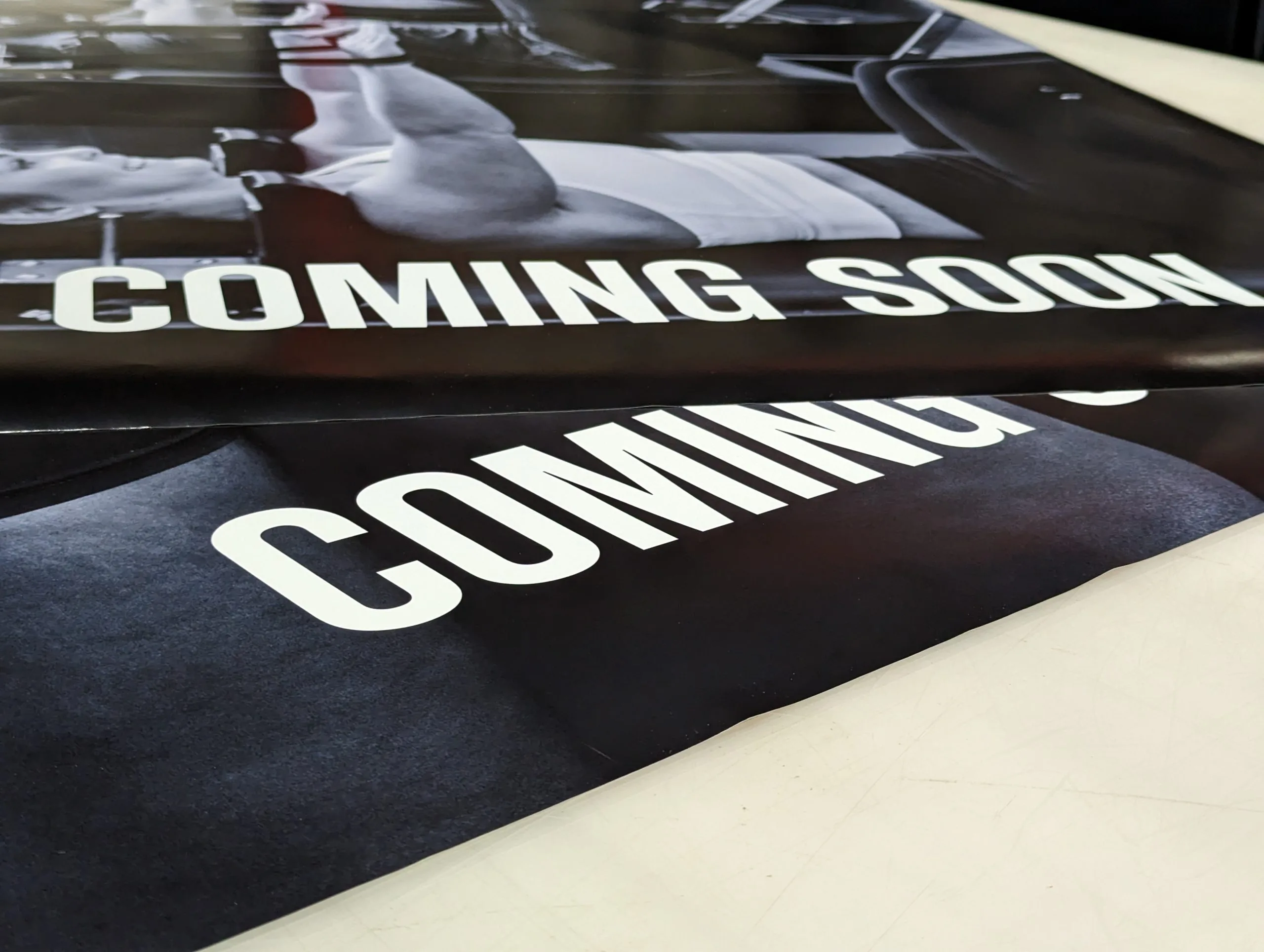
A grand-opening banner may need to perform for two weeks. Construction graphics may remain for several months. A building sign may represent the business for years. Each should be designed around its real period of use, environment, approval requirements, and importance to the customer experience.
Problems occur when a temporary sign is expected to behave like a permanent installation or when a business commits to permanent fabrication before the information is settled.
Start With the Reason for the Sign
Duration matters, but purpose is the better first question.
Temporary signs commonly support:
- Openings, sales, events, and seasonal campaigns
- Construction, renovation, or delayed permanent signage
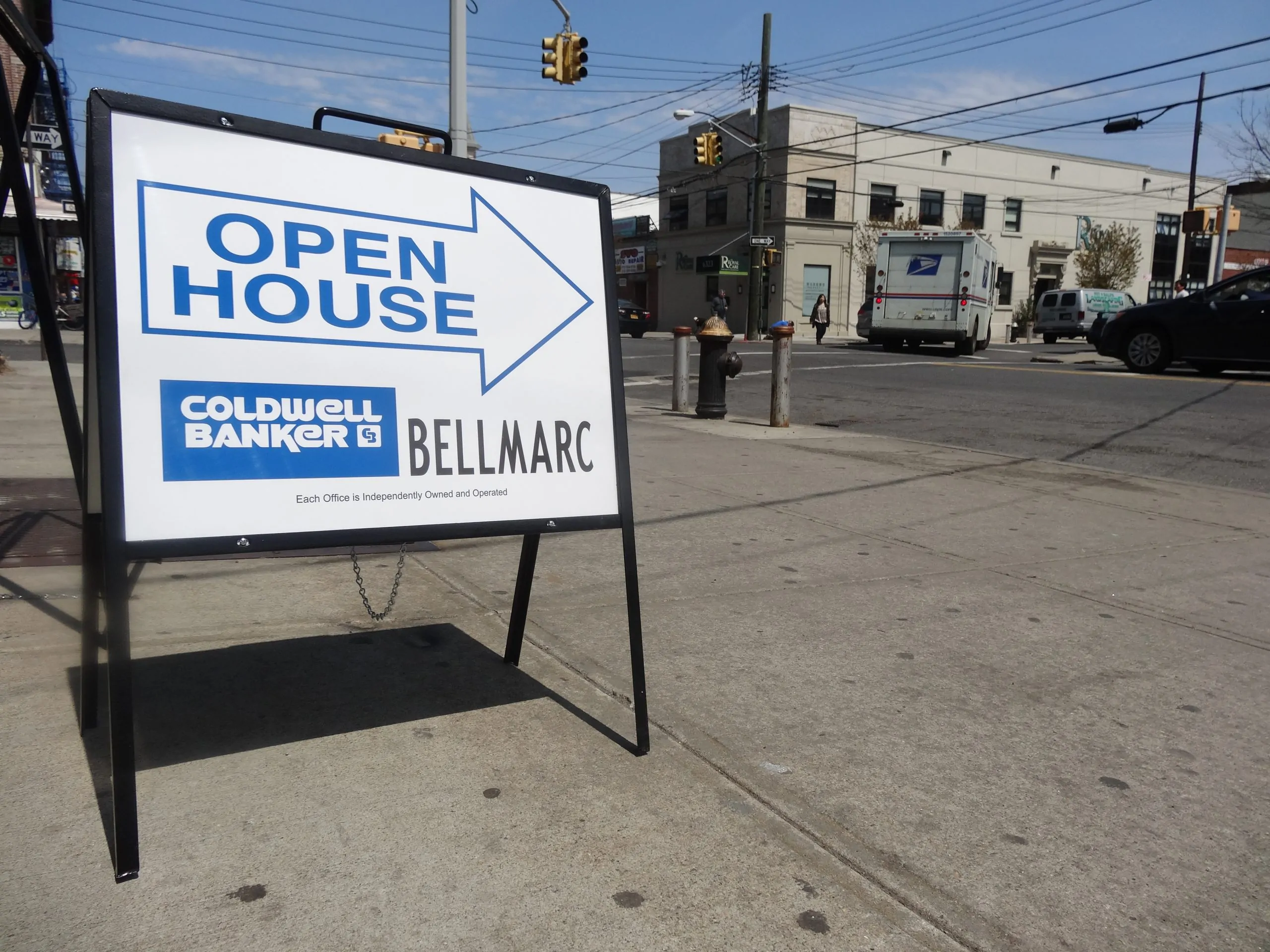
- Short-term directional or access changes
- Leasing, hiring, and project announcements
- Testing a message or location before a longer commitment
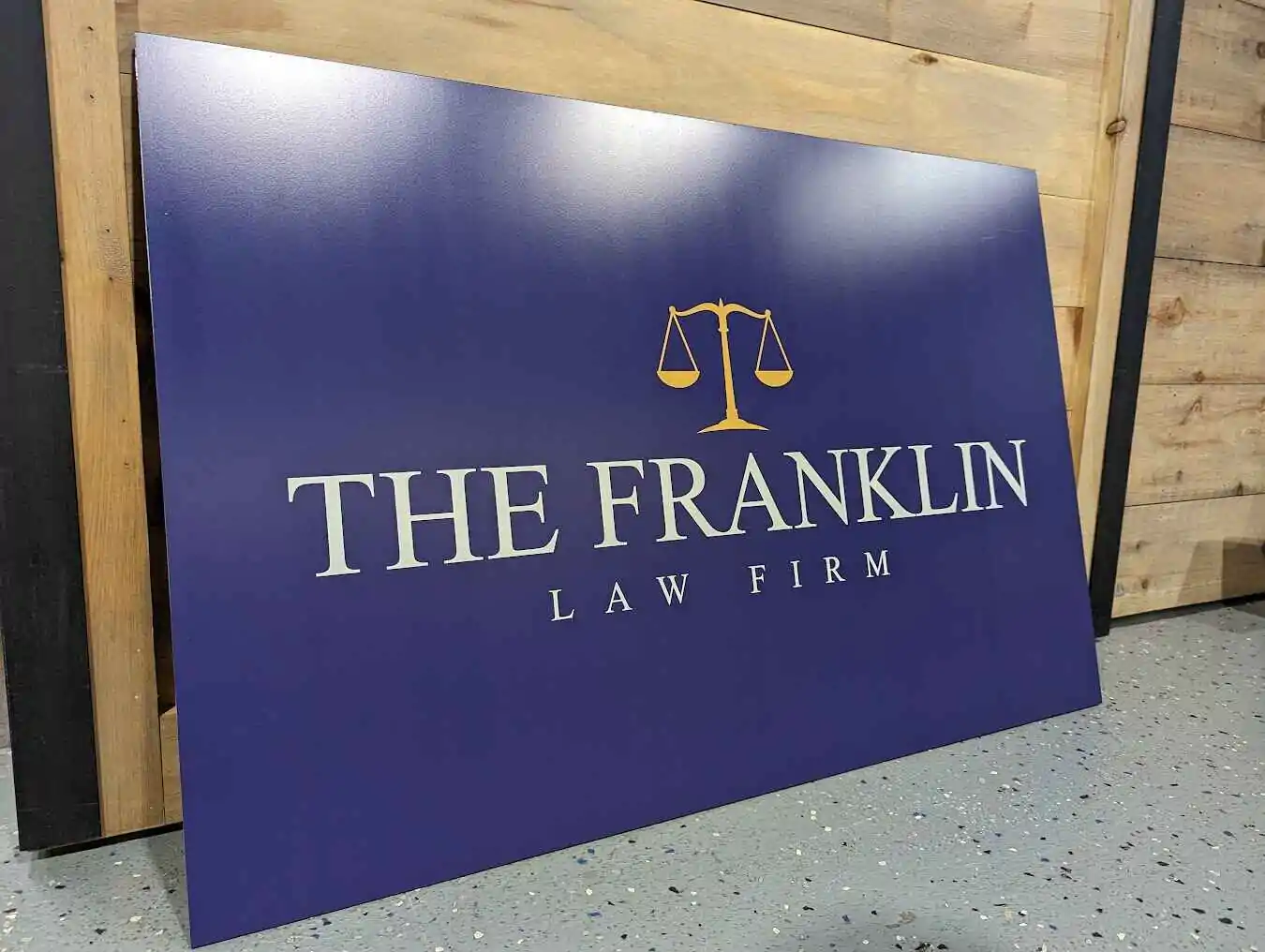
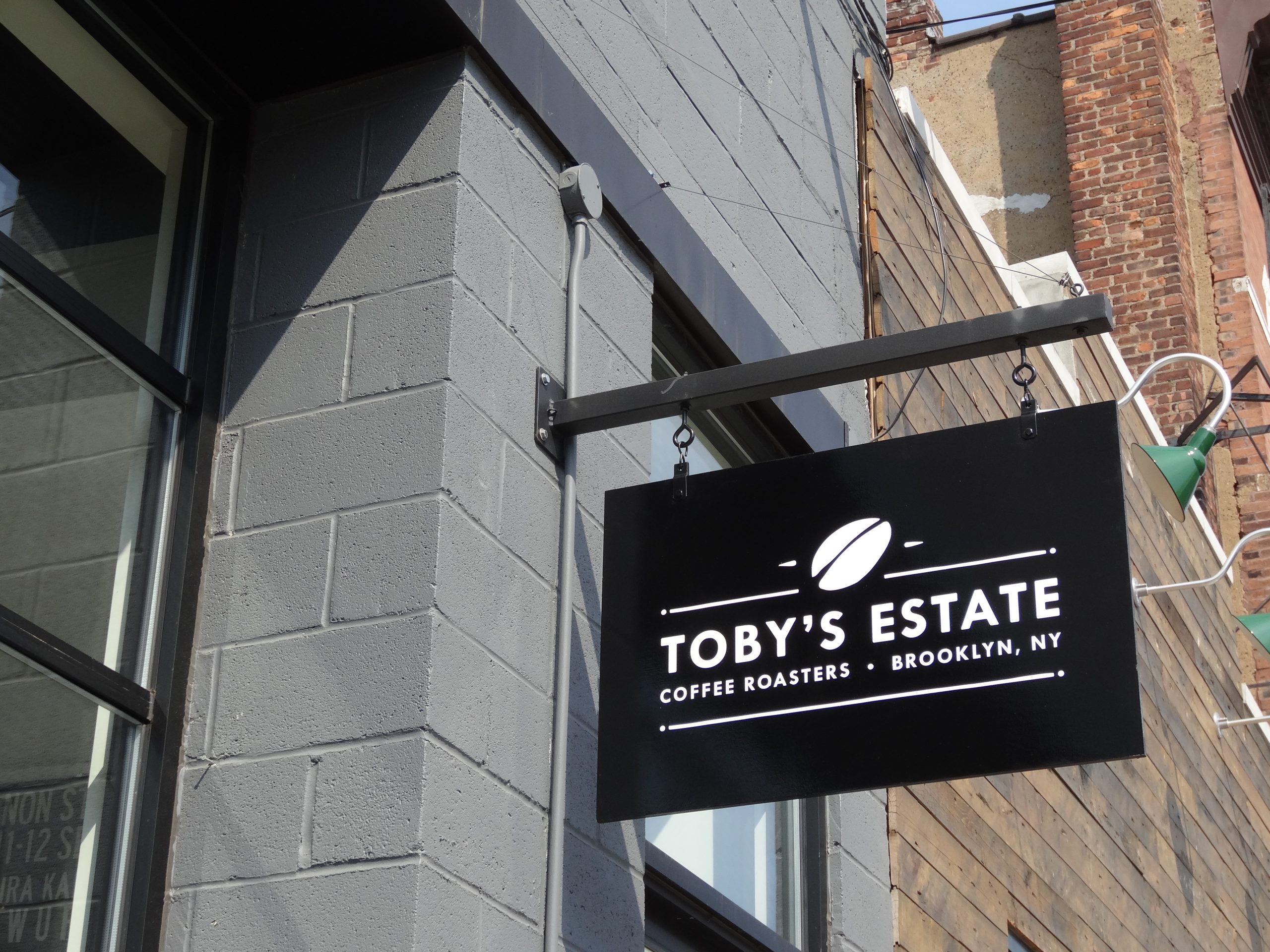
Permanent signs handle needs that are expected to remain stable: primary building identification, monument signs, directories, room identification, regulatory signs, and long-term wayfinding.
A business may need both at the same time. A permanent sign identifies the location while a temporary display communicates a current event. This distinction is especially important when preparing a signage plan for a new business.
Expected Lifespan Changes the Specification
A sign intended for brief indoor use faces different demands from one exposed to New Jersey sun, rain, wind, snow, temperature changes, and cleaning for many years.
Material, print method, laminate, edge treatment, hardware, structure, and installation method should match the expected environment. Spending for long-term durability on a one-day event sign may be unnecessary. Using a short-term material on a year-long exterior project may lead to repeated replacement and surface damage.
The intended removal also matters. A graphic installed for three months should be selected and applied with removal in mind. Adhesive behavior, surface condition, exposure, and time can affect how cleanly it comes off.
Temporary Does Not Mean Unplanned
Temporary signs often appear under deadline pressure, which makes planning more important.
A banner needs appropriate attachment points and wind consideration. An A-frame must not obstruct pedestrian movement. Window graphics should not cover necessary visibility or required information. Construction signs need to remain accurate as access routes change.
The message should also include an end point. Who removes the sign, and when? A temporary display that remains after an event can make current information harder to recognize and the property look neglected.
Assign an installation date, removal date, location, and responsible person before production.

Permanent Signs Require More Coordination
Permanent installations may involve landlord criteria, zoning review, construction permits, structural attachment, electrical work, inspections, access equipment, and coordination with other trades.
Business.NJ.gov notes that signs and sign structures may require municipal permits and that local processes can vary. Temporary signs can also be regulated by municipal ordinances or property rules; the word “temporary” does not automatically mean exempt.
Approval should be confirmed before fabrication. A landlord’s permission does not replace municipal requirements, and municipal approval does not override a lease or shopping-center sign program.
Cost Should Be Compared Over the Real Use Period
The lower initial price is not always the better value.
If a temporary sign must be replaced several times, the combined printing, installation, removal, and staff coordination may exceed the cost of a more suitable solution. Conversely, permanent fabrication may not make sense for a message expected to change next month.
Compare options using:
- Required service period
- Exposure and viewing conditions
- Installation and access costs
- Likelihood of information changes
- Removal and surface-restoration needs
- Consequence if the sign fails or appears worn
The importance of the message should influence the decision. Temporary primary identification during an opening delay deserves more attention than a one-day internal notice because customers depend on it to find the business.
A Transition Plan Prevents the Temporary Sign From Becoming Permanent
Businesses often install temporary identification while awaiting permits, construction, or permanent fabrication. The temporary sign then remains longer than expected.
A transition plan should identify what event triggers the replacement, whether the temporary location conflicts with the permanent installation, and how the old material will be removed. The permanent sign’s design should not be delayed by questions that could have been resolved during the temporary stage.
Temporary feedback can still be useful. If customers repeatedly miss the temporary sign, the issue may reveal a placement or approach problem worth considering before the permanent sign is finalized.
The Same Message May Need Several Phases
Some projects do not fit neatly into one temporary sign followed by one permanent sign.
A new business may begin with a construction sign, move to temporary opening identification, then install permanent exterior and interior signs. A property under renovation may need directional signs that change as entrances and pedestrian routes move. A rebrand may require temporary transition messages before every location is updated.
Plan the phases together. Use consistent names and brand cues, avoid placing temporary graphics where permanent work will require surface repair, and keep a record of removal dates. Each phase should solve the current need without creating unnecessary work for the next one.
Installation Method Is Part of the Decision
Temporary signs still face wind, weather, pedestrian traffic, and property damage risks. A banner tied to an unsuitable railing, a freestanding sign placed in a sight line, or a window graphic applied to an incompatible surface can create problems regardless of its short lifespan.
Permanent signs require their own structural and access planning. Wall condition, attachment, water management, power, service access, and installation equipment influence both cost and performance.
The method should be reviewed along with the sign face. Determine who may install it, whether the surface can be penetrated, how loads will be handled, and what condition must remain after removal.

Brand Quality Still Matters for Temporary Signs
Short-term does not mean disposable in the customer’s eyes.
A temporary opening banner may be the first physical expression of the business. Construction graphics can represent the company for months. Event displays may appear in photographs and social posts long after the event ends.
Use current artwork, correct colors, clear hierarchy, and an appropriate finish. The production method can be economical without appearing accidental. Wrinkles, improvised attachments, outdated logos, and overcrowded copy weaken the message before the permanent system has a chance to establish the brand.
At the same time, do not overbuild a temporary sign simply to imitate permanent fabrication. The best solution looks intentional for its context and timeframe.
Storage and Reuse Need Planning
Some temporary signs are intended for recurring events, seasonal campaigns, or trade shows. Reuse changes the value calculation.
Choose a format that can be transported, assembled, cleaned, and stored without damage. Avoid dating the core display if only a small message changes each year. Replaceable panels or graphics can extend the useful life while keeping information current.
Assign responsibility for inventory. A reusable display has little value if no one knows where the hardware, feet, cases, or current graphic panels were stored. Inspect it early enough before the next use to allow damaged parts to be replaced.
Use a Decision Framework Instead of a Material Shortcut
The words temporary and permanent do not specify one material. Start with a short brief for each sign.
First define the consequence of failure. If the sign identifies an open business while permanent fabrication is delayed, fading, detachment, or poor legibility can affect daily customer visits. It deserves a more dependable solution than an internal notice used for one meeting.
Next document the environment: indoor or outdoor, expected wind and weather, sun exposure, viewing distance, surface, access, pedestrian contact, and whether the sign will be moved. Then define the service period and whether dates are firm or likely to extend.
Finally consider the exit. Will the graphic be removed from glass, drywall, paint, a vehicle, or masonry? Must the surface be restored? Will the sign be stored and reused? Who owns removal?
These questions allow the fabricator to recommend an appropriate construction rather than treating “temporary” as a request for the least expensive material.

When Temporary Is the More Responsible Choice
Permanent fabrication is not always desirable. Information may still be under review, a tenant may have a short remaining lease, a route may change after construction, or a campaign may need to be tested before broader use.
A planned temporary system gives the business time to learn without committing uncertain information to costly fabrication. Modular frames, replaceable inserts, removable graphics, and reusable displays can create a professional result while preserving flexibility.
The key is honesty about lifespan. If a three-month solution is still expected to remain two years later, reevaluate it rather than repeatedly repairing a format that no longer suits the job.
Compare Formats by Use, Not by Label
A banner, rigid panel, window graphic, floor stand, changeable frame, and dimensional sign can all be temporary or long-term depending on construction and use. Product names alone do not determine suitability.
A banner may be appropriate for a short exterior event when it has suitable attachment and wind relief. A rigid panel can provide cleaner temporary identification but needs safe mounting and storage. Window graphics use otherwise available space but must be compatible with the glass, visibility needs, and planned removal. Portable stands offer flexibility while requiring stable placement and daily management.
For longer commitments, dimensional letters, cabinets, fabricated panels, and permanent frames can provide serviceability and architectural integration. Their higher coordination requirements make sense only when the message and location are sufficiently stable.
Ask the sign company to explain why the proposed format suits the lifespan, environment, installation surface, viewing condition, and removal plan. A useful recommendation connects those factors rather than simply calling one option temporary and another permanent.
Choose the Right Level of Commitment
The best signage is not automatically the most permanent. It is the solution suited to the message, location, timeframe, and risk.
Gogi Signs has produced temporary graphics and permanent sign systems for New Jersey businesses since 2005. A clear brief—what the sign must accomplish, where it will be used, how long it must last, and what happens afterward—usually makes the right category apparent.