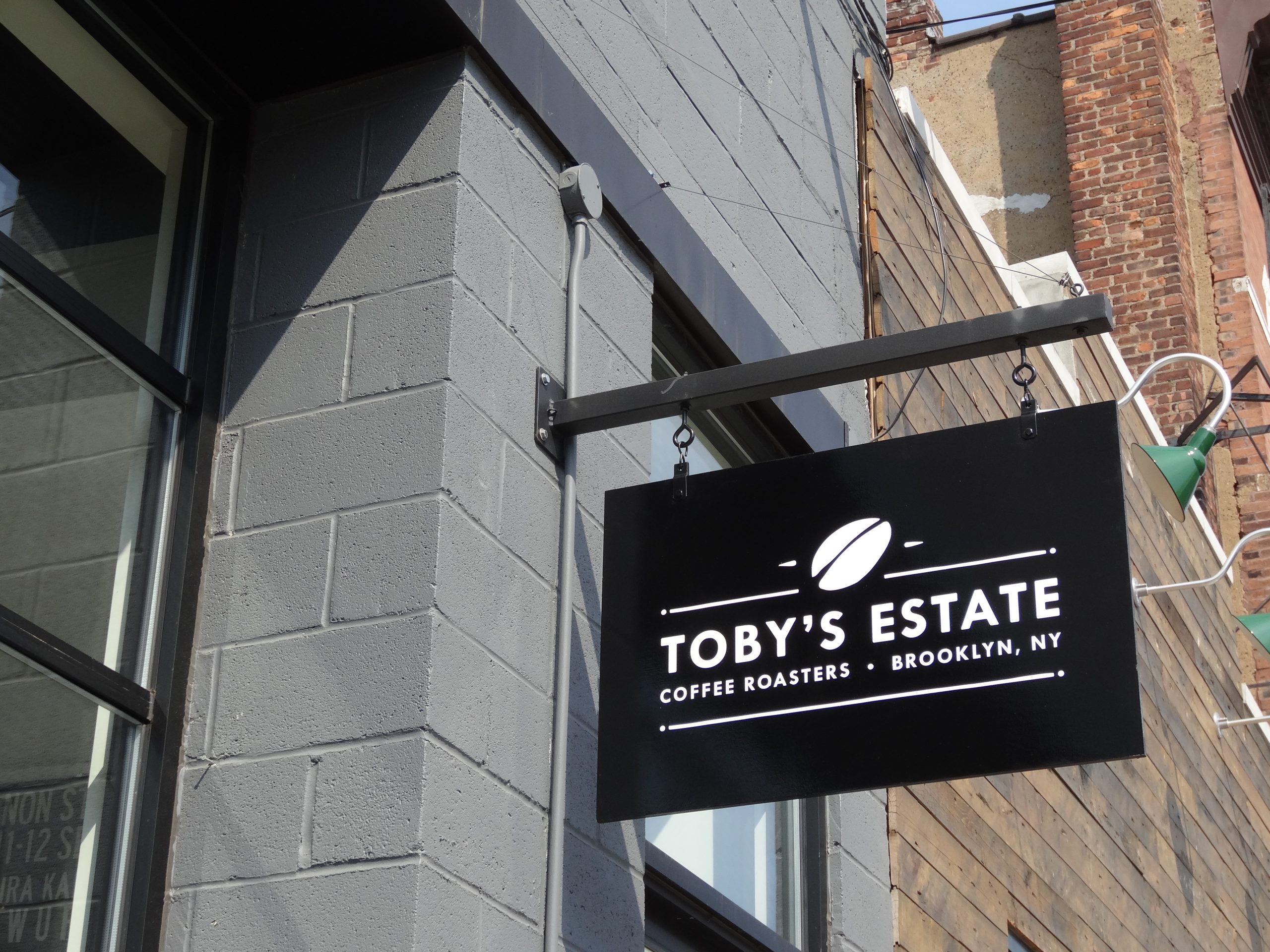
The sign itself is the line everyone remembers. Permits, power, installation and upkeep are the lines that decide whether the budget holds.
A commercial signage budget usually starts as a single number for “the sign” and grows from there. Then the permit needs sealed drawings, the wall needs a new circuit, the landlord wants a raceway, the old sign has to come down and the interior still needs room signs before inspection. None of those are surprises to a sign company, but they often are to the business paying for them.
Budgeting well is mostly about listing everything early. Once every line is on the page, it becomes clear which signs matter most, which can wait and where the money actually goes.
This guide sets out the line items that belong in a signage budget, a way to rank them, when the costs fall due and how to plan for the years after installation.
The Line Items in a Signage Budget
| Line item | What it covers | Often forgotten because |
|---|---|---|
| Design | Concepts, drawings, proofs and revisions | It is folded into a fabrication price |
| Engineering and drawings for permit | Sealed drawings or structural calculations where required | Only some towns and sign types need them |
| Permits and approvals | Zoning and construction permit fees, landlord review | Fees vary town to town |
| Fabrication | Building the signs in the shop | This is the line everyone sees |
| Electrical | New circuit, connection, disconnect, inspection | The building may not have power at the sign |
| Installation | Labour, lift or crane, protection, off hours work | Access is not visible in a photo |
| Removal | Taking down old signs, patching, repainting | It sits on the old tenant’s lease |
| Interior and code signs | Room signs, ADA signs, egress maps, directories | They are needed for inspection, not for marketing |
| Temporary signs | Coming soon and grand opening graphics | They are bought in a rush |
| Upkeep | Cleaning, inspection, repairs | It falls in later years |
Step 1: Map Every Sign the Location Needs
Walk the customer’s route from the road to the counter and list every point where a sign does a job: the main identification sign, any pylon or monument panel, entrance and door graphics, parking and directional signs, window graphics, interior wayfinding, room identification, safety and code signs, and vehicle graphics if the business has them.
Our guide to planning a complete business sign package walks through this list in detail. A complete list stops the budget from being spent on the storefront and leaving nothing for the signs the building inspector checks.
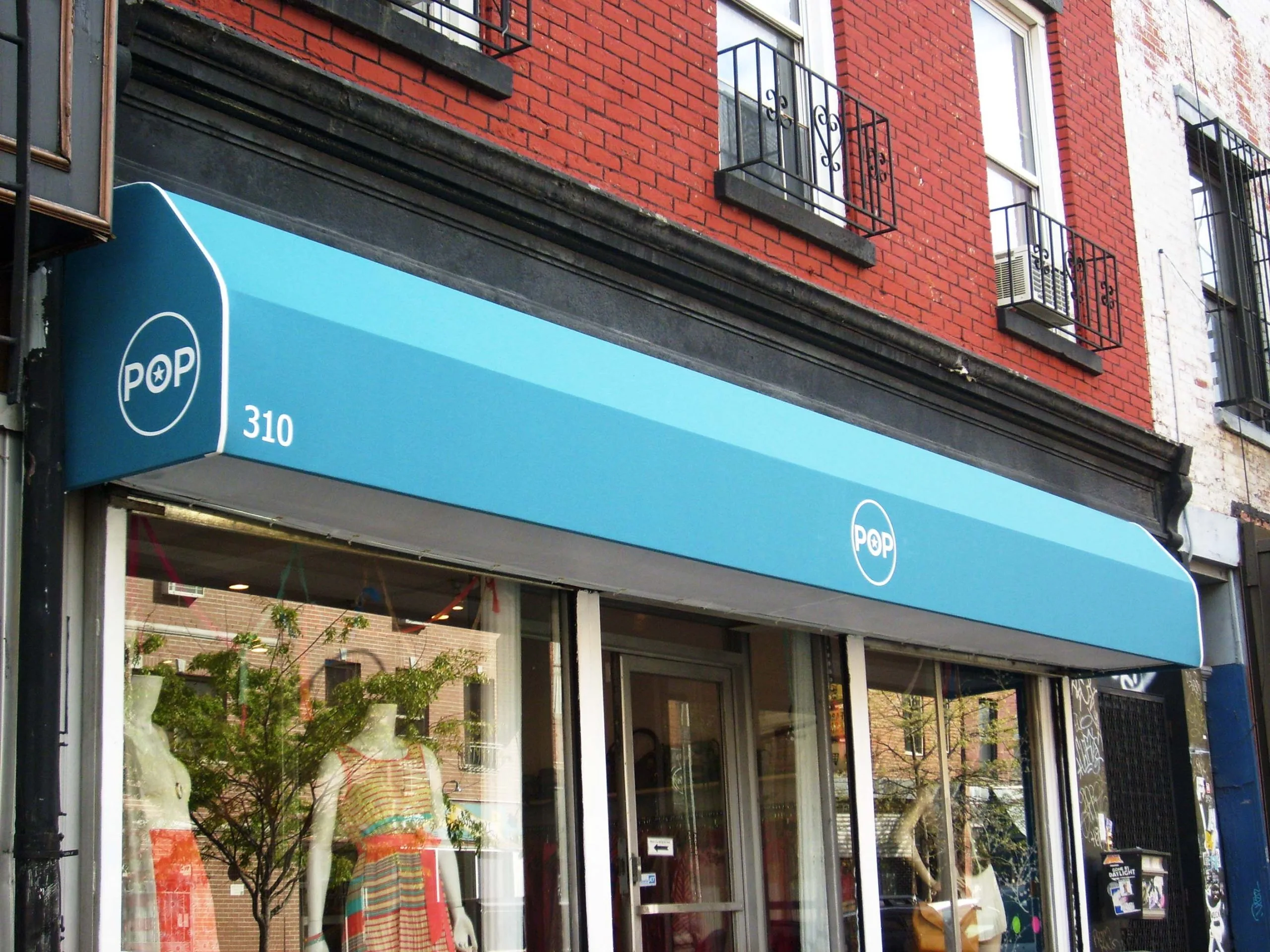
Step 2: Rank by What Each Sign Must Achieve
Not every sign carries equal weight. A simple ranking helps decide where to spend more and where a simpler version will do.
- Required signs: anything needed to open legally, such as accessible room signs, exit and egress signage, and any permit placards.
- Identification: the main sign customers use to find you, which is usually the best investment in the budget.
- Wayfinding: parking, entrances and interior directions, which reduce confusion and staff interruptions.
- Brand and marketing: lobby features, window graphics and vehicle wraps that sell rather than direct.
- Temporary: coming soon and grand opening signs that bridge the gap.
The ranking also shows what can be phased. A business can open with the required and identification signs in place, then add brand features once trading.
Step 3: Price the Soft Costs, Not Just the Sign
Soft costs are the lines that do not appear in a product photo. Permit fees are usually small, but the drawings behind them may need a licensed professional’s seal. Electrical work can be modest or substantial depending on whether a circuit exists at the sign location. Installation depends on height, access and the wall, and on a downtown Jersey City storefront sign or a Manhattan sign installation, getting a lift onto the sidewalk can add its own cost.
A professional site survey before the final budget is the cheapest way to turn these unknowns into firm numbers. Our guide on what affects the cost of commercial signs explains each driver.
Step 4: Add a Contingency
Even a well surveyed project meets surprises: a fascia that needs blocking behind it, a landlord comment that changes the colors, a town that asks for a revised drawing. A contingency held back for these items keeps a small change from becoming a budget crisis. If the contingency is not needed, it can fund the phased items from Step 2.
Step 5: Plan When the Money Is Spent
Sign projects are usually paid in stages rather than all at once. Many sign companies take a deposit to start design or fabrication and the balance on installation, and permit fees are paid when the application is filed. Lining these up against the opening date avoids a cash flow pinch in the weeks before launch.
For a new business, the U.S. Small Business Administration’s guide to startup costs is a useful place to see signage alongside the other one time expenses of opening.

Step 6: Budget for the Years After Installation
The lowest purchase price is not always the lowest total cost. A sign that lasts longer, costs less to run and is easy to update often costs less over the life of the business.
- Upkeep: cleaning, inspection and occasional repairs, particularly for illuminated signs.
- Energy: LED lighting uses far less power than older neon or fluorescent systems, which matters for signs lit every night.
- Updates: a light box cabinet with a replaceable face or a directory with changeable strips is cheaper to update than a sign that must be rebuilt.
- Depreciation: signs are business assets, and how they are written off is a question for your accountant. IRS Publication 946 explains how business property is depreciated.
Our guide to sign warranties and maintenance plans covers what ongoing care typically includes.

A Simple Budget Process
- List every sign: follow the customer’s route from the road to the counter.
- Rank the list: required, identification, wayfinding, brand, temporary.
- Survey the site: confirm dimensions, wall, power and access.
- Price the soft costs: drawings, permits, electrical, installation and removal.
- Hold a contingency: for the changes every project meets.
- Schedule the spend: deposits, fees and final payments against the opening date.
Common Questions About Budgeting for Signage
How much should a business budget for signs?
It depends on the building, the town and the sign types, so there is no reliable percentage. The best approach is to list every sign the location needs, get a survey based quote and rank the items so the budget covers the required and identification signs first.
What costs are most often left out of a sign budget?
Permits and permit drawings, electrical work, removal of the old sign, and interior code signs such as accessible room signs and egress maps. They are rarely large on their own, but together they can change the total noticeably.
Can signs be phased to spread the cost?
Yes. Many businesses open with the required signs and the main identification sign, then add lobby features, window graphics or vehicle wraps once trading. Designing the full set at the start keeps later phases consistent.
Is it worth paying more for an illuminated sign?
If customers find you after dark, or the street is busy in the evening, usually yes. If the business closes before dusk, a well lit non illuminated sign may be the better use of the budget.
When are sign costs usually paid?
In stages. A deposit often starts design or fabrication, permit fees are paid at filing and the balance is due on installation. Ask for the payment schedule with the quote.
How do I budget for future rebrands?
Choose formats that are easy to update, such as cabinets with replaceable faces and directories with changeable inserts. Our guide on rebranding without replacing every sign shows where that saves the most.
Build Your Signage Budget With Us
Gogi Signs prices complete sign packages for businesses across New Jersey and New York City, with every line item shown separately, from drawings and permits to installation, removal and the interior signs inspectors check.
Request a free quote with your plans and opening date, and we will help you rank what to build first and what can wait.