The visible face is one line on the invoice. Survey, permits, power and installation make up the rest of a business sign cost.
There is no useful single answer to business sign cost. A set of door hours, a dimensional lobby logo, illuminated channel letters and a freestanding monument are different projects with different design, material, approval, electrical, structural and installation needs. Location matters too, because a Manhattan storefront sign and a Bergen County strip center sign face different permits, access and installation conditions.
A reliable budget begins by defining the sign’s job and the conditions at the property. The quote can then separate fabrication from the work required to make the sign legal, installable and serviceable.
This guide explains why prices vary so widely, what each part of the cost covers, how to compare quotes and how to build a budget you can rely on.
Why Sign Prices Vary So Widely
The visible face is only part of the project. Cost may include site surveys, artwork, engineering, landlord review, permits, materials, illumination, electrical work, removal, surface repair, equipment, installation, inspection and closeout.
Two signs with the same dimensions can differ because one mounts at ground level on a prepared wall and the other requires a lift, traffic control, concealed wiring and masonry attachment.
| Cost driver | What it adds | Question to ask |
|---|---|---|
| Sign type and construction | Components, fabrication hours, finishes | What exactly is being built? |
| Dimensions and letter count | Material, structure, handling | Is the size set by the viewing distance? |
| Material and finish | Durability, appearance, upkeep | How long will it last outdoors? |
| Illumination | LEDs, power supplies, wiring, inspection | Who provides power to the sign? |
| Mounting and structure | Fixings, blocking, foundations | What is the wall or ground made of? |
| Height and access | Lifts, cranes, protection, off hours work | How will the crew reach it? |
| Removal and restoration | Take down, patching, repainting | Is the old sign included? |
| Permits and approvals | Drawings, fees, revisions, landlord review | Who files and what is included? |
Our companion guide on what affects the cost of commercial signs explains each driver in more detail.
What Each Part of the Cost Covers
Sign Type Sets the Basic Scope
Flat panels and applied graphics generally involve fewer components than fabricated dimensional or illuminated signs. Monument signs add foundations, structure, site work and possibly utilities. Electronic displays add specialized equipment, controls, configuration and approval considerations.
Interior signs may avoid weather and access costs but can require precise finishes, custom mounting, tactile features or coordination across a large room system. Ask for the proposed construction, not only the product name. “Lobby sign” or “building sign” does not explain thickness, material, finish, mounting, lighting or installation.
Size Affects More Than Material
Larger signs use more material, but size can also change structural requirements, fabrication method, shipping, handling, equipment and crew size. Long names increase the number of fabricated letters and electrical components. A larger cabinet may need seams or internal support, and a tall installation may require specialized access.
Do not reduce critical letter size merely to lower cost. A less expensive sign that customers cannot read does not provide better value. Simplifying secondary copy or choosing a more suitable sign type usually protects performance more effectively. Our guide on choosing the right size for your business sign explains how to set it.
Materials Should Match the Intended Lifespan
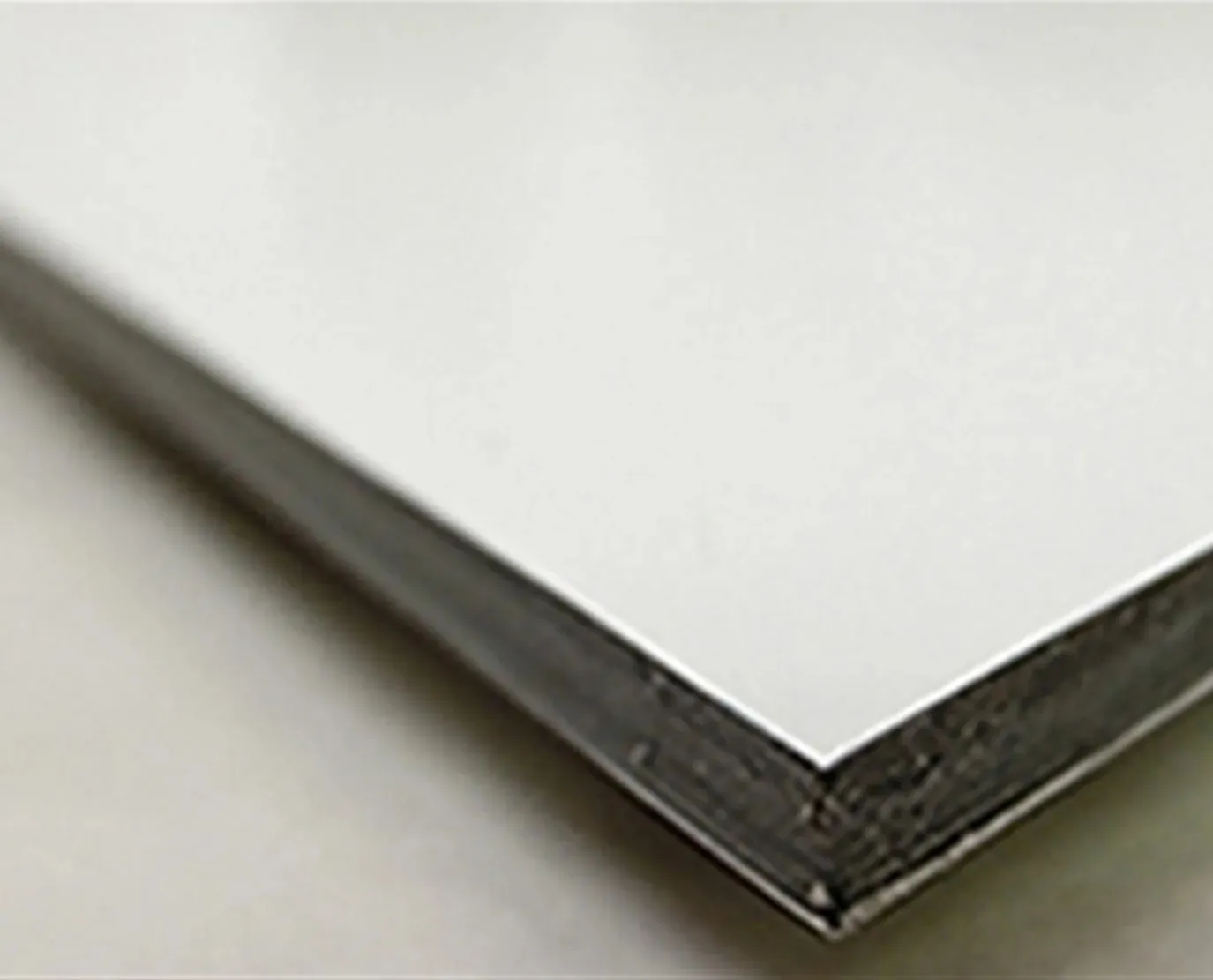
Material decisions affect appearance, durability, maintenance and removal. An indoor short term graphic does not need the same construction as permanent exterior identification. Exterior exposure, coastal air, sun orientation, moisture, temperature change, cleaning and vandalism risk all influence the specification.
Compare options by expected service period and maintenance, not initial price alone. A cheaper face that needs early replacement may cost more once removal, access and installation are repeated. Our guide to the best outdoor sign materials compares the common options.
Illumination Adds Several Scopes
An illuminated sign may require certified construction, power supplies, wiring, disconnects, branch circuits, access, permits, installation and inspection. Confirm whether the quote includes the sign’s internal electrical components, field wiring, power to the location, final connection, timers or controls and the required inspection. Those responsibilities may be divided between the sign company, electrician, landlord and general contractor.
UL Solutions identifies UL 48 as the standard covering electric signs and describes certification programs for custom sign types. See our channel letter signs page for lighting options.
Permits and Approvals Affect Budget and Time
Municipal and property requirements vary. Applications may require drawings, landlord authorization, fees, electrical documents, structural information or revisions. In New Jersey, local zoning rules regulate signage and signs or sign structures may require municipal permits, and Business.NJ.gov recommends checking with the relevant municipal departments.
Ask whether permit research, application preparation, fees, revisions, variance work and inspections are included. A permit allowance is different from a fixed fee when requirements are not yet known. See our Sign Permits page for how filing is handled.
Installation Conditions Can Change the Price
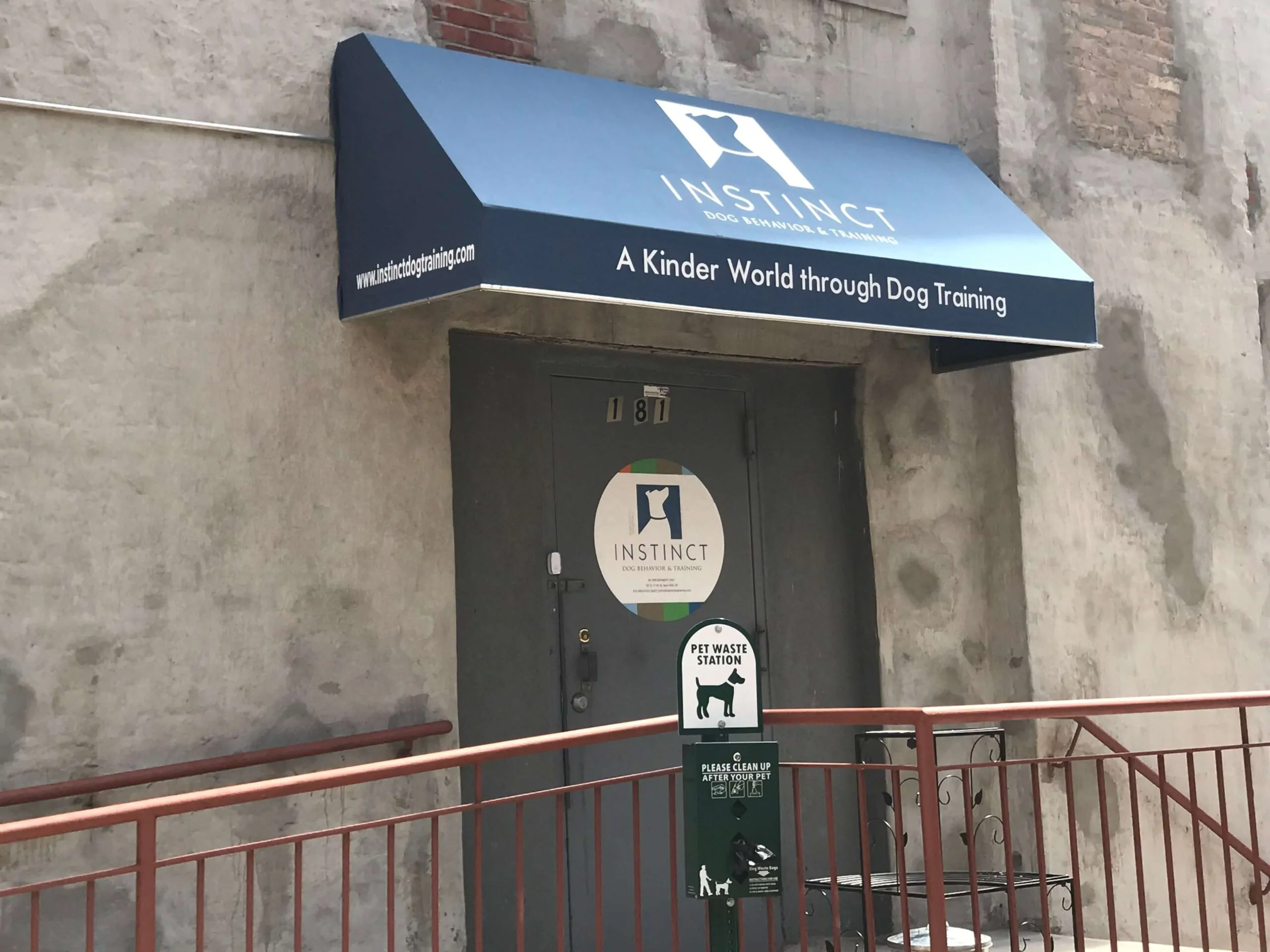
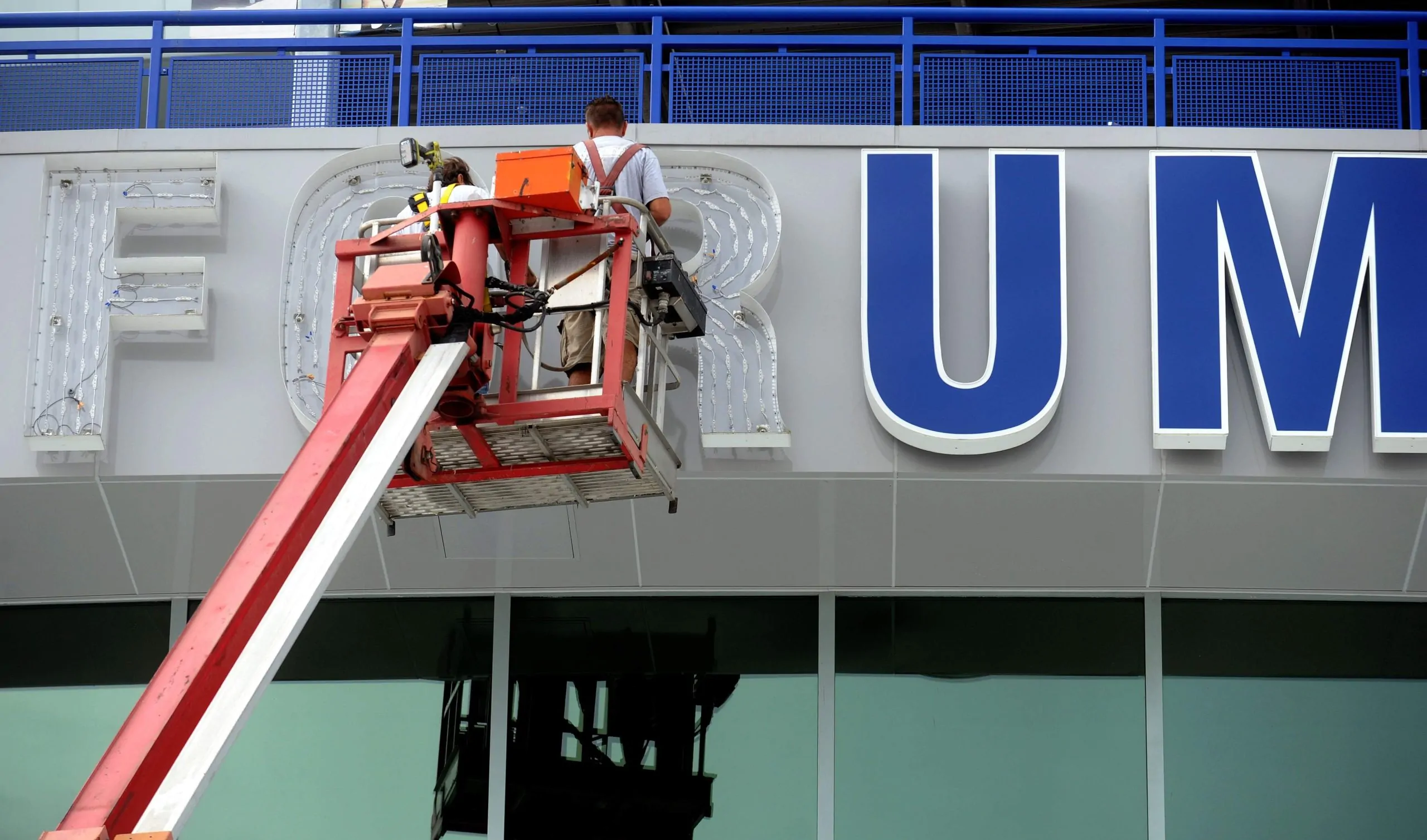
A site survey should confirm wall type, mounting, access, obstructions, power and removal conditions. Installation may require lifts, cranes, scaffolding, lane or sidewalk control, after hours work, escorts, union labor, roof access or coordination with other contractors. Interior work may require protection of finished spaces and scheduling outside business hours.
If access has not been surveyed, the proposal should state its assumptions. Unexpected field conditions are a common source of change orders.
Removal and Repair Are Separate Decisions
Removing an old sign can expose holes, faded paint, adhesive, corrosion, water intrusion or damaged cladding. Clarify whether the quote includes removal, disposal, patching, painting, electrical termination and restoration. Some surface conditions cannot be confirmed until the old sign comes down, so a contingency may be appropriate.
Lease obligations can require the tenant to remove signs and restore the facade at the end of occupancy, and that future cost should influence the original mounting and material decision. Our guide on who removes old business signs covers what a proper removal includes.
How to Compare Business Sign Quotes
Put proposals on a common scope. Compare:
- Exact dimensions, materials, thicknesses, finishes and colors
- Illumination method and components
- Design and revision allowance
- Surveys, engineering, permits and fees
- Electrical responsibilities
- Removal and surface repair
- Equipment, installation and access assumptions
- Warranty coverage and exclusions
- Schedule, payment terms and change order process
The lowest total may omit work another company included. Our guide to understanding business sign quotes provides a detailed comparison method.
Example: Two Storefront Quotes
Suppose one proposal includes illuminated letters, a field survey, permit drawings, installation equipment and the final electrical connection. Another lists “channel letters installed” at a lower total but excludes the circuit, permit fees, landlord revisions, wall repair and inspection return visits.
The second number is not necessarily wrong, it is incomplete for comparison. Add an owner and a working allowance to every omitted responsibility. Only then can the buyer compare construction, risk, schedule and total installed cost.
Example: Reusing an Existing Cabinet
Refacing an existing cabinet can save money when its structure, location, size, electrical condition and approval remain suitable. A survey may instead uncover failed lighting, water entry, brittle retainers, corrosion or a sign area that no longer fits current rules.
Budget a condition review before assuming reuse. If the cabinet is sound, document which original parts remain and which new work warranties apply. Early discovery costs less than designing a face around a structure that cannot support it.
Build a Budget Before Requesting Final Pricing
- Separate the needs: essential identification, required signs, operational wayfinding, temporary needs and decorative upgrades.
- Provide accurate inputs: artwork, photographs, dimensions, landlord criteria, desired timing and site access information. Better inputs reduce allowances and make proposals easier to compare.
- Protect what matters: primary identification, readable copy, safe attachments, required accessibility, weather resistance and service access.
- Phase what can wait: secondary decorative layers, noncritical signs and feature treatments.
- Hold a contingency: for uncertain removal or site conditions.
- Ask for a range first: then a fixed price once the survey, design, access, permit path and responsibilities are settled.
Ask each proposed reduction to state its consequence. Removing a tagline may improve readability and lower cost. Reducing letter height may make the sign fail from the road. Choosing a serviceable standard finish may be sensible, while hiding power supplies in an inaccessible location creates future expense.
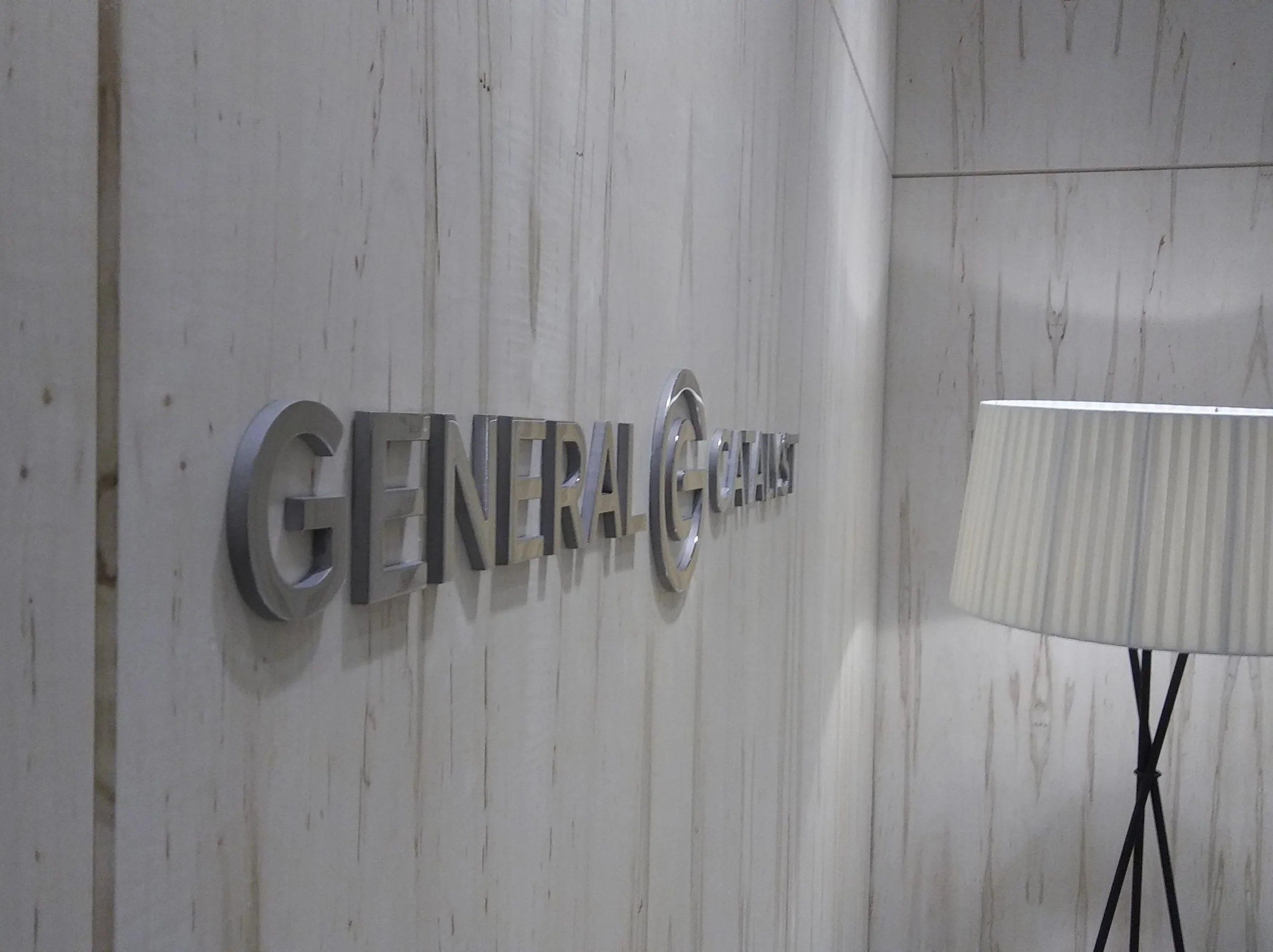
The useful answer to “how much does a business sign cost?” is a documented project scope, not a universal number. Build a realistic allowance with our guide to commercial signage budgeting, then compare vendor scope line by line.
Common Questions About Business Sign Cost
Why won't a sign company give me a price over the phone?
Because the same words describe very different projects. “Channel letters” says nothing about letter height, depth, lighting method, mounting surface, or whether a lift and a permit are needed. A number given before any of that is known is a guess that both sides will have to renegotiate later.
What is usually missing from the cheapest quote?
Most often the electrical circuit, permit fees and revisions, removal of the old sign, repair of the wall underneath and the return visit for inspection. The fabrication line can be accurate while the installed cost is incomplete. Put every proposal on the same scope before comparing totals.
Is refacing an existing cabinet cheaper than a new sign?
It can be, when the cabinet’s structure, size, location and electrical condition are still sound and the sign area still meets current rules. It stops being cheaper if a survey finds failed lighting, water entry, brittle retainers or corrosion. Budget a condition review before assuming reuse.
Should I make the sign smaller to save money?
Not if it costs you readability. Reducing letter height can push a sign below the size it needs to be read from the road, which defeats the purpose of buying it. Trimming secondary copy, or changing to a sign type better suited to the site, usually saves money without that trade off.
When can a sign company commit to a fixed price?
After the site survey, the design direction, the construction method, the access plan, the permit path and the split of electrical responsibility are all settled. Before that, an honest answer is a range with its assumptions written down.
Pricing a Sign in New Jersey or New York?
Gogi Signs has fabricated and installed commercial signage from our own shop in Linden since 2005, and we prepare the permit drawings ourselves. If you want a number you can budget against, we will survey the site first and itemise the quote so you can see exactly what is and is not included.
Request a free quote with photos of the building, or browse the sign project gallery for signs like the one you are planning.