Inside the store, signs do the selling a salesperson would do if there were one in every aisle.
Retail signage increases sales when it answers a shopper’s question at the moment they are asking it. Is this store for me, where is the thing I came for, is it on sale, and what else goes with it. A sign that answers none of those is decoration, however good it looks.
The exterior sign gets people through the door, and our guide to retail storefront signs covers that part. This guide is about what happens after the door opens, where most of the buying decisions are actually made, whether the store needs Elizabeth retail signs for a mall unit, Montclair storefront signs for a downtown block or Toms River business signs on a highway.
Below are the six places inside a store where signs earn their cost, what each one should say, and the New Jersey pricing rules that apply to shelf signs.
Where Retail Signage Sells
The Front Window
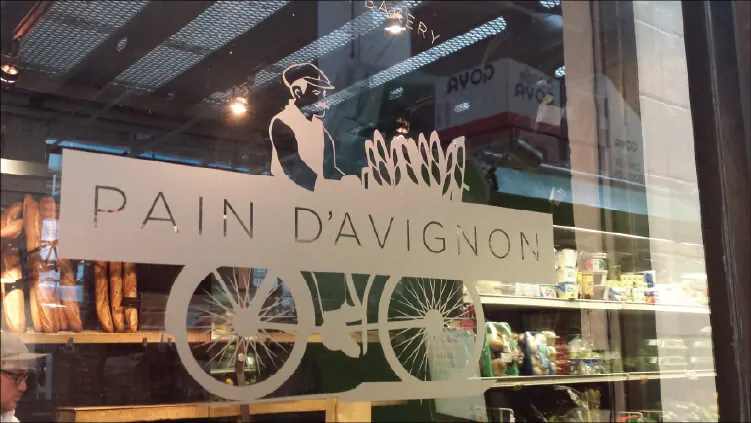
The window is the one sign that works on people who have not decided to come in yet. A window that shows what is inside, the current offer, and the hours does more than a window covered edge to edge in graphics, because shoppers like to see into a store before they commit to it.
Keep promotional window graphics to the lower half or a band at eye level, and leave clear glass above. Many towns also cap how much of a window can be covered, often at a quarter to half of the glass, so check the local rule before printing. See our retail window decals page for cut vinyl and printed options.
The Entrance Zone
The first few steps inside the door are a transition space. Shoppers are adjusting to the light and the layout, and most signs placed right at the entrance are walked past without being read.
Use this space for one simple orientation sign or a single feature display a few steps in, not for detailed offers. The detailed message works better once the shopper has slowed down.
Category and Department Signs
Category signs save the shopper from having to ask. Hung or wall mounted signs that name each section, readable from the entrance, let people head straight for what they came for, and a shopper who finds the item quickly has time left to browse.
Name sections the way customers talk, not the way the stock system does. “Phone Cases” beats “Mobile Accessories” for most stores. Our Wayfinding Signs page covers hanging and wall mounted options.
Promotional Signs
Promotional signs work when they are specific and few. A sign that says what the offer is, what it applies to and when it ends sells better than a wall of competing “SALE” posters, which shoppers learn to ignore within a visit or two.
Rotate promotions on a schedule and take expired ones down the day they end. Printed posters in reusable frames, tabletop signs and vinyl banners for seasonal events all make that easy. See our Poster Printing page for short run sizes and stock options.

Shelf and Price Signs
Price signs are where trust is won or lost. A shelf price that does not match the register is the fastest way to lose a customer, and in New Jersey it can also be a legal problem.
The state’s Unit Price Disclosure Act requires stores above a set size to show unit prices for consumer commodities. Under the regulations, a store is covered if its sales floor for those goods exceeds 4,000 square feet or its annual gross receipts from them exceeded $2 million, and the default is a shelf label or tag directly at the product. A separate unit price sign is only allowed where labels are impractical, and the sign format needs approval from the Division of Consumer Affairs. The rule is enforced: in June 2024 the Division of Consumer Affairs announced a $1.64 million settlement with a national retailer over unit pricing practices across 64 New Jersey stores.
The Checkout
The checkout is the last decision point and the place shoppers wait. Small signs here sell low cost, add on items and explain loyalty programs, returns policy and payment options. Clear checkout signs also cut down the questions staff have to answer during the busiest minutes of the day.
Writing Signs People Actually Read
Most in store signs are read in two or three seconds while walking. That leaves room for a few words, not a paragraph.
- One message per sign: a sign that tries to say three things usually says none of them.
- Lead with the benefit or the price: “Two for $10” is read faster than the product description.
- Size for distance: a hanging category sign seen from across the store needs far larger letters than a shelf talker. Our guide to sign letter height for viewing distance explains how to work it out.
- Use contrast, not decoration: dark text on a light field reads best under store lighting. See how color impacts sign visibility.
Keep It Consistent With the Brand
Shoppers judge a store by whether its signs look like they belong together. The same typeface, colors and logo treatment on the window, the category signs and the price tags makes even a small store feel organized and trustworthy, and a patchwork of fonts makes it feel the opposite.
A short sign standard that lists the fonts, colors and sizes for each sign type keeps new signs in line when the team changes. Our guide on how consistent signage builds customer trust covers what to include.
Measure What the Signs Are Doing
Signs are easier to evaluate than most marketing because the results show up at the register. When a new promotional sign goes up, compare sales of the featured item for a few weeks before and after. When category signs change, ask staff whether “where is” questions drop.
Keep what works and replace what does not. A sign that has not been changed in a year has usually stopped being noticed by regular customers.
Common Questions About Retail Signage
Does in store signage really increase sales?
In most stores, yes, when it answers a real shopper question. Signs that help people find products faster, understand an offer or see a related item tend to lift sales of what they point to, while generic decorative signs rarely move anything.
What is the most important sign inside a retail store?
Usually the price sign, because it has to be right. After that, category signs that let shoppers find what they came for without asking do the most work in larger stores.
How often should promotional signs change?
As often as the promotions change, and at least seasonally. Regular customers stop noticing a sign within a few visits, and an expired offer still on display damages trust.
Do New Jersey stores have to show unit prices?
Stores above the size or revenue thresholds in the Unit Price Disclosure Act do, for consumer commodities. Smaller single stores with annual commodity sales of $2 million or less are generally exempt. Check the current regulations with the Division of Consumer Affairs if the store is near the threshold.
How much window space should graphics cover?
Usually less than owners expect. Keeping clear glass at eye level lets shoppers see in, and many towns limit coverage to a set percentage of each window, so check the local sign rules first.
What materials work best for in store signs?
It depends on how long the sign will stay up. Printed posters and foam board suit short promotions, while category and wayfinding signs that stay for years are better made in acrylic, aluminum or PVC.
Plan Your In Store Signage
Gogi Signs designs, prints and installs retail signage across New Jersey and New York City, from window graphics and category signs to promotional posters and floor graphics.
Browse our sign gallery to see retail projects we have installed, then request a free quote and we will help plan signs for each part of the store.