A store can look renovated with new graphics long before it needs new walls.
Retail store graphics change how a store feels faster, and for less money, than almost any building work. New wall graphics, floor decals, window film and refreshed signs can make a tired store look current without closing for weeks or moving a single fixture.
The trick is to plan a retail store refresh as one project instead of a string of separate purchases. Graphics bought one at a time tend to clash, while a planned set looks like a deliberate redesign. This guide walks through the surfaces worth upgrading and the order that gets the most from the budget, whether you run a downtown boutique in Westfield or a bigger shop on a highway strip.
In this guide
Start With an Honest Walk Through
Before you choose anything, walk the store the way a first time customer would, from the sidewalk to the checkout. Note what you see first, where you hesitate, what looks worn, and which walls say nothing at all.
Most stores find the same few problems: a faded or cluttered window, a blank back wall, sections that are hard to find, and a mix of old sign styles from different years. Those are the places where graphics pay off. For how signs actually move product once shoppers are inside, see our guide on how retail signage increases sales.
The Surfaces Worth Upgrading
Wall Graphics
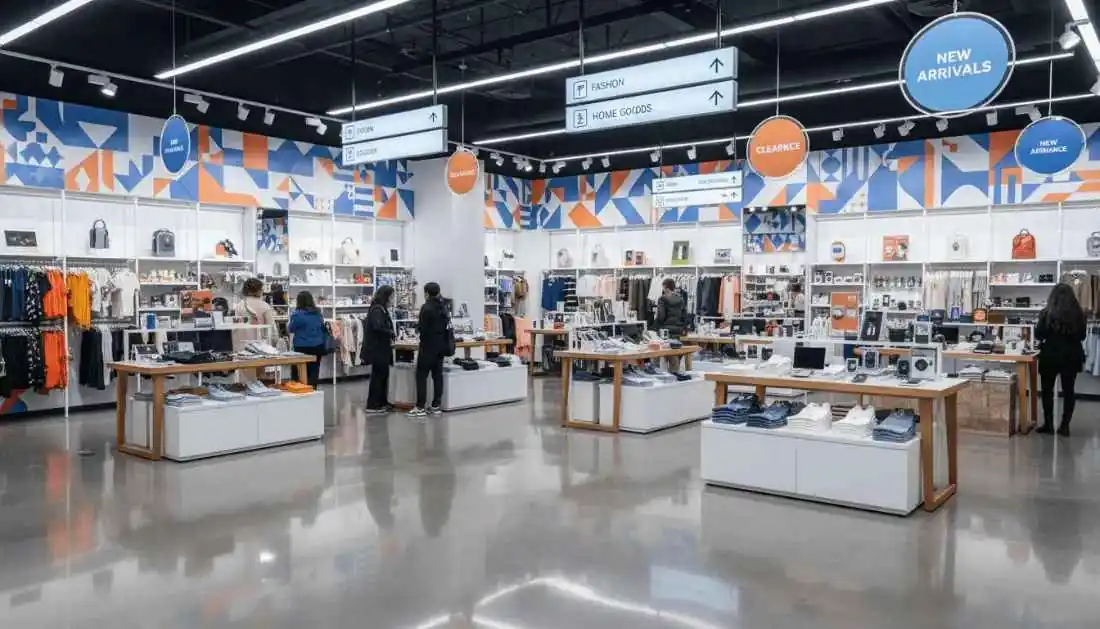
A large printed wall graphic is the fastest way to change the character of a store. A back wall with a brand image or a bold pattern pulls shoppers deeper into the space, which is exactly where most stores want them.
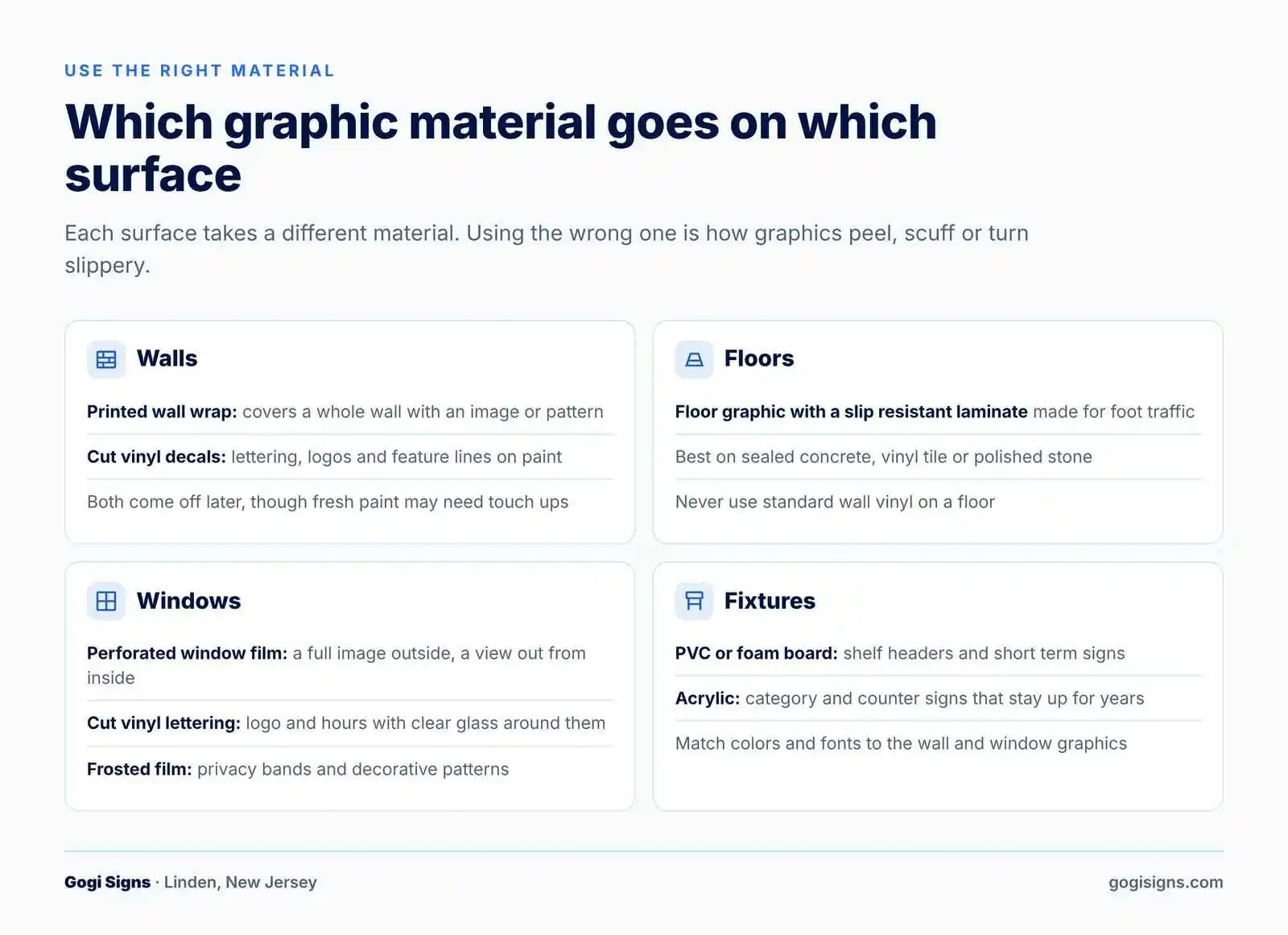
Printed wall wraps cover a whole wall, while cut vinyl wall decals add lettering, logos or a feature line to a painted wall. Both can come off later. See our wall wraps page for printed options and our wall decals page for lettering.

Floor Graphics
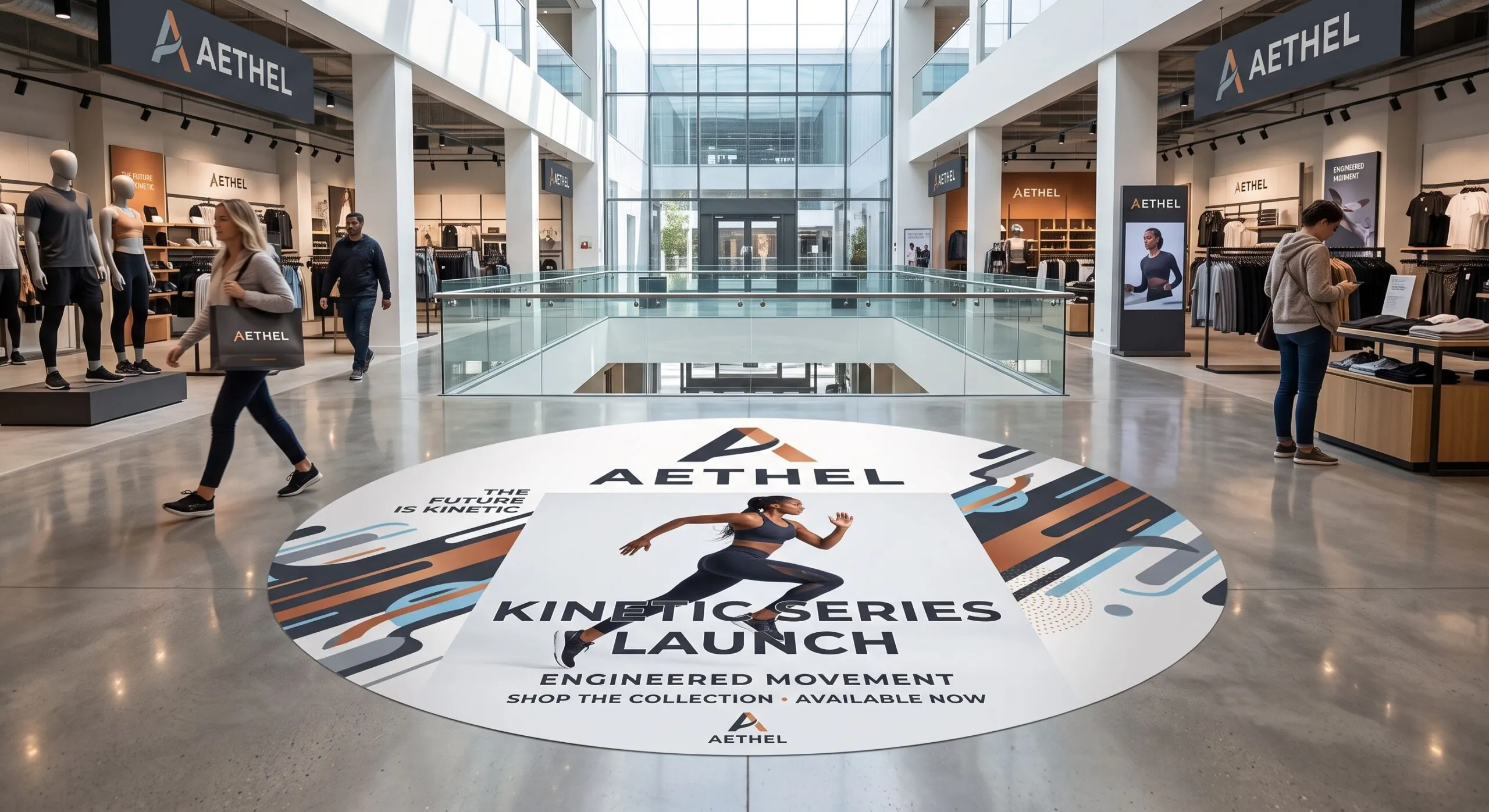
Floor graphics guide shoppers and mark feature areas. An entrance mat graphic, a path toward a promotion or a branded circle in front of a display all use space that’s otherwise blank.
They need a textured, slip resistant laminate and a floor that suits them, such as sealed concrete, vinyl tile or polished stone. See our floor decals page for indoor and outdoor floor materials.
Window Graphics
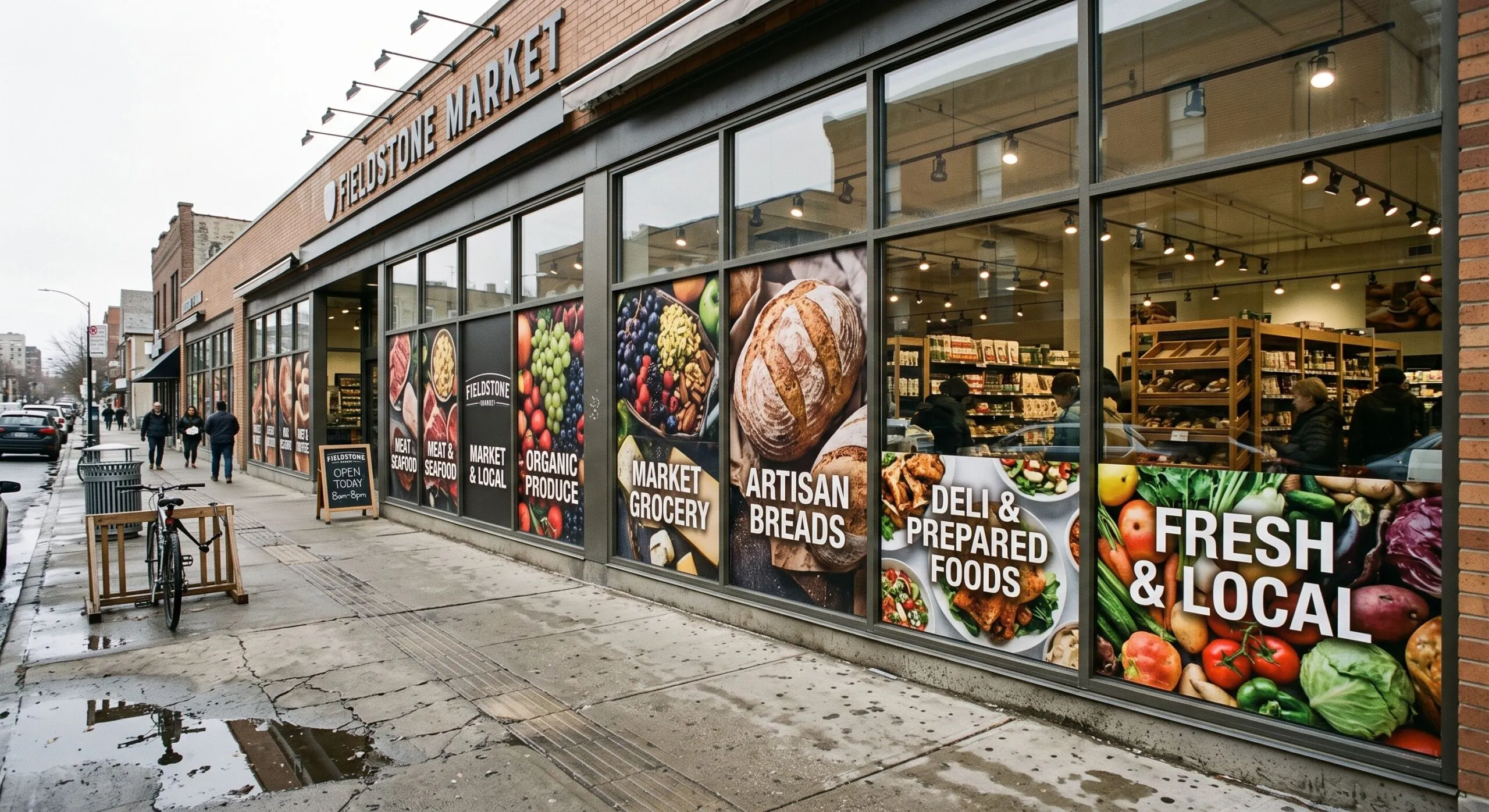
The window is the store’s first impression from the street. A refresh usually means removing old, faded stickers and replacing them with one coordinated set: the logo, the hours, a short line on what you sell, and a promotion area that can change.
Leave clear glass at eye level so people can see inside, or use perforated film where you want a full image. Many New Jersey towns also limit how much of a window signs can cover, so check before you cover more. Our guide to window decals for business covers the options.
Fixtures and Displays
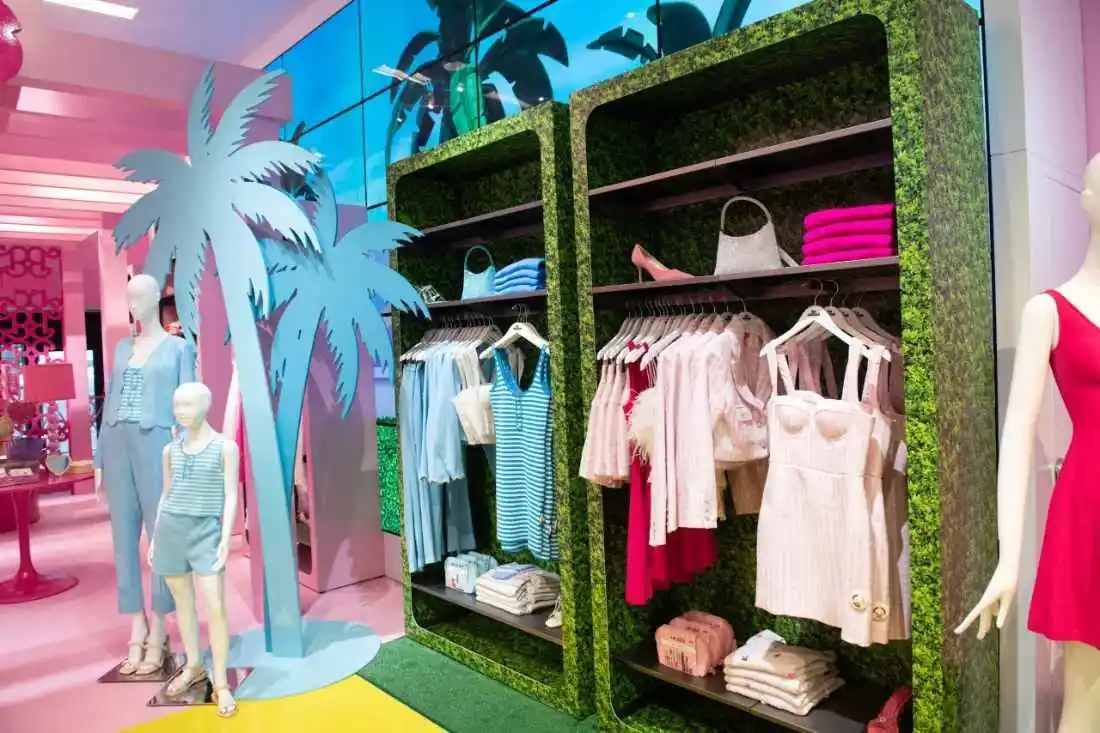
Fixture graphics are the small pieces that tie a store together: header panels on shelving, category signs, tabletop signs on display tables and graphics on the cash wrap. Matching them to the wall and window graphics is what makes a store look designed instead of assembled. PVC, foam board and acrylic all suit fixture graphics. See our tabletop signs page for display table options.
Lighting the Graphics
Graphics only work if they’re lit. A new wall graphic in a dark corner disappears, while the same graphic under good light becomes the focal point of the store. Before printing, check where the light actually falls, and plan a track light or two if a feature wall sits in shadow.
The Sign Outside
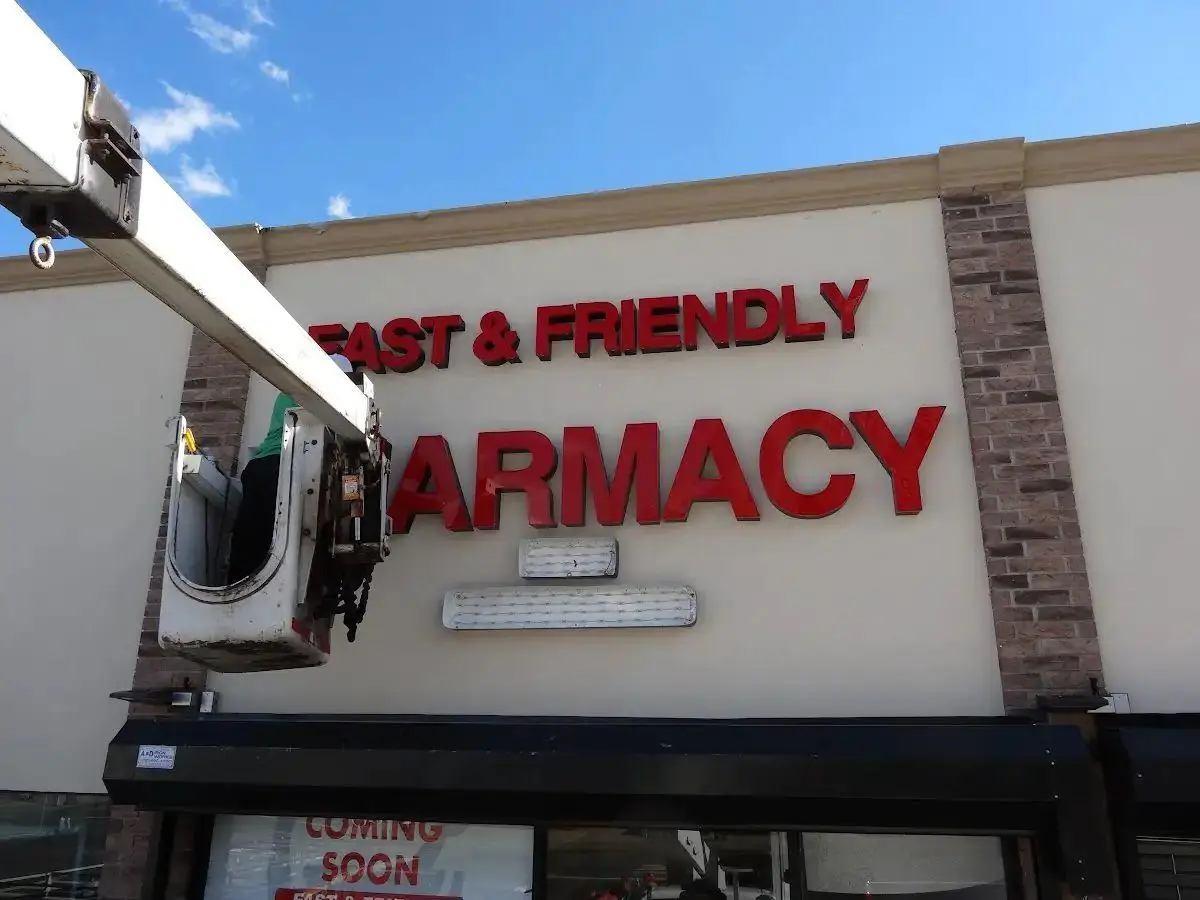
Don’t forget the outside when you upgrade retail signage inside. A faded light box usually needs a new face, not a new cabinet, and that’s a fraction of the cost. Translucent sign films have real life spans, too. 3M rates its Scotchcal 3630 translucent film for up to 9 years of outdoor durability, so a face that has been up much longer than that is probably due. Our guide to rebranding without replacing every sign explains what can be refaced.
Do It in the Right Order
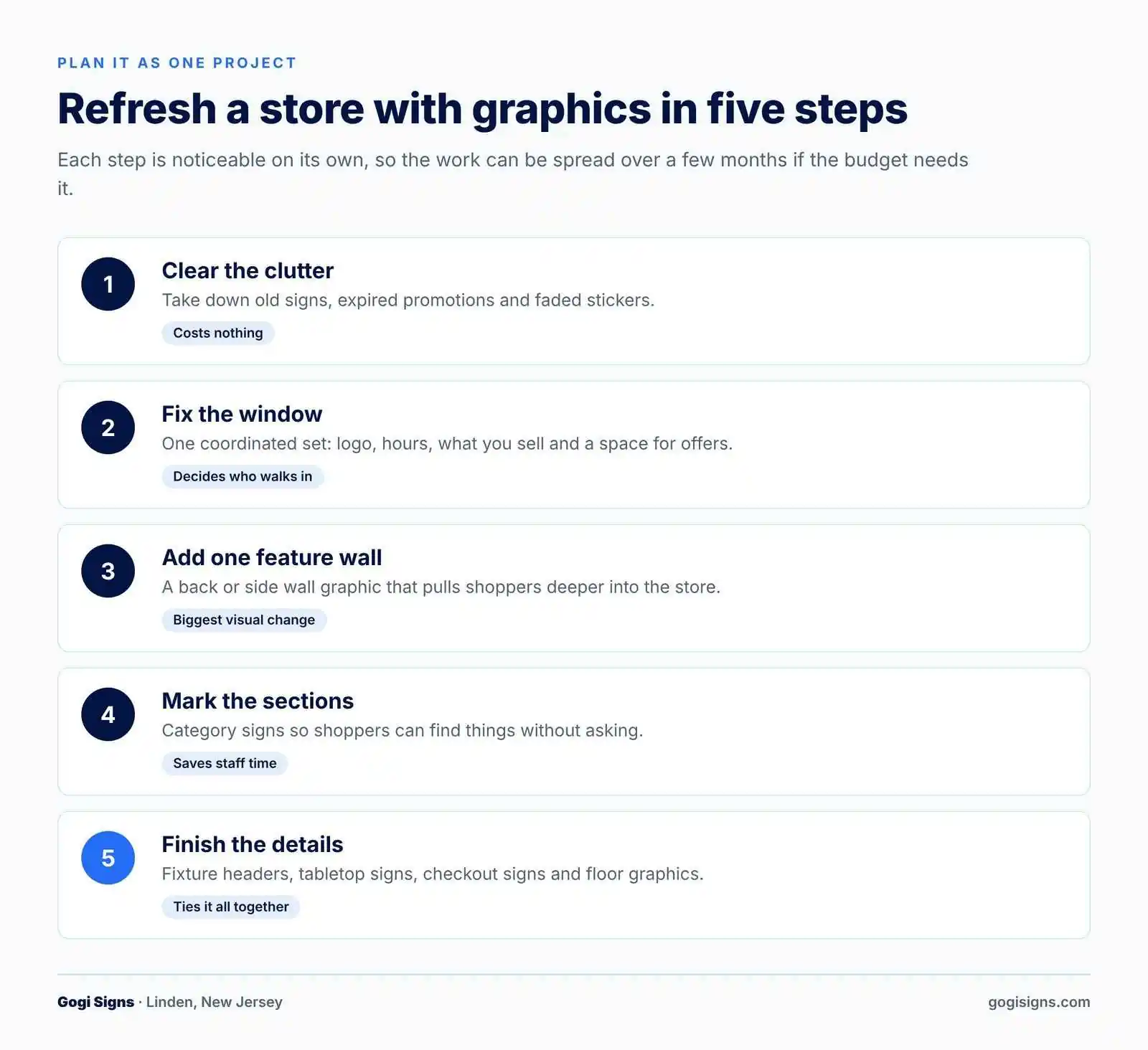
- Clear the clutter first: take down old signs, expired promotions and faded stickers.
- Fix the window: it decides whether people come in at all.
- Add one feature wall: the back or side wall that pulls shoppers into the store.
- Mark the sections: category signs so shoppers can find things without asking.
- Finish the details: fixture graphics, checkout signs and floor graphics.
Working in this order means each stage is noticeable on its own, so you can spread the work over a few months if the budget needs it.
Keep It on Brand
Every new graphic should use the same colors, typefaces and logo treatment. Watch the colors especially: the same color can look different on vinyl, paper and acrylic, which is why Pantone keeps separate coated and uncoated color references. A single sheet listing your colors and fonts keeps future graphics consistent when promotions change or new staff order signs. Our guide on how consistent signage builds customer trust explains what to include.
If you run delivery vans, a store refresh is a good moment to match them. Pixel Wraps, our sister shop, handles fleet graphics for rebrands so the vans and the store tell the same story.
Check the Lease and the Rules
Most retail leases control what can go on walls, windows and storefronts, and many need landlord approval for anything visible from outside. Interior wall and floor graphics usually need no permit, but window graphics and anything readable from the street may count toward your town’s sign limits. The International Sign Association explains how sign permits generally work, and our guide to shopping center sign requirements covers the landlord side. For stores in the city, our sister shop has a good overview of retail signs and graphics in New York.
Common Questions About Retail Store Graphics
What is the cheapest way to upgrade a retail store's look?
Are wall graphics permanent?
Are floor decals safe to walk on?
Yes, when they use a slip resistant floor laminate made for foot traffic and go on a suitable floor. Standard wall vinyl should never be used on a floor.
Do interior graphics need a permit?
How long do interior graphics last?
Can the upgrade be done without closing the store?
Refresh Your Store With Gogi Signs
Gogi Signs designs, prints and installs wall graphics, floor decals, window film and in store signs for retailers across New Jersey, usually outside your hours so the store stays open. Browse our project gallery, then request a free quote with photos of the store and we’ll suggest where graphics will make the biggest difference.