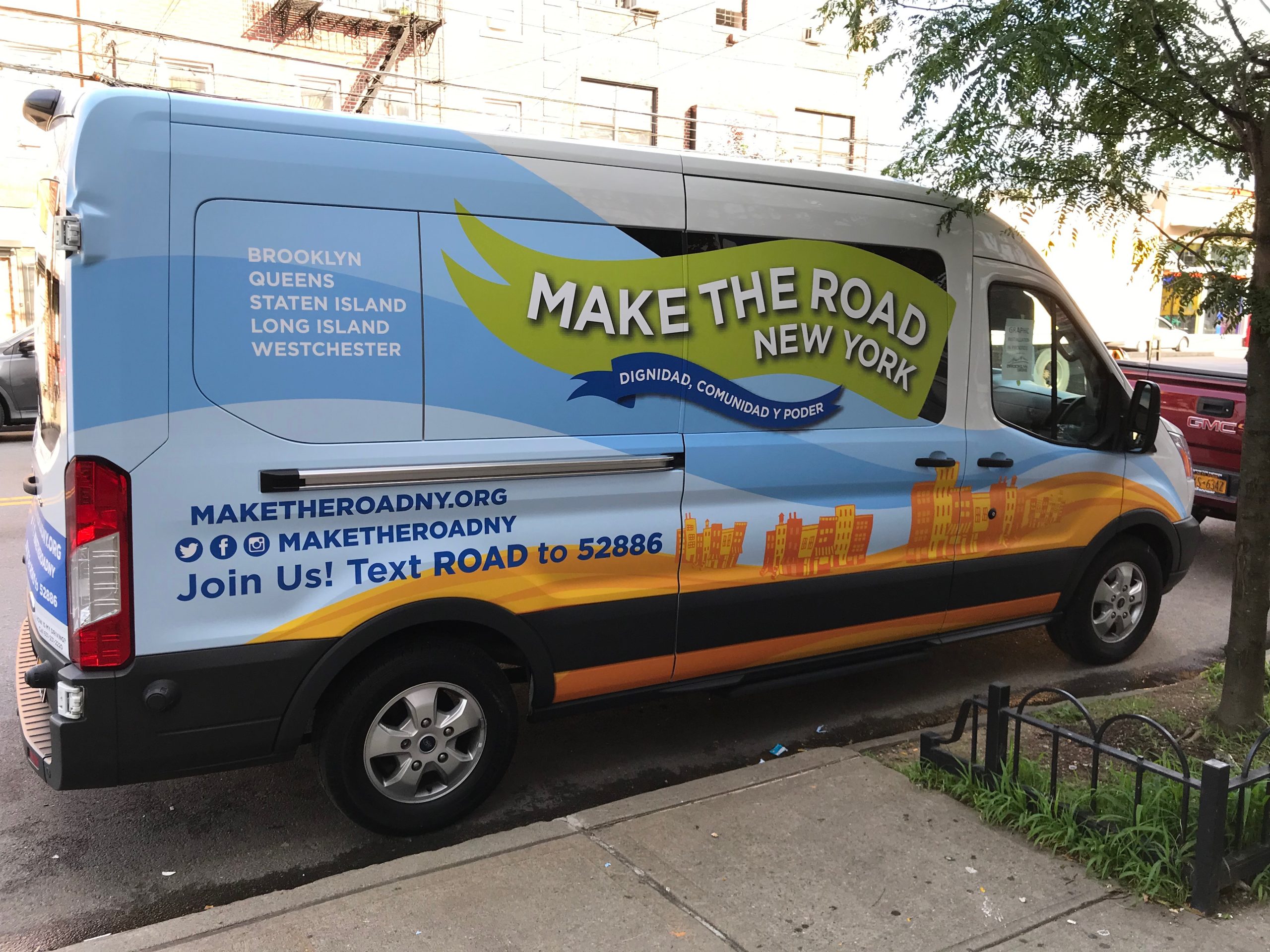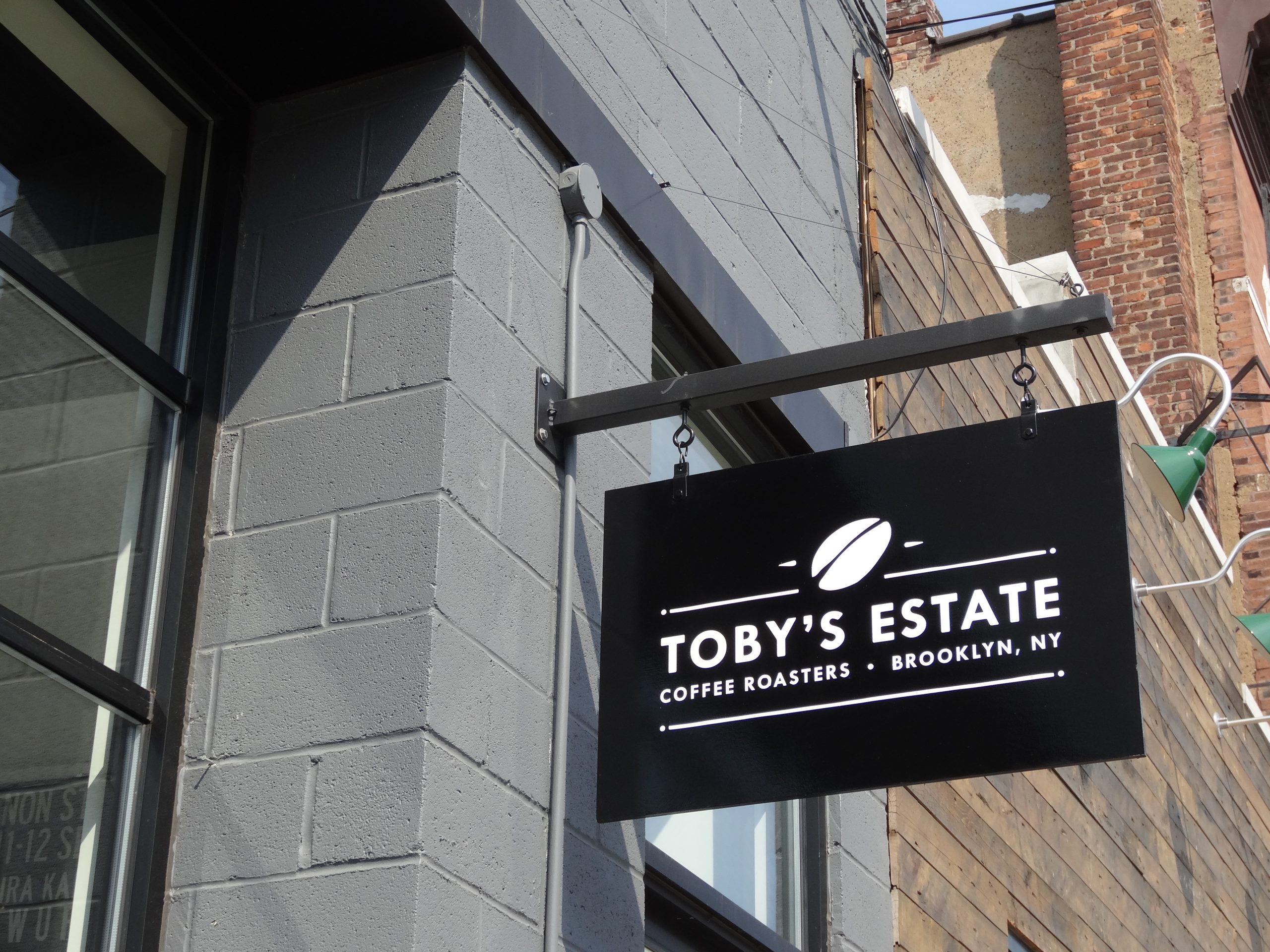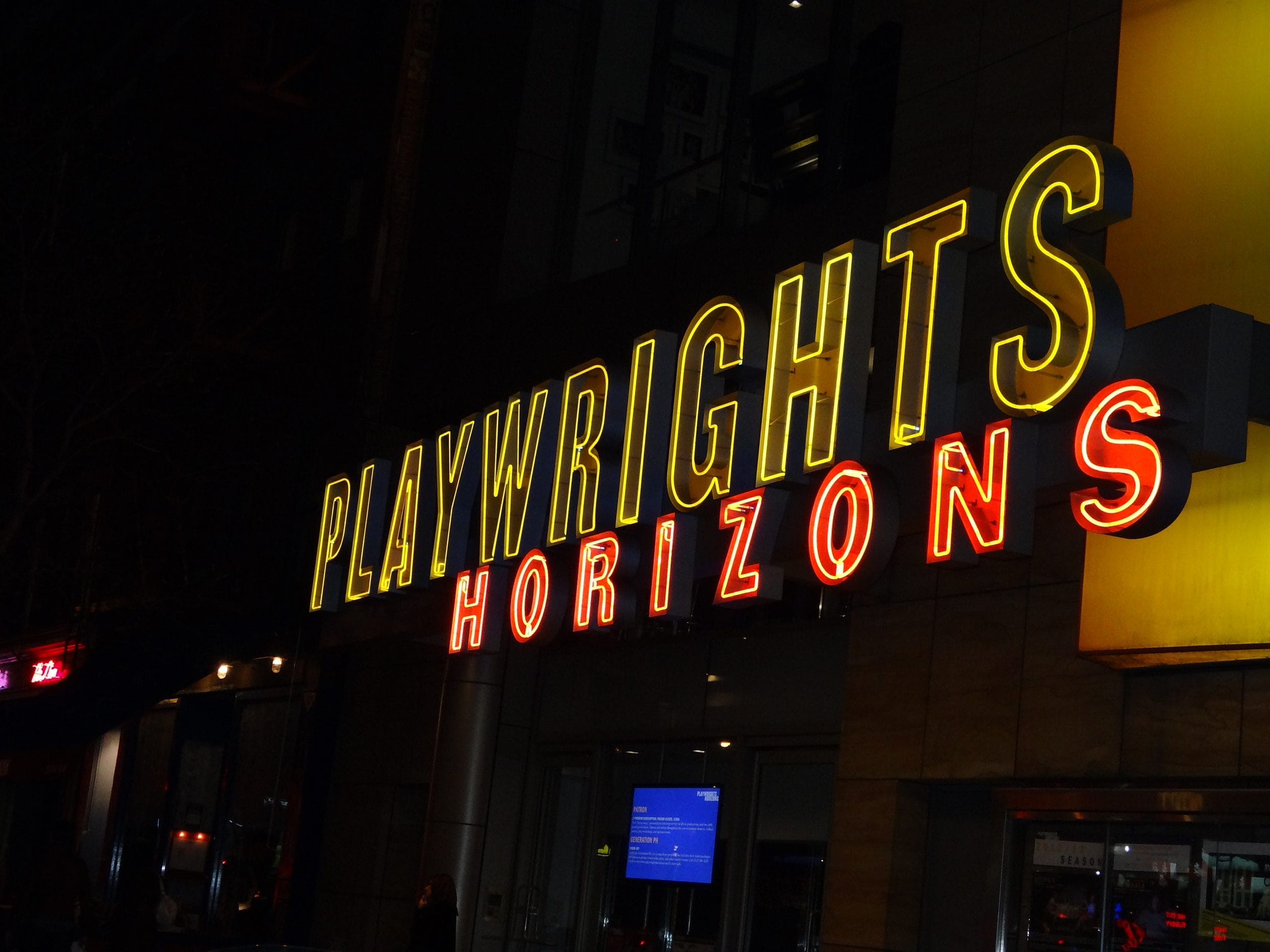
A name that glows letter by letter is still the clearest signal that a business is open.
Channel letter signs are individual three dimensional letters, each built as its own shallow box with a face, sides called returns, and LED lighting inside. Mounted on a storefront, they spell out the business name letter by letter and stay readable day and night.
They are the sign type most retailers, restaurants and service businesses choose for a permanent storefront, because they look established and adapt to almost any logo. This guide explains the types, how they are mounted and lit, and when they are worth the investment. For how they compare with other storefront options, see our guide to retail storefront signs.
Channel Letter Types
Front Lit Letters
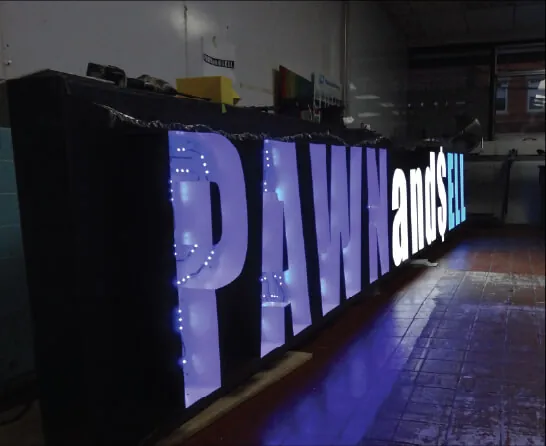
The most common type. A translucent acrylic face lets the LED light shine forward, so the letter itself glows. Front lit letters give the strongest night visibility and the widest choice of face colors, and they suit busy roads and shopping centers.
Halo Lit Letters
Also called reverse lit. The face and returns are solid metal, and the LEDs shine backward onto the wall, creating a soft halo around each letter. The look is quieter and more upscale, suited to offices, boutiques, hotels and historic districts where bright faces are discouraged. Halo letters need a wall that reflects light well.
Combination Lit Letters
Combination letters light both the face and the halo. They give the brightest, most distinctive result and cost more because each letter carries more parts.
Open Face Letters
Open face letters have no front panel, so the light source is visible. They suit a vintage or marquee look, often with exposed bulbs or neon style LED. They are better placed out of easy reach and away from heavy weather.

Raceway or Direct Mount
How the letters attach to the building affects both cost and appearance:
- Direct mount: each letter is fixed straight to the wall, with wiring passing through the wall behind it. It gives the cleanest look but needs access behind the fascia and more holes.
- Raceway mount: the letters sit on a narrow metal box, the raceway, which holds the wiring and power supplies and is the only part fixed to the wall. It needs fewer penetrations, makes service easier and is common in shopping centers and on masonry.
- Backer panel: the letters mount to a painted panel, useful when the wall is uneven or the sign must fit a defined sign band.
Painting the raceway to match the wall makes it far less noticeable. See our custom channel letters page for mounting details.
Lighting and the Electrical Rules
Modern channel letters use LED modules, which use far less power and run cooler than the neon tubing they replaced. An LED channel letter sign also needs low voltage power supplies, a dedicated circuit, and a disconnecting means.
Electric signs are covered by Article 600 of the National Electrical Code, which requires them to be listed, and UL 48 is the safety standard most signs are listed to. In New Jersey, the connection is licensed electrical work and normally needs its own electrical permit and inspection. Our guide on electrical sign inspections explains what inspectors check.
When Channel Letters Are Worth It
Channel letters cost more than a flat panel or a light box of a similar size, because each letter is fabricated, wired and mounted separately. They are worth it when:
- the business trades after dark or faces a road with evening traffic.
- the storefront is permanent and the lease runs for years.
- the logo has a distinct shape that a rectangle would flatten.
- the landlord’s criteria require individual letters, as many shopping centers do.
For a short term location or a frequently changing brand, a light box sign with a replaceable face can be the better value. Our guide to illuminated and non illuminated signs helps decide whether lighting earns its cost.
Permits and Size Limits
Channel letters are wall signs, so they count toward the town’s wall sign limit. Limits vary widely, from about 5% of a street facing facade in some New Jersey towns to 15% in others, so the same storefront can carry very different letters a few miles apart. Shopping centers often add landlord criteria that fix the letter height and raceway color as well, which applies to channel letter signs in Paramus, Edison storefront signs and Toms River business signs alike. Our guide on whether business signs need a permit in New Jersey covers the approvals.
Common Questions About Channel Letter Signs
How long do channel letter signs last?
Many years. The aluminum letters themselves last a long time, while LED modules and power supplies are the parts that eventually need replacing, and both can usually be changed without replacing the letters.
Are halo lit letters as visible as front lit letters?
Not from a distance. Front lit letters are brighter and read from farther away, while halo lit letters give a softer, more refined look that suits closer viewing.
Is a raceway required?
No, but it is often the practical choice. A raceway reduces holes in the wall and keeps wiring accessible, and some landlords require it.
Do channel letters need a permit?
In almost every case, yes. They need a sign permit for size and placement and, because they are illuminated, usually an electrical permit and inspection as well.
Can channel letters be refaced for a rebrand?
Sometimes. If the new name uses the same letter shapes, the faces can be replaced. A different name usually means new letters, though the raceway and power can often be reused.
What makes channel letters expensive?
Each letter is cut, formed, wired and mounted on its own, so cost rises with the number of letters, the size and the lighting type, as well as the permits and electrical work.
Channel Letters Built in Linden
Gogi Signs fabricates, wires, permits and installs channel letter signs across New Jersey and New York City, built to the electrical listing and fitted to the storefront from a site survey.
See our LED channel letters page for lighting styles, browse the gallery of installed signs, then request a free quote with a photo of the storefront.