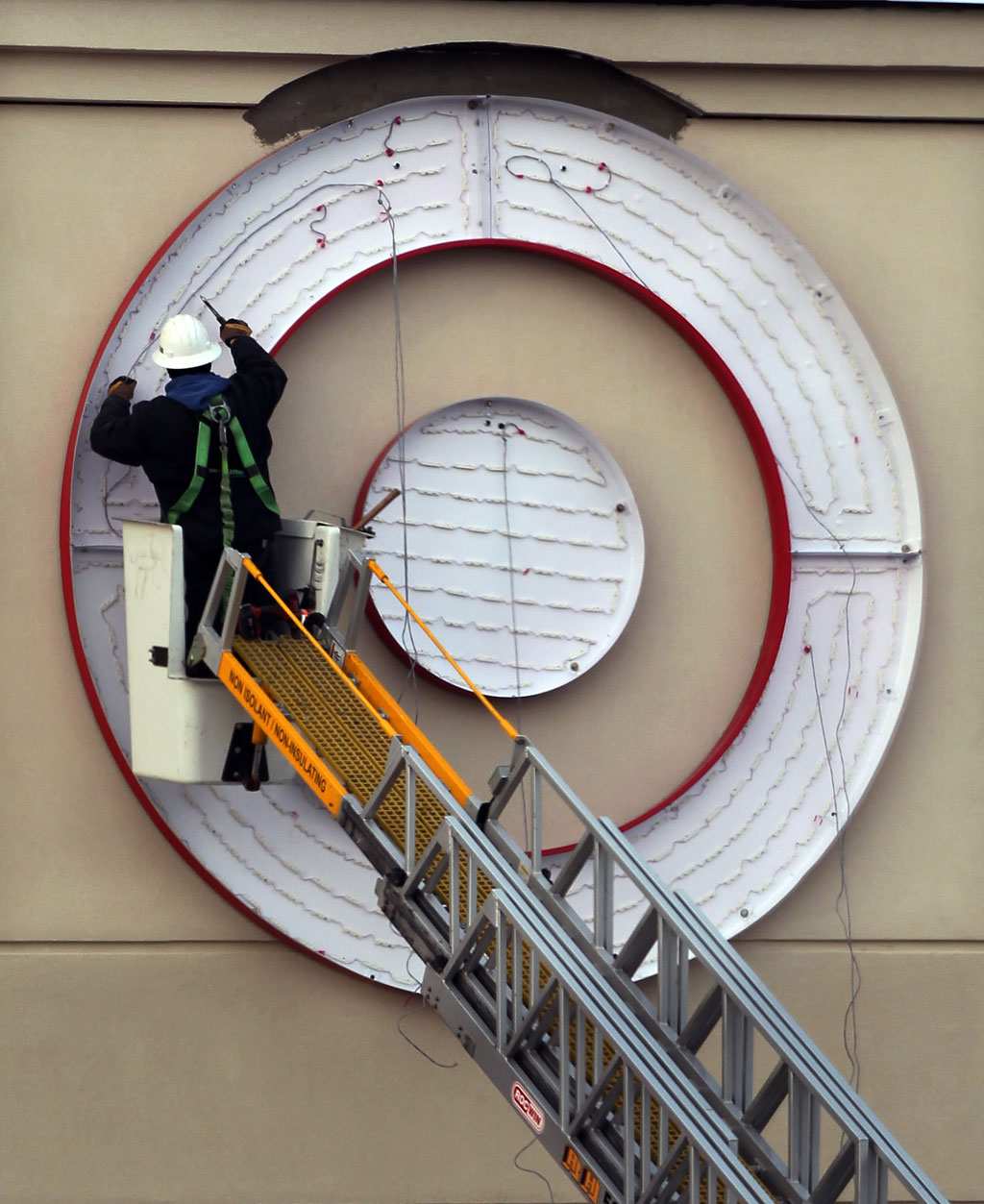
Most sign warranties are really several warranties stacked together, each with its own length and its own fine print.
Sign warranties look simple on a quote: a number of years and a promise. In practice an illuminated sign carries several overlapping warranties. The LED modules have one, the power supplies have another, the sign company covers its own workmanship and installation, and each one has conditions that decide whether a claim is paid.
Knowing how they fit together matters most on the day something fails. A dark letter on a Friday night is a labor question as much as a parts question, and the parts warranty alone rarely pays for a lift and a technician.
This guide explains what each layer usually covers, the exclusions that catch owners out, and what a maintenance plan adds on top.
The Layers of a Sign Warranty
| Layer | Who stands behind it | What it usually covers | Typical catch |
|---|---|---|---|
| LED modules | Component manufacturer | Defective modules replaced | Parts only, labor capped or excluded |
| Power supplies | Component manufacturer | Defective drivers replaced | Often shorter or prorated after a few years |
| Sign workmanship | Sign company | Fabrication defects, water entry, finish failures | Usually shorter than the LED terms |
| Installation | Sign company or installer | Fixings, alignment, electrical connections made on site | Damage from later work is excluded |
| Materials and finishes | Material manufacturers | Vinyl, paint and face materials against early failure | Rated for specific conditions and installation methods |
LED Modules
The LEDs themselves are the most generously warranted part. Industry terms have moved upward over time. SloanLED describes a five year LED warranty as the industry standard, while some manufacturers now offer longer terms. US LED, for example, publishes a ten year warranty on its sign lighting products, with drivers fully covered for five years and prorated after that.
Power Supplies
Power supplies, also called drivers or transformers, have historically been the weak link. When GE Current launched a ten year power supply for signage, its own announcement noted that the power supply had always carried a shorter warranty than the LEDs, as described in its Tetra Ti 10 release. In practice a failed power supply darkens a whole section of a sign at once, so its warranty matters more than the LED term.
Labor
Component warranties typically replace parts and say little about the cost of getting them into the sign. Where labor is included it is often capped. US LED’s terms, for instance, limit labor reimbursement to $500 for modules and $150 for drivers per location, regardless of sign size. The lift, the technician and the travel are usually the sign company’s warranty or your cost.
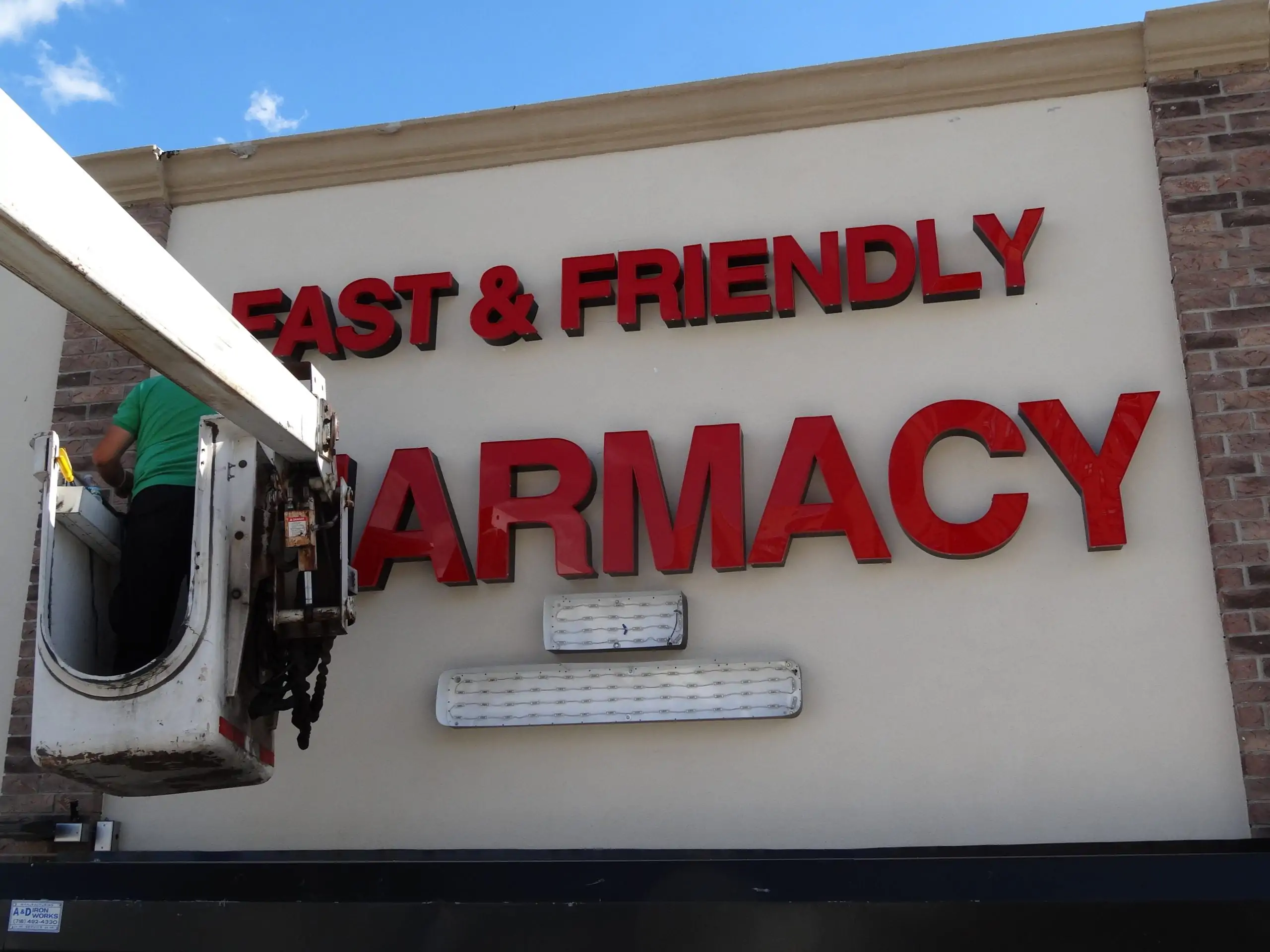
What Sign Warranties Usually Exclude
Exclusions are where most claims fail. The common ones are:
- Weather events and impact: storm damage, lightning, vehicle impact and vandalism are insurance matters, not warranty matters.
- Improper installation: component makers require connections protected from water and products used within their published ratings. A sign installed outside those conditions may not be covered.
- Unauthorized repairs: several manufacturers void the warranty if the product has been modified or repaired by someone other than an authorised source.
- Missing registration: some warranties must be registered within a set time. Everbrite’s published terms, for example, state that failure to register the sign voids its warranty.
- Normal wear: gradual fading, dirt build up and the slow dimming of LEDs over their rated life are usually treated as wear, not defects.
- Power problems: surges and faults on the building’s own circuit are typically excluded.
What to Ask Before You Sign
- Which components are used: ask for the LED and power supply brands and models, so the manufacturer warranty can be checked.
- How long each layer lasts: get the LED, power supply, workmanship and installation terms in writing, separately.
- Who pays for labor: ask whether a warranty repair includes the lift, the technician and travel, or only the parts.
- How claims are made: find out who you call, how quickly they respond and whether the warranty must be registered.
- What voids the warranty: check whether using another contractor for later electrical work affects it.
- Whether the sign is listed: an illuminated sign should carry a listing label from a recognised testing laboratory, which inspectors look for and many warranties assume.
What a Maintenance Plan Adds
A warranty pays for defects. A maintenance plan pays for upkeep, which is what keeps a sign from failing in the first place. For most commercial signs, a sensible plan includes:
- Scheduled inspections: a visual check of faces, returns, fixings and seals, plus a night check of every lit section.
- Cleaning: faces, letters and cabinets washed so the sign keeps its color and brightness.
- Electrical checks: power supplies, connections, the disconnect switch, timers and photocells tested and adjusted.
- Water management: weep holes cleared and sealant renewed, since water inside a letter is the most common cause of early LED failure.
- Fixings and structure: anchors, blade sign brackets and pole signs checked for corrosion and movement.
- A written record: each visit logged with photos, which also supports any later warranty claim.
How Often to Inspect
Once or twice a year suits most storefront signs. Signs near the Jersey Shore, on busy roads or on buildings exposed to strong wind benefit from more frequent checks, and every sign deserves a look after a major storm. Our guide on how to maintain outdoor business signs covers what owners can check themselves between visits.

Repair, Retrofit or Replace
When a sign is out of warranty, the decision is usually between three paths. A repair replaces the failed part. A retrofit replaces the whole lighting system, such as converting old fluorescent or neon lighting to LED, while keeping the light box cabinet or the channel letters. A replacement starts again.
As a rough guide, a sound structure with failing lighting is a good retrofit candidate, while corroded cabinets, cracked faces and an outdated brand point toward replacement. Our guides on how long commercial signs last and when to replace your business sign go into the signs to look for.
Keep the Records That Make Claims Easy
A warranty is only as useful as the paperwork behind it. Keep the following together for every sign:
- Paperwork: the invoice and the warranty terms for each layer.
- Components: the LED and power supply makes and models.
- Approvals: the installation date and the permit number.
- Photographs: the finished sign on installation day.
- Service history: every visit, with dates and what was replaced.
The same file also makes the sign easier to sell with a business, hand over at the end of a lease or price for removal later.
Common Questions About Sign Warranties
How long should an LED sign warranty be?
Five years on LED modules is a common baseline, and some manufacturers now offer ten. What matters just as much is the power supply term and whether labor is included, because those decide what a repair actually costs you.
Does a sign warranty cover storm damage?
Usually not. Storms, impact and vandalism are treated as insurance claims. Check that the sign is listed on the property or business insurance policy.
Who do I call when a warranted sign fails?
Start with the sign company that installed it. They diagnose the fault, deal with the component manufacturer and replace the part. Calling a different contractor first can void some warranties.
Is a maintenance plan worth it?
For an illuminated sign that the business depends on after dark, usually yes. Regular cleaning, sealing and electrical checks prevent the most common failures and keep a record that supports any warranty claim.
Why did only part of my sign go dark?
Most often a single power supply has failed, since one supply feeds a section of letters or a part of a cabinet. Water inside a letter and a loose connection are the next most common causes.
Can old neon or fluorescent signs be upgraded instead of replaced?
Often, yes. If the cabinet or letters are sound, the lighting can usually be retrofitted to LED, which lowers energy use and maintenance. A retrofit needs to keep the sign’s electrical listing valid, so it should be done by a qualified sign company.
Keep Your Signs Working
Gogi Signs installs, services and repairs illuminated signs across New Jersey and New York City, and we put the warranty terms for every layer in writing before the job starts. For existing signs, we can inspect, clean, reseal and retrofit them on a schedule that suits the building.
See our Sign Repair page for service details, or request a free quote for a maintenance visit.