Two signs of the same size can differ in price several times over. The difference is almost always in what sits behind the face.
The cost of commercial signs is set by far more than size. Two signs that look similar from the street can be priced very differently because one is lit and the other is not, one hangs on a brick wall at the first floor and the other sits three stories up over a busy sidewalk, or one needs sealed drawings for the permit and the other does not.
Understanding what drives the number helps in two ways. It makes quotes easier to compare, and it shows which decisions actually move the price, so the budget goes where it matters.
Below are the ten factors that shape almost every commercial sign quote, with notes on how to keep each one under control. For typical price ranges by sign type, see our companion guide on how much a business sign costs.
The Ten Cost Drivers at a Glance
| Cost driver | Why it changes the price | How to control it |
|---|---|---|
| Sign type | Construction method sets labour and parts | Choose the type the location actually needs |
| Size and letter count | More material, more fabrication hours | Size to the viewing distance, not the maximum allowed |
| Illumination | LEDs, power supplies, wiring, listing, electrical work | Light only what is read after dark |
| Materials and finish | Metals, faces, paint systems, specialty finishes | Match the material to the expected lifespan |
| Design and engineering | Drawings, revisions, sealed plans where required | Give complete information up front |
| Permits and approvals | Fees, drawings, variances, landlord review | Design inside the limit from the start |
| Site conditions | Wall type, height, access, traffic, licensing | Survey before the final quote |
| Removal of the old sign | Disconnect, take down, patch, repaint | Include it in the same project |
| Quantity | Setup cost spread over more units | Order related signs together |
| Schedule | Rush work disrupts production | Start early and lock the design |
1. Sign Type and Construction
The construction method is the biggest single factor. A flat printed panel is cut, printed and mounted. Channel letters are fabricated one by one, with formed returns, separate faces and internal lighting. A light box sign is a cabinet with a frame, face and lighting. Carved signs, cast plaques and fabricated metal signs each have their own process.
As a rule, every additional component, seam and finish step adds shop hours. See our Outdoor Signs range for how the main types compare.

2. Size and Letter Count
Bigger signs use more material, but letter count can matter as much as area. Twelve individual letters take longer to build and install than a single cabinet of the same size, and script logos with fine detail take longer still.
The right size comes from the distance the sign must be read from, then the town’s limit, not the other way round. Our guide on choosing the right size for your business sign explains how to work it out.
3. Illumination
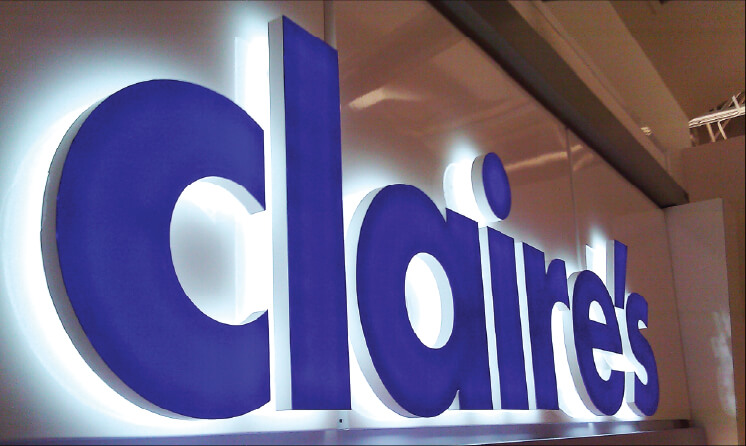
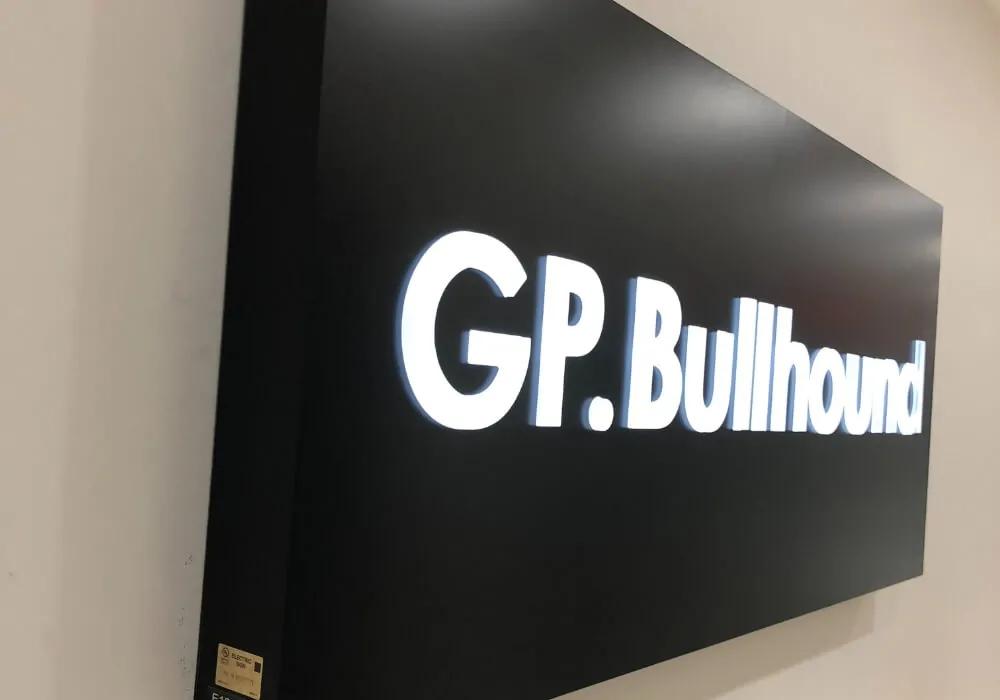
Lighting adds parts, labour and inspection. An illuminated sign needs LED modules, power supplies, wiring, a disconnect and a listing under the electrical code. The National Electrical Code requires electric signs to be listed and installed to that listing, and IAEI describes how inspectors check it in the field.
Lighting also brings separate electrical work and often a separate permit. In New York City, an illuminated sign that extends beyond the building line can also carry an annual illuminated sign permit. Halo lit and face lit letters, light boxes and neon each price differently, and our guide to choosing lit or unlit signs helps decide whether lighting earns its cost.
4. Materials and Finishes
Aluminium, acrylic, PVC, high density urethane, steel and wood all sit at different price points, and the finish can cost as much as the substrate. Custom paint colors matched to a brand standard, brushed or polished metals, and gold or silver leaf all add steps.
The cheapest material that will last as long as the business needs is usually the right one. Our guide to the best outdoor sign materials for New Jersey and NYC weather compares how each holds up.
5. Design and Engineering
Design time covers measuring, drawing, proofing and revising. Most projects need a few rounds, and each extra round after approval adds cost. Some towns also require drawings sealed by a licensed design professional, or the sign supplier’s signature on the drawing.
Large freestanding signs, projecting signs and anything heavy may need structural calculations for the foundation or the wall fixings. See our custom sign design page for what is included at this stage.

6. Permits and Approvals
Permit fees themselves are often modest, but the work behind them is not. Fees vary by town, from a flat charge per sign to a charge per square foot of sign area.
The larger cost is time and redesign. A sign that exceeds the limit may need a variance hearing, and a landlord who rejects the drawings sends the design back to the start. Our guide on avoiding commercial sign permit delays covers how to keep that cost down, and our sign permit services page explains how we file.
7. Site Conditions and Installation
The same sign can cost very different amounts to install. Price moves with:
- Wall construction: brick, block, stucco, EIFS and metal panel each need different fixings, and some need blocking added behind the fascia.
- Height and access: a ladder, a scissor lift, a bucket truck and a crane are very different line items.
- Traffic and sidewalks: work over a busy sidewalk or road, such as installing Hoboken storefront signs on the main shopping streets or New Brunswick business signs downtown, may need protection, permits or off hours scheduling.
- Power: if there is no circuit at the sign location, an electrician has to run one.
- Licensing: in New York City, signs over 75 square feet or 25 pounds must be hung by or under a licensed sign hanger.
A sign site survey before the final quote turns these unknowns into known costs.
8. Removal of the Old Sign
Replacing a sign means taking the old one down first, disconnecting its power, sealing the holes and usually repainting the sign band so the old name does not show through. Quotes that leave this out are not cheaper, they are incomplete. Our guide on who removes old business signs explains what a proper removal involves.
9. Quantity and Repetition
Setup costs such as design, programming the router, printing proofs and preparing paint are spread over every unit. Ten identical signs cost far less per sign than one. Multi location brands and buildings with many room signs benefit most from ordering together. See our guide to multi location signage best practices.
10. Schedule
Rush work usually costs more because it jumps the production queue and often needs overtime or expedited materials. Late design changes do the same. Starting early and approving the design once are the cheapest ways to protect both the budget and the opening date.
How to Keep the Cost Under Control
- Get the rules first: read the town’s sign limits and the landlord’s criteria before design starts, so nothing is drawn twice.
- Survey the site: measure the wall, find the power and check access before the final price.
- Decide on lighting deliberately: light the primary sign, not every sign.
- Match materials to lifespan: pay for durability where the sign must last, save on short term pieces.
- Bundle the work: combine removal, new signs and related interior pieces into one project and one installation visit.
- Approve once: collect all comments from partners and landlords before signing off the proof.
When comparing proposals, our guide on understanding business sign quotes shows how to line them up item by item.
Common Questions About the Cost of Commercial Signs
What is the biggest factor in the cost of a commercial sign?
Usually the sign type and whether it is illuminated. Construction method sets most of the fabrication labour, and lighting adds parts, electrical work, listing and inspection on top.
Why do two quotes for the same sign differ so much?
Most often because they include different things. One may include permits, engineering, the electrical connection and removal of the old sign, while the other leaves them out. Compare scope line by line, not just the total.
Are permit fees a big part of the budget?
The fees are usually small, often tens of dollars, though some towns charge per square foot. The real cost is the time and redesign when a sign does not meet the rules on the first submission.
Does installation height really change the price?
Yes. Work above a single story usually needs a lift or bucket truck, and work over sidewalks or roads may need protection and off hours scheduling. These can be significant line items.
Is it cheaper to order several signs at once?
Usually. Design, setup and installation visits are shared across the order, so the cost per sign drops, and finishes stay consistent across the set.
How can I lower the cost without lowering quality?
Size the sign to the real viewing distance, light only what needs to be read at night, choose materials for the lifespan you actually need and approve the design in one round.
Get a Clear Price for Your Sign
Gogi Signs prices every project from a site survey and the town’s actual rules, so the quote includes what the job really needs: drawings, permits, electrical coordination, installation and removal of the old sign.
Request a free quote with photos of the storefront and we will itemise every part of the cost, or see our Sign Fabrication page for how we build.