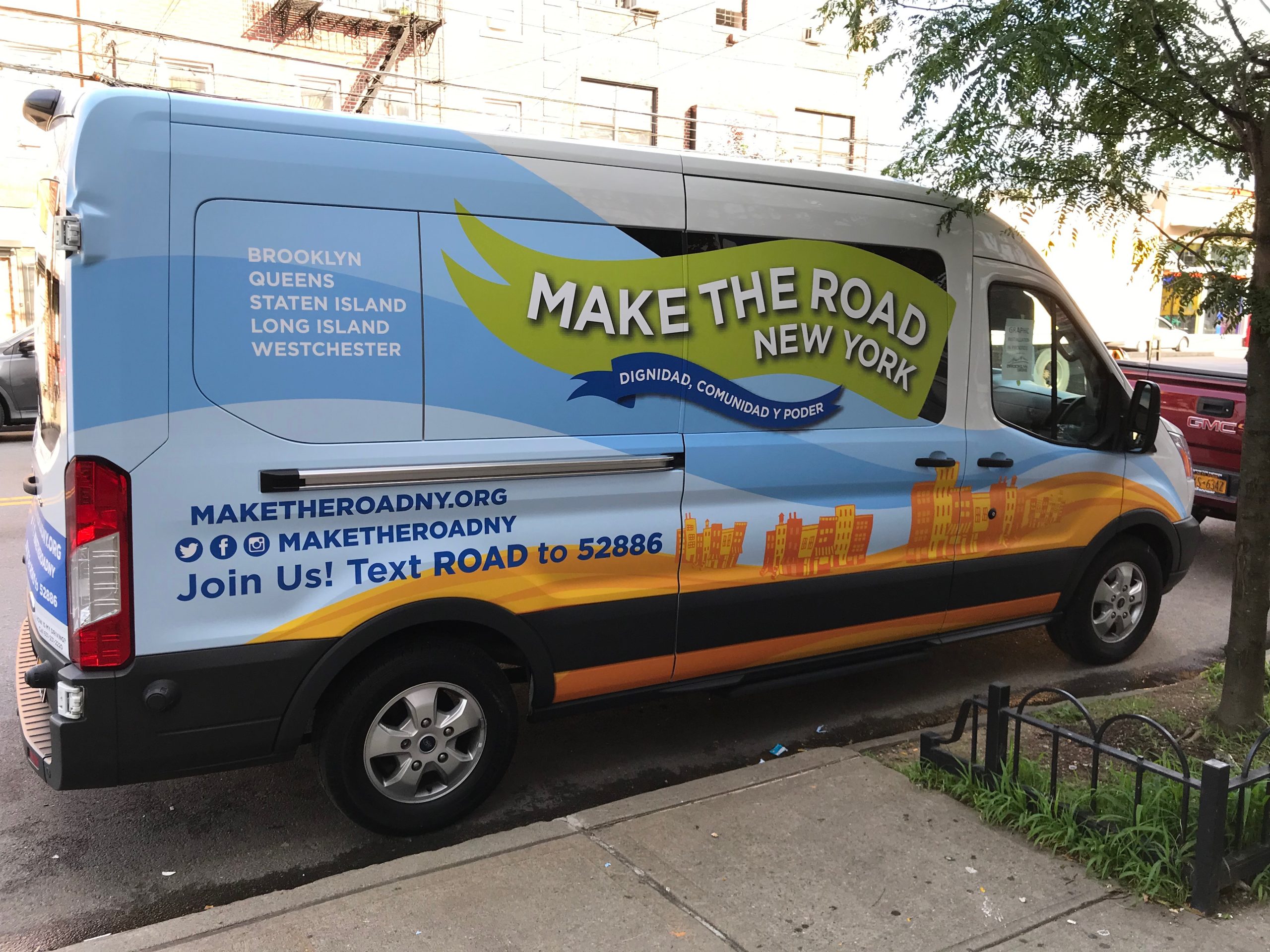
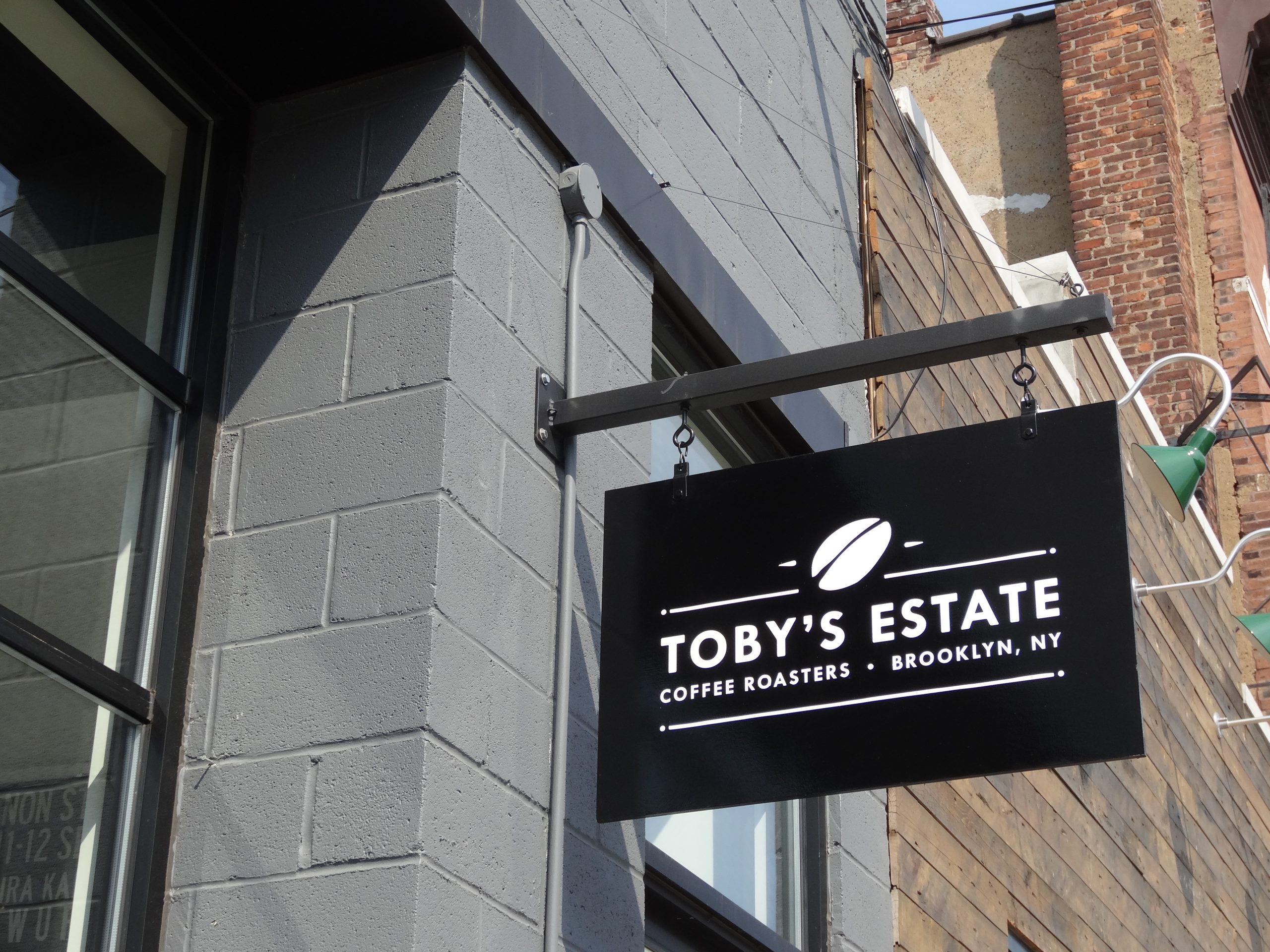
A sign designer is not only choosing a look. Every line on the proof has to be buildable, permittable and readable from the street.
A professional sign designer does a different job from a graphic designer. A logo designer works on a screen at any size. A sign designer has to fit that logo onto a specific wall, at a size the town allows, in materials that survive the weather, lit in a way the electrical code accepts and readable by someone driving past at speed.
That is why the best results come from treating the designer as a partner with constraints, not a stylist. The more they know about the building, the brand and the rules, the less time is spent on designs that cannot be built.
This guide covers what a sign designer actually does, what to bring, how the proof and revision process works and how to approve a design with confidence.
What a Sign Designer Does
| Task | What it involves | Why it matters |
|---|---|---|
| Fit the brand to the building | Sizes and positions the sign on the actual facade | A logo that works on a card may not fit a sign band |
| Design for distance | Sets letter height, spacing and contrast for the viewing distance | Legibility at the real distance, not on a screen |
| Work within the rules | Designs to the town’s limits and the lease criteria | Avoids redesigns, rejections and variances |
| Specify materials and lighting | Chooses construction, finishes and illumination | Decides lifespan, look by night and cost |
| Produce buildable drawings | Shop drawings with dimensions and details | The fabricator builds exactly what was approved |
| Prepare permit drawings | Elevations, area calculations and details | The town reviews exactly what will be installed |
What to Bring to the First Meeting
The first conversation sets the direction, so bring as much as you can.
- Vector logo files: AI, EPS, SVG or a vector PDF. A logo saved from a website usually has to be redrawn.
- Brand guidelines: color references, typefaces and any rules about how the logo may be used.
- Photos of the building: straight on, from the approach and after dark.
- Measurements: storefront width, sign band size and height above the sidewalk.
- Lease sign criteria: if you lease, the landlord’s rules for sign type, colors and lighting.
- Examples you like: photos of signs you admire, and ones you do not.
- Budget and deadline: so the designer proposes options you can actually choose.
Our Artwork Guidelines page lists the file formats we work from, and our checklist of what to prepare before requesting a sign quote covers the rest.
How the Design Process Works
Concepts
The designer starts with one or more concepts showing the sign on a photo of your building, at the correct scale. This is the moment to judge proportion, overall look and the sign type itself, whether channel letters, a light box or a storefront blade sign. It is also the cheapest moment to change direction, because nothing has been drawn in detail yet.
Proofs and Revisions
Once a direction is chosen, the designer produces a detailed proof with dimensions, colors, materials, lighting and mounting. Most projects go through a few rounds of changes. Two habits make this faster: collect everyone’s comments into one reply rather than sending them one at a time, and agree in advance who has the final say.
Final Approval
The approved proof becomes the basis for the shop drawings and the permit drawings. Changes after approval are usually charged and can delay the schedule, because drawings may need to be redone and permits refiled. Check spelling, phone numbers, colors and sizes carefully before signing off.
Getting the Color Right
Colors look different on a screen, on paper, in vinyl, in paint and lit from behind through an acrylic face. A good sign designer matches each brand color separately for each material and, where color is critical, shows physical samples rather than relying on a monitor.
Lighting changes color too. Research for the United States Sign Council Foundation measured how text and background colors and lighting methods affect how far away a sign can be read, by day and by night. Our guide on how color impacts sign visibility explains the practical rules.

Designing for Legibility, Not Just Looks
A sign has seconds to be read. The designer’s job is to protect that moment, sometimes by pushing back on what looks good on a screen.
- Letter height to distance: the United States Sign Council’s guideline standards relate letter height to viewing distance, and our guide to designing signs for different viewing distances explains how to apply them.
- Contrast: strong contrast between letters and background matters more than the colors themselves.
- Typeface: clear, open letterforms read further than thin scripts or condensed faces.
- Spacing: letters too close together blur at a distance, especially when lit.
- Content: fewer words read faster. Most main signs need the name and little else.
Our guide to typography tips for readable business signs goes deeper on letterforms and spacing.
Designing Within the Rules
A design that ignores the town’s ordinance or the landlord’s criteria will be sent back. A professional designer starts from the limits: the maximum sign area, letter height, projection, lighting rules and any historic district guidelines, such as those that shape Princeton storefront signs or Morristown business signs. Working inside those limits from the first concept avoids the most expensive outcome, which is redesigning after fabrication or applying for a variance. See our sign permit service page for how design and filing connect.
Who Owns the Design
Ask before you start who owns the final artwork and drawings, and whether you will receive the files. Many businesses want vector files of the sign artwork for future use on vehicles, windows and print. Clear terms at the start avoid confusion later.
Common Questions About Working With a Sign Designer
Do I need a logo before working with a sign designer?
It helps, but it is not essential. A sign designer can work from an existing logo, refine one or work alongside your brand designer. A full brand identity is a separate service from sign design.
How many revisions are normal?
Most projects need a few rounds. Ask how many are included in the price and what happens after that. Sending combined feedback in each round keeps the number down.
Can the designer match my brand colors exactly?
Closely, for each material, but every material renders color slightly differently, and lighting changes it again. Physical samples are the best way to approve critical colors.
Why can't my sign be bigger?
Usually because the town limits sign area or letter height, or the lease does. A designer can often improve visibility within the limit through contrast, spacing and lighting rather than size.
What happens after I approve the design?
The approved proof becomes shop drawings for fabrication and drawings for the permit application. Changes after approval may require new drawings and refiling, so check everything carefully before signing off.
Is sign design included in the price of the sign?
Often, for a typical project, though extensive concept work or many revision rounds may be charged separately. Ask how design is priced before you start.
Start Your Sign Design
Gogi Signs designers work alongside our fabricators and permit team in Linden, New Jersey, so every design we propose is one we know can be built, approved and installed on your building.
See our Sign Design page for how the process works, or request a free quote with your logo and photos of the building.