Opening day has a fixed date. The sign permit does not, so the plan has to start with the lease.
A new business signage plan starts before the lease is signed, not after the fit out. The most common opening day problem we see is a business ready to trade with no permanent sign, because the permit and fabrication were started too late or the lease did not allow the sign the owner wanted.
This guide sets out the plan in the order things need to happen, from checking sign rights on a site to the week after opening. For the full list of signs a business may need, see our guide on planning a complete business sign package.
The Signage Timeline
Work backward from the opening date. Design, landlord review, zoning approval, the construction permit and fabrication each take time, and in many towns the approvals take longer than building the sign. Our guide on how long a custom sign project takes explains each stage.
1. Check Sign Rights Before Signing the Lease
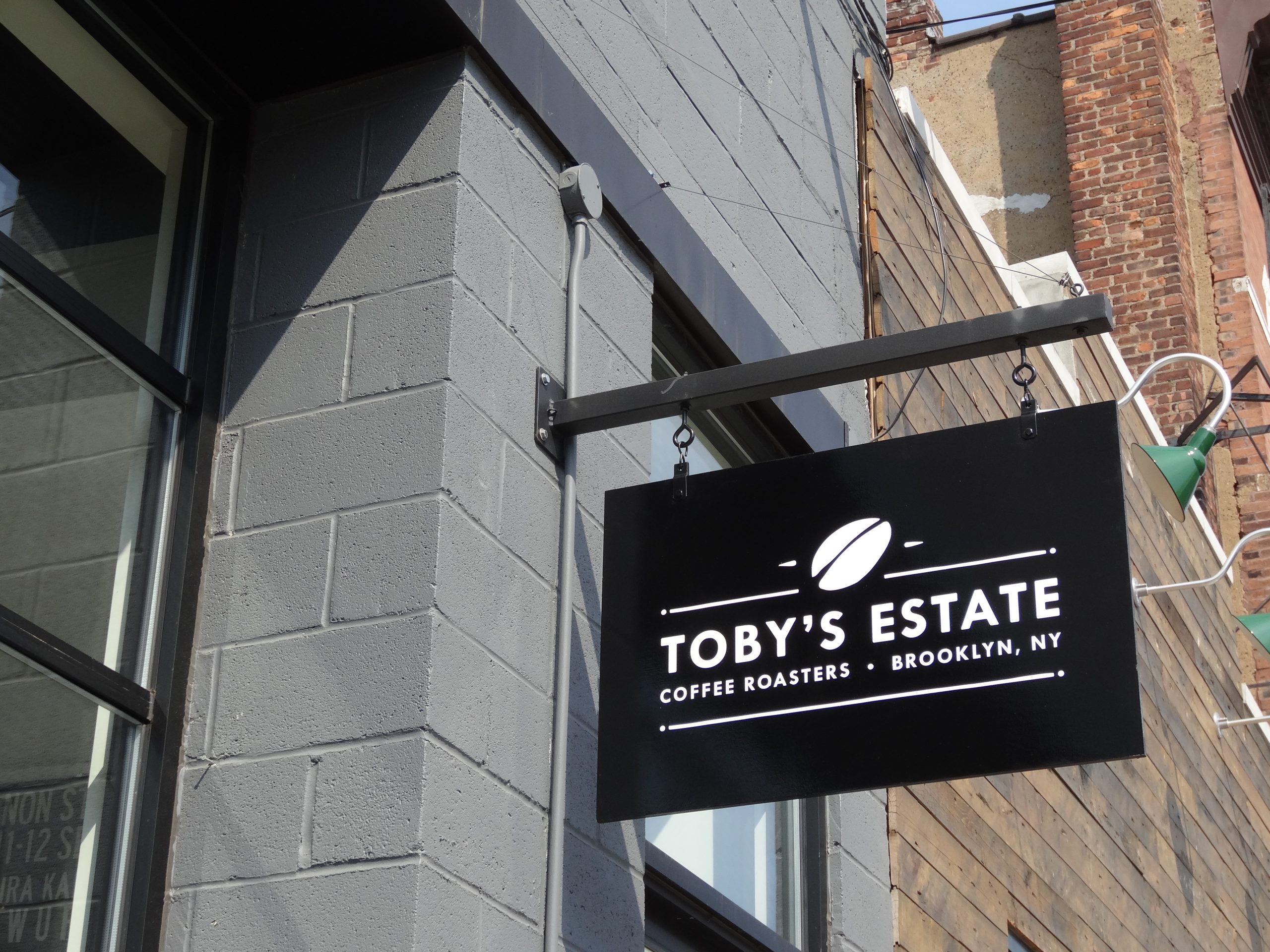
Before committing to a location, find out what sign the property allows, whether you are planning storefront signs in Clifton or Bayonne business signs for a pad site. Ask the landlord for the sign criteria, check the town’s sign ordinance for that zone, and look at where a sign could actually go on the facade. Business.NJ.gov advises checking zoning during location research, and sign rights are part of that.
If visibility matters to your business, get the sign location, size and lighting written into the lease. A great location with no room for a readable sign is a weaker location than it looks.
2. Budget for Signs Early
Signs are often left out of startup budgets or squeezed at the end. The Small Business Administration suggests listing every startup cost up front, and signs belong on that list, including permits, electrical work and installation. Our guide on budgeting for commercial signage shows how to estimate it.
3. Get a Site Survey and Design
A sign site survey measures the facade, finds the power and checks the mounting surface, so the design fits the building and the price is accurate. Design should start with the main exterior sign, because it has the longest approval path, then cover windows, the entrance and interior signs.
4. Landlord Approval, Then Town Permits
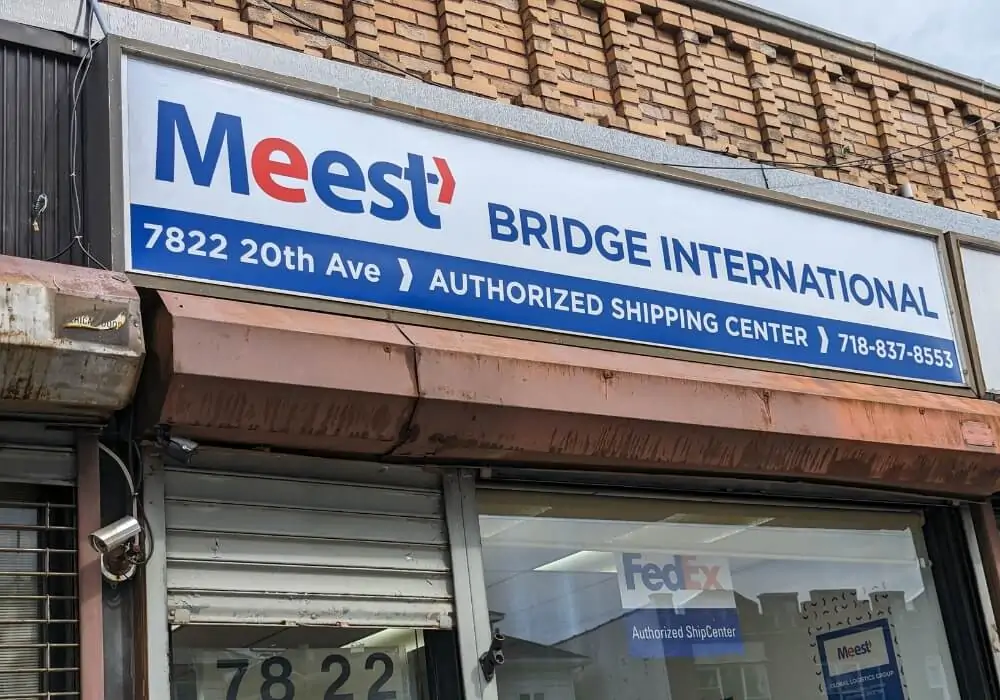
Landlord approval usually comes first, because many towns ask for it with the application. Then the zoning approval and, for most wall and lit signs, a construction permit with electrical review. Your sign company should prepare the drawings and details these ask for. See our sign permit assistance page, and our guide on avoiding commercial sign permit delays.
5. Bridge the Gap With Temporary Signs
If the permanent sign will not be ready in time, a “coming soon” or “now open” vinyl banner keeps the business visible. Check whether the town needs a banner permit and how long it may stay up, and use the same logo and colors as the permanent sign. Our guide on temporary vs permanent business signage covers the handover.
6. Plan the Signs Customers Need on Day One
- Exterior identification: the main sign, such as storefront channel letters or a illuminated light box, and address numbers.
- Entrance: door vinyl with hours and the accessible entrance symbol where needed.
- Windows: window graphics with a clear message about what you offer.
- Inside: service menu, checkout, restrooms and any required room signs.
- Required notices: licenses and posters your industry must display.
Our guide on front door signage explains what the entrance needs.
7. Review in Opening Week
In the first week, watch how customers arrive. Note who drives past the entrance, who asks where the restroom is, and which questions staff answer over and over. Those are the signs to add or adjust. Keep a record of what was installed, the warranty and the permit numbers for later.
Common Questions About Signage for a New Business
When should a new business order its sign?
As soon as the lease is signed, and ideally after checking sign rights before signing. Permits and fabrication often take several weeks.
What signs does a new business need first?
The main exterior sign, because it has the longest lead time, followed by the entrance, windows and the interior signs needed on opening day.
Do I need landlord approval for my sign?
In most leased spaces, yes. Many towns also ask for the landlord’s approval with the permit application.
Can I open without a permanent sign?
Yes, with a temporary banner, if the town allows it. Plan the permanent sign so the banner only covers a short gap.
How much should a new business budget for signs?
It depends on the sign type, size, lighting and permits. Get a quote after a site survey and include permits and installation in the startup budget.
What should I check after opening?
Watch how customers arrive and what staff are asked repeatedly, then add or adjust signs where people hesitate.
Open on Time With the Right Signs
Gogi Signs plans, permits, builds and installs signs for new businesses across New Jersey and New York City, working back from your opening date from the first site survey.
See our Sign Permits page, then request a free quote with your opening date.