Lighting is worth paying for when your customers arrive after dark. When they do not, a well lit wall can do the same job for less.
The choice between illuminated vs non illuminated signs comes down to when your customers need to see you. A business that trades into the evening, faces a busy road or sits back from the street usually gains a lot from lighting. A daytime office, a boutique on a lit street or a sign inside a lobby often does not.
Lighting also changes the build, the permits and the upkeep, so it is worth deciding early. This guide compares the options and the trade offs, and ends with a simple way to choose.
The Lighting Options
| Option | How it lights | Suits |
|---|---|---|
| Front lit channel letters | LEDs shine through translucent faces | Retail strips, restaurants, busy roads |
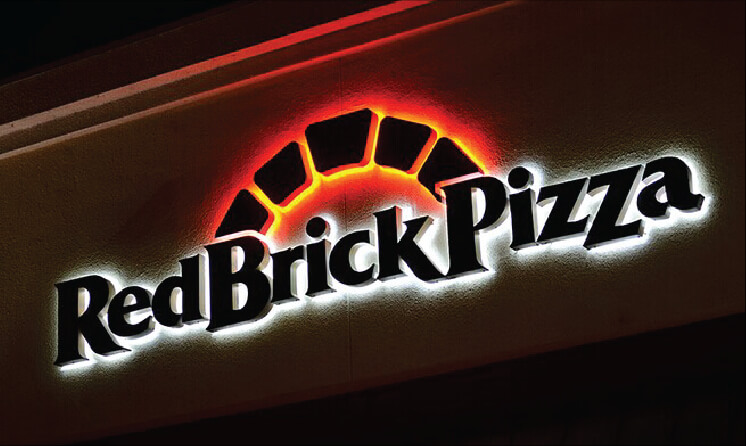
| Halo lit letters | LEDs light the wall behind solid letters | Offices, boutiques, upscale storefronts |
| Light box sign | LEDs behind a printed face panel | Plazas, tenant panels, changeable branding |
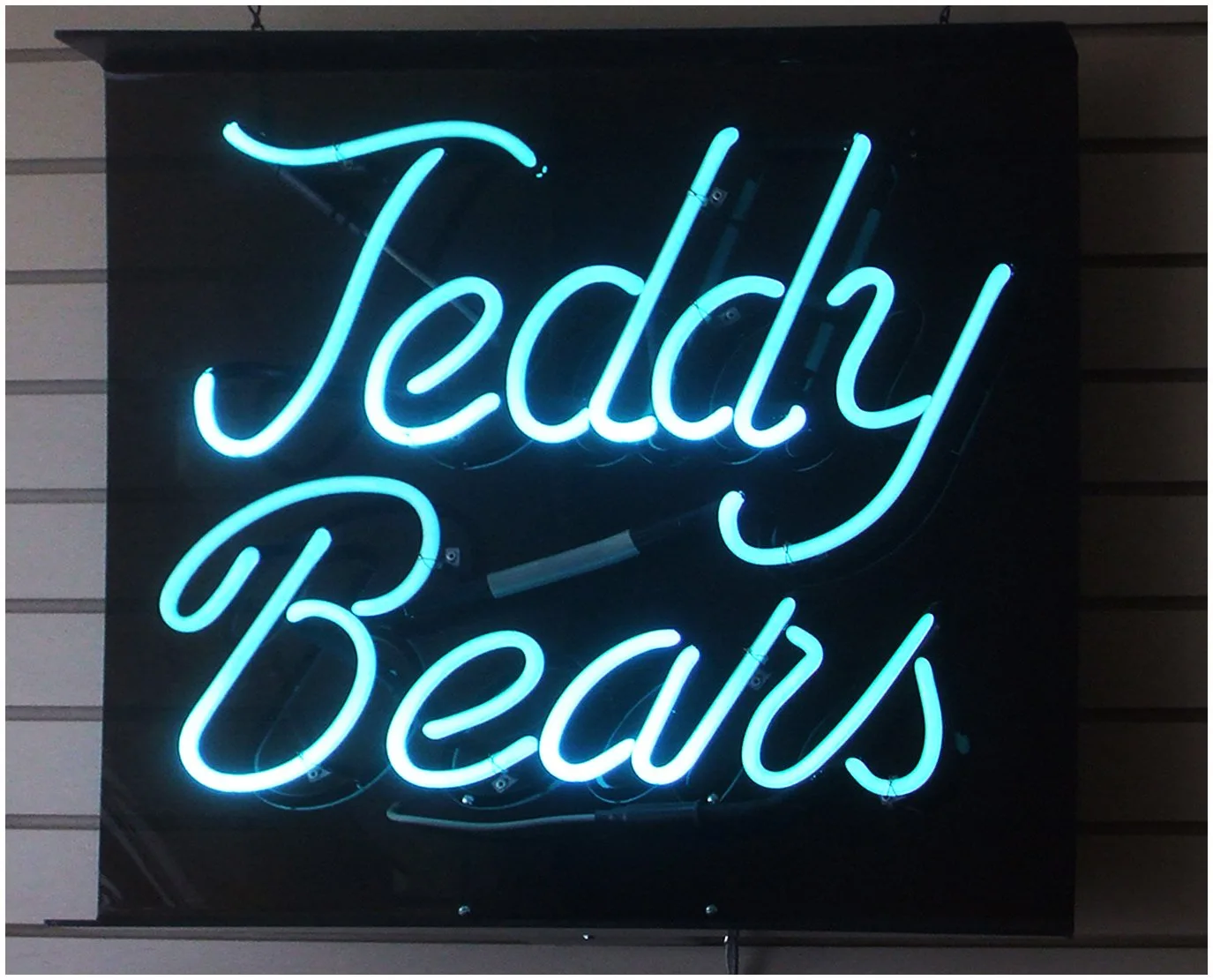
| Neon or LED neon | Visible glowing tubes | Bars, cafes, window and interior features |
| External lighting | Gooseneck or spot lights aimed at the sign | Painted, carved and flat panel signs |
| Non illuminated | Daylight and street lighting only | Daytime businesses and lobby signs |
Front lit channel letters give the strongest night visibility, while halo lit letters give a softer glow that suits refined brands. A light box sign is the simplest to rebrand, because only the face changes. Our guide on channel letter signs explains the letter types in more detail.
When Illuminated Signs Make More Sense
- You trade after dark: in winter, many evening customers arrive after sunset.
- You face a road: drivers need to read the sign early at night, as with Clifton business signs on Route 46 or Middletown signs on Route 35.
- You sit back from the street: or share a plaza with lit neighbors.
- Your landlord requires it: many shopping centers specify lit letters.
Research published by the United States Sign Council Foundation on legibility found that how a sign is lit affects how far away it can be read at night. That distance matters most to drivers, who have only a few seconds to spot a sign and turn in.
When Non Illuminated Signs Are the Better Choice
- Daytime hours: offices, clinics and services that close before dark.
- Lit surroundings: streets where shop windows and street lights already light the facade.
- Interior signs: lobby and reception signs lit by the room.
- Strict local rules: historic districts and residential edges that discourage internal lighting.
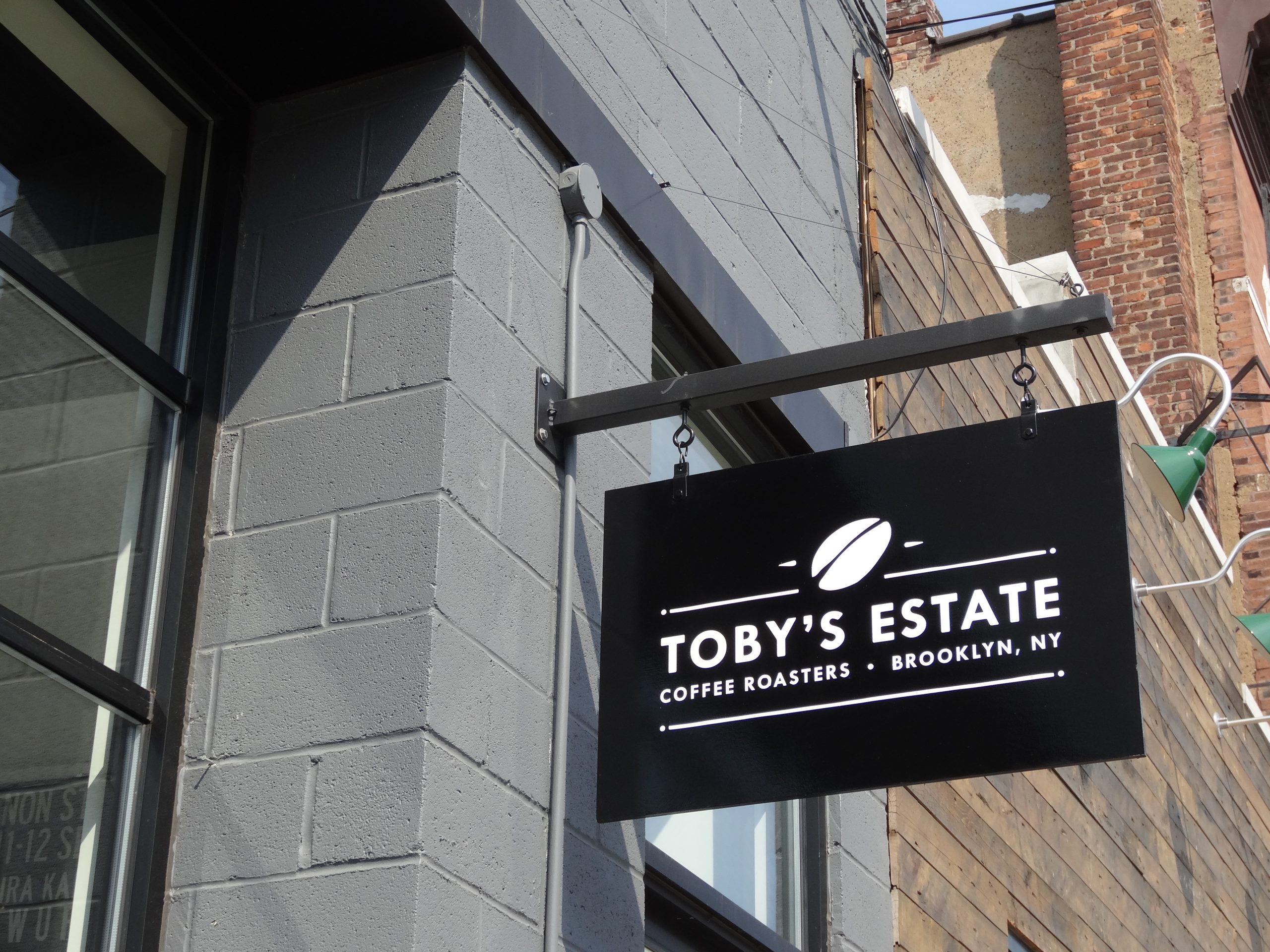
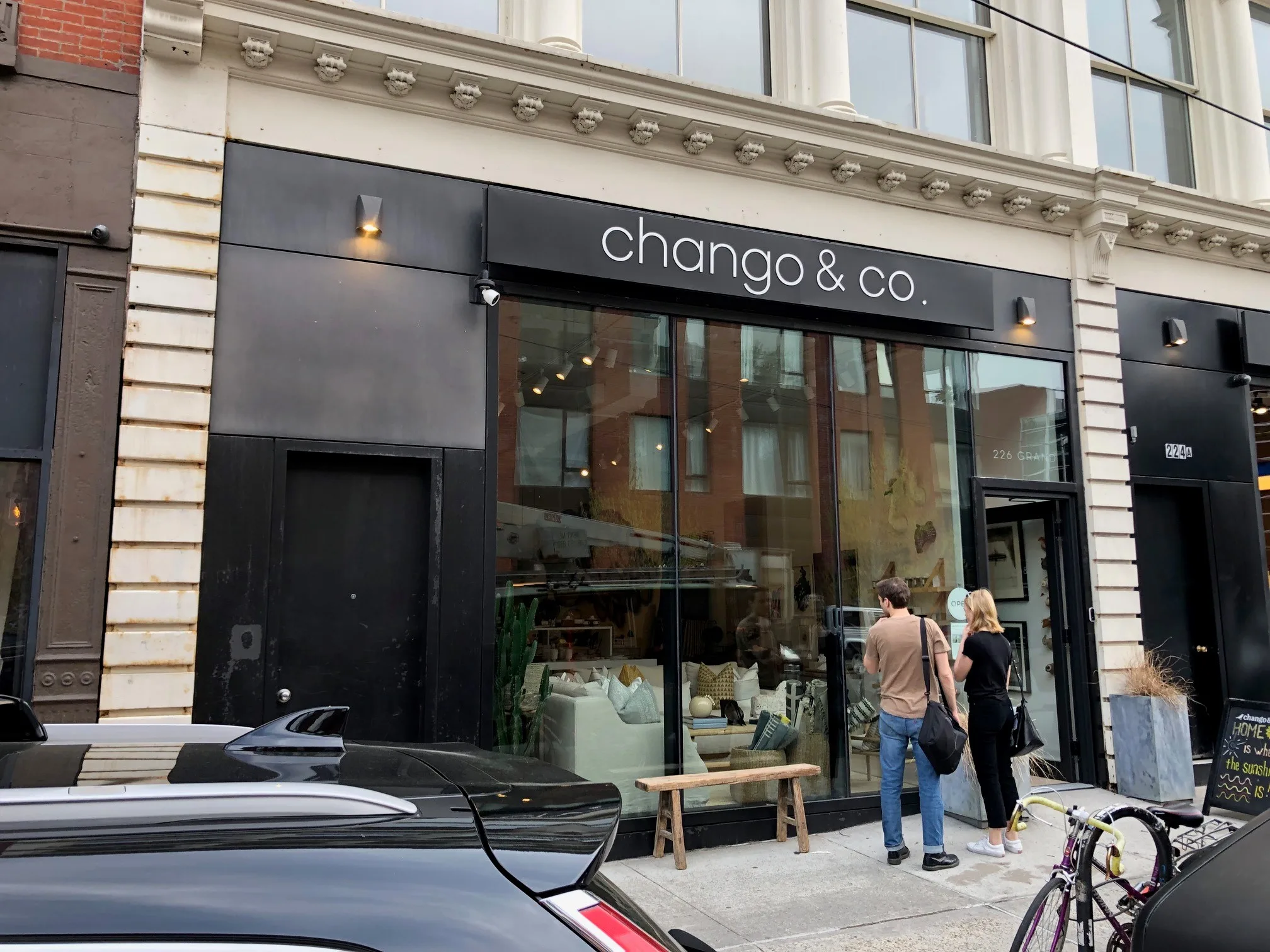
A non illuminated sign does not have to disappear at night. Gooseneck lights or small spot lights aimed at a painted, carved or flat panel sign can give it presence after dark without internal wiring. See our Metal Signs page for durable unlit options.
What Changes With Lighting
Cost
An illuminated sign costs more to build, because each letter or cabinet carries LEDs, power supplies and wiring. It also needs a power source at the sign, an electrician to connect it and, usually, an electrical permit. If there is no power where the sign will go, running it can add a meaningful amount to the job. Our guide on what affects the cost of commercial signs explains the main drivers.
Permits and Rules
Electric signs must be listed and installed to Article 600 of the National Electrical Code, and in New Jersey the connection is licensed electrical work with its own permit and inspection. Many towns also limit lighting, for example by banning flashing or animated signs, restricting lit signs near homes, or requiring lights to go off after closing. Our guide on town sign regulations shows where to find those rules.
Maintenance
LED lighting lasts far longer than the neon and fluorescent tubes it replaced, but power supplies and modules do eventually fail. A dark letter or a dim section is easy to spot and usually a quick sign repair, as long as the sign can be reached. Unlit signs need little more than cleaning and an occasional check of the fixings.
Most Properties Use Both
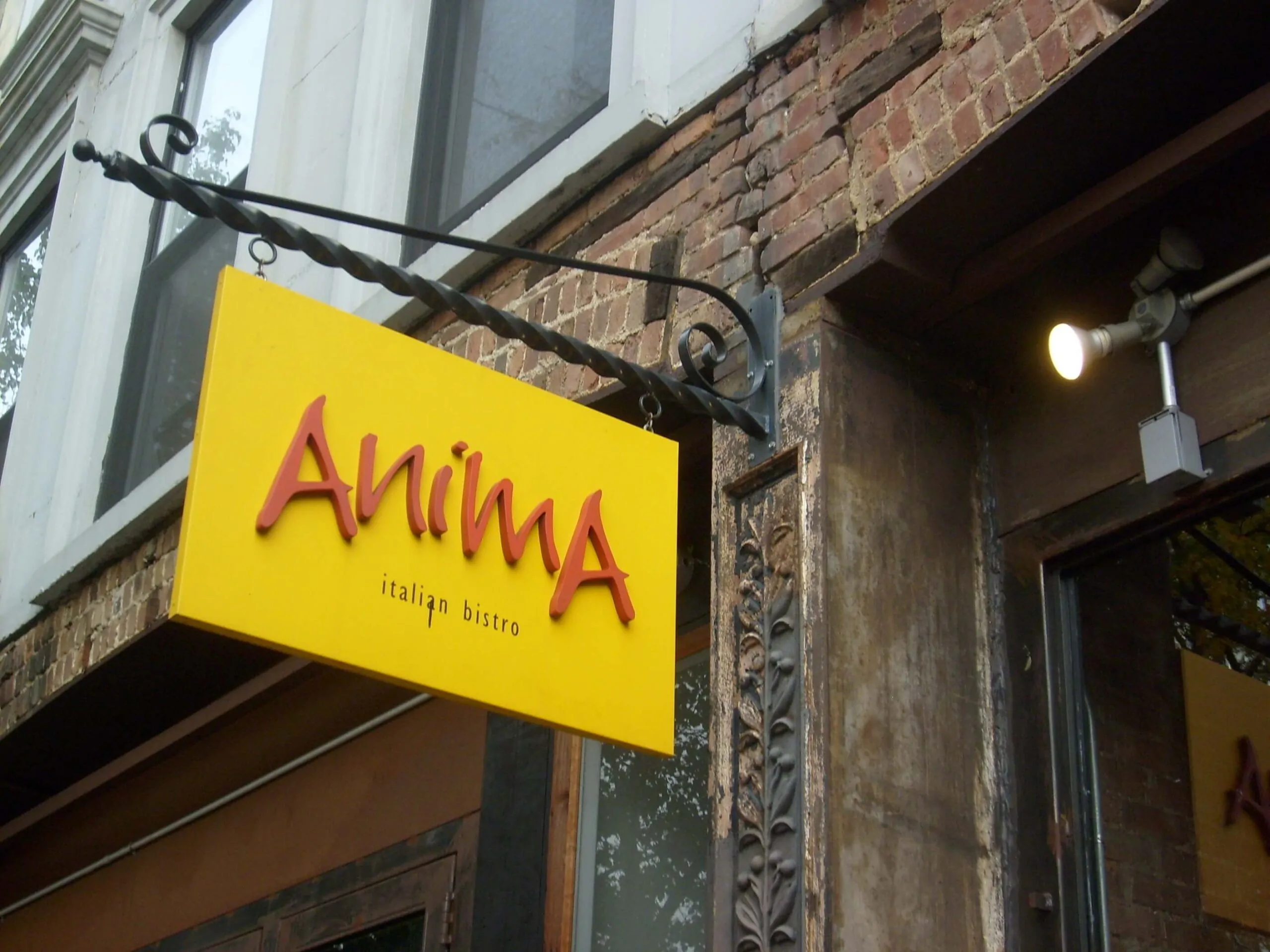
The answer is rarely all or nothing. A typical storefront pairs a lit main sign with unlit door vinyl, a lit or spot lit blade sign, and non illuminated interior signs. A plaza may light its pylon and tenant letters while keeping directional signs unlit. Deciding sign by sign usually gives the best result for the budget.
Common Questions About Illuminated Signs
Are illuminated signs worth the extra cost?
Often, yes, if customers arrive after dark or you face a road. For a daytime business on a well lit street, an unlit sign with good contrast may do the same job.
Do illuminated signs need a permit in New Jersey?
In almost every case, yes. They need the town’s sign approval and, because they are wired, an electrical permit and inspection as well.
How long does LED lighting in a sign last?
Many years. The LED modules usually outlast the power supplies, and both can typically be replaced without rebuilding the sign.
Can I light an existing sign later?
Sometimes. Flat signs can often be lit externally with gooseneck or spot lights, while adding internal lighting usually means building a new sign.
Is halo lighting as visible as front lighting?
Not from a distance. Front lit letters read farther away at night, while halo lighting gives a softer look that suits closer viewing.
Does my town limit sign lighting?
Many do. Common rules ban flashing signs, limit lighting near homes or require lights off after closing, so check the ordinance before you design.
Lit or Unlit, Built to Last
Gogi Signs designs, builds and installs illuminated and non illuminated signs across New Jersey and New York City, with licensed electrical work and permits handled for every lit sign.
See our illuminated channel letters page for lighting styles, browse the sign gallery, then request a free quote.