Middletown, New Jersey
Middletown Sign Company for Shopping Centers and Professional Offices
Gogi Signs designs, fabricates, prints, installs, repairs and replaces commercial signs throughout Middletown Township: roadside identification along Routes 35 and 36, close-range storefronts in the neighborhood business areas, and the directories, ADA signage and facility signs the office and medical properties need inside.
20+ Years Experience
Serving New Jersey Since 2005
In-House Production
Fabrication & Large-Format Printing
Commercial Installation
Insured Installation Crew
Middletown & Monmouth County
Township-Wide Sign Service
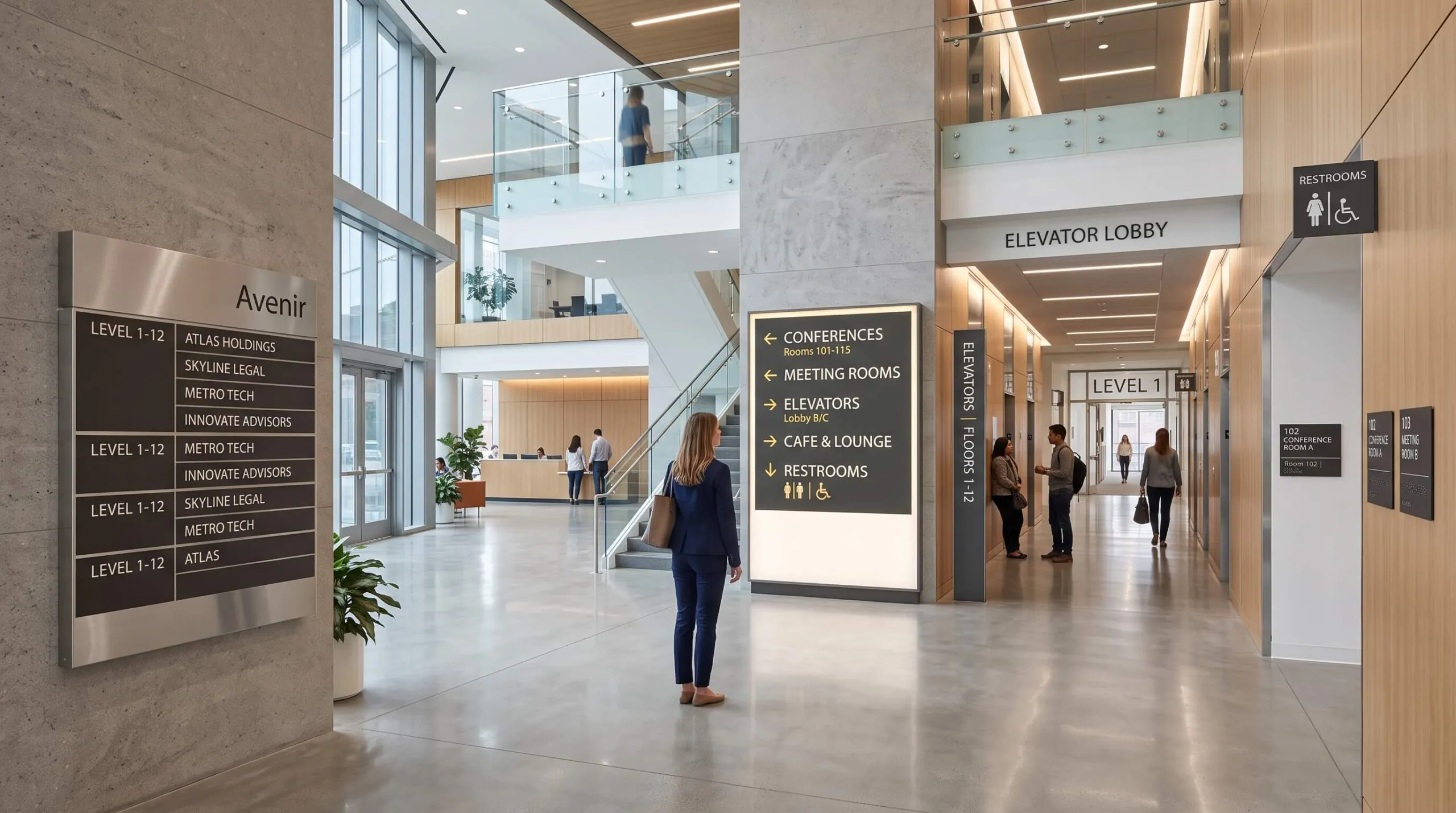
Sign Company in Middletown
Several Commercial Markets Inside One Township
Middletown stretches across highway commercial corridors, neighborhood business centers, professional offices, medical practices, restaurants, service businesses, waterfront communities and larger commercial properties from Route 35 to Route 36 and the Bayshore.
Its commercial activity is not concentrated in one downtown. The Township’s Master Plan identifies Routes 35 and 36 as the primary commercial corridors, developed over time into major shopping areas serving Middletown and the surrounding communities, and separately identifies smaller neighborhood commercial zones intended for more localized business activity. The same framework recognizes office and business-park development connected to the Garden State Parkway, and a Marine Commercial district near the Raritan Bay area.
A sign facing Route 35 has a different job from one above a neighborhood storefront, and a business on Route 36 may sit inside an area under continuing redevelopment planning. We build around the individual property rather than using one Middletown formula.
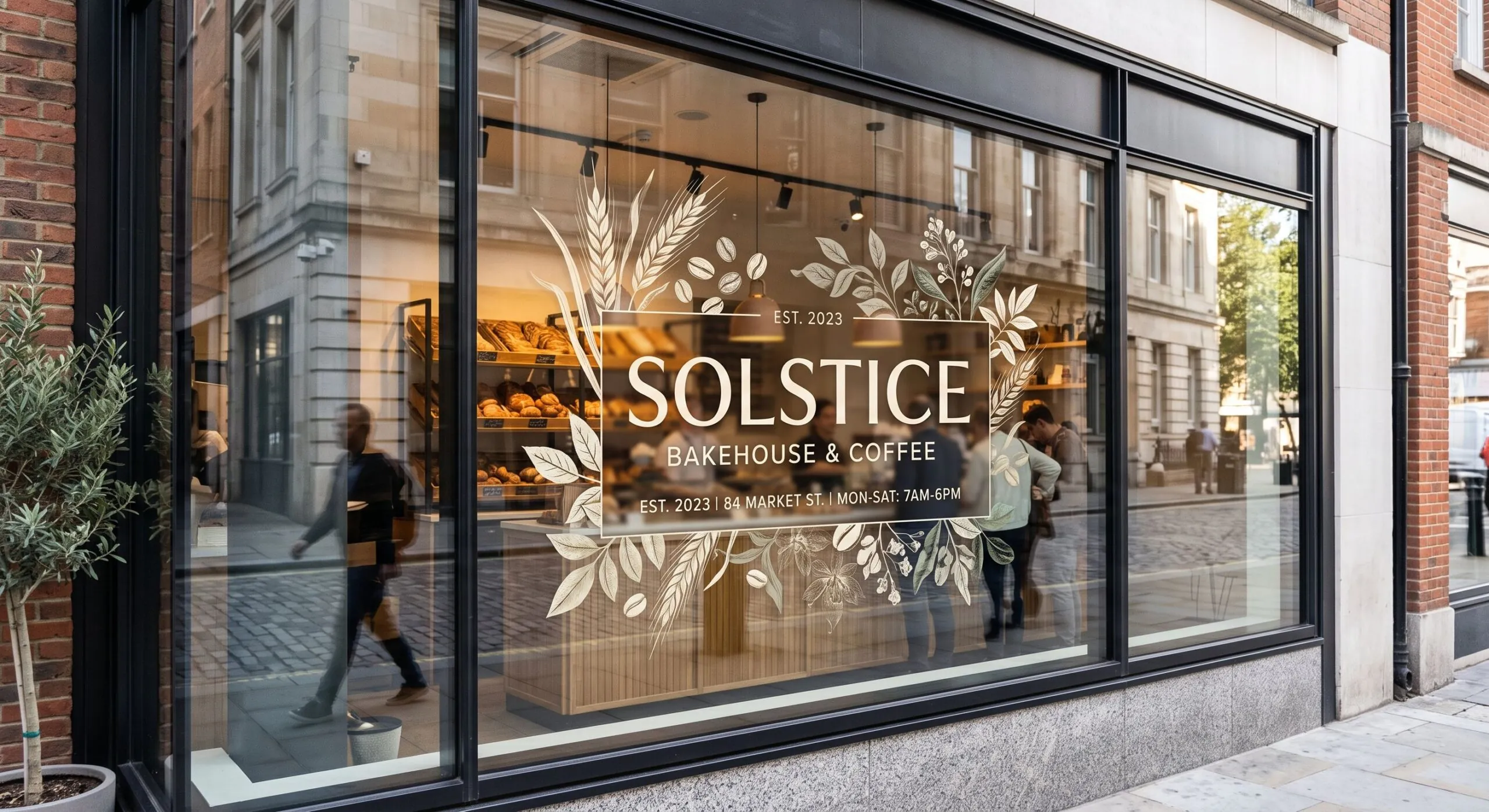
Six Sign Markets
Six Sign Environments Across the Township
These are not variations on a theme: they take genuinely different sign packages, and one of them does not exist yet.
Primary Corridor
Route 35
Larger retail properties, restaurants, shopping areas, medical businesses, service companies and commercial buildings where signs need to read from farther away.
Corridor & Redevelopment
Route 36
A long commercial corridor mixing established businesses with properties affected by continuing redevelopment planning: the Township’s study divided it into three sections for review.
Neighborhood Business
Local Business Areas
Smaller storefronts serving nearby residential communities, where customers approach more slowly and signage can work at closer scale.
Parkway Offices
Office and Professional
Office and business-park development connected to the Garden State Parkway, where exterior identification is the beginning of the package rather than the whole of it.
Marine Commercial
Bayshore and Waterfront
Businesses serving local communities, marine activity, visitors and restaurants near the Raritan Bay area, alongside future redevelopment.
Planned
Port Belford
The Township reported plans at its 2025 small-business roundtable for future shops, restaurants, an amphitheater and other development intended as a new community hub: a sign environment still to come.
Chapter 540
Middletown Sign Requirements Sit Inside the Land-Use Framework
The Planning and Community Development Department administers the Township’s development process through the Planning and Development Regulations under Chapter 540, and the sign standards live inside that broader framework rather than in a standalone chapter.
A 2025 Planning Board review shows how it works in practice. The Board referenced Section 540-635L in reviewing a commercial applicant’s proposed building-mounted signage: the applicant needed variance relief for proposing two building-mounted signs where one was permitted, and each proposed sign still had to comply with the applicable wall-area limit. Relief on quantity did not remove the limit on size.
That is one application rather than a township-wide allowance. Different zones, property conditions, site-plan approvals and redevelopment plans can all change the project, which is why no universal maximum sign size applies across Middletown. Before fabrication we need:
- Exact address
- Zoning district
- Redevelopment-area status
- Tenant frontage
- Building façade
- Proposed sign type
- Existing signage
- Sign dimensions
- Mounting location
- Illumination
- Property-owner requirements
- Any site-plan conditions
The application is filed by you or your landlord. We assist with permits; we do not file them on your behalf.
Redevelopment Areas
A Redevelopment Plan Can Supersede the General Sign Rules
This is the wrinkle that matters more here than any single dimension. Middletown currently lists multiple designated redevelopment and rehabilitation areas, Route 36, River Centre, North Middletown, Port Belford and other properties, and for a property inside an adopted redevelopment area, the plan may establish its own sign requirements.
Township redevelopment documents make it explicit: a redevelopment plan can supersede conflicting requirements in the general Chapter 540 sign regulations. A sign designed correctly against the general ordinance may still need changing if the property sits inside a redevelopment area operating on another sign schedule.
The order that follows is the same one that protects the budget: confirm the address, confirm whether it falls in a redevelopment area, read whichever standard actually governs, then design. Reversed, the drawing gets done twice, and on a fabricated letter set, the second time is not free.
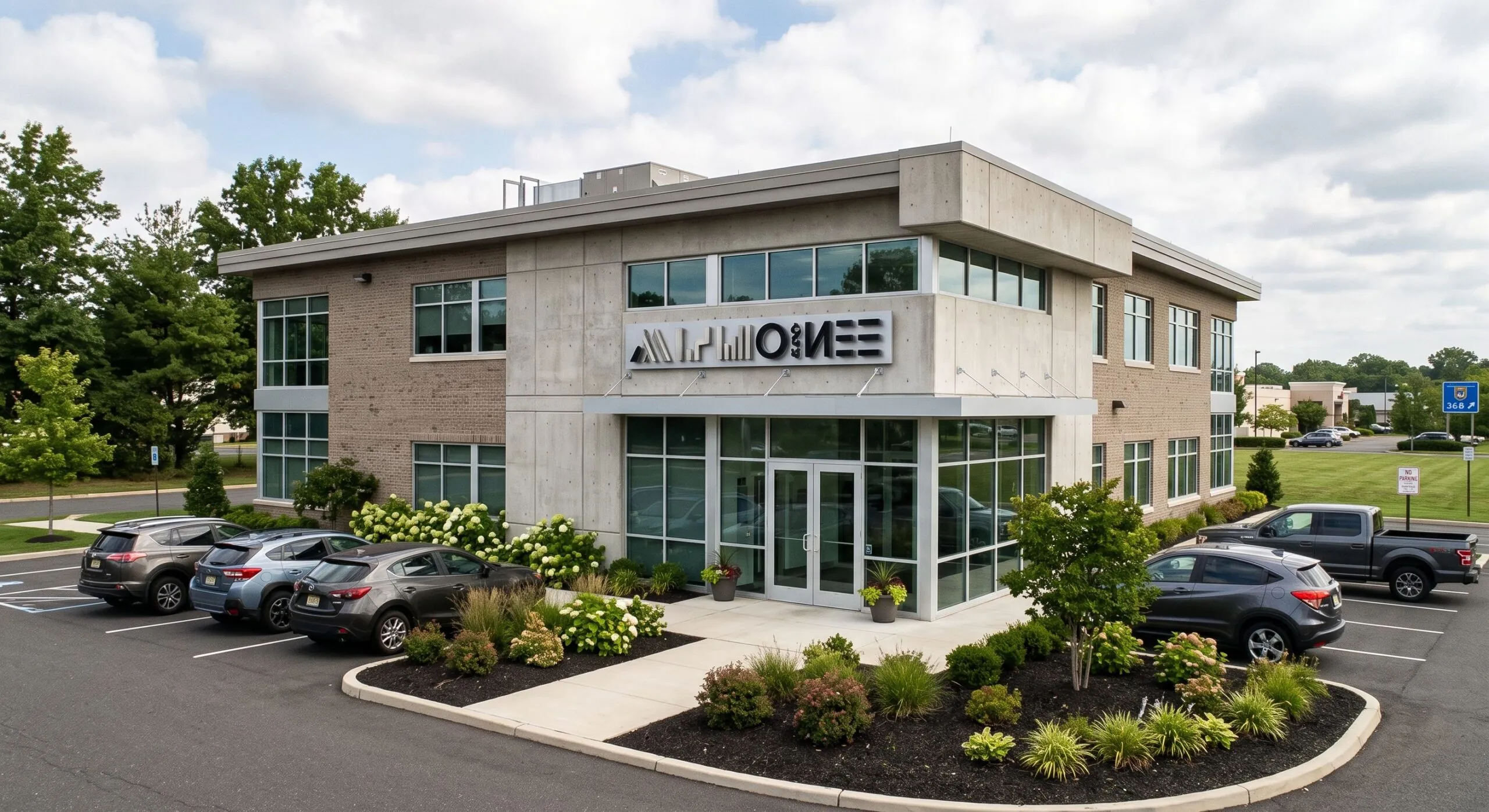
Routes 35 & 36
Highway Signage Communicates Differently
A driver may see the business for only a few seconds before reaching the entrance, which changes six decisions before any styling is considered:
- Viewing distance. The sign is sized for where customers first see the building, not for how large it looks from the parking lot.
- Letter size. A deeper building setback needs larger, simpler lettering.
- Contrast. Letters and logos need separation from the building background to stay readable among neighboring businesses, parked vehicles, landscaping and traffic.
- Building scale. A small sign disappears on a broad retail façade even when it technically fits above the entrance.
- Illumination. Permitted illuminated signs with even lighting, for businesses operating into the evening.
- Copy. The farther the viewer, the less the primary sign should carry.
A business name and recognizable logo communicate more at speed than several lines of services, contact information and a slogan. The secondary material moves to windows, doors, directional signs and interior graphics, where a customer who has already arrived can actually read it.
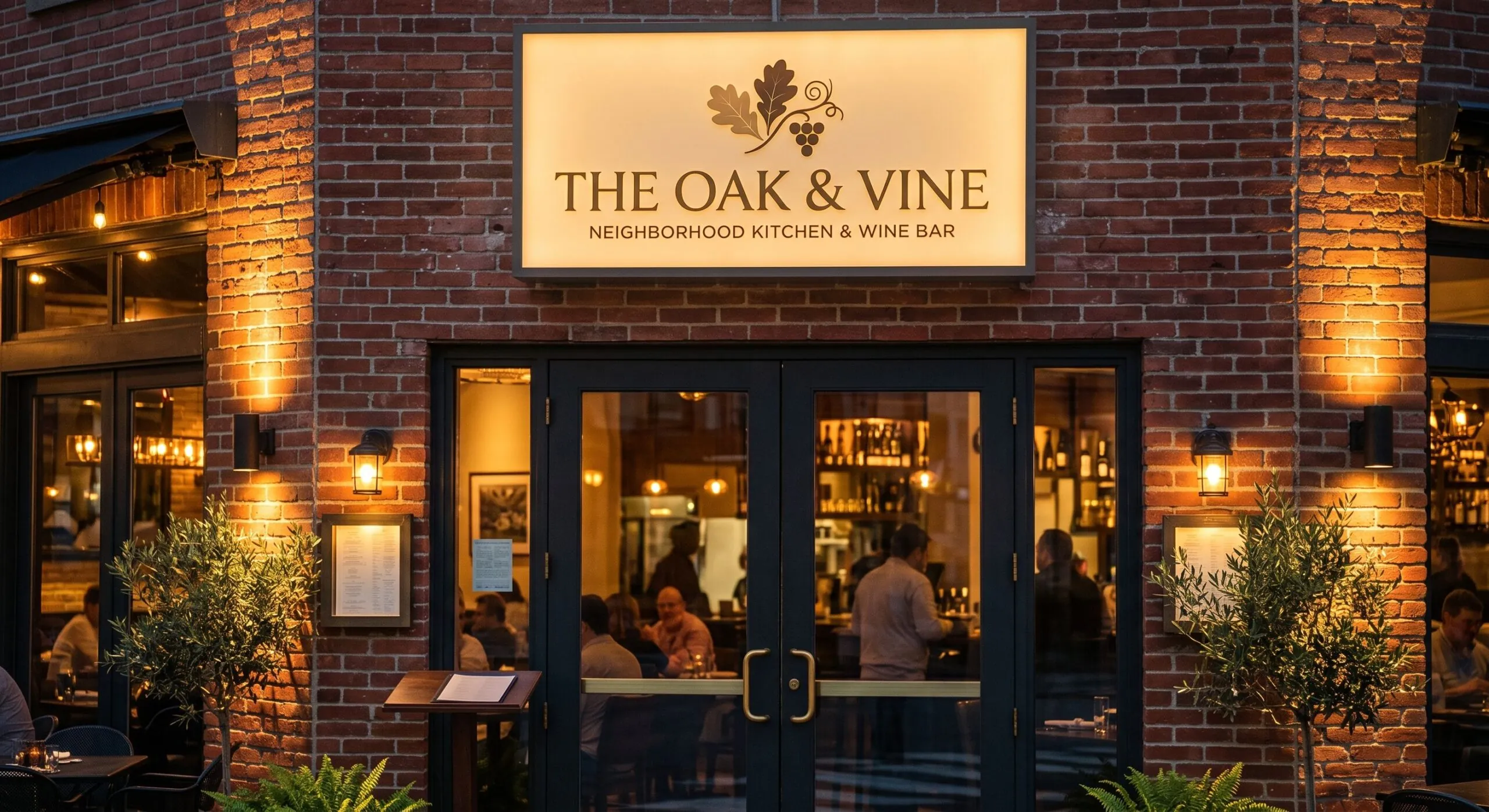
Our Products
Signs We Make for Middletown Businesses
Our New Jersey shop produces fabricated, printed, exterior, interior, temporary and replacement signage throughout Middletown Township.
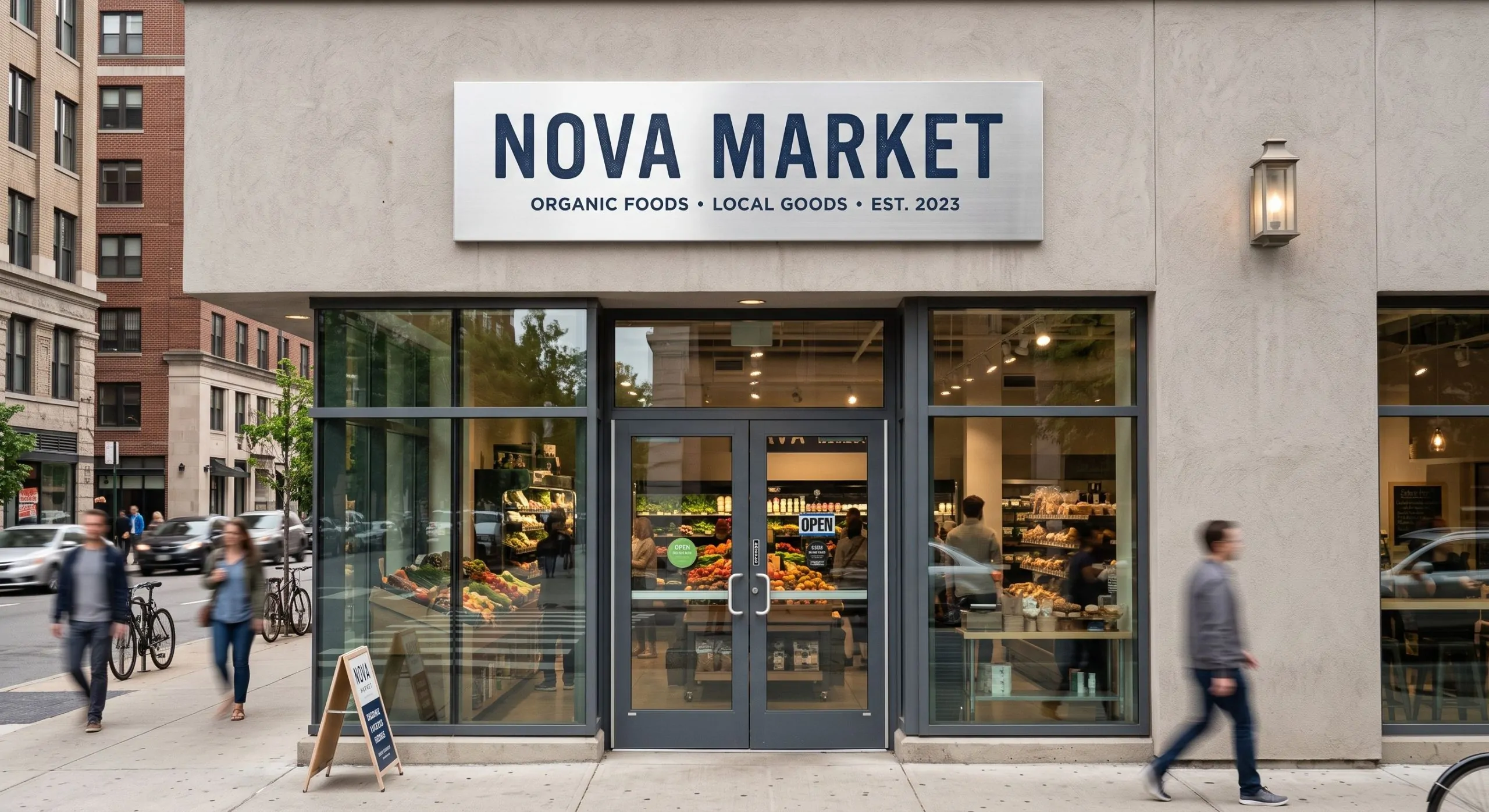
Storefront Signs
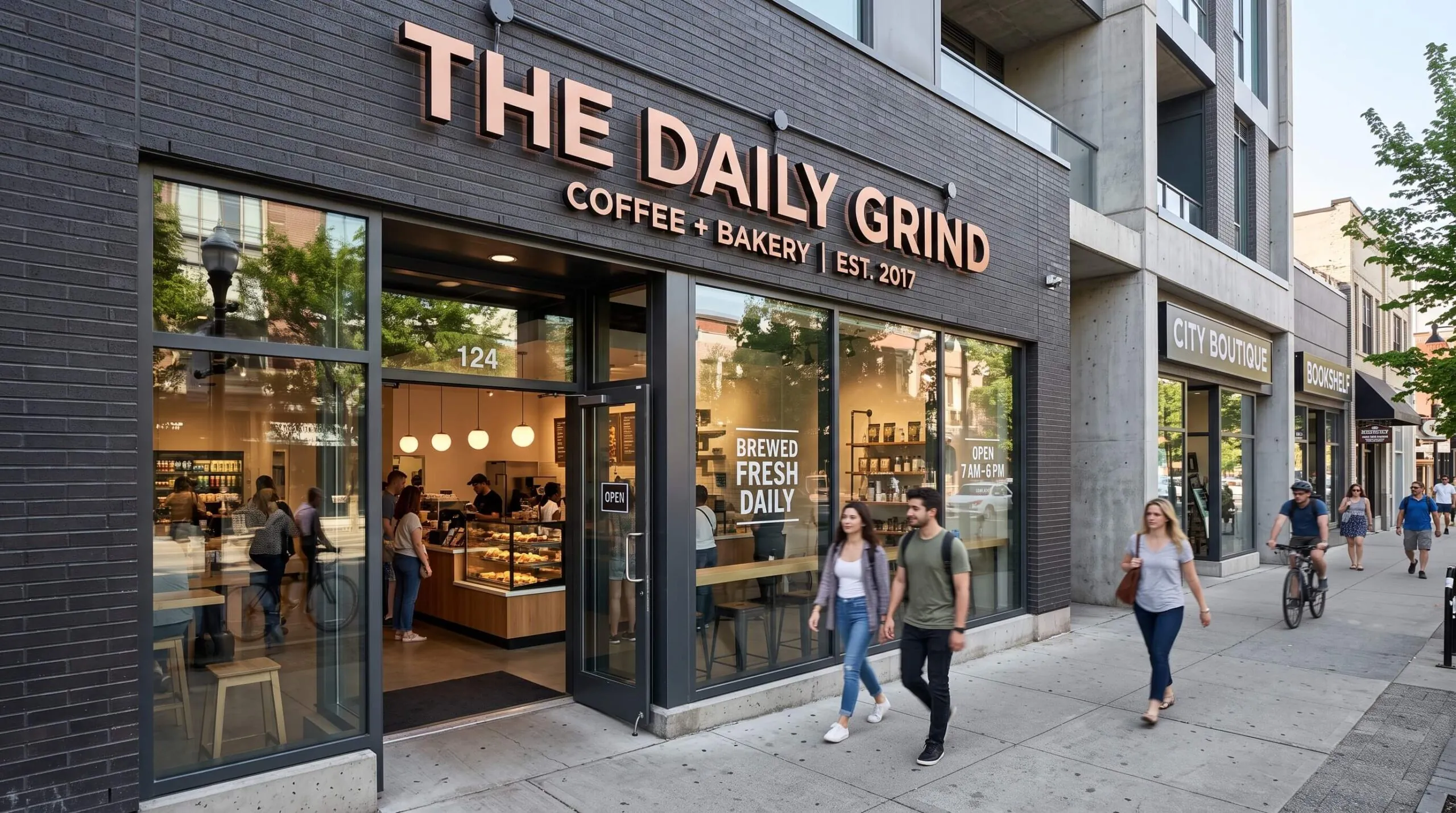
Custom commercial identification designed around the tenant frontage, building architecture, viewing distance and property conditions.
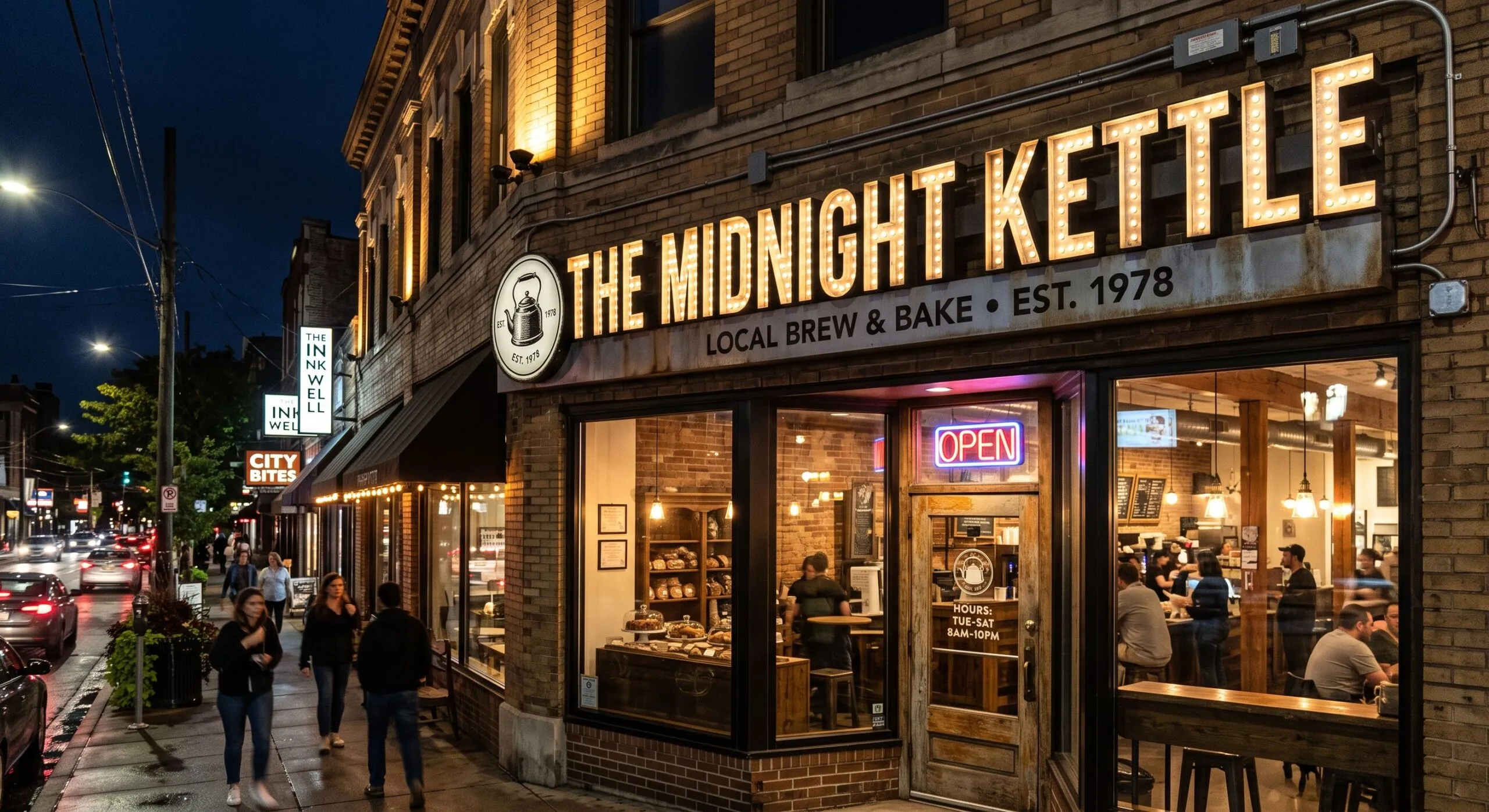
Channel Letters
Fabricated illuminated and non-illuminated letters for retail stores, restaurants, offices, healthcare businesses and commercial buildings.
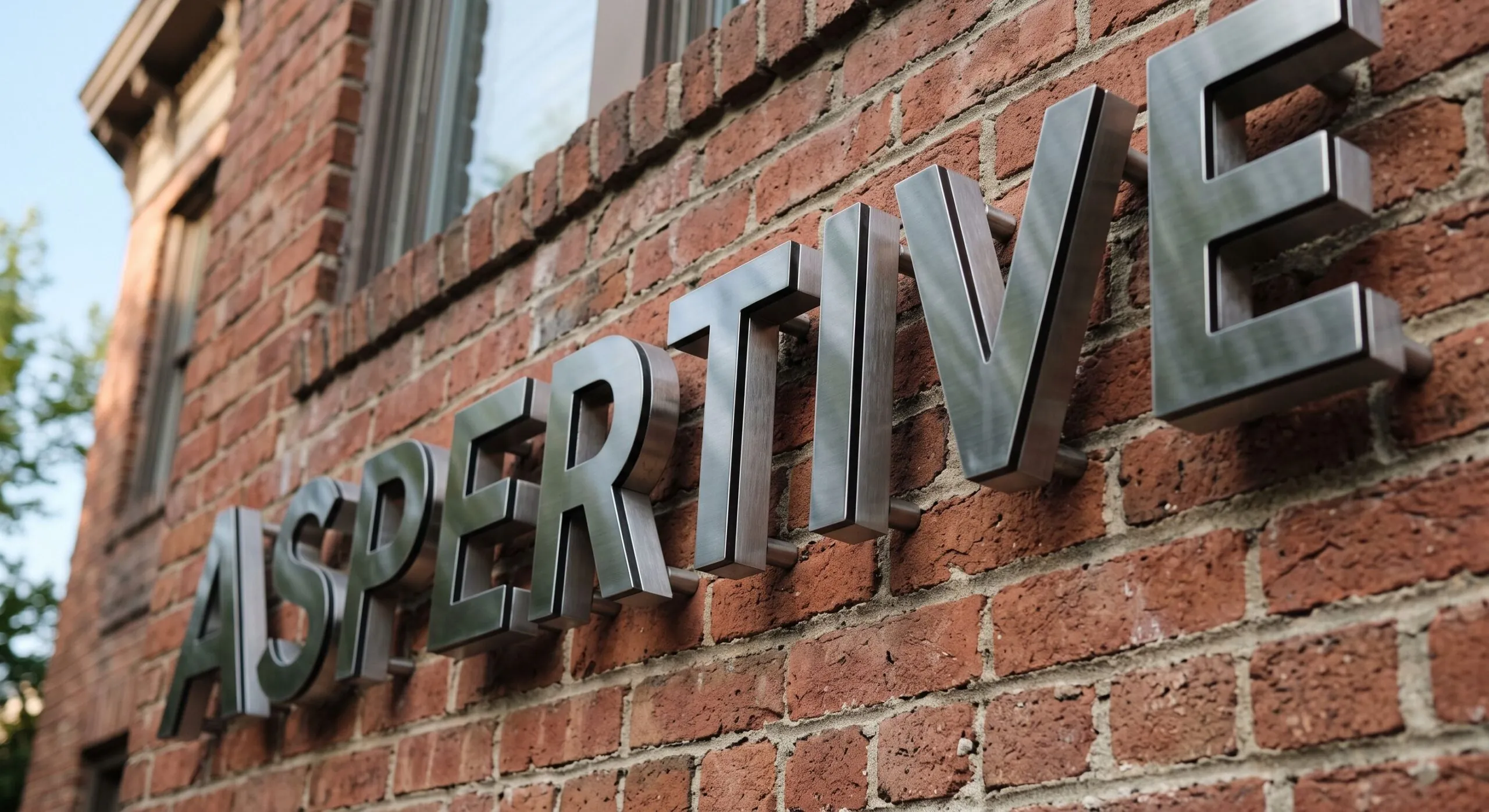
Dimensional Letters and Logos
Metal, acrylic and PVC dimensional lettering for exterior walls, entrances, lobbies, offices and reception areas.
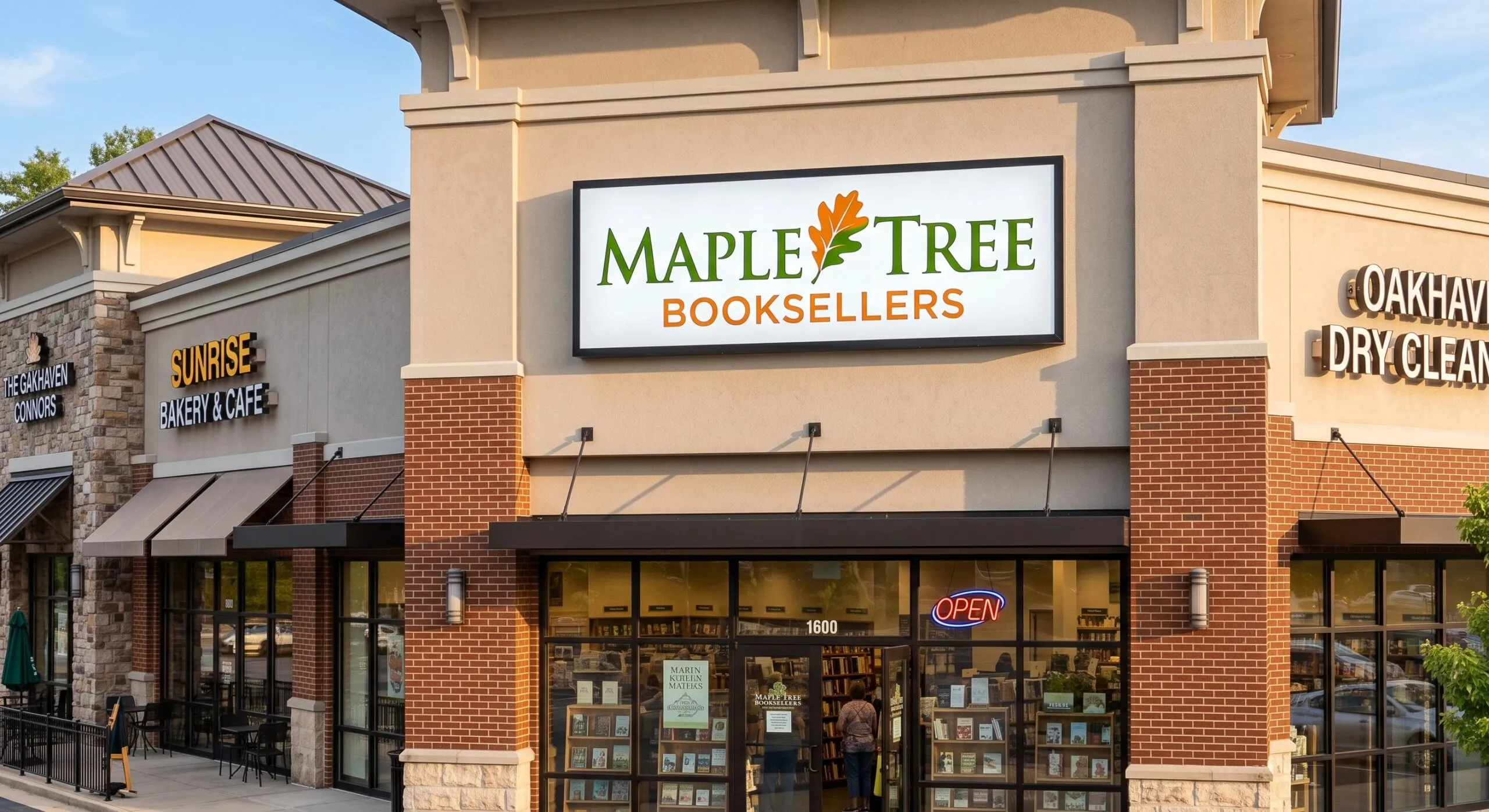
Sign Cabinets and Replacement Faces
Replacement faces, tenant changes, graphics and lighting service for existing usable cabinet structures.

Custom Awnings
Fabric awnings for restaurants, retailers, offices, salons, medical practices and commercial entrances.
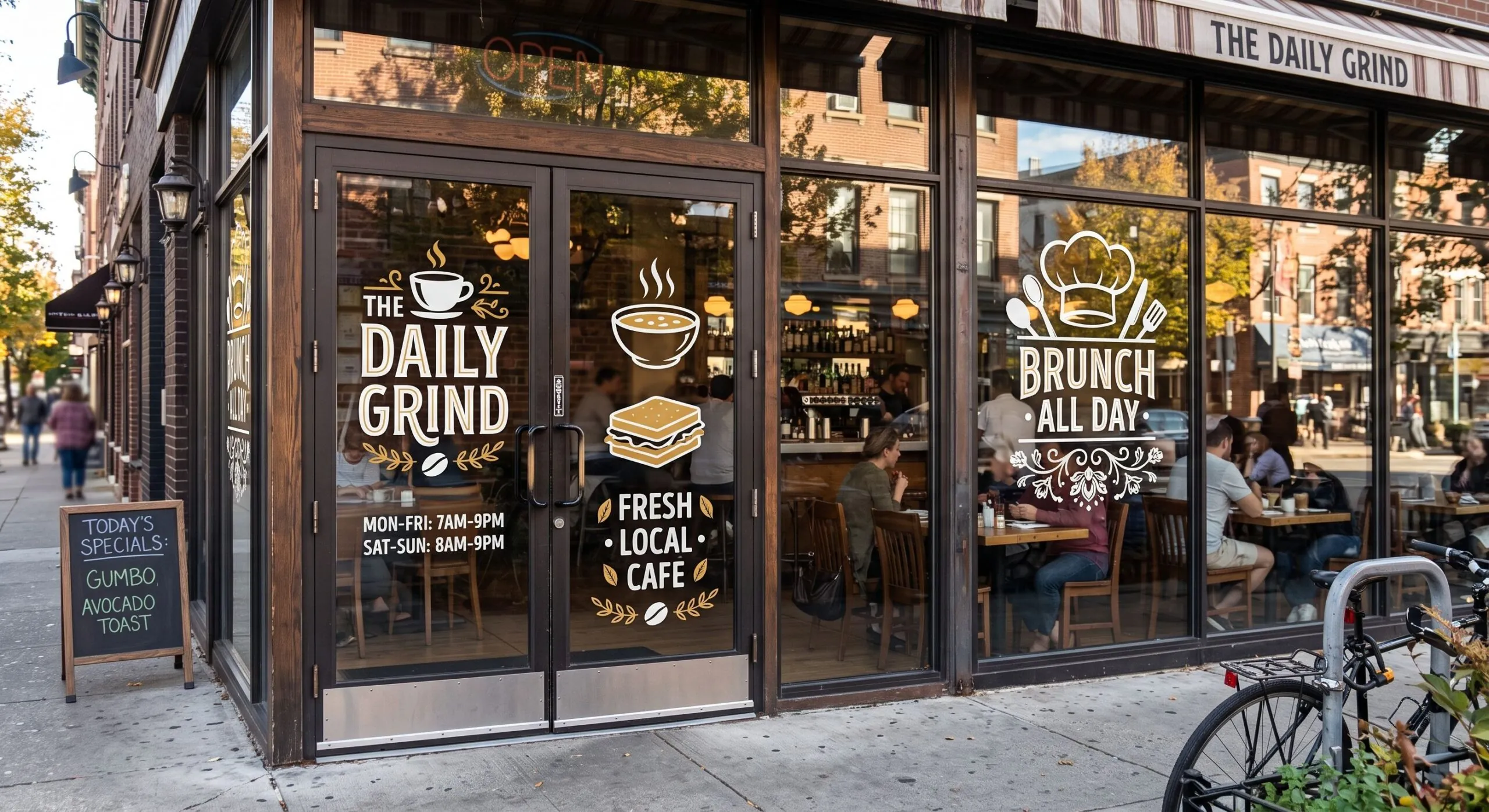
Window Graphics and Lettering
Business names, logos, operating hours, printed graphics, privacy film, decorative treatments and temporary promotions.

Directories and Wayfinding
Building, floor, office, tenant and department directories, plus entrances, exits, visitor parking, deliveries and pickup points.
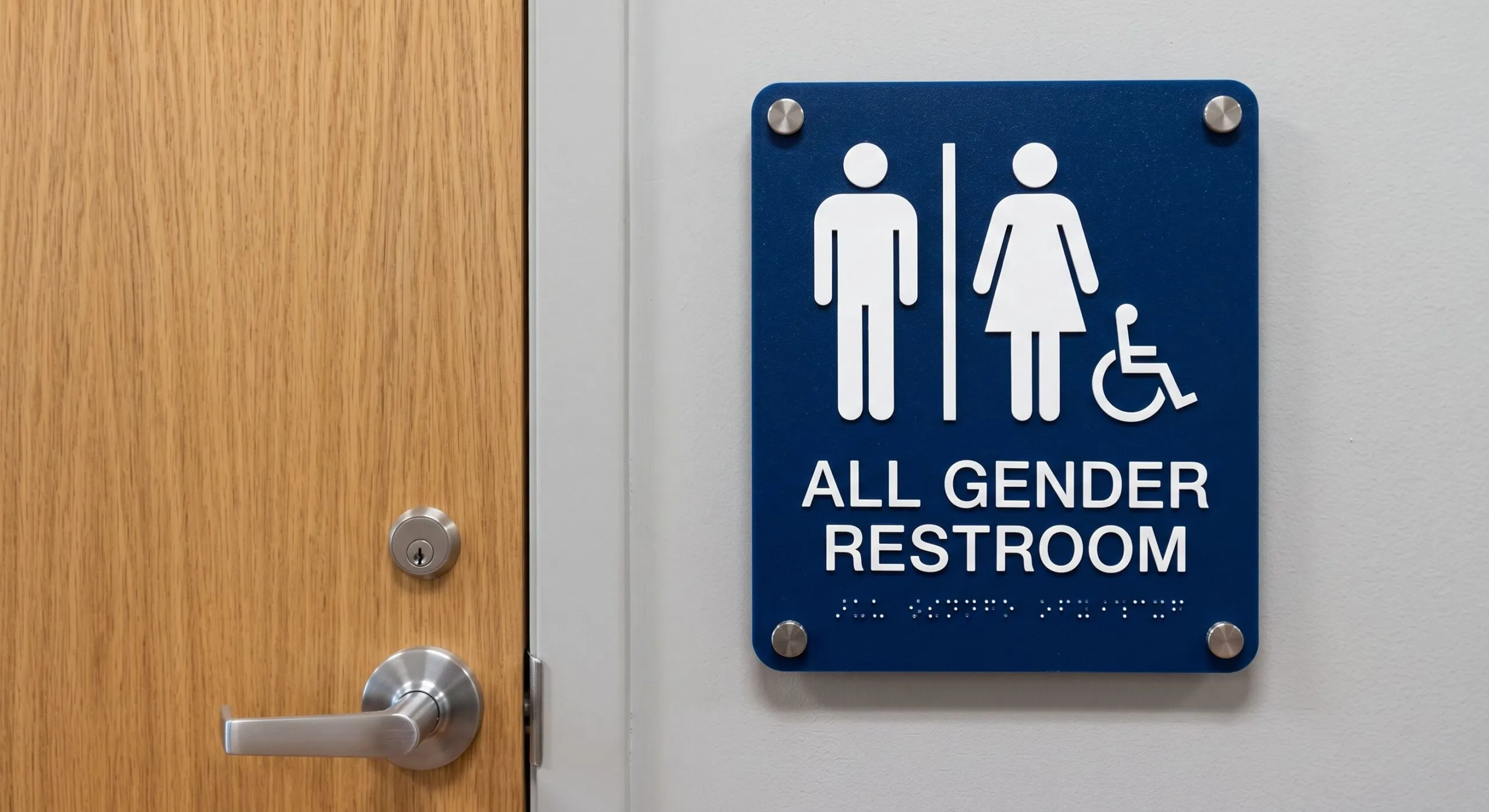
ADA, Office and Suite Signs
Tactile room identification, Braille signs, accessible restroom identification, room numbers, plaques and replaceable tenant nameplates.
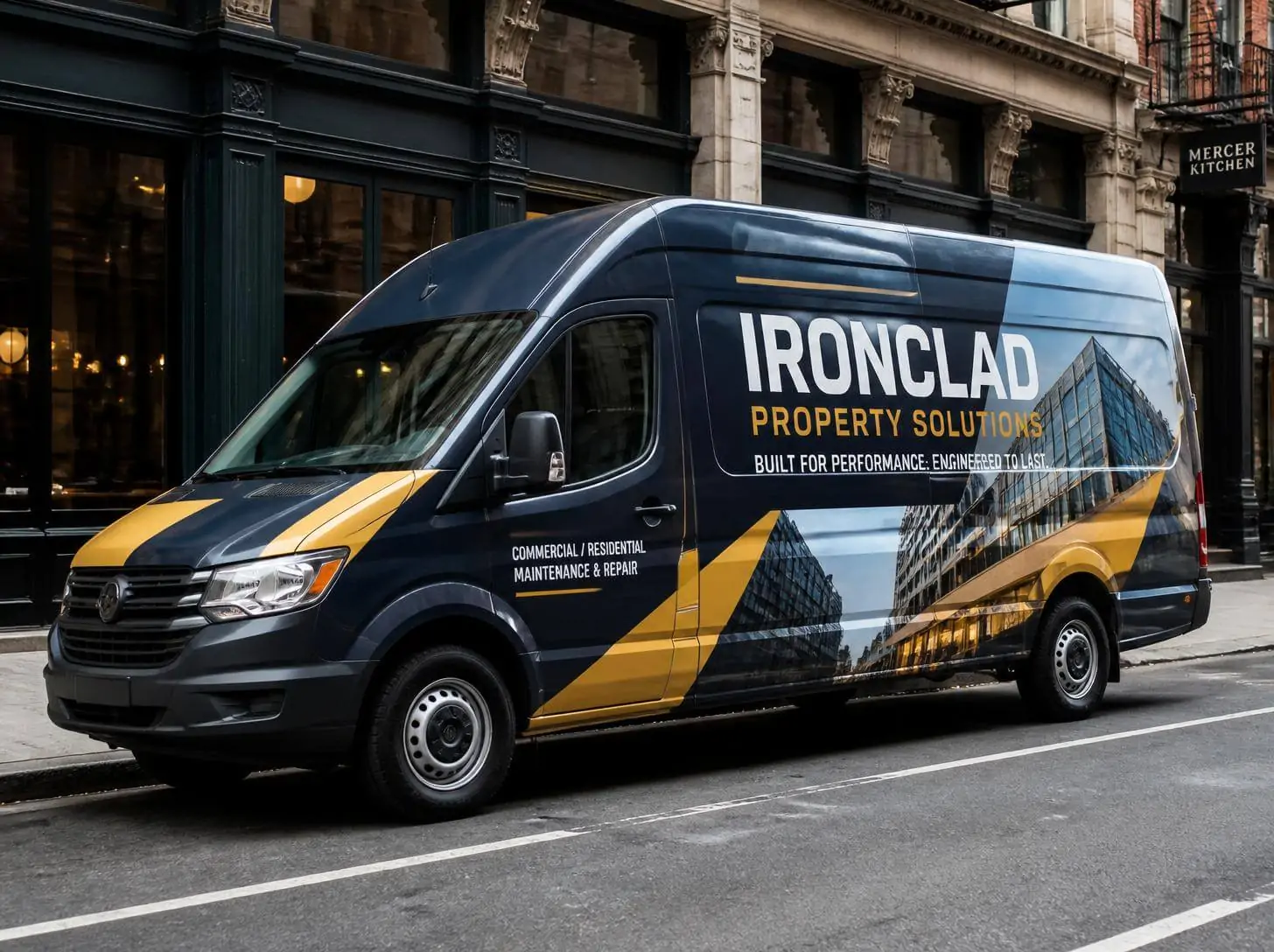
Vehicle Graphics and Lettering
Commercial lettering, logos, decals, DOT identification where required, contact information and fleet graphics.
How It Works
From Site Survey Through Installation
Gogi Signs has served New Jersey businesses since 2005, and handles the project from initial measurements through fabrication, installation, repair and future changes.
01
Site Survey
We measure the storefront, commercial building, office or interior area and document the existing signage, mounting conditions and customer approaches.
02
Design and Planning
Artwork is fitted to the actual property, available sign area, materials, construction, visibility conditions and whichever standard governs the address.
03
Fabrication and Printing
Approved work moves through fabrication, cutting, large-format printing, vinyl production, finishing and electrical assembly where applicable.
04
Installation
Our insured installation crew coordinates access, removes old signage where that is included, and installs the completed signs and graphics.
05
Future Service
When tenant information changes, lighting needs repair, window graphics need replacement or another sign is needed, we can return to the property.
Neighborhood Storefronts
Not Every Middletown Business Sits on a Highway
The planning framework specifically distinguishes the neighborhood commercial zones from the Route 35 and Route 36 corridors. Those smaller business areas are meant to serve more localized trade, often close to nearby residential communities, and signage there works on different terms.
A customer approaches at lower speed or from a nearby parking area. Windows become more useful. An awning can define the entrance. Dimensional lettering reads well because the façade is close to the viewer rather than three hundred feet from them.
- Main storefront sign
- Dimensional letters
- Channel letters
- Custom awning
- Window lettering
- Door hours
- Privacy graphics
- Interior reception sign
The primary sign identifies the business; the supporting surfaces carry what customers need once they have arrived. It is the same division the highway corridor uses, but here the whole sequence happens within about twenty feet.
Offices & Medical
Exterior Identification Only Gets a Visitor to the Property
Middletown’s planning history includes office and business-park development in areas with Garden State Parkway access, and for professional offices, medical practices, financial services and consultants the exterior sign is the start of the job. Once inside, a visitor still has to locate the correct tenant.
A coordinated package covers building-mounted signs, tenant identification and entrance signs; lobby directories with tenant names, floors and suite numbers; reception signs; suite identification with office names, department signs, room numbers and replaceable tenant plaques; privacy graphics for offices, conference rooms, treatment areas and glass partitions; ADA tactile and Braille identification; and wayfinding connecting entrances, stairs, elevators, offices and shared areas.
Medical practices push that hardest, because a patient arriving for the first time has to identify the correct building, the proper entrance, the right floor or suite, the practice and then the correct room: five decisions, supported by directories, floor directories, reception and suite signs, ADA room signs, restroom identification, privacy film, department identification, interior directional signs and temporary relocation notices. A clear hierarchy there measurably reduces how often staff have to redirect someone who is already inside the building.
Windows & Awnings
The Two Surfaces That Support the Main Sign
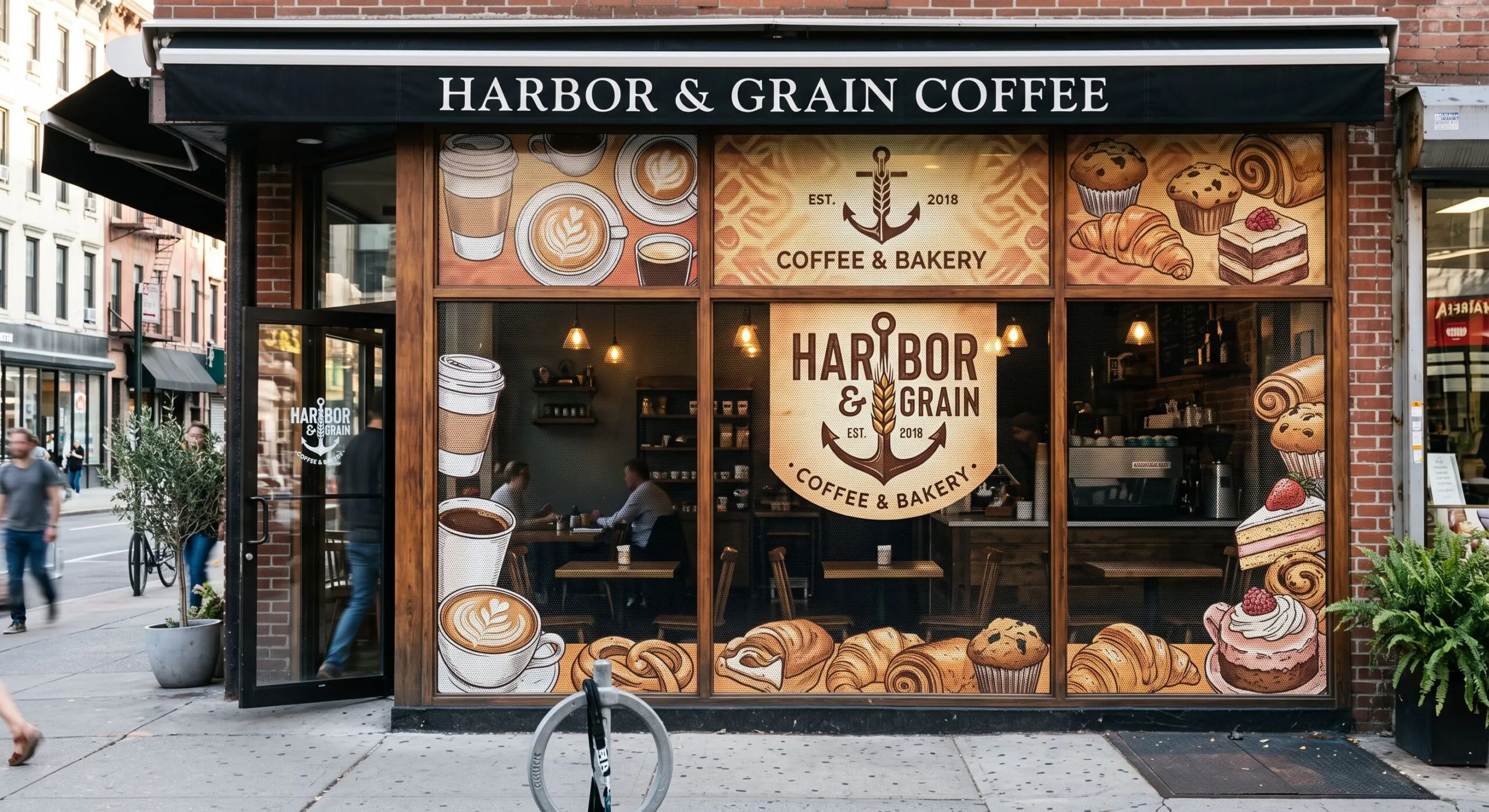
Storefront glass carries the secondary information: logo and business identification, operating hours, suite numbers, pickup instructions and door details, frosted or decorative privacy film for medical offices, salons and glass-heavy interiors, promotions for openings, events, sales and seasonal campaigns, and temporary leasing or streetscape graphics for a unit between tenants, subject to the applicable property and municipal requirements. The storefront stays readable when the windows support the main sign rather than compete with it.
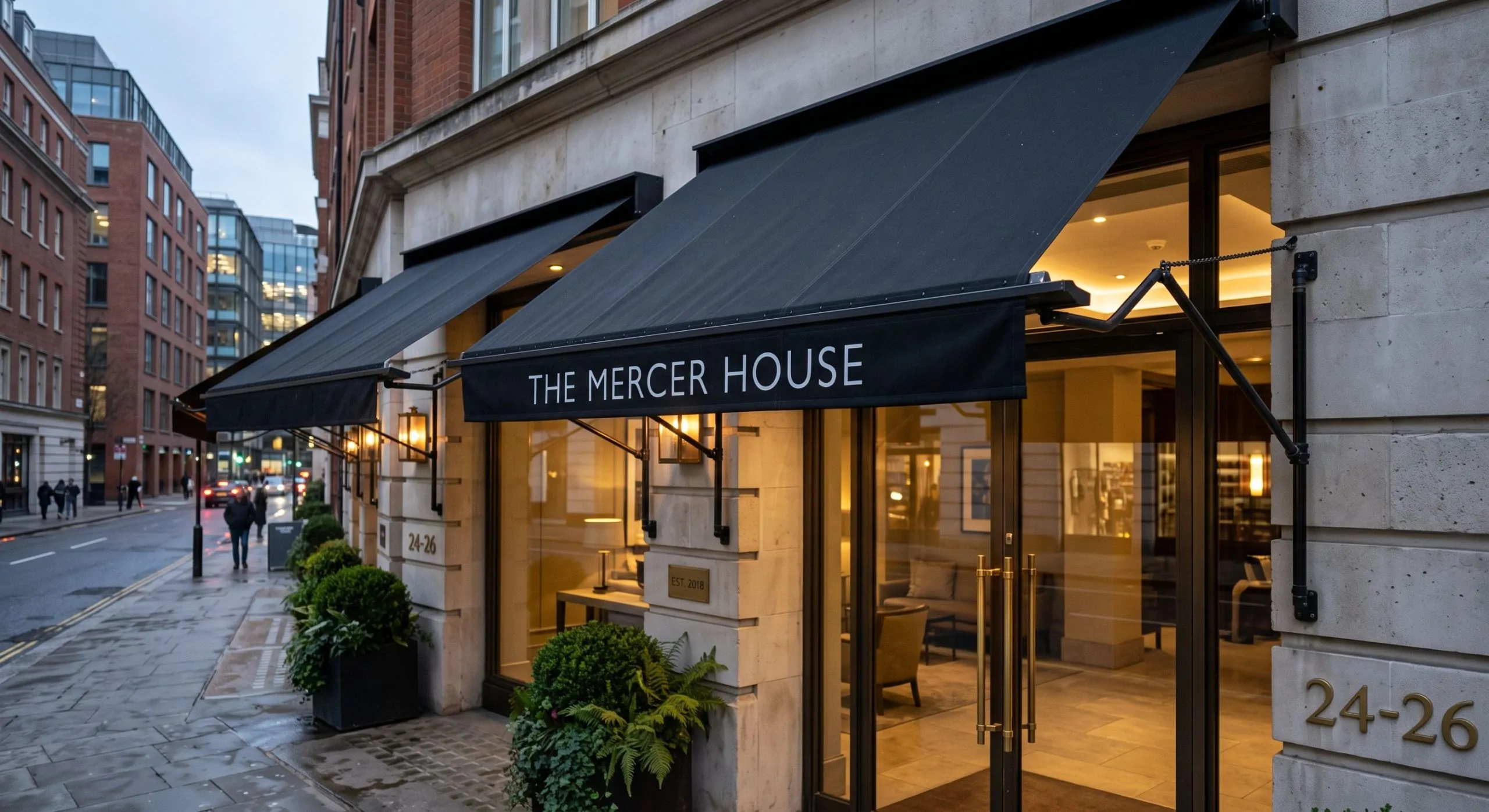
Awnings add identification without taking over the façade, and define an entrance or storefront bay at the same time. We manufacture custom fabric awnings with business-name graphics, logos, custom colors, valance lettering, replacement fabric and new frames where required, and recover suitable existing frames.
Existing frames get inspected rather than assumed, a frame that looks sound from the sidewalk may not carry a new cover, and the property and applicable sign requirements are reviewed before the final dimensions and graphics are approved.
Who We Work With
Businesses We Serve Throughout Middletown
Corridor retail and dining on Routes 35 and 36, the neighborhood storefronts between them, the office and medical properties near the Parkway, and the managers turning over the multi-tenant sites.
Nearby service areas: Middletown is part of our Monmouth County sign company coverage. We also serve nearby businesses through our Red Bank sign company, Long Branch sign services and Marlboro business signs pages.
Retail Stores
Storefront signs, channel letters, window graphics, awnings, temporary promotions and tenant changes.
Restaurants and Cafés
Exterior signs, awnings, window graphics, pickup identification, menu graphics and interior signs.
Medical and Healthcare
Building identification, directories, reception signs, ADA signage, privacy film and interior wayfinding.
Professional Offices
Exterior signs, suite identification, directories, reception logos, privacy graphics and office signage.
Commercial Facilities
Building signs, door numbers, directional signs, office identification and interior facility signage.
Property Managers
Tenant changes, directories, replacement panels, parking signs, repair work and sign removal.
Contractors and Service
Vehicle lettering, office signs, building identification, banners, decals and commercial graphics.
Multi-Location Businesses
Recurring signage adapted to the individual property and whichever local standard governs it.
Tenant Changeover
Taking Over an Existing Middletown Commercial Space?
Worth checking alongside the condition survey: whether the property has moved into a redevelopment area since the existing sign went up. The sign that was compliant when installed is not automatically the sign that can be reproduced.
What you may inherit
- Channel-letter raceways and electrical wiring
- Sign cabinets and existing wall penetrations
- Awning frames
- Window vinyl and door graphics
- Directory systems and interior plaques
- Reception signs
A sound cabinet may need only a new face, an awning frame may suit recovering, a directory may need one tenant listing changed and existing mounting or electrical components may work for the new signage. Other parts come out because they are damaged, unsafe, incorrectly sized or incompatible with the incoming business.
What the changeover covers
- Previous sign removal and existing-condition survey
- Storefront measurements
- New exterior identification and channel-letter replacement
- Replacement sign faces and awning recovering
- Window-vinyl removal and new window graphics
- Door lettering and directory updates
- Suite signs and interior identification
- Temporary opening graphics, then final installation
For property managers running shopping centers, office properties, medical buildings and commercial strips, tenant-specific parts built to be replaced individually keep the next change smaller and more consistent with the property: directories, suite signs, storefront identification, replacement faces, window graphics, ADA signs, parking and directional signage, floor identification and leasing graphics set once.
Repair & Refacing
Sign Repair, Refacing and Replacement
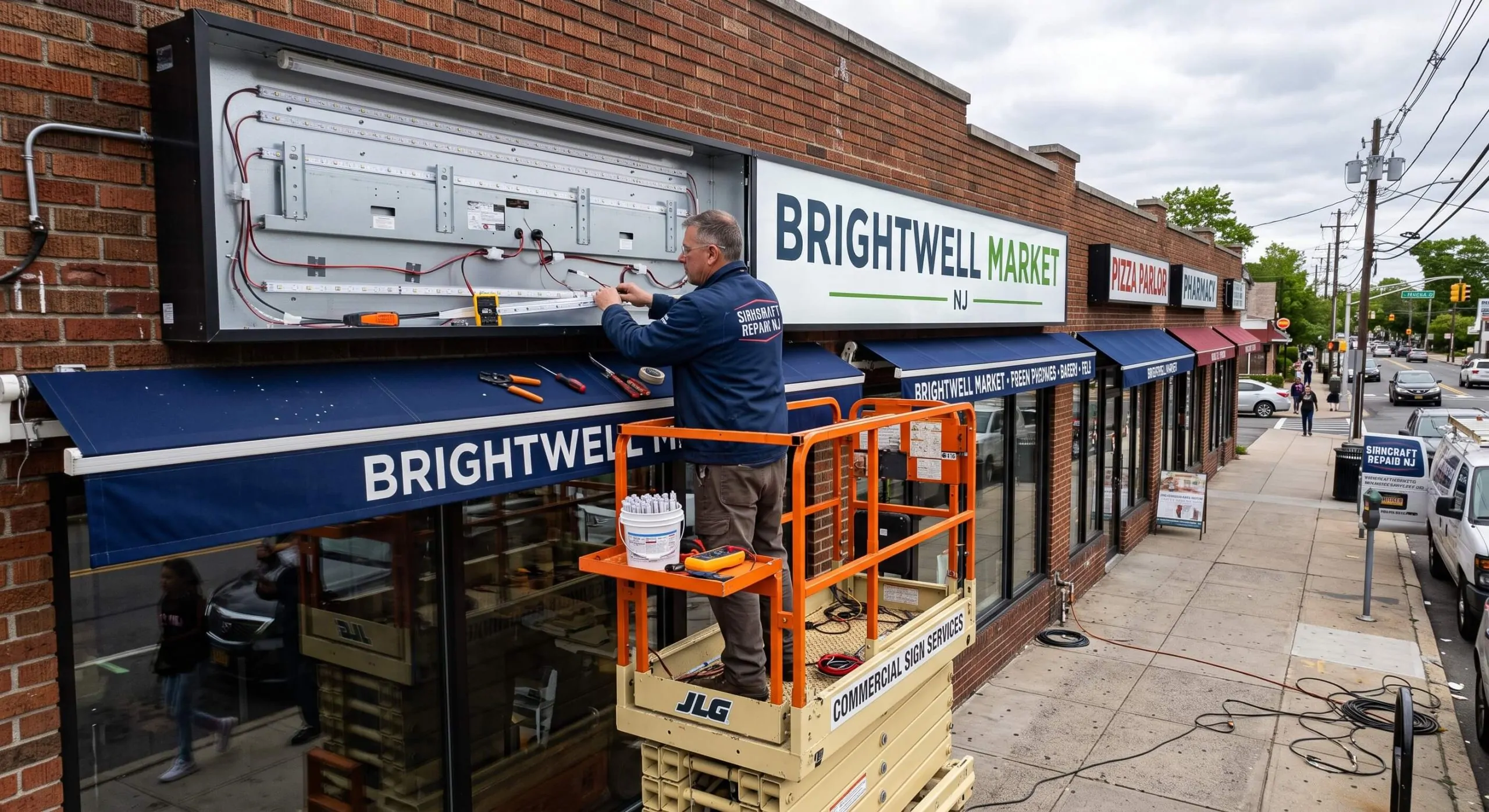
Middletown carries a large amount of existing commercial signage, and many projects begin with something already installed. LEDs fail, sign faces fade, letters loosen, vinyl wears, awning fabric ages, tenant names change and directories go out of date.
Gogi Signs repairs and updates commercial signage even when another company originally fabricated it:
- Channel-letter repair
- LED and electrical service
- Replacement sign faces
- Damaged letter replacement
- Awning recovering
- Window-vinyl replacement
- Directory updates
- Tenant-panel replacement
- Sign removal
- Interior sign replacement
- New tenant conversion
- Facility sign replacement
Where the existing structure remains usable, repair or refacing usually makes more sense than replacing everything, and it keeps the property inside an approval that already exists, which is worth more in a township with several active redevelopment areas. Where continued repair no longer makes practical sense, we produce a replacement to whichever standard governs the address.
Serving Middletown
Serving Middletown Township and the Bayshore
Gogi Signs serves commercial properties across Middletown Township, including:
- Middletown
- Port Monmouth
- Belford
- Leonardo
- North Middletown
- New Monmouth
- Lincroft
- Navesink
- Locust
- River Plaza
The Township’s planning material reflects the variety directly: highway commercial zones, neighborhood business areas, office development, marine commercial uses and several active redevelopment areas, all inside one municipality.
For businesses operating across several Monmouth County locations, our New Jersey shop can provide one fabrication and installation source while each property is handled according to its individual site and municipal requirements.
2005
Serving New Jersey since
Plan first
Redevelopment can supersede Ch. 540d
Insured
Commercial installation crew
In-house
Fabrication & large-format printing
Get Started
Planning a Sign Project in Middletown?
Whether you are opening a Route 35 storefront, taking over a Route 36 commercial space, updating a medical office, recovering an awning, changing tenants, installing office directories, branding company vehicles or repairing existing signage, start with the exact property address and photographs.
Gogi Signs can handle site measurements, sign drawings, fabrication, large-format printing, installation, repair and future sign changes from our New Jersey shop.
OUR SHOP
7 W Baltimore Ave Suite B, Linden, NJ 07036, United States
Prefer to talk it through?
Request a Quote
The address tells us whether a redevelopment plan applies.
- Serving New Jersey since 2005
- In-house fabrication and printing
- Insured installation crew
- Repair and refacing on existing signs
FAQs
Frequently Asked Questions About Signs in Middletown
The Township’s Master Plan identifies Routes 35 and 36 as the primary commercial corridors, while smaller neighborhood commercial districts serve more localized trade.
No. Chapter 540 contains the general Planning and Development Regulations, but the applicable standards vary by zoning district, development approval, property conditions and redevelopment plan.
Yes, and this is the important one. Township redevelopment documents state that an adopted redevelopment plan can supersede conflicting general Chapter 540 sign standards within the redevelopment area.
The Township currently lists multiple designated redevelopment and rehabilitation areas, including Route 36, River Centre, North Middletown and Port Belford, among other properties.
It may require variance relief. A 2025 Planning Board review of a commercial application referenced Section 540-635L, where the applicant sought relief for two building-mounted signs where one was permitted, and each proposed sign still had to meet the applicable wall-area limit.
Yes. We inspect existing cabinets, wiring, mounting, awning frames and directories to determine whether reuse or refacing makes sense, and check whether the standard governing the property has changed since the old sign was installed.
Yes. Where the existing system supports individual replacements, we produce a tenant panel, office plaque, suite sign or directory component without replacing the entire system.
Yes. We produce directories, reception signs, suite identification, tactile and Braille room signs, privacy graphics and interior wayfinding.
Possibly. We inspect the frame, attachment, dimensions and condition before determining whether a new fabric cover is practical.
Send the exact property address, photographs of the storefront or installation area, your logo or artwork, photographs of existing signage, and any landlord or property sign criteria you have.