Most sign regrets trace back to a question nobody asked before the order was placed.
Ordering custom signs is a series of decisions, and most of them are easy once the right question has been asked. The trouble is that many of those questions only come up after the order: when the town rejects the size, when the landlord asks why the sign is lit, or when a letter goes dark and nobody knows who to call.
Asking them first costs nothing. Some are questions for yourself, about what the sign must achieve. Others are for the sign company, about how they will design, permit, build and look after it.
Here are the questions that matter most, grouped by stage, with a note on why each one changes the outcome.
The Questions at a Glance
Questions About Your Goals
1. Who needs to read this sign, and from where?
A sign read by drivers at speed needs larger letters and simpler content than one read by people on a sidewalk. Industry guidance from the United States Sign Council relates letter height to viewing distance, and a commonly used rule of thumb is about one inch of letter height for every 30 feet of distance. Our guide to designing signs for different viewing distances explains how to apply it.
2. What is the one thing it must say?
Most signs try to say too much. The business name, and perhaps one word about what it does, is usually enough for the main sign. Phone numbers, lists of services and websites belong on windows, doors and vehicles.
3. Does it need to work after dark?
If customers arrive in the evening or the street is busy at night, illumination is worth considering. If the business closes before dusk, the budget may be better spent elsewhere.
4. How long should it last?
A sign for a ten year lease and a sign for a one year pop up deserve different materials. The expected lifespan decides the construction more than any other question.
Questions About the Site and the Rules
5. What does the town allow?
Every municipality sets its own limits on size, placement, lighting and number of signs, usually as a share of the facade or a set area per foot of frontage, and the numbers can differ even between neighbouring cities, so Newark business signs and Elizabeth storefront signs may follow different rules. Our guide to municipal sign regulations shows where to find the rules.
6. What does the lease allow?
Shopping centers and managed buildings often dictate the sign type, colors, letter height and lighting, and the landlord must approve the drawings. Read the sign criteria before design starts.
7. Is the building in a historic district?
Historic districts and landmark buildings usually add a design review and favour materials, scale and lighting that suit the building. The National Park Service’s Preservation Brief 25 is the standard reference on signs for historic buildings, and our guide to historic district sign considerations covers the local process.
8. Is there power where the sign will go?
An illuminated sign needs a circuit at the sign location. If there is none, an electrician has to run one, which affects both the cost and the schedule.
9. What is the wall made of?
Brick, block, stucco, EIFS, glass and metal panel each need different fixings, and some walls need reinforcement behind the fascia. A proper site survey answers this before fabrication.

Questions About the Sign Itself
10. Which sign type fits the building and the brand?
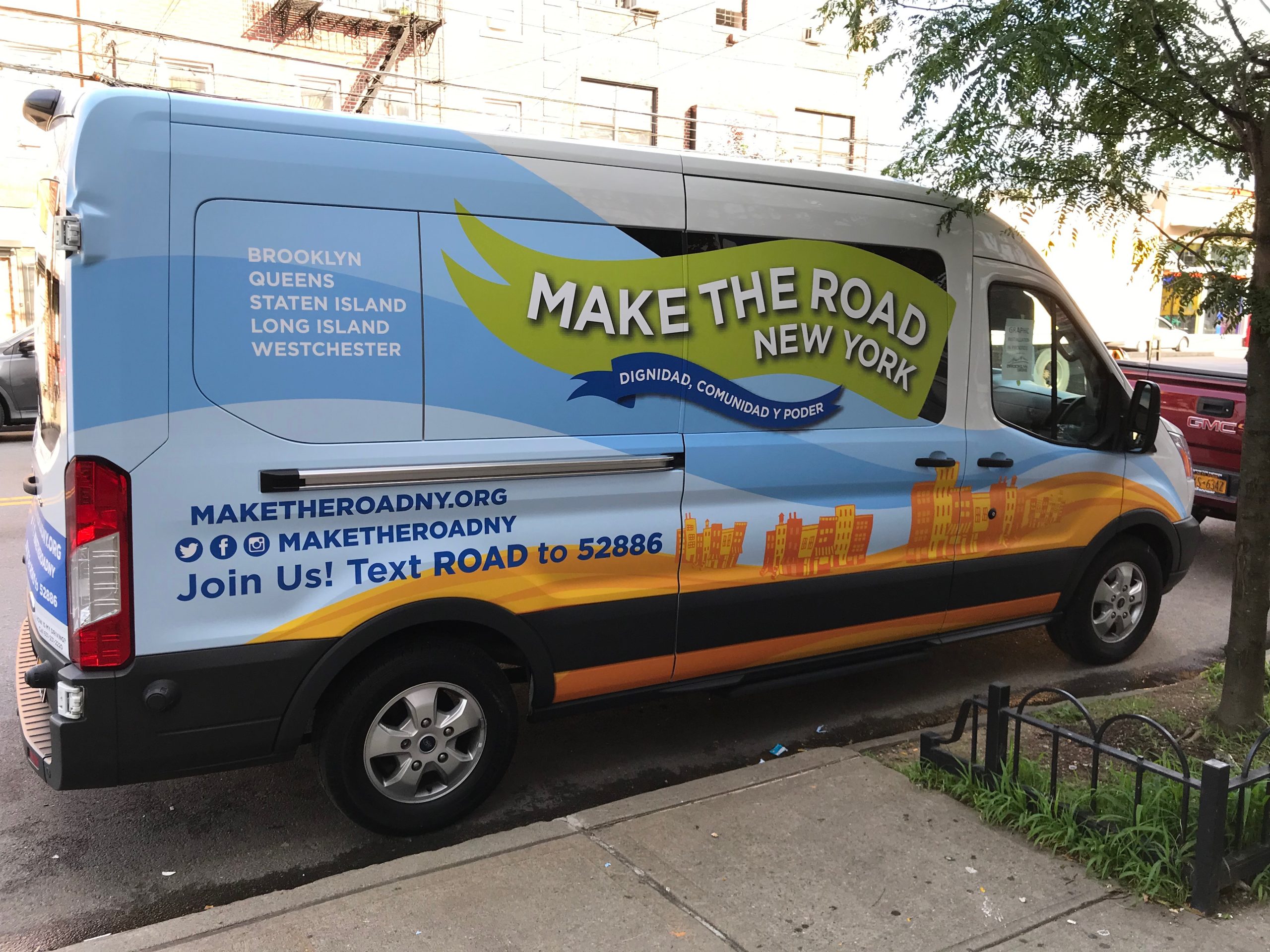
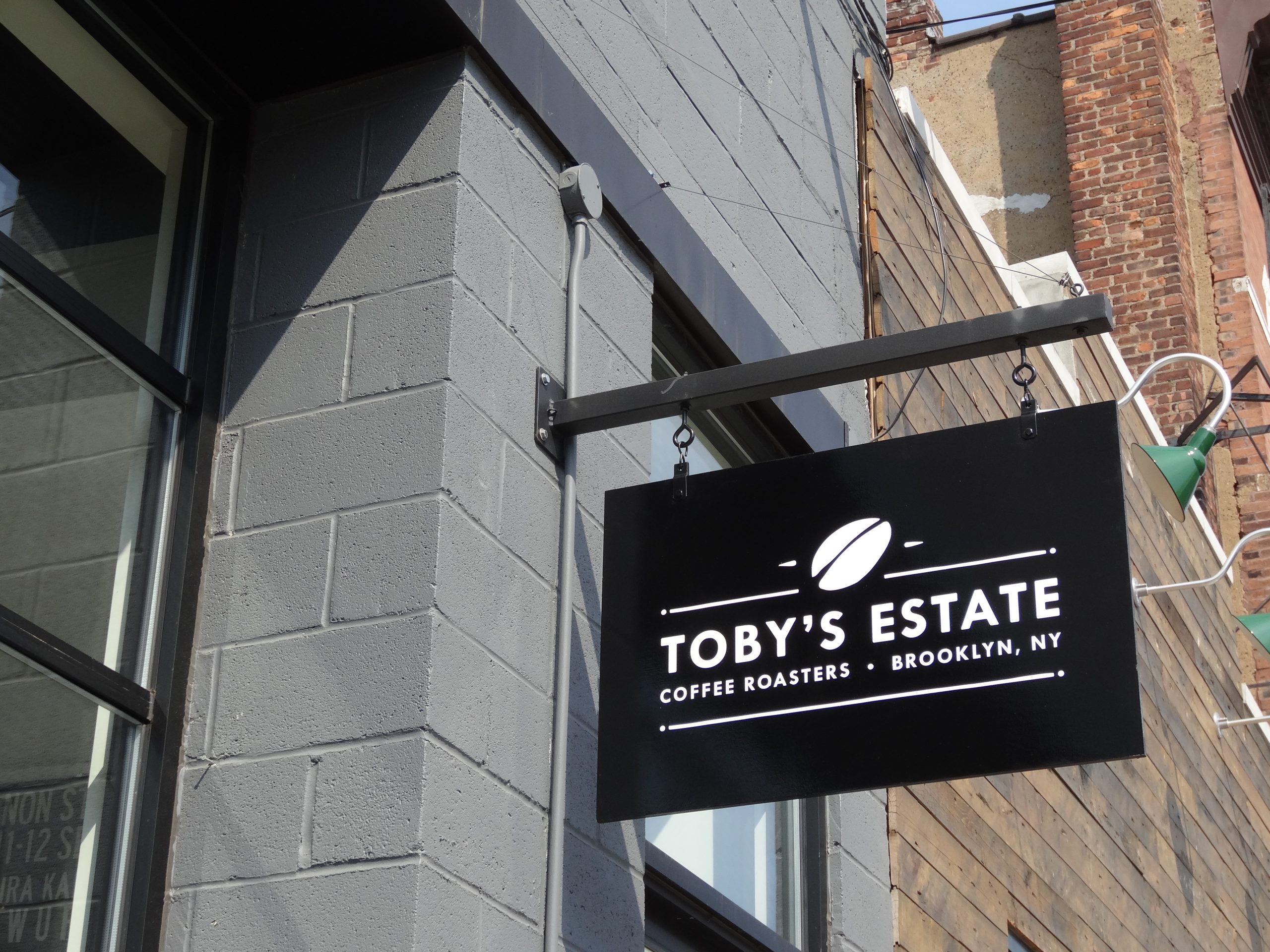
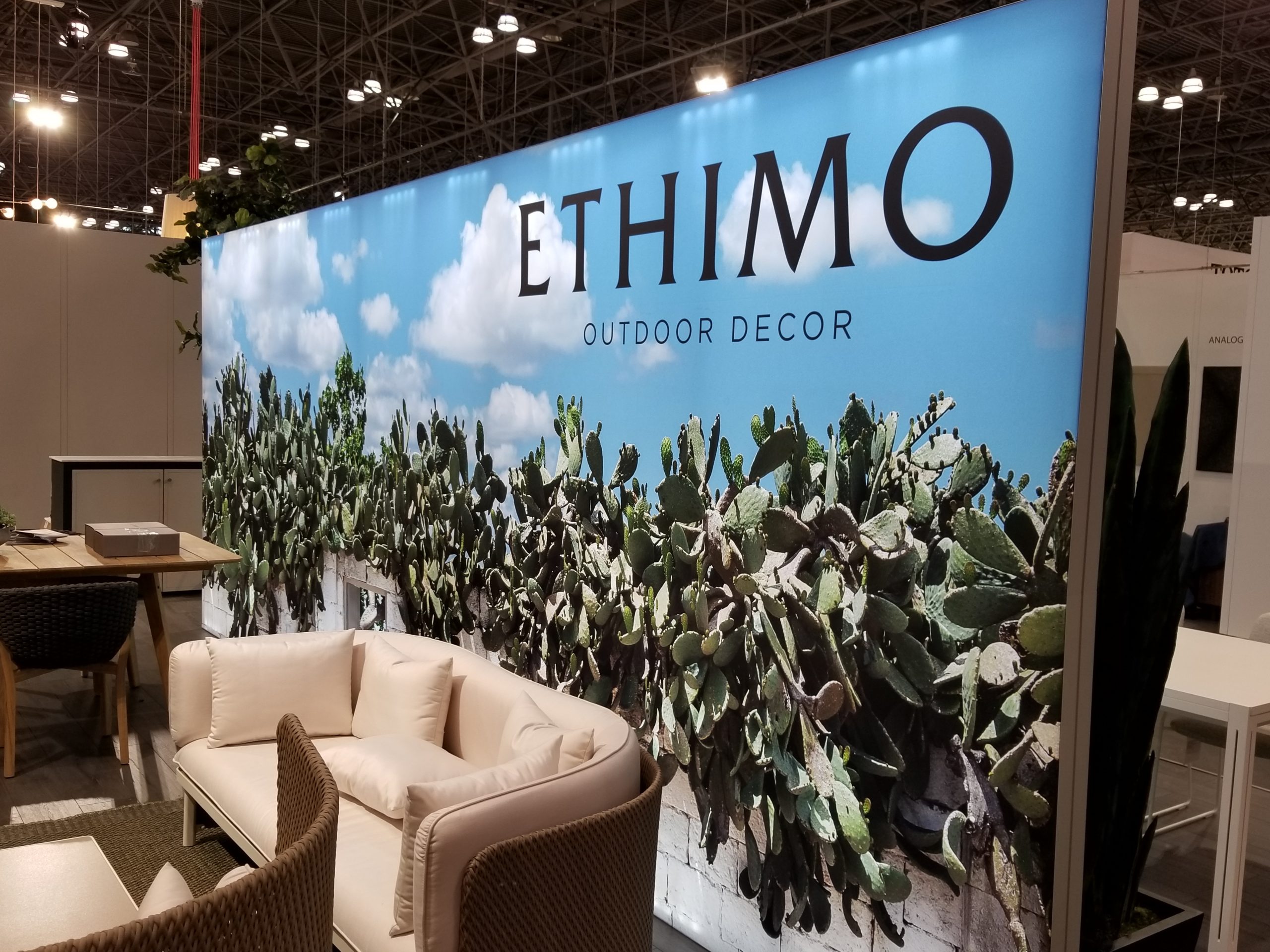
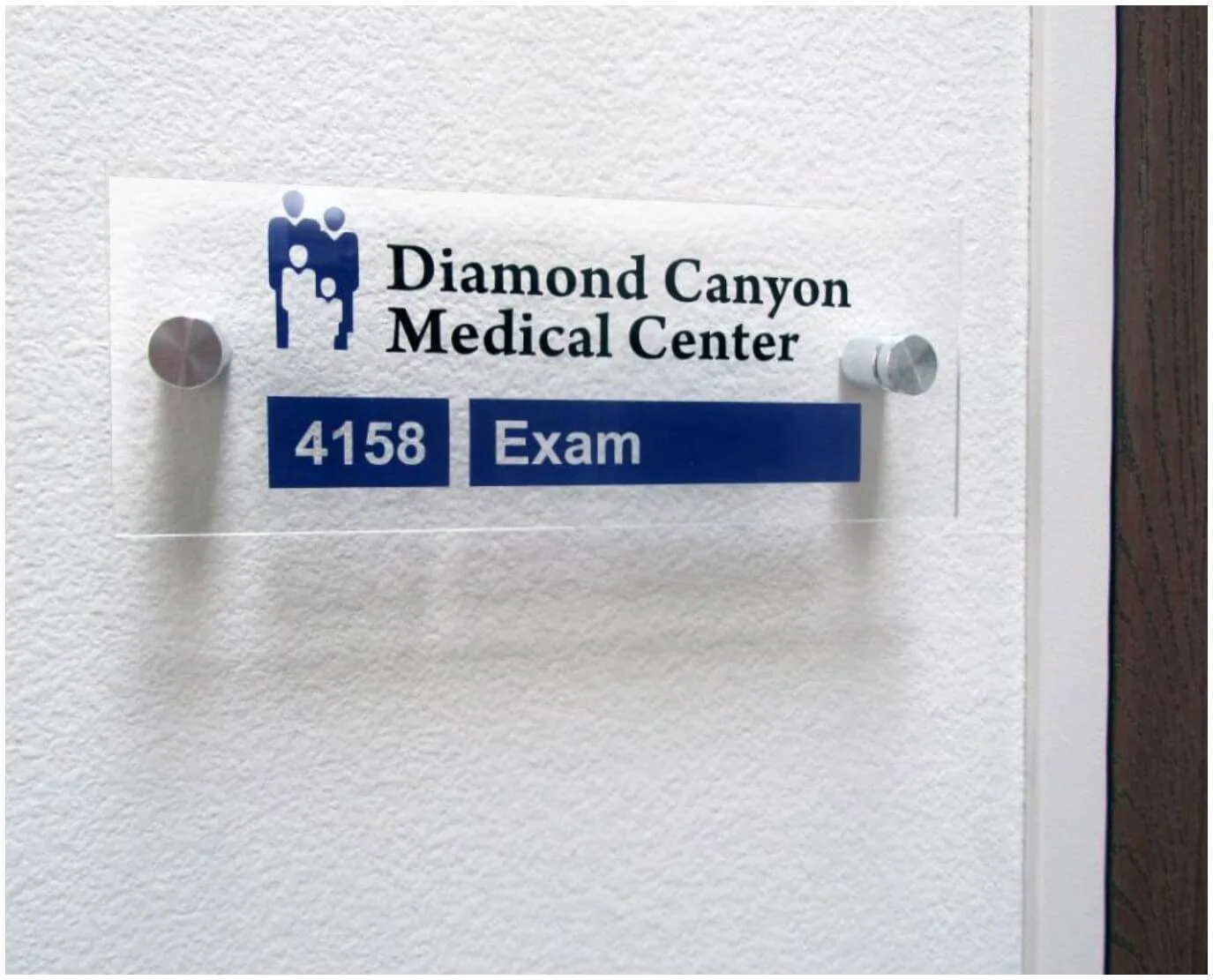
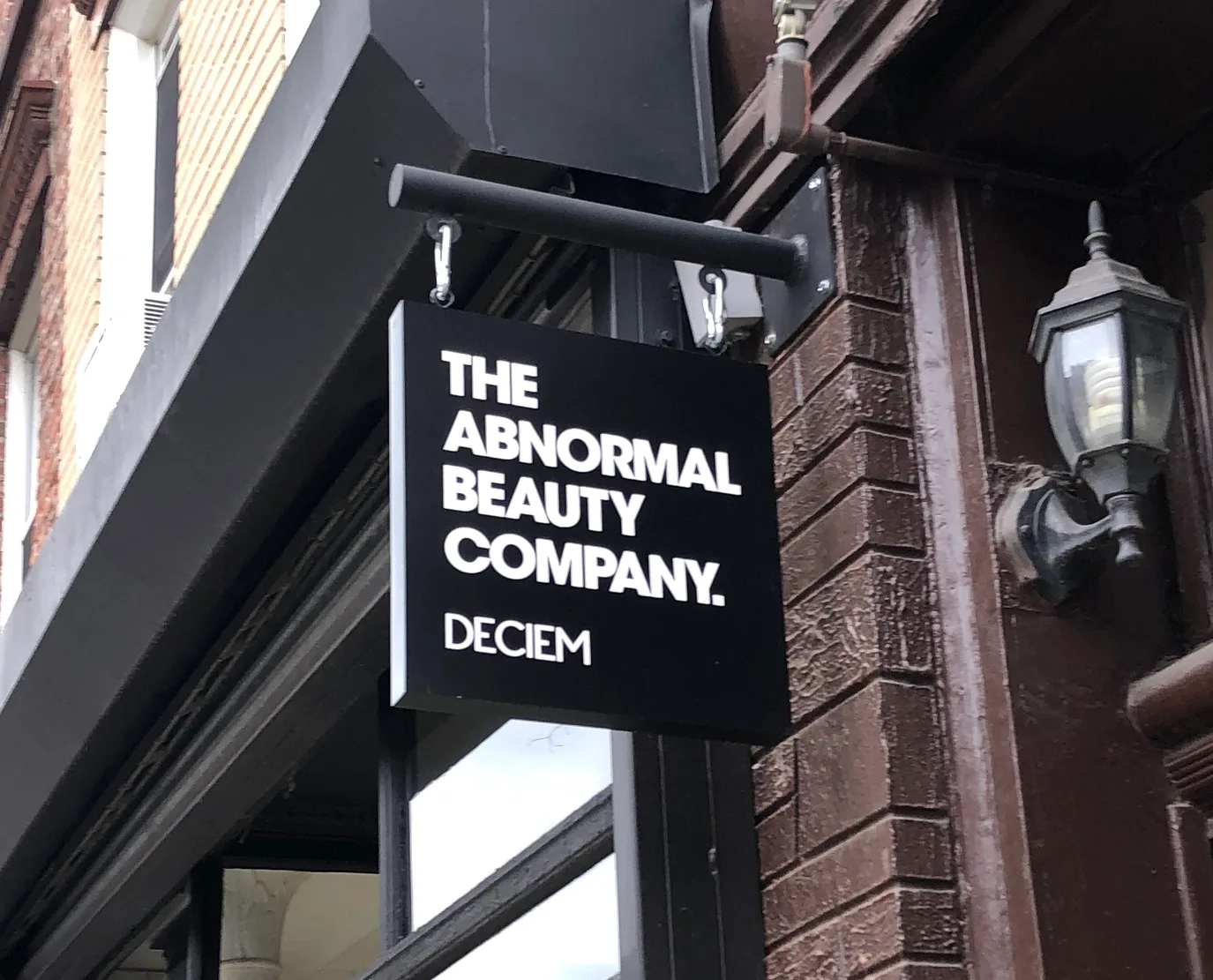
Channel letters, light boxes, blade signs, fabric awnings, carved signs and painted signs each suit different buildings and budgets. See our Outdoor Signs page for the main types, and our sign gallery for how they look on real buildings.
11. What materials will it be made from?
Ask for the face, return, back and fixing materials by name. The answer tells you how the sign will weather and how it compares with other quotes. Our guide to the best outdoor sign materials explains the differences.
12. How will it be lit?
Face lit, halo lit, internally lit cabinets and external lighting all look different by night and cost different amounts. Ask to see the sign at night in a mockup or a completed example.
13. Will the finished sign be listed for electrical safety?
The National Electrical Code requires electric signs to be listed and installed according to that listing, and inspectors look for the label. A sign company should be able to confirm how its signs are listed.
Questions to Ask the Sign Company
14. Do you design, build and install, or subcontract parts of the job?
Knowing who does each stage tells you who is responsible when something goes wrong. Ask specifically who handles the electrical connection and who installs.
15. Who files the permits, and what is included?
Ask which permits the project needs, who prepares the drawings and whether fees are in the price. Some towns require sealed drawings or the sign supplier’s signature on the application. See our sign permit assistance page for how we help.
16. Are your installers licensed and insured for this work?
In New Jersey, wiring work falls under the state’s electrical contractor licence. In New York City, signs over 75 square feet or 25 pounds must be hung by or under a licensed sign hanger. Ask for a certificate of insurance, and whether it can name the landlord if the lease requires it.
17. Can I see similar projects?
Photos of signs like yours, in similar locations, are the best evidence that the company can deliver. Ask how long ago they were installed and how they have held up.
Questions About Life After Installation
18. What does the warranty cover?
Ask for the LED, power supply, workmanship and labor terms separately, and what voids them. Our guide to sign warranties and maintenance plans explains the layers.
19. Who do I call when something fails?
The answer should be a name and a number, with an idea of response time. Illuminated signs that fail at night need someone who will come out.
20. How easy is it to update?
Rebrands, new services and new tenants happen. Cabinets with replaceable faces and directories with changeable inserts cost far less to update than signs that must be rebuilt.
Put the Answers in Writing
- Write down your goals: audience, message, hours and expected lifespan.
- Collect the rules: town ordinance, lease criteria and any historic district guidelines.
- Record the site facts: measurements, wall type and power.
- Ask the sign company the same questions: and compare the answers, not just the prices.
- Confirm it all in the proposal: materials, lighting, permits, installation and warranty in writing.
Common Questions About Ordering Custom Signs
What is the most important question before ordering a custom sign?
Who needs to read it and from where. Viewing distance and speed decide the letter height, the sign type and how much it can say, and almost every other decision follows from that.
Do I need a permit for a custom sign?
In most cases, yes, for outdoor signs in New Jersey and New York City. Permit requirements depend on the town, the sign type and whether it is lit, so check before the design is final.
How do I know a sign company is reliable?
Look at completed projects similar to yours, ask who does the electrical and installation work, confirm licensing and insurance, and read the warranty terms. Clear, specific answers are a good sign.
Should I order all my signs at once?
If you can, it usually helps. One design process keeps finishes and colors consistent, and one installation visit costs less than several. Signs can still be phased if the budget requires it.
What should a custom sign proposal include?
Dimensions, materials, colors, lighting, mounting method, permits, installation, removal of any old sign, warranty terms, payment schedule and how long the price is valid.
Can I supply my own design?
Yes. Vector artwork and brand guidelines help, and the sign company will still need to turn the design into fabrication and permit drawings that fit the building and the rules.
Ask Us Anything Before You Order
Gogi Signs designs, permits, fabricates and installs custom signs across New Jersey and New York City from our shop in Linden. We are happy to answer every question on this list for your building before you commit to anything.
Request a free quote, or browse our gallery of completed signs to see signs like the one you are planning.