The short answer
The best outdoor sign material for New Jersey and NYC weather is aluminum composite (Dibond), which is rated from −22°F to 176°F and can last up to 20 years outside. Solid aluminum is the best choice for smaller parking and directional signs. Use polycarbonate or acrylic only for lit faces and letters mounted with room to expand, and Coroplast only for signs that need to last under 18 months. Choosing a material that doesn’t fit the weather means paying for the same sign twice.
January low
July high
in full sun
service life
The reason is the weather. Newark’s normal January low is 25.5°F and its normal July high is 87°F, with records of −8°F and 108°F (National Weather Service Newark almanacs for January and July). A sign face in direct sun runs far hotter than the air around it, and every material on this list expands and contracts with it. The question is how much, and whether the sign was built for it.
What NJ and NYC weather does to an outdoor sign
An outdoor sign in this region has to survive a wide yearly temperature swing and intense surface heat in summer sun. Materials that handle both last for years. Materials that don’t will warp, crack or pull loose from their fasteners.
The yearly temperature swing
A sign that sees 0°F on a January night and 110°F on its face in July goes through a 110-degree swing. An 8-foot panel has to grow and shrink across that range every year without buckling or cracking at the screw holes. Plastics move several times more than metals, so the same sign size behaves very differently in acrylic or PVC than in aluminum.
Surface heat on dark sign faces
Dark vertical surfaces in full sun can reach about 190°F, while white surfaces top out near 140°F, according to Canada’s National Research Council (Building Digest CBD-47). That 50-degree gap is why a navy or black sign panel behaves differently from a white one cut from the same sheet, and why color belongs in the material decision.
Heat limits vs real surface temperatures
A dark panel in summer sun runs 50°F past expanded PVC’s service limit. Every figure is cited in the sections above.
Outdoor sign materials compared
| Material | Outdoor role in NJ and NYC | Main weakness |
|---|---|---|
| Aluminum composite (Dibond/ACM) | Permanent wall signs, tenant panels, large flat signs | Flat panels only; edges show the core unless finished |
| Solid aluminum | Parking, property, directional and reflective signs | Gets heavy fast in larger sizes |
| Acrylic | Dimensional letters, lit faces, standoff panels | Moves about 3× more than metal; can crack on impact |
| Polycarbonate | Lightbox faces, low-mounted or vandal-prone signs | Costs more than acrylic and can’t be polished |
| HDU / wood | Carved and dimensional signs | Needs a proper paint system; wood needs upkeep |
| Expanded PVC (Sintra) | Light-colored, small or shaded exterior signs | Softens and warps in heat, especially dark colors |
| Coroplast | Yard, job-site, event and real estate signs | Short life; flexes in wind and fades |
| Foamboard, Ultraboard, Gator Foam, styrene, MDF | Indoor signs and displays | Not built for permanent outdoor exposure |
Materials for permanent outdoor signs
Aluminum composite, solid aluminum, acrylic, polycarbonate, HDU and exterior-grade wood all last for years in NJ and NYC when they are built and mounted for the climate.
Aluminum composite (Dibond)
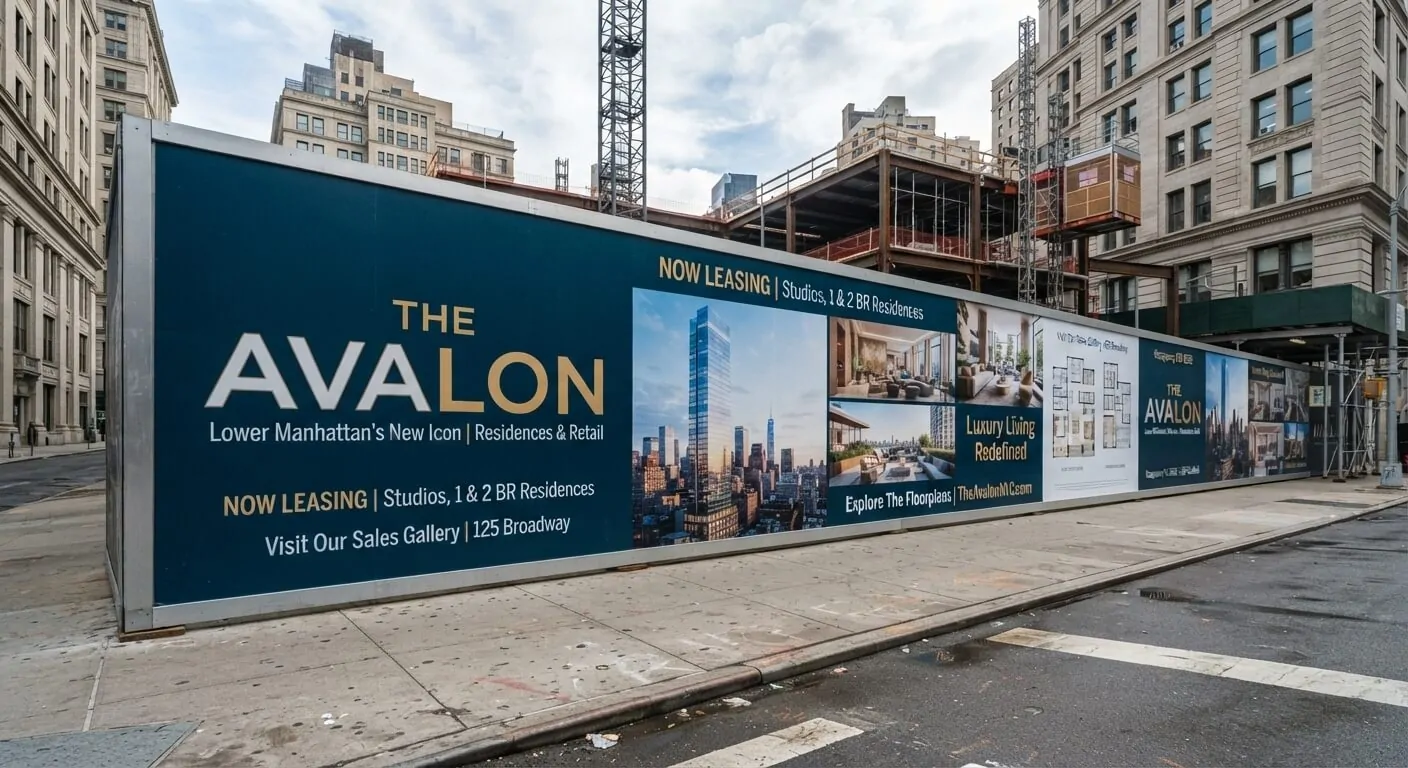
Aluminum composite material, sold under brand names such as DIBOND, is two thin aluminum skins bonded to a polyethylene core. It is the first material we reach for when a business needs a flat outdoor sign that will stay up for years. Our Dibond signs are printed, routed and assembled through our custom fabrication shop in Linden.
How Dibond handles NJ temperature swings
3A Composites rates DIBOND for −30°C to +80°C (about −22°F to 176°F) and reports customers seeing outdoor service life of up to 20 years (DIBOND product guide). Its thermal expansion is 2.4 mm per meter for every 100°C of change, close to solid aluminum. An 8-foot panel moves roughly 1/8 inch across a full NJ year, which standard fasteners and a modest gap absorb.
Dibond weight per panel
Standard 3 mm DIBOND weighs 3.8 kg per square meter, so a full 4×8-foot sheet comes to about 24.9 pounds. That is light for its size, and it matters in New York City, where sign weight affects who is allowed to install it.
Where Dibond works best
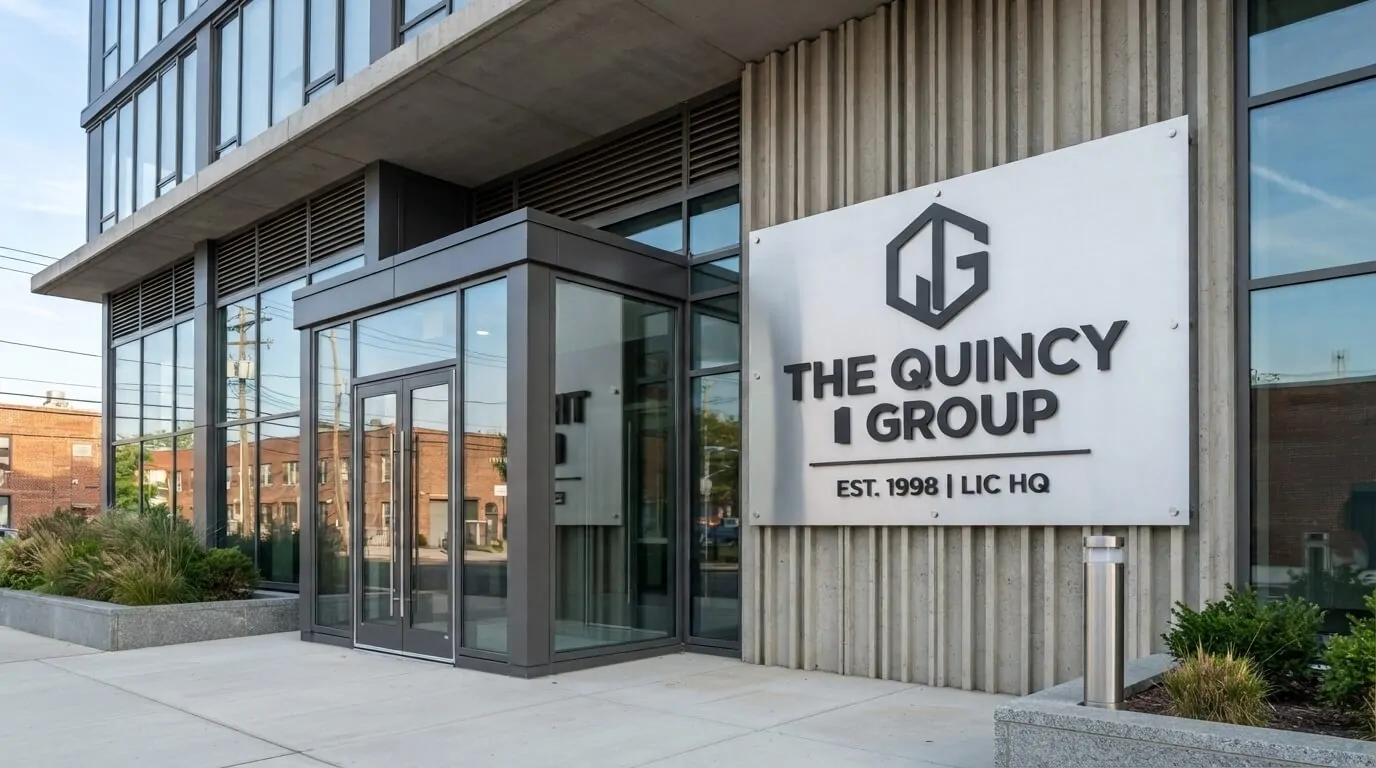
Use ACM for storefront wall signs, tenant panels and any large printed sign that has to look flat for years. It is also the standard panel for construction and contractor signs that stay up for the length of a long project.
Solid aluminum
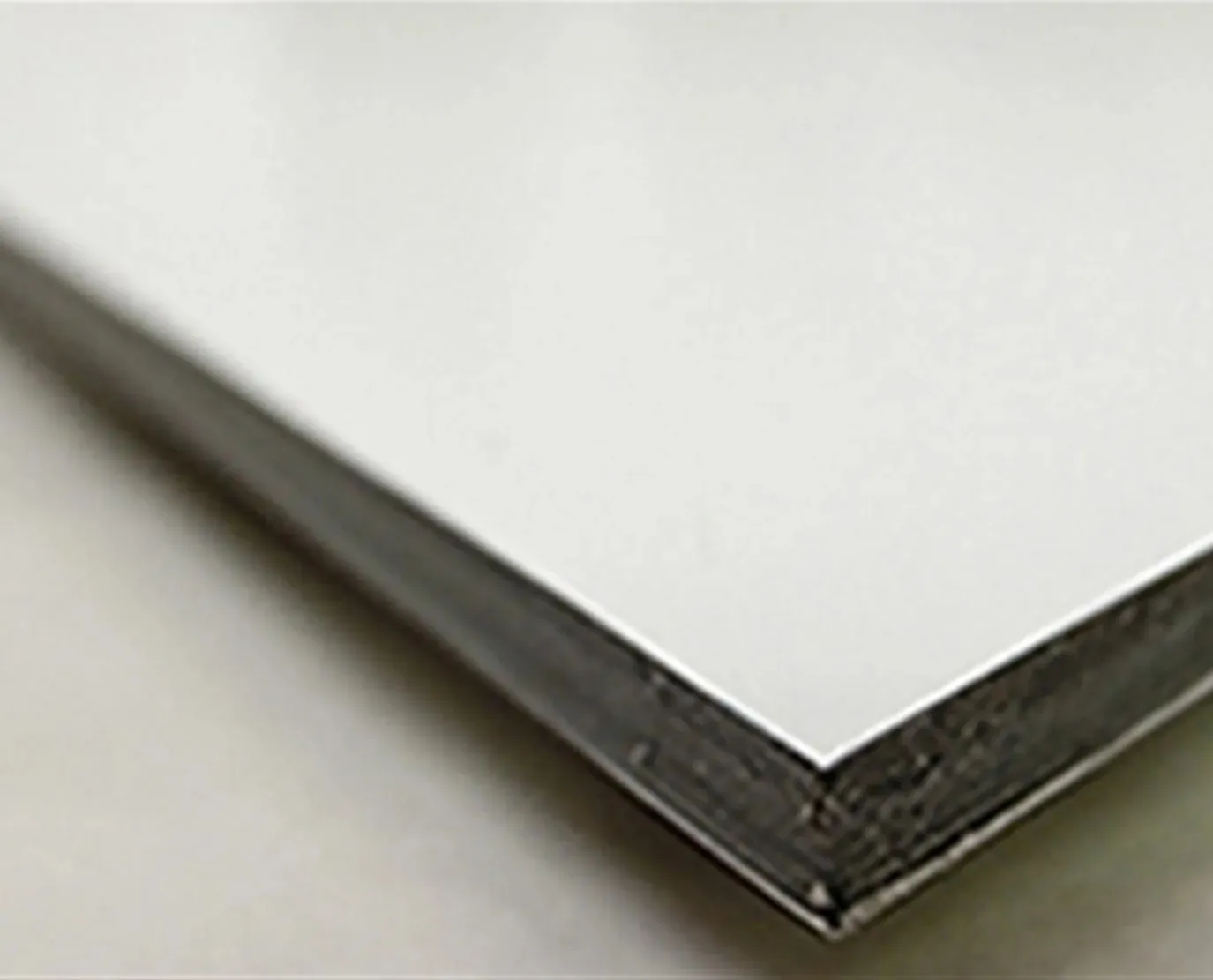
Solid aluminum sheet does not rust and takes reflective vinyl and paint well. It also survives a car door or a snow shovel better than any plastic, which is why parking lots, municipalities and property managers use it for regulatory, parking and directional metal signs.
Aluminum gauges and weight
We offer it in .040″, .063″ and .080″. Thickness drives stiffness, and also weight. A full 4×8-foot sheet weighs about 18 pounds at .040″, 28 pounds at .063″ and 36 pounds at .080″ (calculated from aluminum’s density of 2.70 g/cm³). For small and mid-size signs that weight is no issue. For a large wall panel, ACM gives you a similar metal face at a fraction of the weight.
.040″ aluminum
The lighter sheet, used for smaller property, safety and wall-mounted signs and other light-duty applications.
.063″ aluminum
The general-purpose gauge for outdoor panels, directional signs and any sign that benefits from extra stiffness.
.080″ aluminum
The heavier-duty sheet, common on parking, post-mounted and traffic-style signs. For large flat wall panels, ACM gives the same metal face for less weight.
Acrylic and polycarbonate
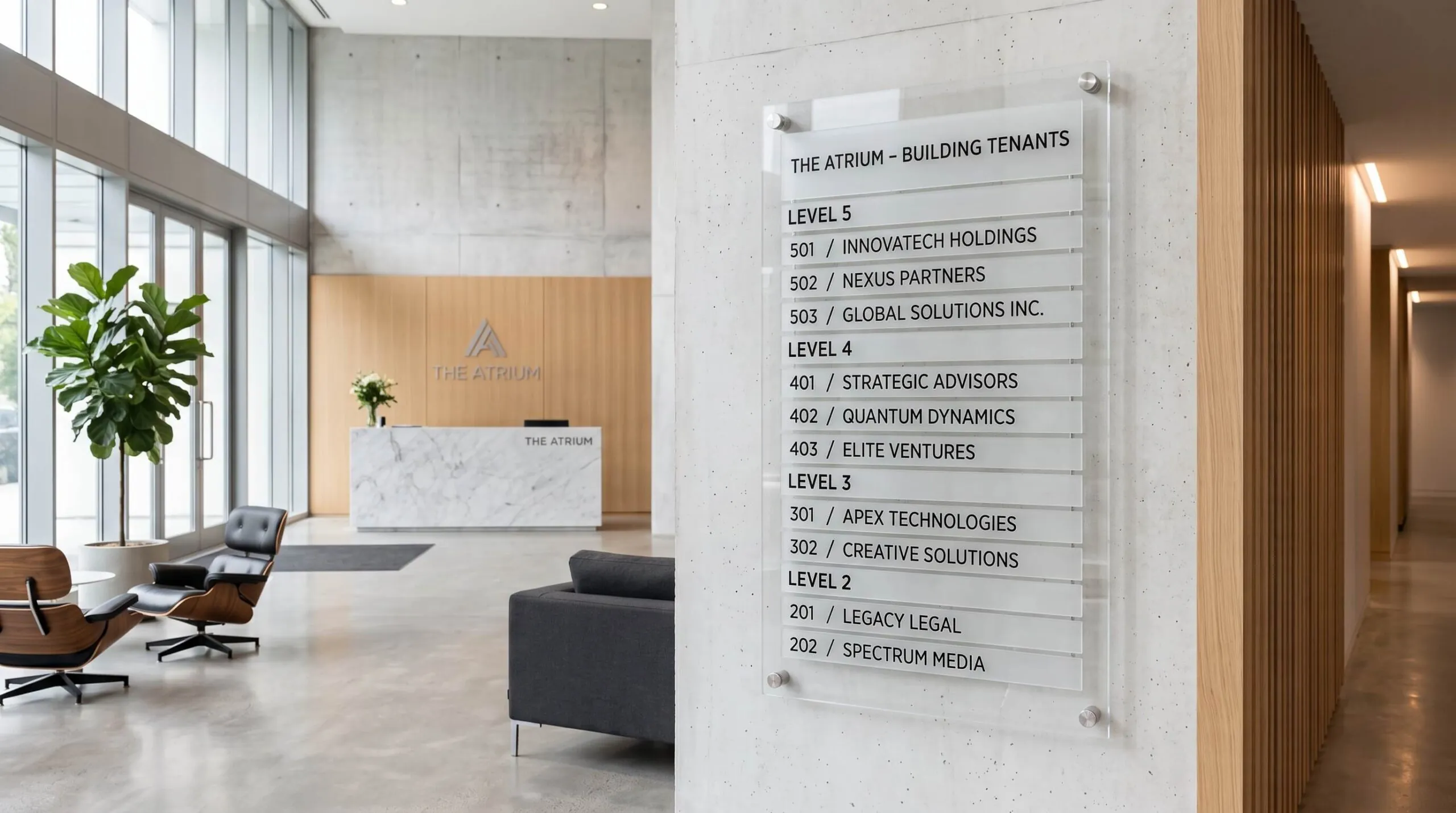
Acrylic is the better-looking material; polycarbonate is the tougher one. Pick acrylic for dimensional letters, standoff signs and lit faces mounted out of reach. Pick polycarbonate for lightbox faces within reach of the sidewalk, or anywhere a thrown object or ladder is a real risk. See our acrylic signs for finished work.
Impact resistance and light transmission
General-purpose acrylic has about 17 times the impact resistance of glass, and polycarbonate about 250 times. Acrylic transmits about 92 percent of light and can be polished back to clarity; polycarbonate transmits about 88 percent and cannot be polished (IAPD, Acrylic or Polycarbonate for Outdoor Signs).
Thermal movement in acrylic
ACRYLITE lists its sheet at 0.000040 to 0.000044 inches per inch per °F, roughly three times more than metal, and advises multiplying the movement by 1.4 for dark-colored sheet (ACRYLITE knowledge base). An 8-foot sheet through a 110°F swing moves about 0.42 inch, or close to 0.6 inch if the sheet is dark.
Mounting acrylic so it can move
Screw an acrylic panel tight through round holes and it will bow in summer or crack around the fasteners in winter. Oversized holes, standoffs and channel frames give it room, and ACRYLITE recommends installing at mid-range temperatures so the sheet has space to move both ways. Precise acrylic cutting keeps those clearances consistent.
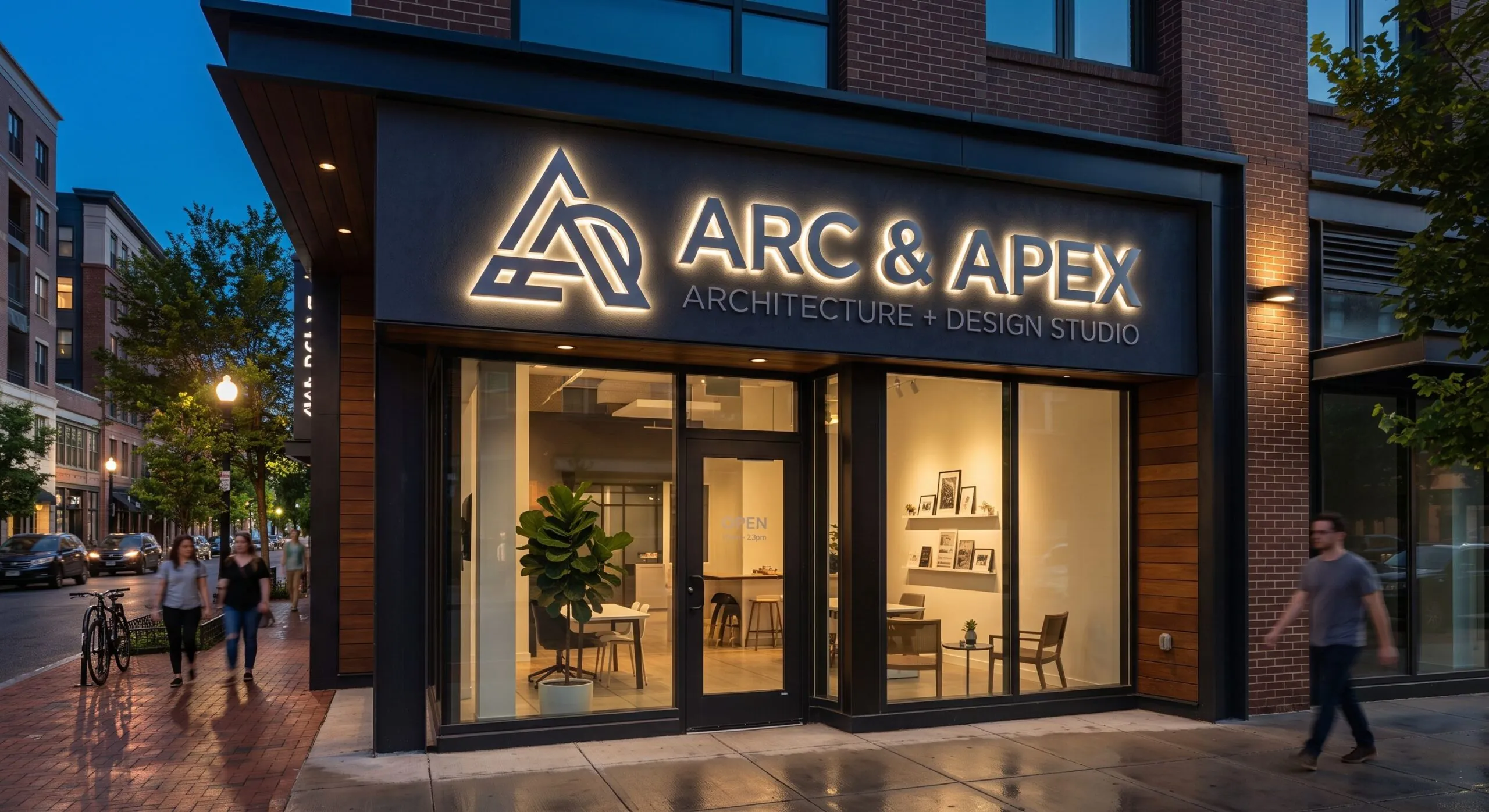
Choosing a face for channel letters and light boxes
Most channel letters and light box signs use one of these two faces, chosen by mounting height and exposure. When a face does crack or fade, sign repair can often replace the face without rebuilding the cabinet.
HDU and wood for carved signs
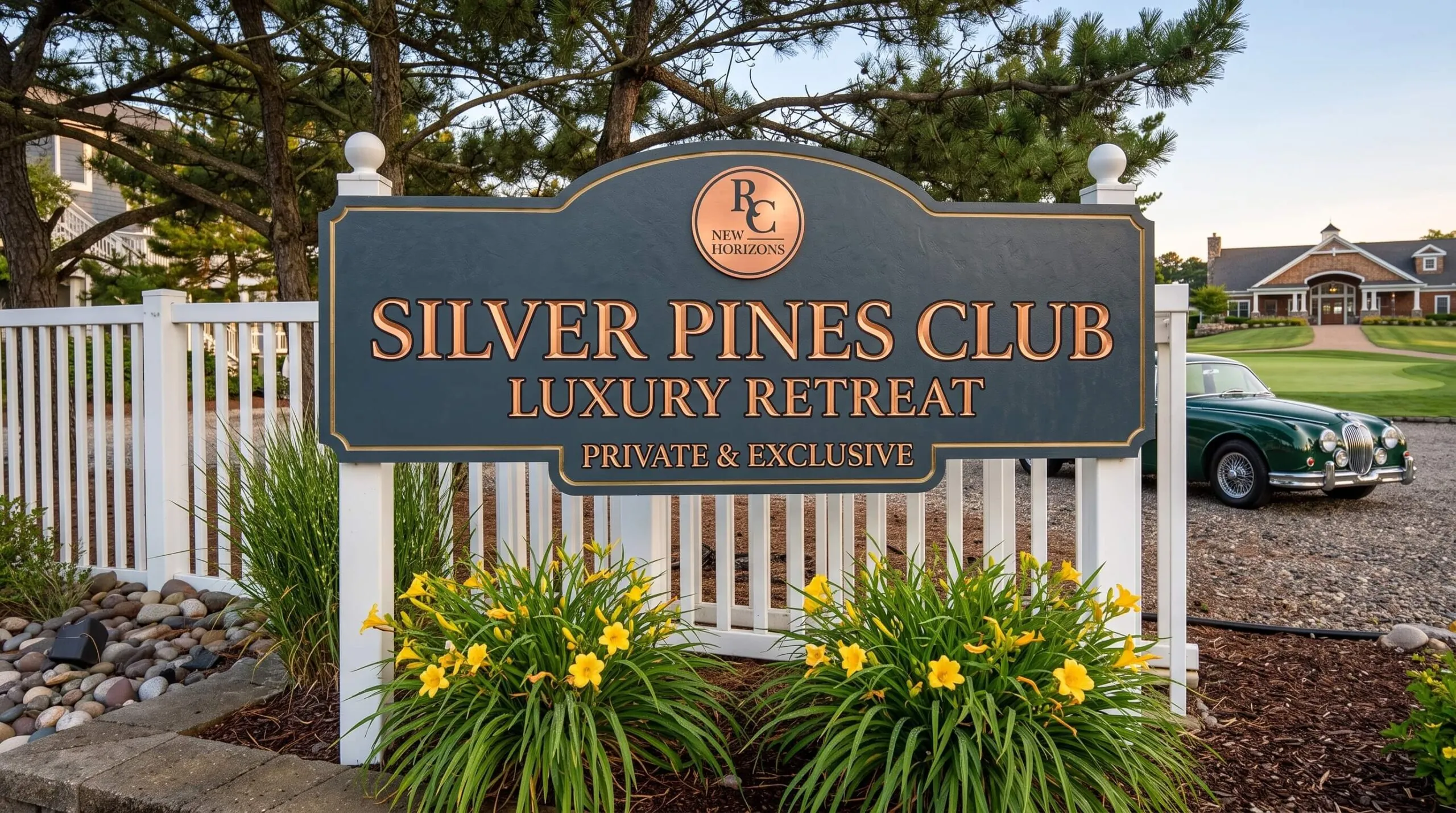
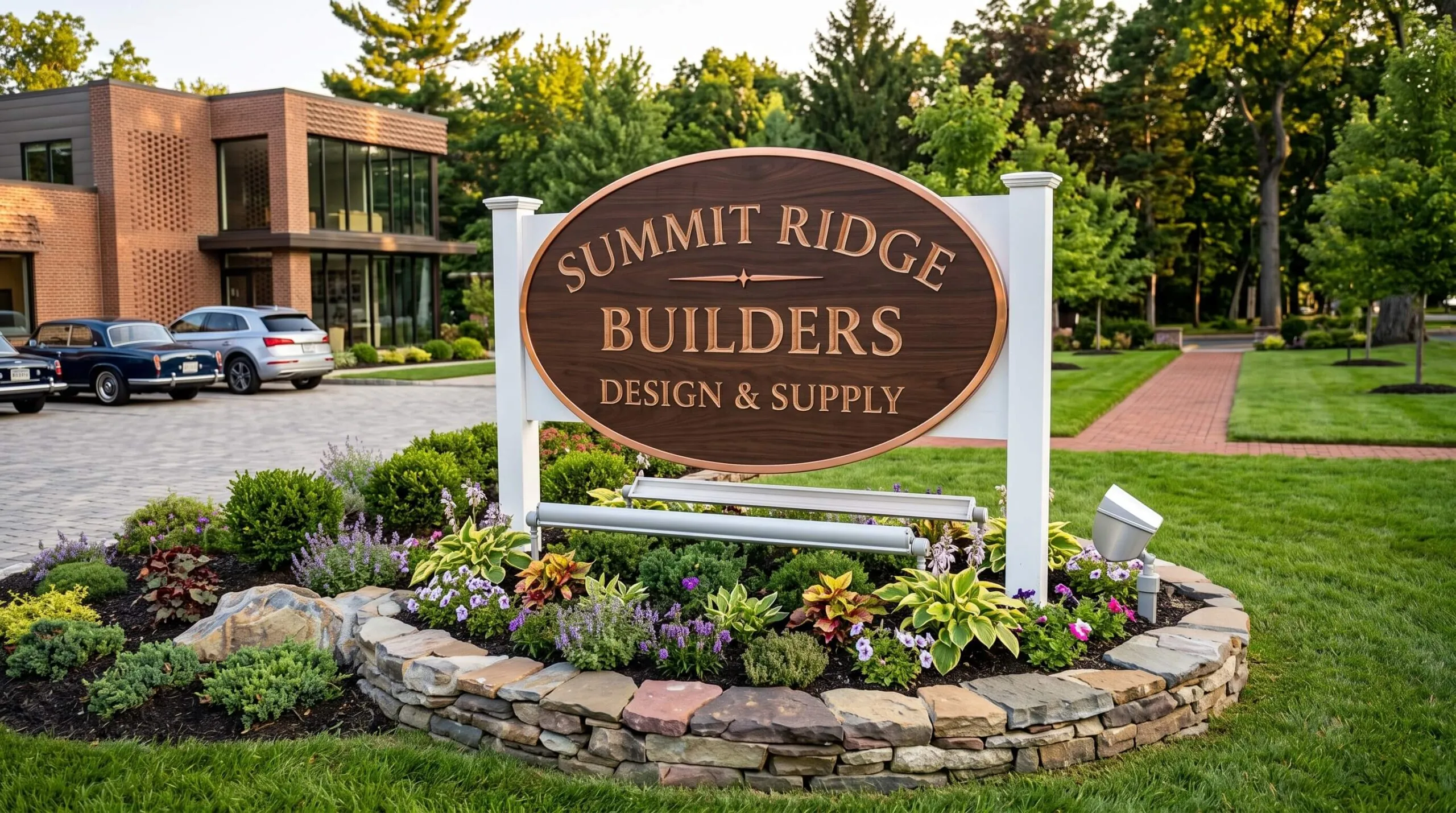
HDU and exterior-grade wood are the two materials for carved, routed and dimensional outdoor signs. HDU gives the look of carved wood without rot; wood gives real grain in exchange for upkeep. See our carved signs.
High-density urethane (HDU)
HDU is a closed-cell board that will not rot and is impervious to insects and water (Precision Board). It comes in densities from 15 to 30 pounds per cubic foot, and the higher densities hold finer detail. We carve it by hand and route it in house on our CNC. HDU depends on primer and paint for UV protection.
Exterior wood
Outdoor wood signs need an exterior panel grade, such as MDO plywood or properly sealed solid wood, plus sealed edges and repainting over time. Interior MDF and untreated plywood should never be used for an exterior sign.
Materials that work outdoors only in the right conditions
Expanded PVC and Coroplast both go outside regularly, but each has a clear limit: heat for PVC, time for Coroplast.
Expanded PVC (Sintra)
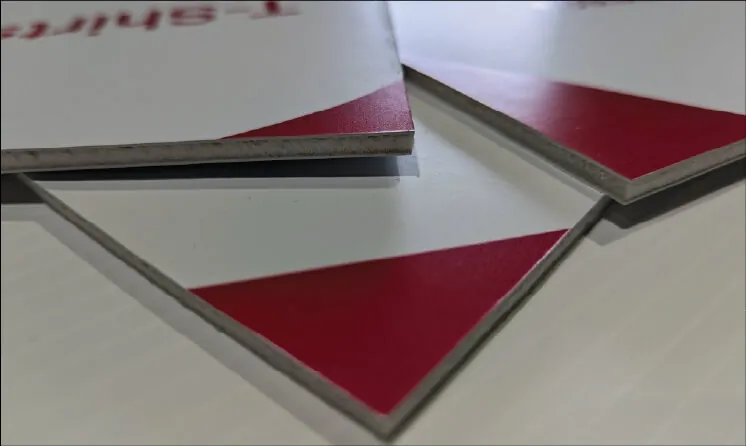
Expanded PVC is lightweight, easy to cut and prints well, which makes it popular for exterior Sintra signs. It also has a low heat ceiling: Laird Plastics lists SINTRA’s maximum service temperature at 140°F (60°C) (Laird Plastics, SINTRA).
Why dark PVC warps in summer
A dark vertical surface can reach 190°F in summer sun, 50 degrees past PVC’s service limit. A black or navy PVC sign on a south- or west-facing wall can pass that limit on a July afternoon. Sign makers on industry forums describe dark exterior PVC turning into “a pretzel” (Signs101).
When PVC works outdoors
PVC holds up outside when the sign is light-colored, modest in size, and shaded or north-facing. If any of those conditions fails, ACM is the safer panel.
Mounting PVC with room to expand
Experienced sign makers on the same Signs101 thread recommend oval or slotted holes at least 2.5 times the fastener diameter, with large washers tightened snug rather than tight. That lets the panel slide as it expands instead of bowing.
Coroplast
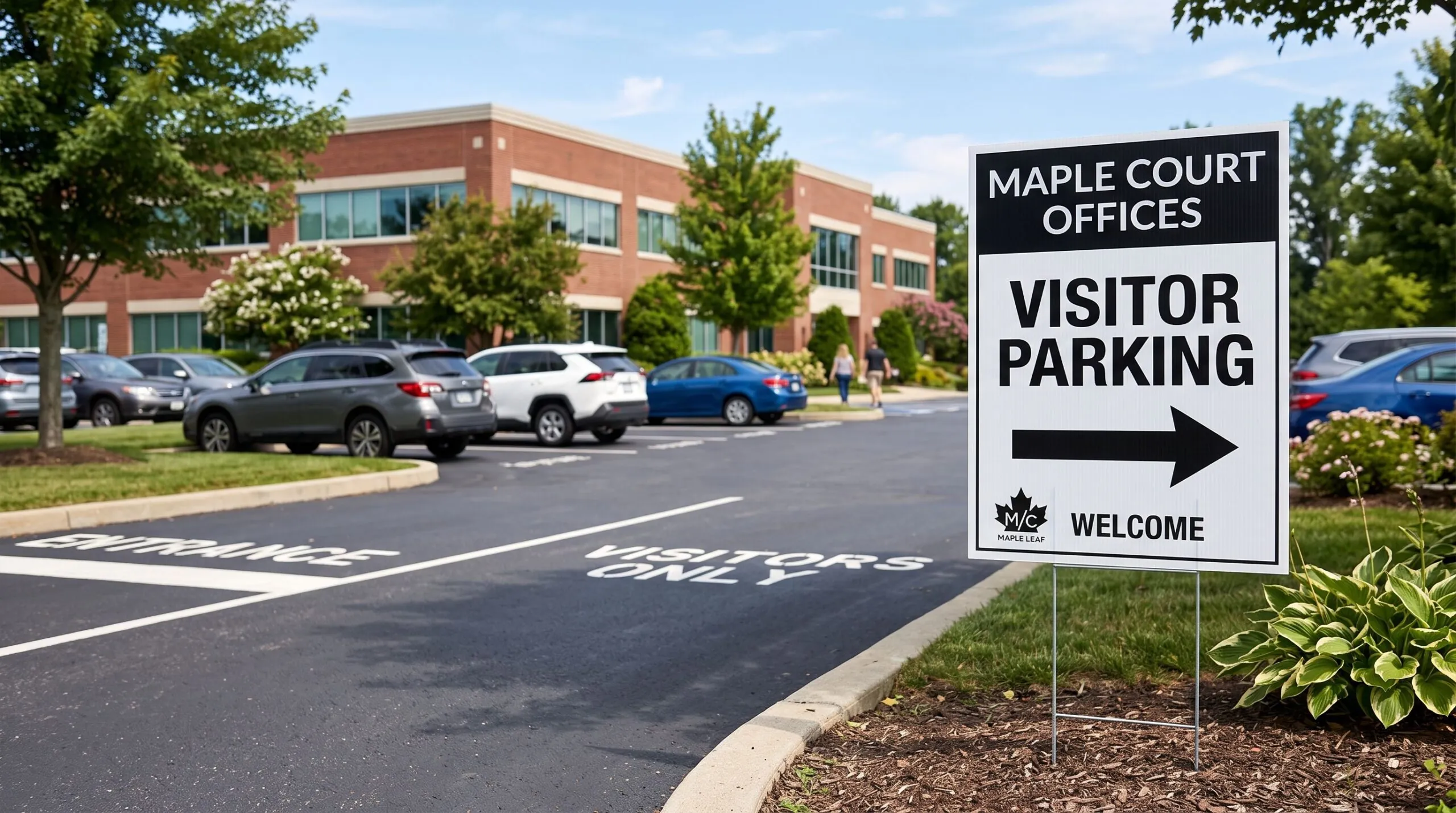
Corrugated plastic is the right call when a sign only needs to last a season: real estate, political, event and job-site signs. It costs little, shrugs off rain and is light enough to stake into a lawn. For the trade-offs between short-run and long-term signs, see temporary vs permanent business signage.
How long Coroplast lasts outside
Expect about 6 to 18 months outdoors, depending on sun and wind (4OVER4 material guide). The 4 mm sheet flexes in gusts, and printed colors fade faster than on aluminum.
Flute direction and stakes
Coroplast has internal channels called flutes. For yard signs, the flutes run vertically so standard H-stakes slide in.
Indoor-only boards that get used outside by mistake
Foamboard, Ultraboard, standard Gator Foam, styrene and MDF are interior materials. If a quote for a permanent outdoor sign lists any of them, ask why.
Foamboard and Ultraboard
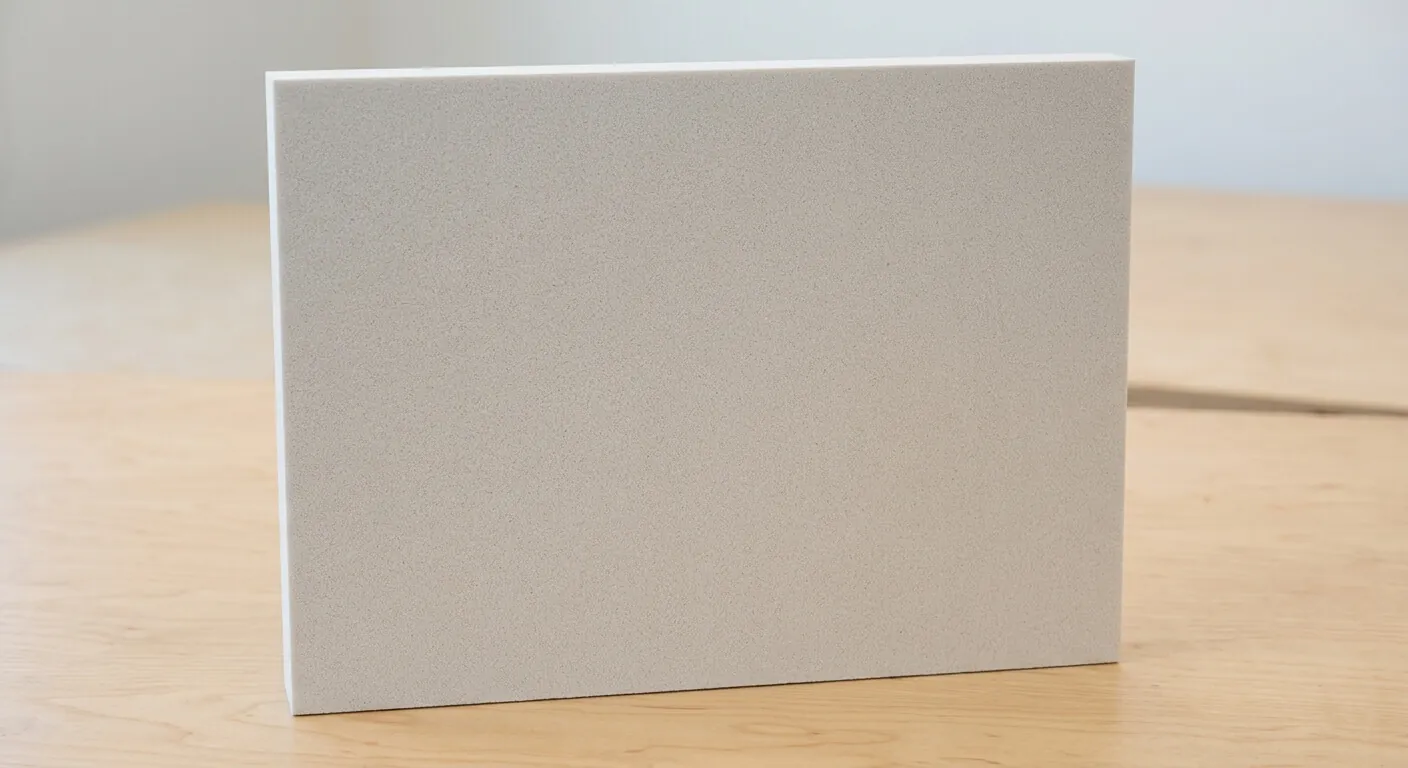
Both are foam-core boards built for indoor displays and foam board signs. Ultraboard’s distributor guidance reads “Do not use outdoors” (Olympus Group).
Gator Foam
Standard Gator Foam is an indoor board. 3A Composites makes a separate Gatorfoam Exterior line with a moisture-resistant adhesive for mid-term outdoor displays (SignShop), which tells you the standard board is not built for weather.
Styrene and MDF
Styrene can handle a short outdoor stint, such as a weekend event, but it is a display sheet and not a permanent sign panel. Standard MDF is an interior material; moisture swells it and damages cut edges.
NYC and New Jersey rules that affect material choice
In New York City, a sign’s size, lighting and weight decide what permits and installers it needs. In New Jersey, the rules change from town to town.
NYC sign permits
The NYC Department of Buildings does not require a permit for signs that are painted, or smaller than six square feet and not illuminated. Larger or lit signs need DOB approval (NYC DOB sign permit requirements).
NYC licensed sign hanger threshold
A licensed sign hanger must perform or supervise installation unless the sign is no more than 75 square feet on one face and no more than 25 pounds, among other exemptions (Construction Code §28-415.1, same source). On a borderline sign, the substrate can decide whether a licensed hanger is required.
Panel weights against the 25-pound limit
Weights below are for a full 4×8-foot sheet before frames or hardware, calculated from manufacturer weight (DIBOND) and aluminum’s density of 2.70 g/cm³.
| Panel (4×8 ft) | Approx. weight | Under 25 lb? |
|---|---|---|
| 3 mm Dibond (ACM) | 24.9 lb | Barely, before hardware |
| .040″ aluminum | 18.0 lb | Yes |
| .063″ aluminum | 28.3 lb | No |
| .080″ aluminum | 35.9 lb | No |
Illuminated signs in NYC
Illuminated signs that extend past the building line need an electrical permit and an annual illuminated sign permit, on top of the sign permit.
New Jersey municipal sign rules
New Jersey sign rules are set by each municipality through local zoning, so size, placement and lighting limits in Linden differ from those in Hoboken or Hackensack. Check the rules for your town in our service areas before ordering.
How to choose the right outdoor sign material
Match the material to the sign’s lifespan, color, size and exposure. These four questions settle most projects.
- 1How long does it need to last? Under a year: Coroplast. Several years or more: ACM, aluminum, or properly mounted acrylic or polycarbonate.
- 2What color and which wall? Dark colors on sunny walls rule out PVC and demand expansion room for acrylic.
- 3How big and how heavy? Large flat signs favor ACM over solid aluminum. In NYC, weight can trigger the licensed-hanger requirement.
- 4Is it lit, and can people reach it? Lit faces within reach of the street favor polycarbonate.
Outdoor signs built in Linden, NJ
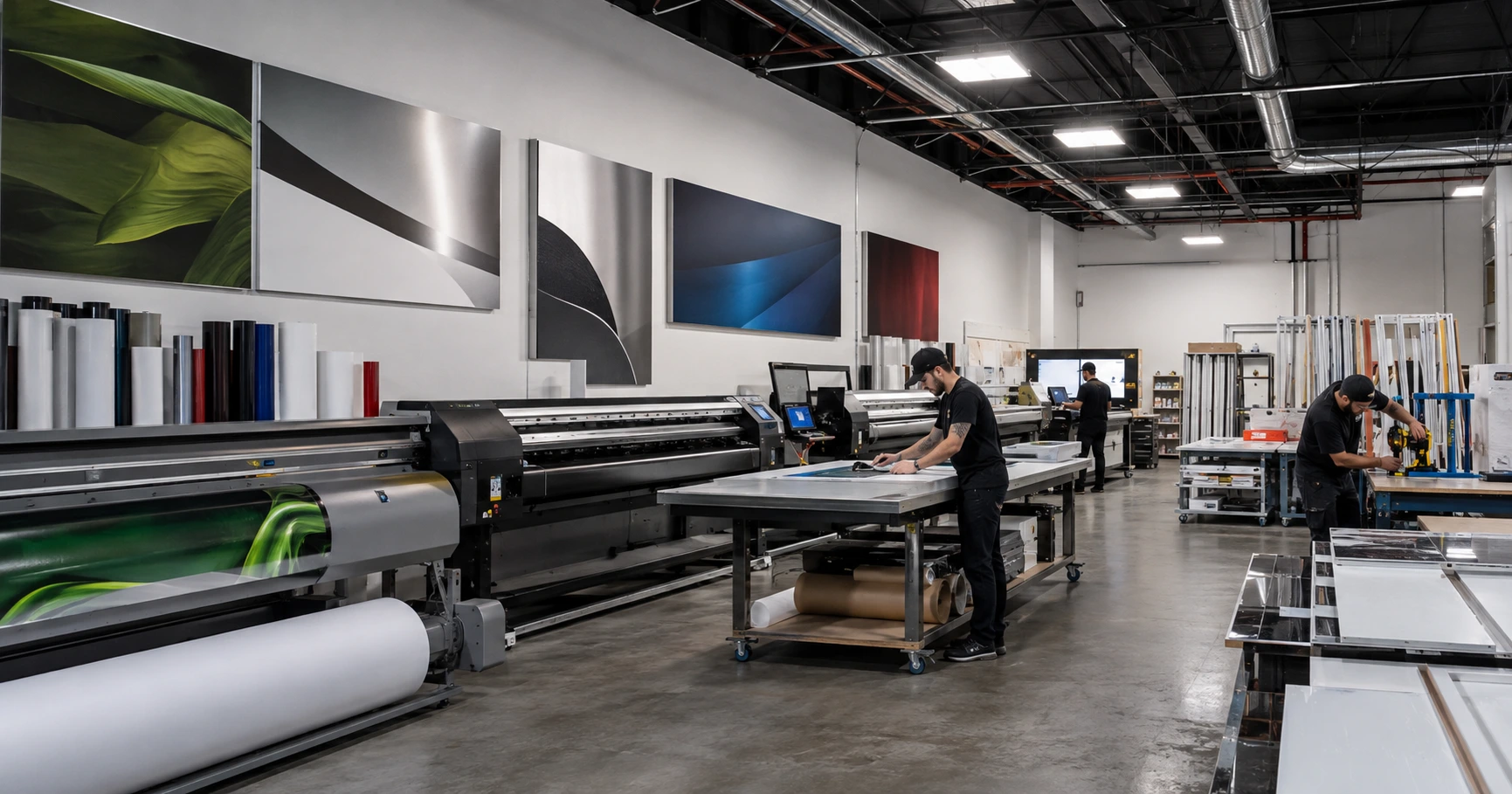
Gogi Signs has built signs in a 10,000-square-foot shop in Linden since 2005, for businesses across all 21 New Jersey counties and the five boroughs. A site survey shows which way the wall faces, how much sun it gets and what local rules apply, so the material is chosen before anything is printed. We also handle sign installation and permit filing. Request a quote or call 908-486-7000.
Outdoor sign material FAQ
How long does a Dibond sign last outdoors?
DIBOND’s manufacturer, 3A Composites, reports outdoor service life of up to 20 years. Print, laminate and installation quality affect how long the graphics look new.
Can PVC signs be used outside in New Jersey?
Yes, for light-colored, smaller or shaded signs mounted with room to move. SINTRA’s maximum service temperature is 140°F, and dark surfaces in summer sun can exceed that, so dark PVC on a sunny wall is a poor choice.
Does a small storefront sign in NYC need a permit?
Not if it is painted, or under six square feet and not illuminated. Anything larger or lit needs Department of Buildings approval.
