— CNC Routing · New Jersey
CNC cutting for parts that need more than an outline
Gogi Signs routes custom profiles, panels, letters and components with the holes, slots, pockets and channels already built into the part. Send a production file, dimensioned drawing or project reference to get started.
Material can be sourced for the job or supplied by you for review.

Cut, drilled and routed from one approved file
Built around the fit, finish and next step in your project.
Since 2005
Fabrication experience behind every cut
Profiles
Outside and interior geometry
Features
Holes, slots, pockets and channels
Material
Sourced or customer-supplied
Order Size
One-off parts through repeat runs
Input
Vector, CAD, drawing or sample
— CNC-routed work
Parts shaped for how they will be used.
A CNC quote is easier to evaluate when the finished function is clear. These are common starting points; custom geometry and mixed-part jobs are welcome.
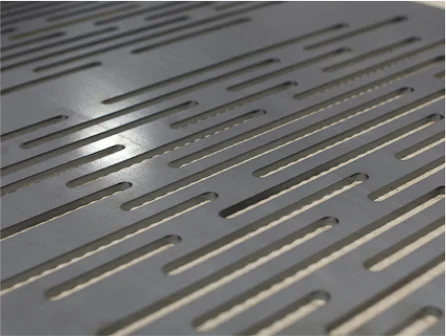
Profile routing
Letters, Logos & Dimensional Shapes
Custom outlines produced for sign faces, dimensional graphics and branded elements.
- Individual letters and numbers
- Layered logo components
- Interior openings and contours
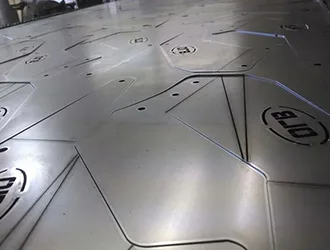
Built to fit
Panels, Faces & Inserts
Rigid sheet parts cut around frames, hardware, displays or existing structures.
- Cabinet and display inserts
- Equipment and access panels
- Mounting and clearance cutouts

Repeat parts
Components & Production Parts
One approved geometry repeated across a run or retained for a future reorder.
- Matched sets and assemblies
- Prototypes and one-off parts
- Repeat commercial components
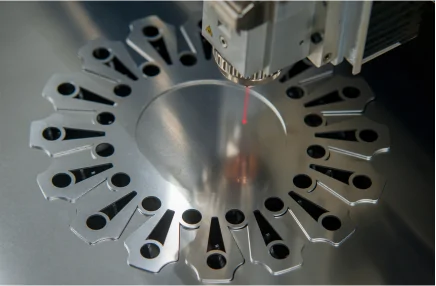
Working tools
Templates, Jigs & Patterns
Reusable guides developed for positioning, fabrication, installation or repeat work.
- Drill and placement templates
- Assembly and layout guides
- Tracing and production patterns
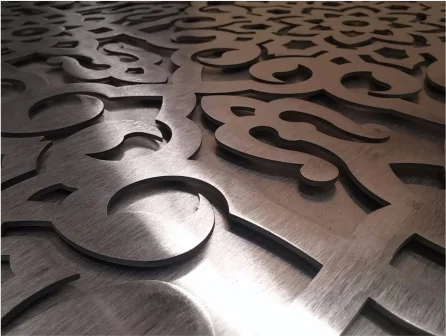
Display build
Display & Fixture Components
Parts for retail fixtures, branded environments, exhibits and presentation systems.
- Shelves, bases and dividers
- Branded feature elements
- Interlocking display parts
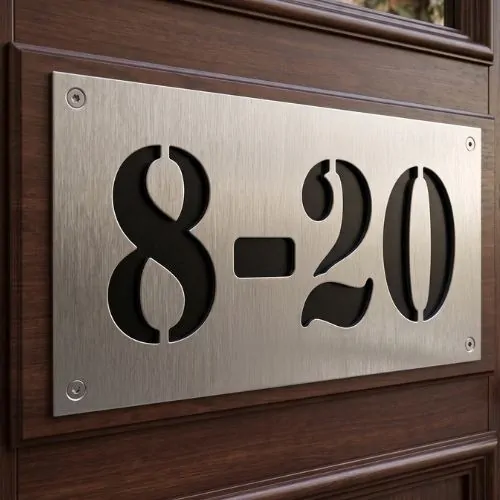
Ready for finishing
Sign & Fabrication Components
Cut parts delivered for painting, graphics, assembly, mounting or a larger sign build.
- Backers and dimensional layers
- Mounting plates and spacers
- Custom fabrication blanks
— Built into the toolpath
The details belong in the drawing.
CNC routing can form the outside shape and add functional features during the same production setup. Mark critical dimensions and tell us what the part must fit.
01
Profile cutting
Exterior contours and interior openings cut from an approved vector or CAD path.
02
Holes & slots
Mounting holes, pass-throughs, notches and elongated slots positioned in the production file.
03
Pockets & recesses
Material removed to a specified depth for hardware, inserts, alignment or layered construction.
04
Channels & grooves
Routed paths for wiring, inlays, dividers, assembly features or visual detail.
05
Edge & finish planning
Tool access, edge condition, masking, paint, graphics and assembly are reviewed around the final use.
— Rigid sheet materials
Material selection follows the job.
Tell us the environment, required appearance and how the part will be mounted or handled. We can source an appropriate substrate or assess identified material you provide.
- Thickness is quoted around the project and current material availability.
- Customer-supplied sheets must be identified, flat and in usable condition.
- Outdoor exposure, paint, graphics and assembly requirements should be disclosed upfront.
Acrylic
Clear, colored or opaque components that may also need polishing, graphics or assembly.
PVC sheet
Lightweight rigid parts for signs, displays, panels and fabricated builds.
Wood products
MDF, plywood and selected wood materials for letters, panels, patterns and displays.
Foam & sign boards
Lightweight sheet products routed for dimensional graphics, prototypes and presentation work.
Aluminum composite
Flat panel material for faces, inserts and components where a rigid finished surface is needed.
Other rigid substrates
Suitability is confirmed from the exact product, thickness, geometry and finished use.
Have your own sheet? Include the manufacturer or material name if available, along with thickness, sheet size and a clear photo.
— Process decision
When CNC routing is the stronger choice.
Both methods can create accurate profiles. The right one depends on material, depth, geometry and the edge the project needs.
Choose CNC routing
Best when the part needs routed depth or functional machining beyond the outline.
- Pockets, recesses, channels or grooves
- Holes, slots and mounting features
- Rigid panels and substantial components
- Machined, beveled or secondary-finished edges
Consider laser cutting
Best when fine detail and engraving matter and the exact material is laser compatible.
- Intricate vector profiles
- Small interior shapes and fine lettering
- Surface engraving in the same workflow
- Compatible acrylic, wood and selected materials
— From file to finished part
A practical CNC project flow.
Specifications are confirmed before production so the drawing, material and finished use point to the same result.
1
Send the project
Share dimensions, quantity, material, intended use and any available files or references.
2
Review geometry
We assess cut paths, inside features, tool access, sheet use and needed file preparation.
3
Confirm scope
Material, quantity, finish, timing and delivery are approved before production begins.
4
Route & finish
Parts are cut, checked and completed with the agreed secondary work or packing.
— CNC routing cost
What affects your quote.
Two parts with the same outside dimensions can require very different setup and cutting time. These factors shape a useful estimate.
01
Material & thickness
Substrate, sheet condition, thickness and sourcing affect tooling, handling and material cost.
02
Part size & sheet yield
Dimensions, nesting and spacing determine how efficiently parts fit on the available sheet.
03
Geometry & cut length
Curves, corners, interior openings and total toolpath influence production time.
04
Routed features
Holes, slots, pockets, recesses, channels and multiple depths add operations and review.
05
Quantity & file setup
Repeat quantity, mixed parts, drawing cleanup and production-file preparation affect setup.
06
Finishing & schedule
Edge work, paint, graphics, assembly, packing, turnaround and delivery complete the scope.
The fastest path to a useful quote: send the file, finished dimensions, quantity, material and thickness, mark every routed feature, and explain what the part must fit or do.
— Related cutting services
Use the page that matches the project.
Fine detail & engraving
Laser Cutting Services
Detailed profiles and engraving in compatible sheet materials.
Acrylic-specific work
Acrylic Cutting Services
Cut-to-size acrylic, custom profiles and finished components.
Compare the methods
All Cutting Services
Return to the gateway to compare CNC, laser and acrylic cutting.
— CNC cutting questions
Before you send the drawing.
CNC routing can produce custom profiles, dimensional letters and logos, panels, inserts, templates, display components and repeat parts. A project can also include holes, slots, pockets, channels and other routed features.
Common project materials include acrylic, PVC sheet, foam board, wood products, aluminum composite panels and other rigid sign or display substrates. Material suitability is confirmed from the exact product, thickness and finished use.
Yes. These features can be included in the production file. Send finished dimensions, feature locations and any critical fit information so they can be reviewed before cutting.
Vector and CAD files such as AI, EPS, PDF, SVG, DXF and DWG are useful starting points. We can also review a dimensioned drawing, sketch, photo or existing sample when a production file is not ready.
Yes. A finished vector or CAD file is best for quoting, but we can review dimensioned drawings, sketches, photos and existing pieces and identify the file preparation needed for production.
Yes. Customer-supplied material is reviewed for identity, condition, flatness, thickness and routing suitability before production. We can also source material around the approved project specification.
Yes. We can produce a one-off component or prototype and retain an approved production file for repeat orders. Material availability and project specifications are reconfirmed when a job is reordered.
Pricing is based on material and thickness, sheet yield, total cutting time, part geometry, holes and internal features, pockets or channels, quantity, file preparation, finishing, timing and delivery requirements.
— Request CNC pricing
Show us the part, not just the outside size.
Upload the clearest file you have and describe the finished use. We will review the material, geometry, routed features, quantity and next-step requirements before confirming scope.
- Vector, CAD, PDF, drawing, sketch or reference photo
- Finished dimensions and all critical fit measurements
- Material, thickness, quantity and needed-by date
- Holes, slots, pockets, channels, edge or finishing requirements
Prefer to talk through it?
CNC project details
Fields marked required give us enough context to begin the review.