East Orange, New Jersey
East Orange Sign Company for Main Street Shops and Medical Offices
Gogi Signs designs, fabricates, prints, installs, repairs and replaces commercial signs throughout East Orange: channel letters and flat panels along Central Avenue and Main Street, window graphics carrying what the wall sign is not allowed to, and the directories and suite signs that transit-oriented buildings need inside.
20+ Years Experience
Serving New Jersey Since 2005
In-House Production
Fabrication & Large-Format Printing
Commercial Installation
Insured Installation Crew
East Orange & Essex County
Local Sign Service
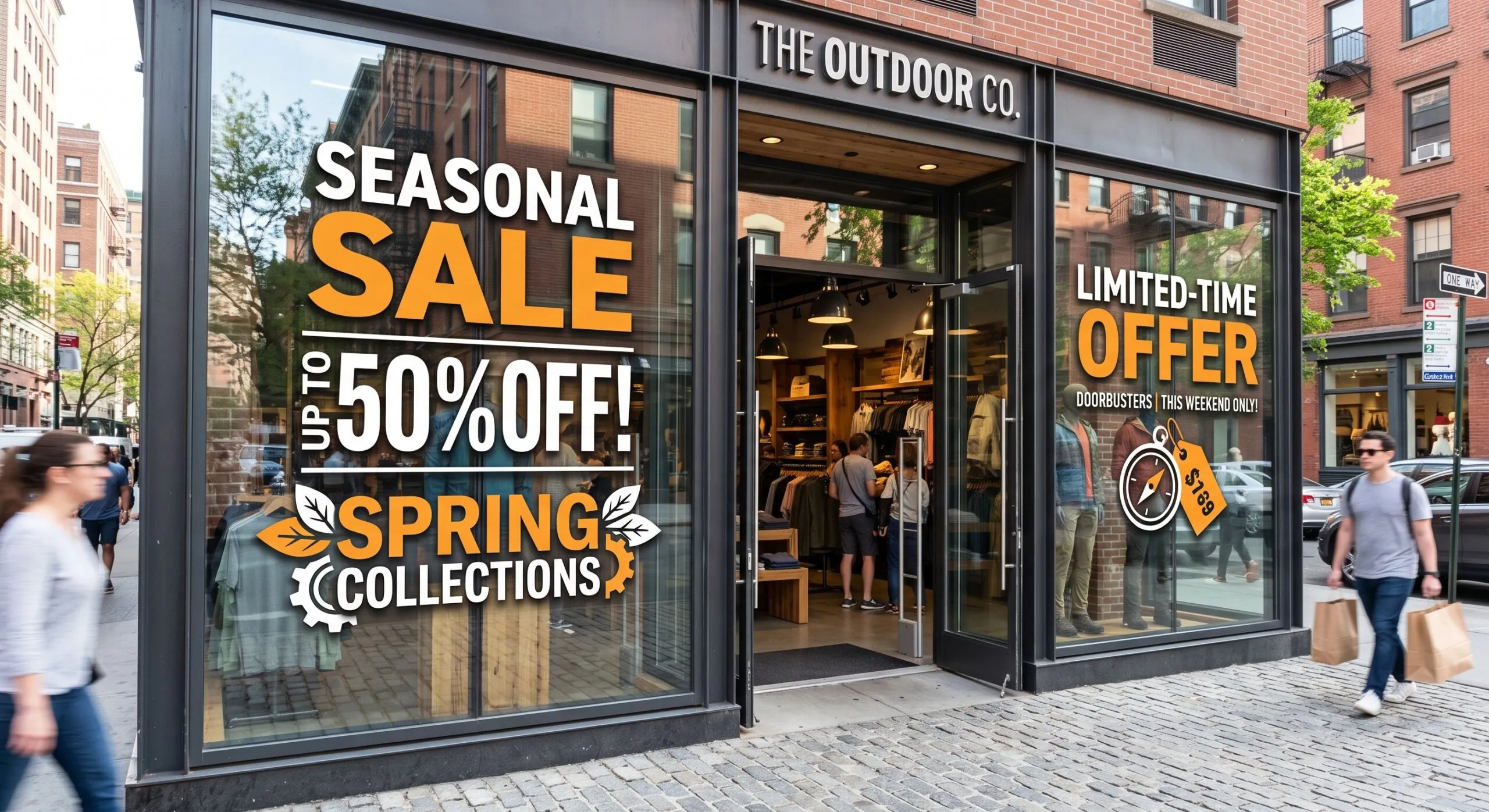
Sign Company in East Orange
Commercial Corridors and Neighborhood Business Nodes
East Orange is built around active commercial corridors, neighborhood business nodes, healthcare, professional services, transit-oriented development, mixed-use properties and local retail spread across Central Avenue, Main Street, South Orange Avenue and the surrounding commercial areas.
The zoning framework separates that activity: the City identifies the Central Avenue Central Business District and the Main Street Entertainment District as its principal commercial corridors, while C-1 and C-2 districts serve neighborhood and gateway commercial uses. The Master Plan names Central Avenue, Main Street and South Orange Avenue as the major corridors, with smaller nodes serving nearby neighborhoods.
Gogi Signs has handled storefront signs, channel letters, dimensional lettering, custom awnings, window graphics, office signs, directories, ADA signage, tenant changes and vehicle graphics throughout East Orange since 2005.
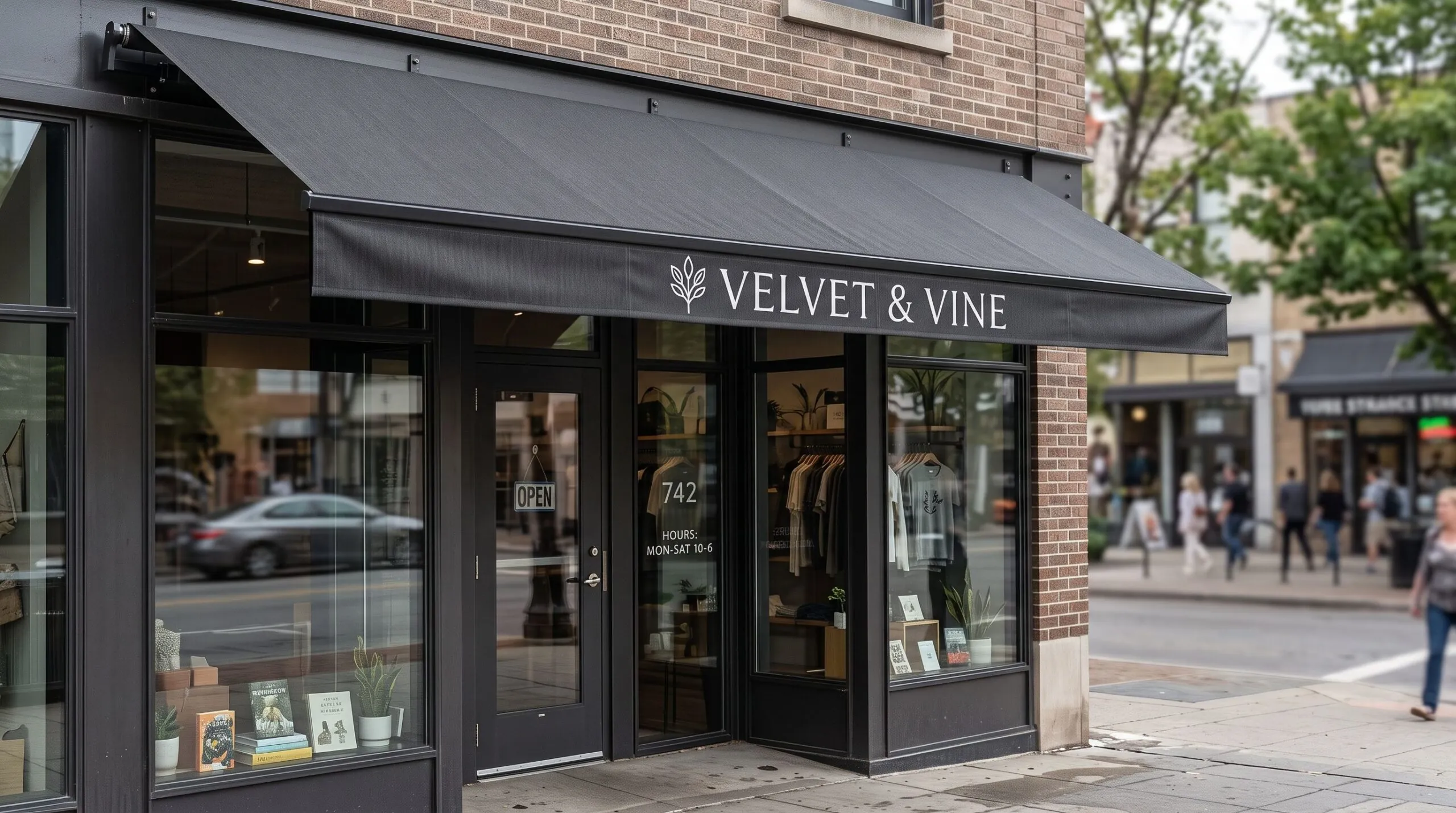
Corridors & Nodes
Four Sign Environments Inside One City
A sign is built around which of these the business actually occupies, because the viewing conditions have almost nothing in common.
Central Business District
Central Avenue
A major arterial commercial corridor running across the southern part of the city and connecting to neighboring communities and downtown Newark: retailers, food businesses, services and healthcare activity including the hospital area.
Entertainment District
Main Street
Street-level businesses, entertainment-related uses, local retail and services, on properties tied to the City’s transit and downtown activity, read mostly at pedestrian range.
C-1 Neighborhood
Neighborhood Commercial
Convenience stores, salons, barbers, small retailers and professional services relying on nearby residents. These do not need the visual scale a Central Avenue site does: simple identification from the sidewalk and the nearby street is the job.
Transit Village
Transit-Oriented Properties
Mixed-use, retail, office and residential development around Brick Church and the other transportation nodes, where one building holds several tenants behind a shared entrance.
Central Avenue is where the specification changes most. Customers should be able to identify the business before reaching the property, the sign should be proportional to the actual tenant space rather than the whole building, and the faster traffic passes, the simpler the primary sign becomes, with enough contrast to separate the letters from the façade, the neighboring businesses and the surrounding visual activity.
Sign Rules
East Orange Wall Signs Have a Clear Size Formula, and a Content Rule
The dimensions are straightforward. The unusual part is what the ordinance will not let the wall sign say.
- One wall sign per business, with a second allowed for qualifying corner properties: no more than two in total.
- Sign area. 1.5 square feet per linear foot of building frontage.
- Width. No more than 90% of the building front.
- Height. Maximum sign height of 24 inches.
- Content limited to name and logo. Phone numbers, contact information, promotional messages and service lists are not permitted on the primary wall sign.
- Window signs. Capped at 25% of the glass panel area, and permitted to carry the detail the wall sign cannot.
- Second-floor businesses. Commercial tenants on the second floor of two-story buildings may use a window sign, with coverage limited to a percentage of the available window area.
- Address numerals. Between four and 10 inches tall, in durable materials, contrasting with the background and clearly visible from the street.
- Temporary banners. Generally one at a time, up to 32 square feet, for no more than 30 days in a calendar year: grand openings, sales, tenant changes, public events and fundraising.
- Prohibited formats. Roof signs, rotating signs, flashing or intermittent illuminated signs, moving signs, unauthorized A-frame signs, portable handheld commercial signs, and signs attached to utility poles or public street fixtures.
- Architecture. Wall signs must work with the building’s architectural features, aligning with storefront bays, entrances and windows rather than interrupting or obscuring them.
- Multi-tenant coordination. On shared buildings, signs are to be coordinated in scale, placement, colors and materials.
Between the 24-inch height cap and the name-and-logo restriction, the primary sign is a deliberately narrow instrument here, which is why the window and door allowances matter more in East Orange than in most towns. The application is filed by you or your landlord. We assist with permits; we do not file them on your behalf.
Permitted Formats
Box and Cabinet Signs Are Not an Option Here
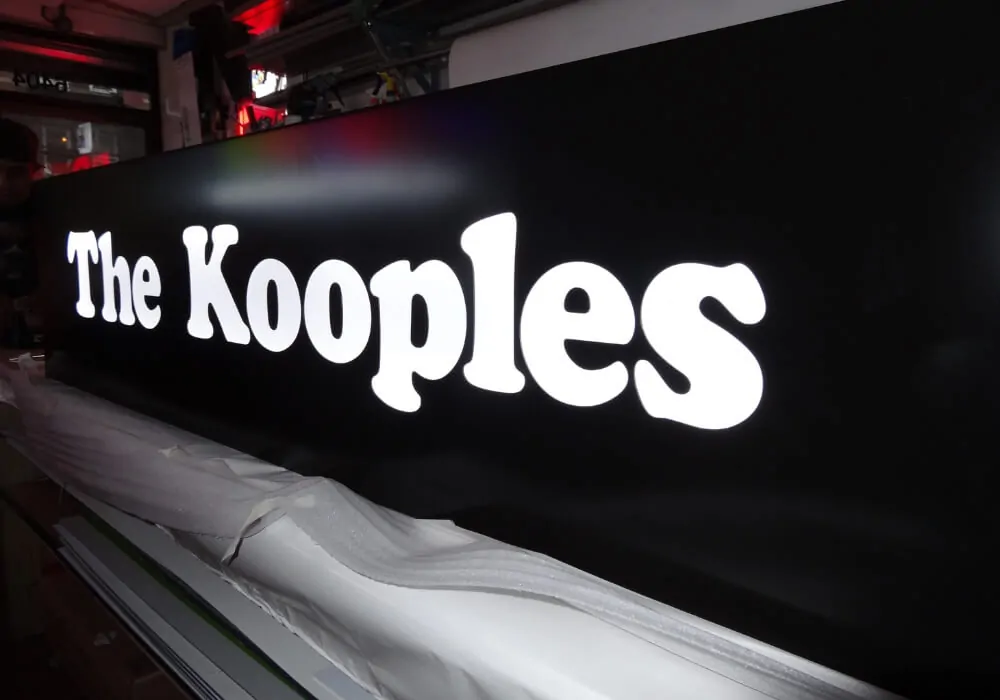
The current sign ordinance specifically prohibits internally illuminated box or cabinet signs as wall-mounted and projecting sign types. That rules out the format many businesses assume is the default, and it is a fabrication decision rather than a styling one.
What the ordinance recognizes instead:
- Channel letters
- Flat panels
- Individually shaped letters
- Externally lit signs
- Halo-lit letters
- Non-illuminated dimensional letters
These are not interchangeable with a cabinet after the artwork is approved. A logo drawn to sit inside a rectangular lit face has to be rebuilt as individual letters or as a flat panel with applied graphics, and the electrical, mounting and depth all change with it. So the property and the sign type get settled before the artwork is finalized, not after a quote has already been given on the wrong format.
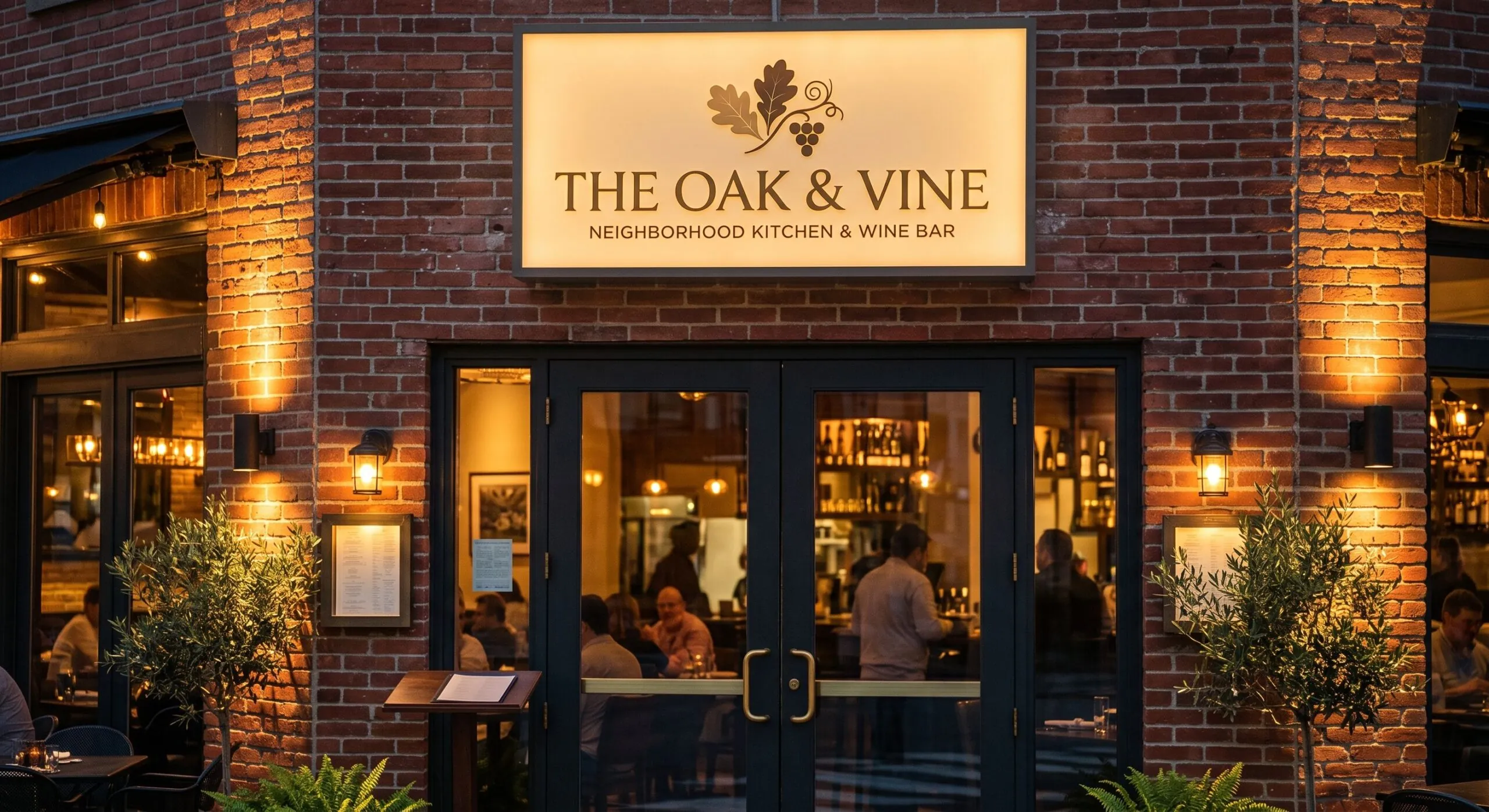
Wall, Window, Door
Window Graphics Carry What the Wall Sign Cannot
Because the wall sign is restricted to the business name and logo, East Orange effectively splits the storefront into four jobs, and the window allowance is generous enough to absorb what the wall sign gives up.
- Wall sign. Business name and logo, within 1.5 square feet per linear foot and 24 inches of height.
- Window graphics. Services, products, phone numbers, operating hours and other business messages, up to 25% of the glass panel area.
- Door sign. Entry details and close-range customer information.
- Interior signs. Reception, directories, room identification and wayfinding.
Second-floor tenants get their own route. A medical office, attorney, accountant, consultant, wellness business or shared-office tenant upstairs may use an upper-floor window sign rather than fighting for oversized exterior identification, paired with shared entrance identification, a building directory, a suite sign and a reception sign, so the customer follows a path from the sidewalk to the office door.
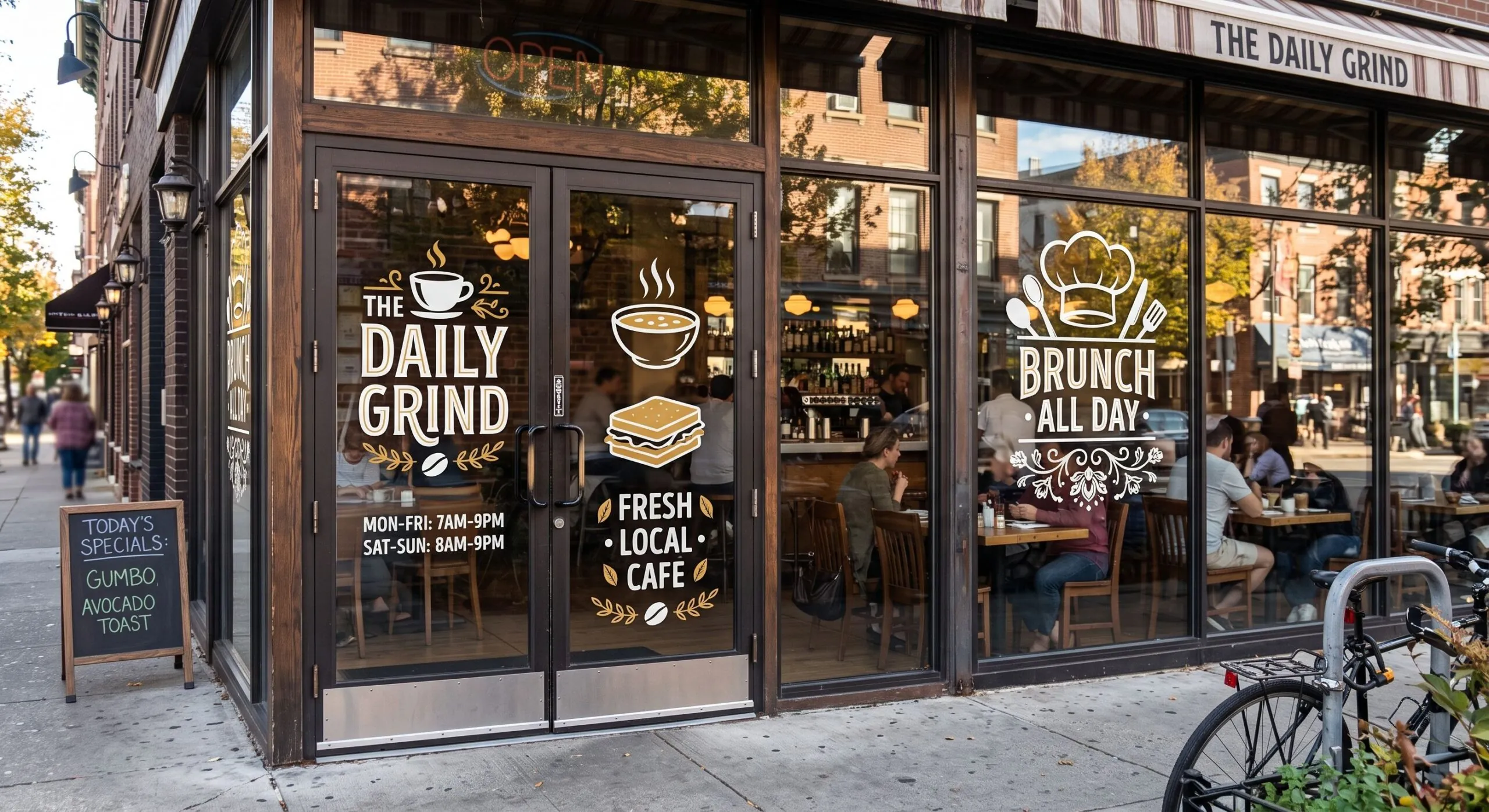
Our Products
Signs We Make for East Orange Businesses
Our New Jersey shop produces fabricated, printed, exterior, interior, temporary and replacement signage for businesses throughout East Orange.
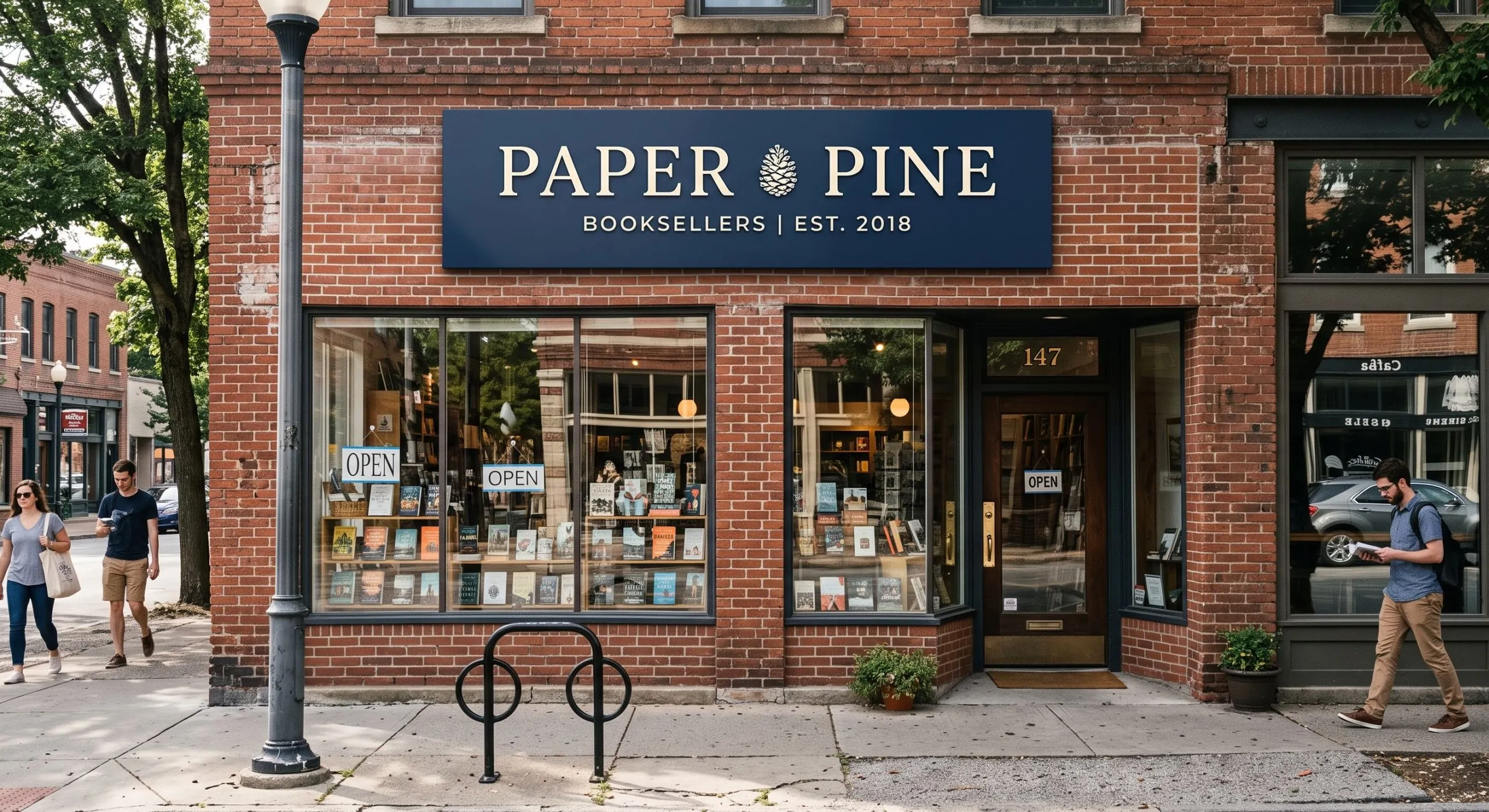
Storefront Signs
Custom exterior identification built around the tenant frontage, architecture and customer approach.
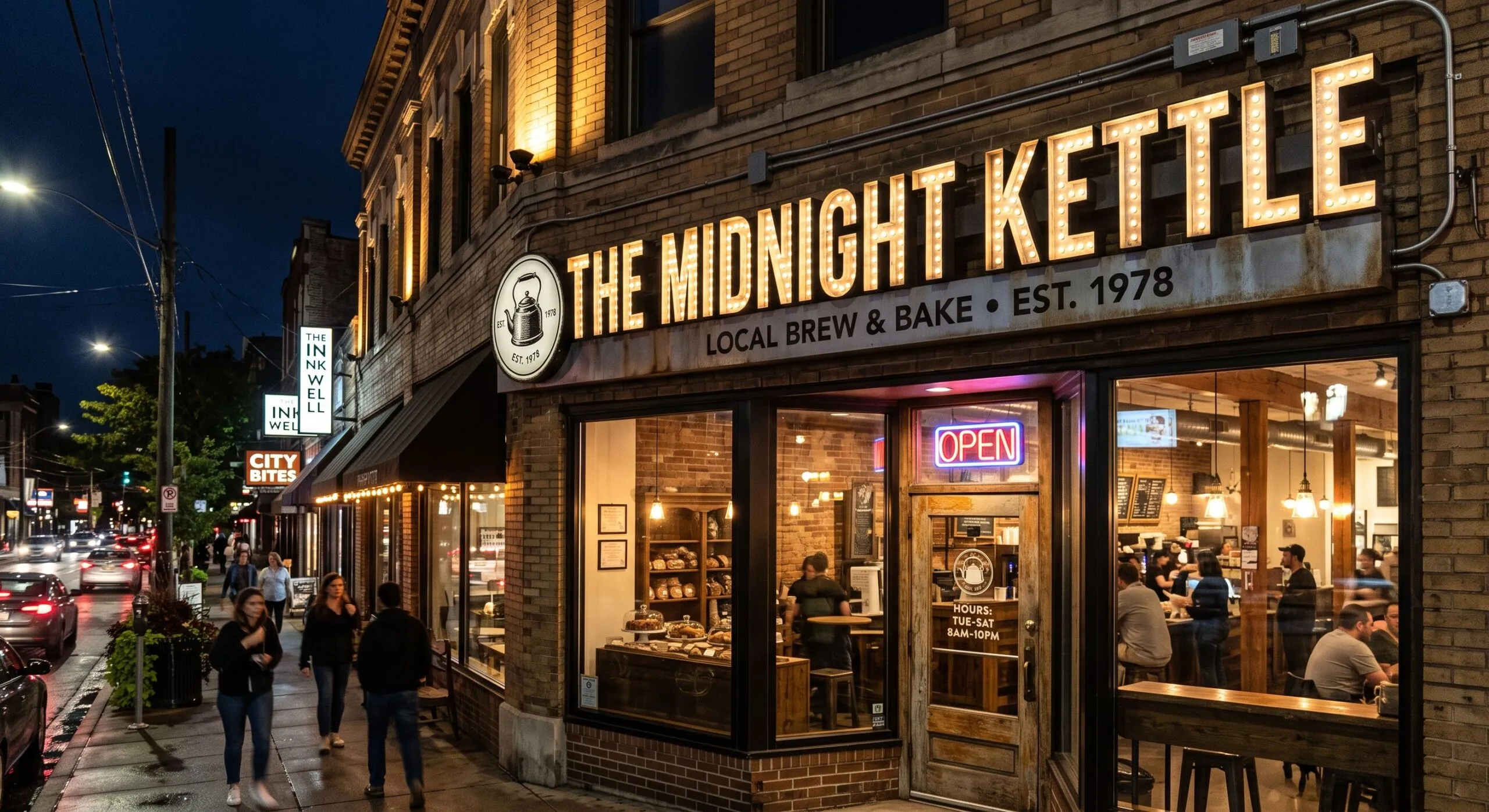
Channel Letters
Fabricated illuminated and non-illuminated letters for retail stores, restaurants, offices, healthcare and commercial properties.

Dimensional Letters and Logos
Metal, acrylic and PVC lettering for exterior walls, storefronts, entrances, lobbies and reception areas.
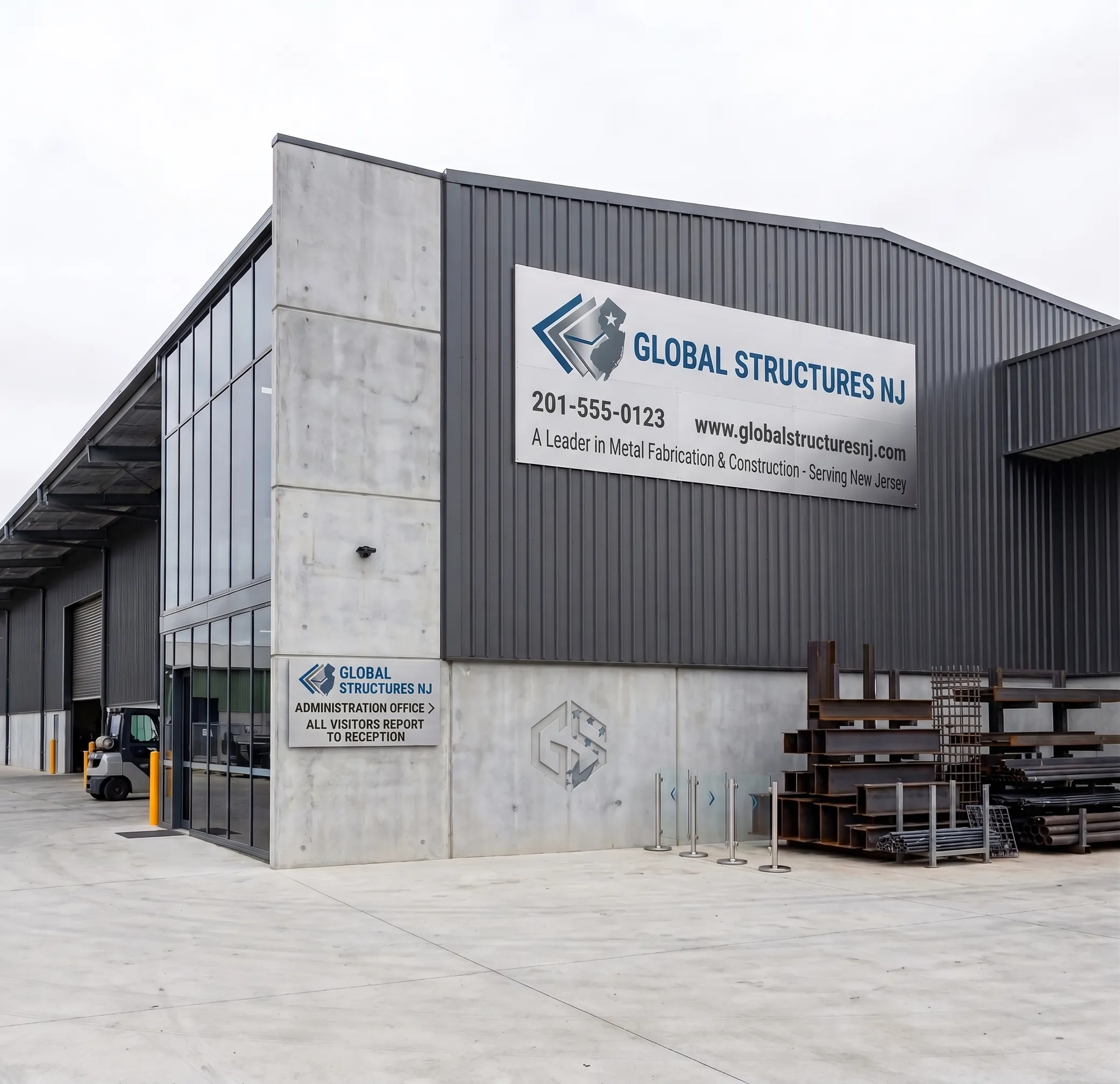
Flat Panel Signs
Wall-mounted sign panels with applied, printed or dimensional business identification: a permitted alternative where a cabinet is not.
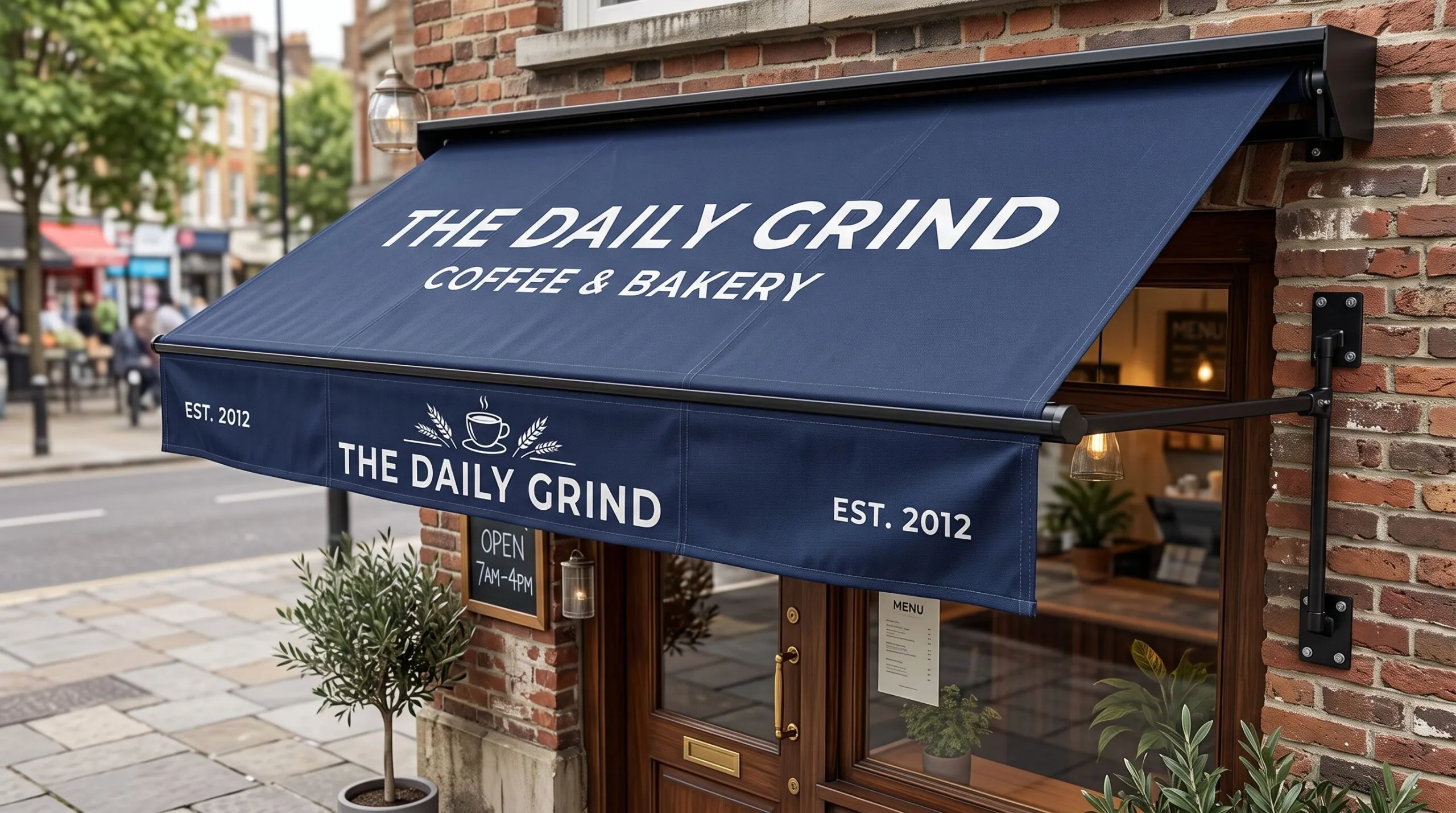
Custom Awnings
Fabric awnings for restaurants, retailers, salons, professional businesses and commercial entrances where permitted.
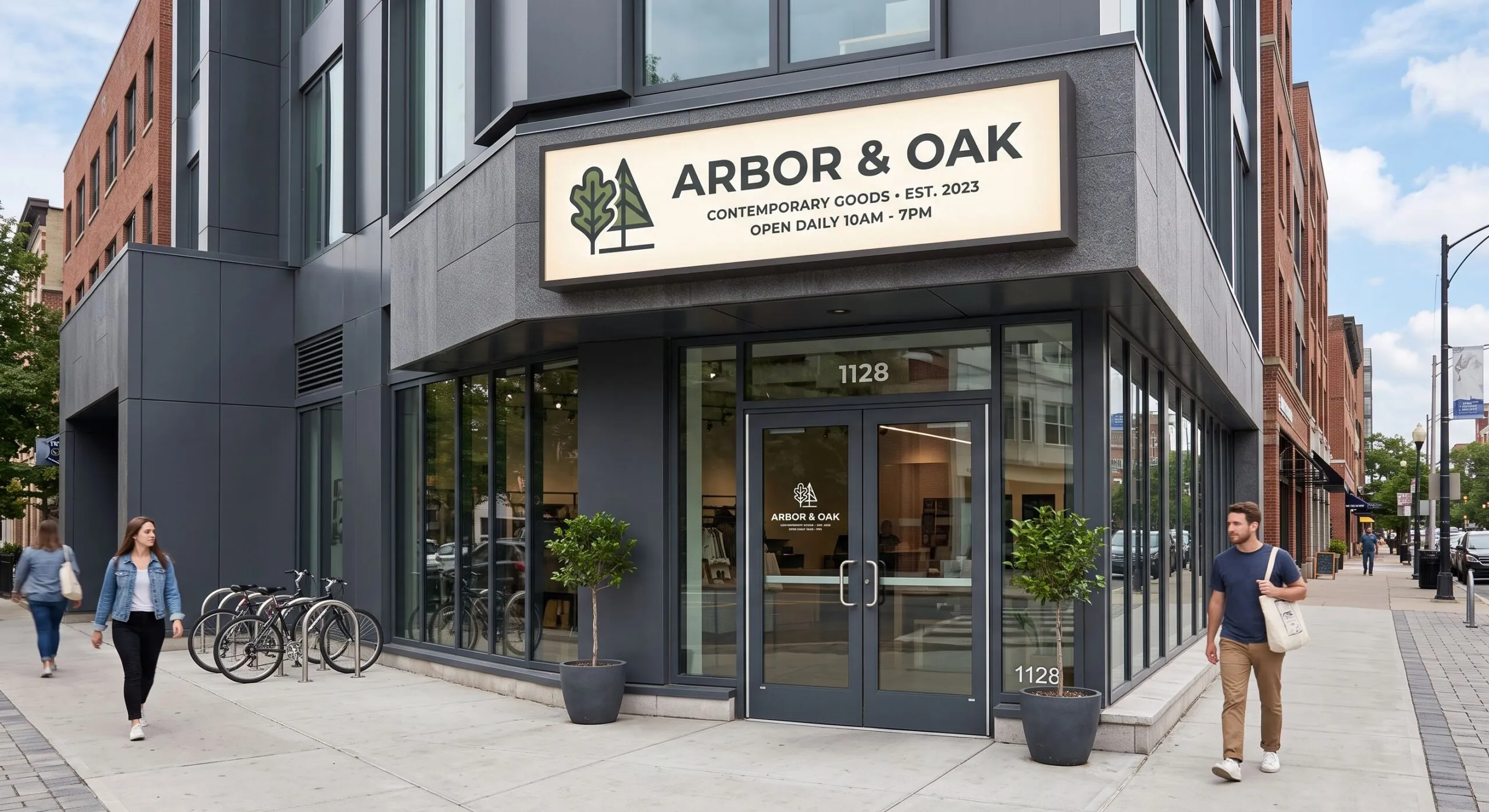
Projecting Signs
Perpendicular signs for qualifying ground-floor businesses close to the public right-of-way.
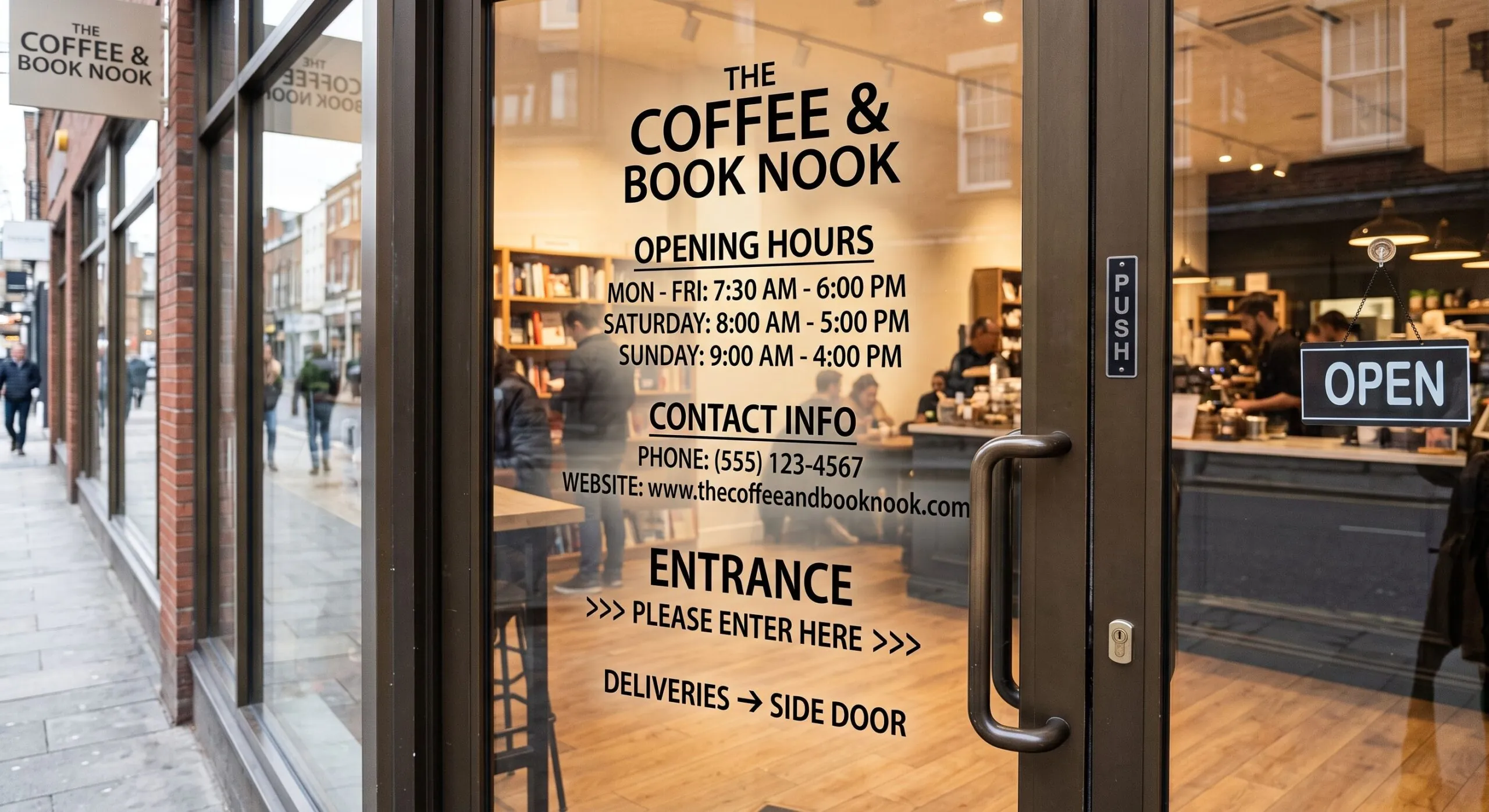
Window Graphics and Lettering
Printed graphics, vinyl lettering, business hours, services, phone information, privacy film and temporary promotions.
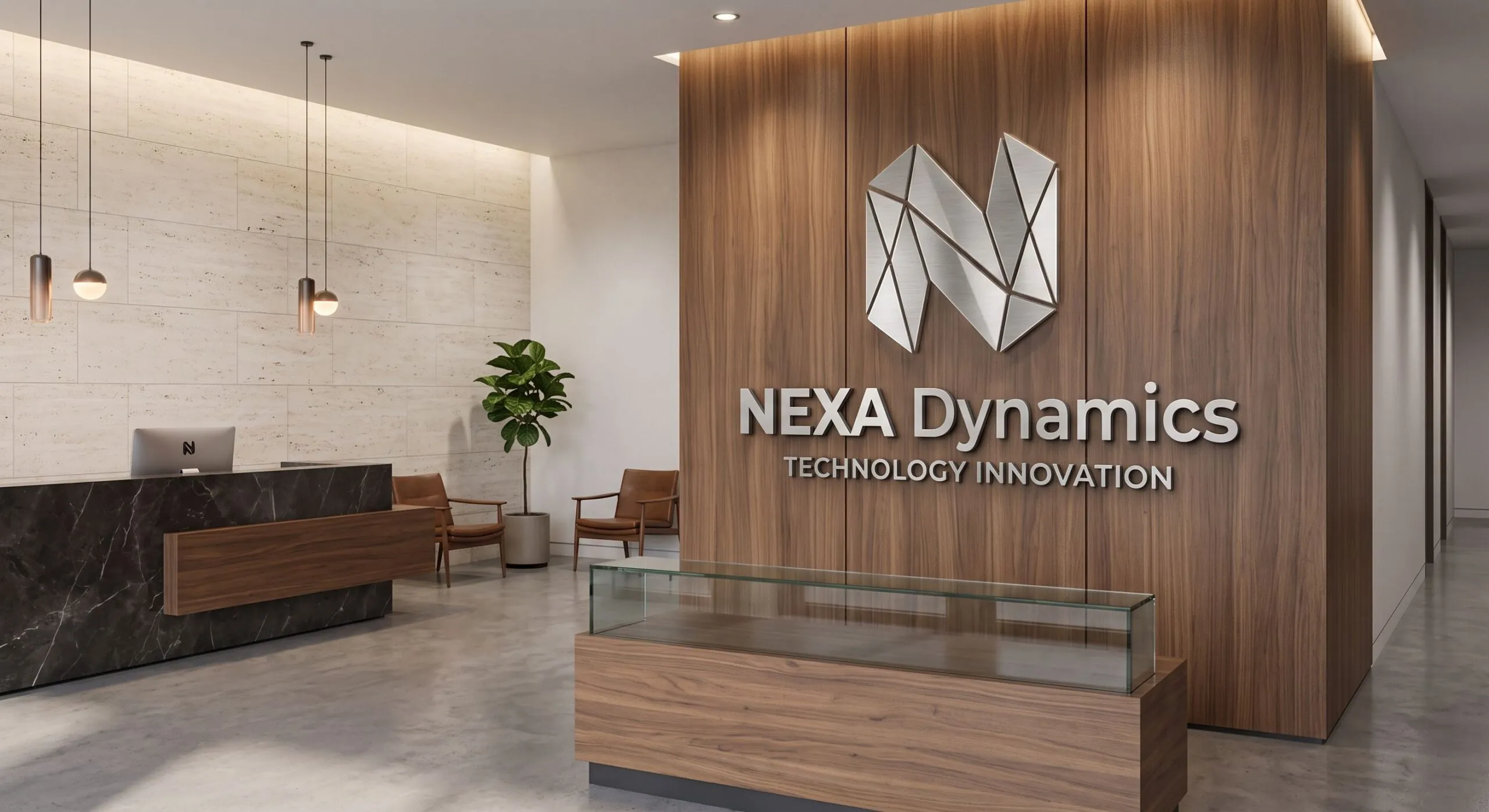
Lobby and Reception Signs
Dimensional logos, acrylic signs, metal lettering, plaques and branded wall identification.
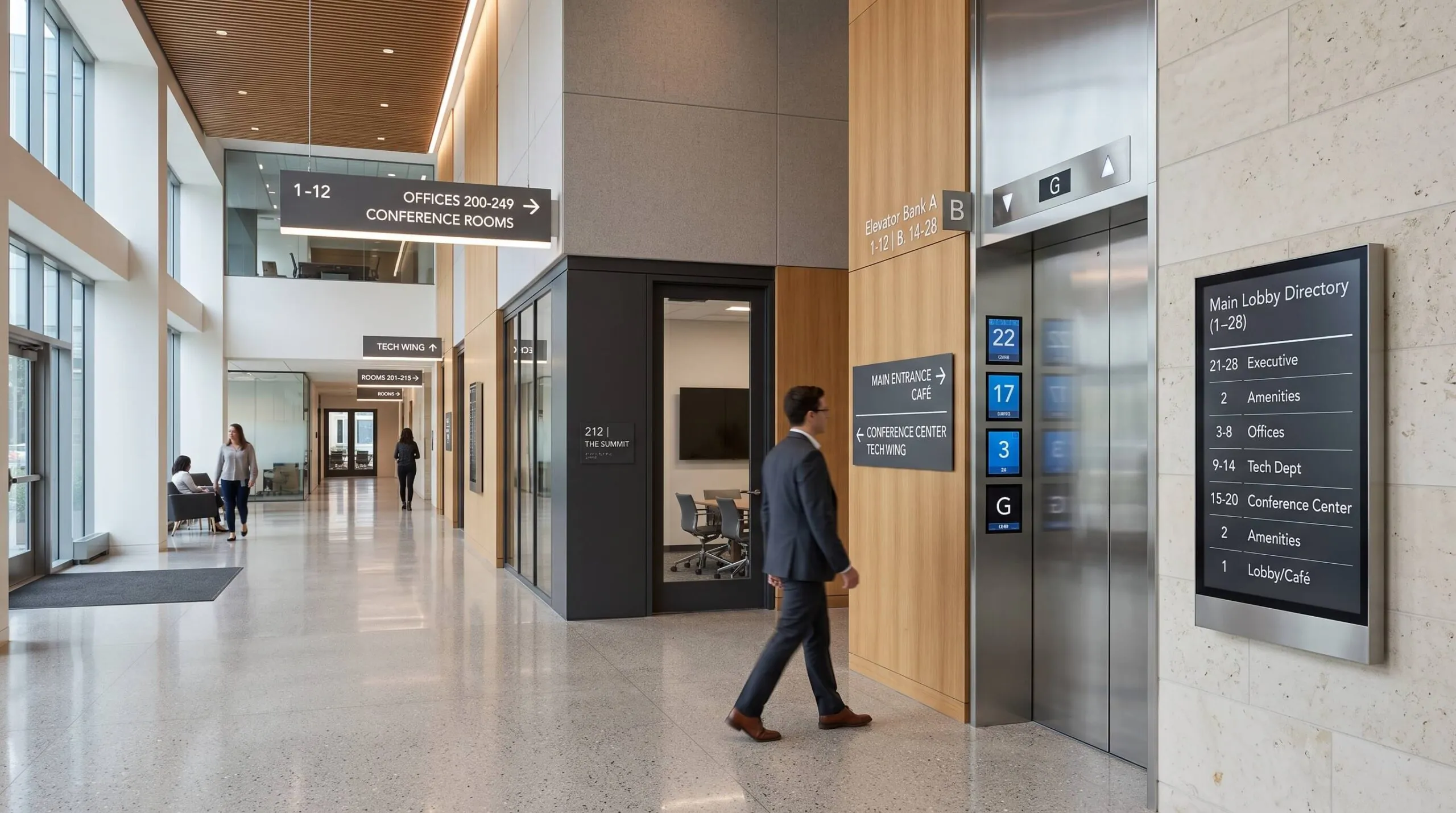
Directories and Wayfinding
Building, floor, office and tenant directories, plus entrances, exits, visitor parking, deliveries and pickup locations.
How It Works
From Site Survey Through Installation
Gogi Signs has served New Jersey businesses since 2005, and handles East Orange projects from the initial property review through fabrication, installation and future changes.
01
Site Survey
We measure the storefront, office, commercial building or interior area and document existing signs, windows, entrances and mounting conditions.
02
Design and Planning
Artwork is fitted to the actual property, available sign area, construction, viewing conditions and the City requirements, including the permitted sign format.
03
Fabrication and Printing
Approved projects move through fabrication, cutting, large-format printing, vinyl production, finishing and electrical assembly where applicable.
04
Installation
Our insured installation crew coordinates access, removes existing signage where that is included, and installs the completed signs and graphics.
05
Future Service
When lighting needs repair, tenant information changes, window graphics need replacement or another sign is required, we can return to the property.
Projecting Signs
Projecting Signs Help Along the Walkable Corridors
East Orange allows projecting signs for qualifying businesses where the primary frontage sits close to the front setback line. The sign is mounted perpendicular to the building and is intended primarily for ground-floor businesses with a street-level entrance.
Content is limited primarily to the business name and logo, with only limited secondary text: the same discipline the wall sign is held to, and for the same reason. A projecting sign is read while someone is already moving along the sidewalk, at an angle, in the two or three seconds before they pass it.
That makes them most useful for restaurants, salons, boutiques, professional services, cafés, specialty retail and neighborhood businesses, particularly where the wall sign sits flat against the façade and is easy to walk straight past.
Transit & Medical
Mixed-Use and Medical Properties Need Signs Past the Entrance
The Transit Village District concentrates retail, office, residential, public and open-space uses around the Brick Church Train Station and the other transit areas. One building there can hold ground-floor retail, upper-floor offices, residential uses, shared entrances, parking, several tenants and interior corridors, and the storefront sign only gets a visitor as far as the door.
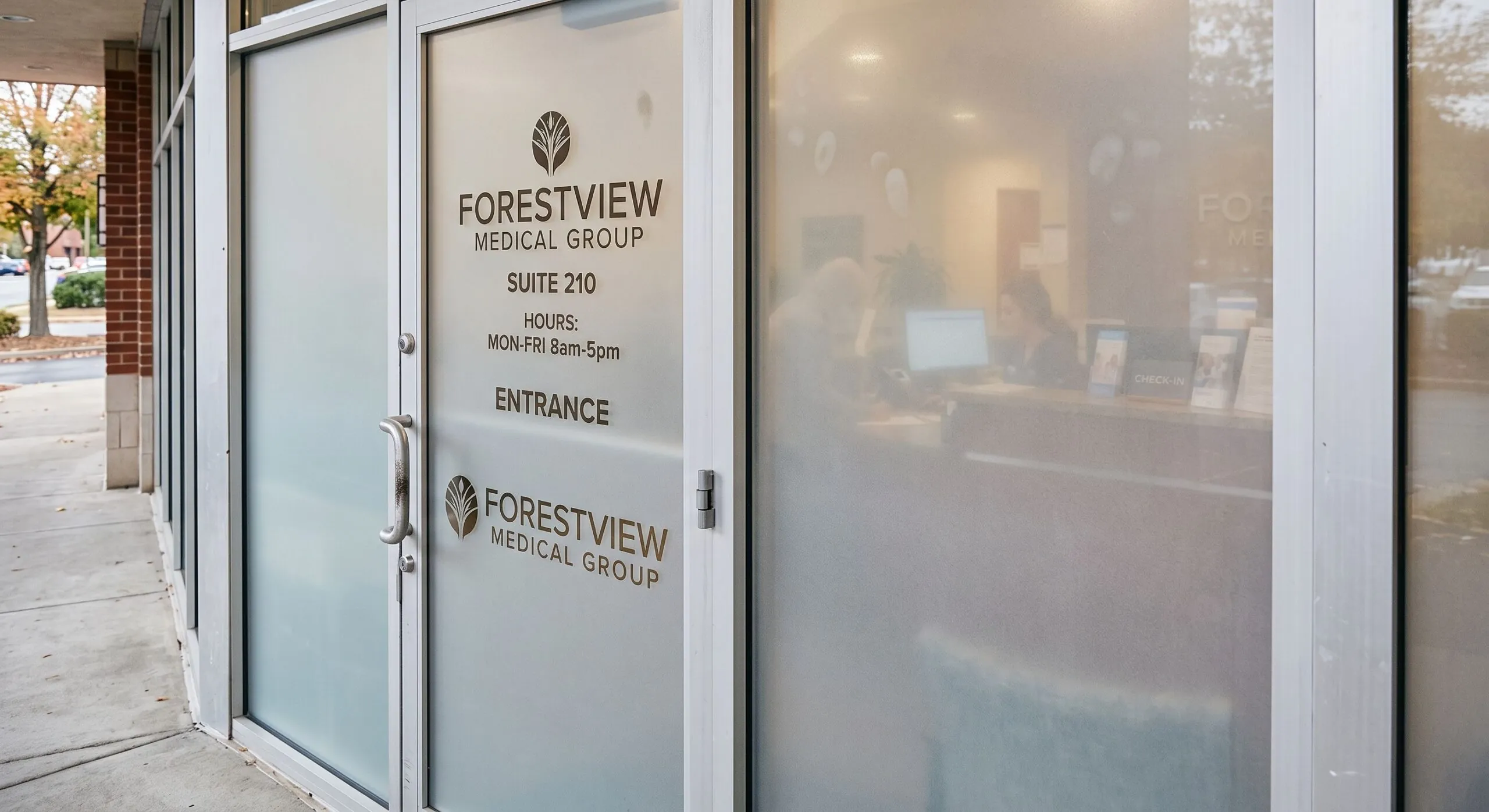
The rest is exterior tenant signs, entrance address signs and tenant listings, lobby directories with floors and suite information, suite and room identification, ADA tactile and Braille signage, privacy film for professional and healthcare offices, and interior wayfinding to offices, elevators, stairs, parking and shared areas.
Healthcare raises the stakes on the same system, and it is a significant part of the local commercial base, the Master Plan identifies healthcare activity as an economic anchor along Central Avenue. Reaching an appointment means finding the building, identifying the entrance, locating the floor or suite, finding the practice and reaching the correct room. Where the directory, the floor sign and the door use three different names for the same practice, the system stops working, so one terminology runs through all of it.
Who We Work With
Businesses We Serve Throughout East Orange
Central Avenue retail and healthcare, Main Street street-level businesses, the neighborhood nodes serving nearby residents, and the mixed-use properties around the stations.
Nearby service areas: East Orange is part of our Essex County sign company coverage. We also serve nearby businesses through our Newark sign company, West Orange sign services and Bloomfield business signs pages.
Retail Stores
Storefront signs, channel letters, dimensional lettering, window graphics and temporary promotions.
Restaurants and Hospitality
Exterior signs, projecting signs, awnings, window graphics, menu graphics and interior identification.
Medical and Healthcare
Building signs, directories, reception signs, privacy graphics, ADA identification and interior wayfinding.
Professional Offices
Exterior identification, suite signs, directories, reception logos, privacy film and upper-floor window graphics.
Mixed-Use Buildings
Ground-floor tenant signs, directories, entrance graphics, suite identification and interior wayfinding.
Property Managers
Tenant changes, directories, replacement signs, window graphics, repair work and sign removal.
Contractors and Service
Vehicle lettering, office signs, building identification, decals, banners and commercial graphics.
Multi-Location Businesses
Recurring signage adapted to each property and municipality rather than duplicating one sign size.
Tenant Changeover
Moving Into an Existing East Orange Storefront?
Worth checking first: if the previous tenant’s sign is an internally illuminated cabinet, refacing it is not a route back to a compliant sign. What is inherited has to be assessed against the permitted formats, not just its condition.
What you may inherit
- Channel-letter mounting and existing electrical wiring
- Flat sign panels
- Awning frames and projecting-sign brackets
- Window graphics and door lettering
- Directory systems and suite signs
- Interior identification
Existing mounting may be usable, an awning frame may be recoverable, a directory may need only one tenant listing changed, and existing electrical components may support a new sign where they remain appropriate and code-compliant. Other components come out because they are damaged, outdated or incompatible with the incoming business.
What the changeover covers
- Previous tenant sign removal and existing-condition survey
- Storefront measurements
- New exterior identification and channel-letter replacement
- Flat-panel replacement and awning recovering
- Projecting-sign replacement
- Window-vinyl removal and new window graphics
- Door lettering, directory updates and suite signs
- Temporary opening graphics, then final installation
For property managers running mixed-use buildings, professional properties, retail strips and office buildings, the multi-tenant coordination rule works in your favor once the specification is set: signs coordinated in scale, placement, colors and materials mean each future tenant change is a component swap.
Repair & Refacing
Sign Repair, Refacing, and Replacement
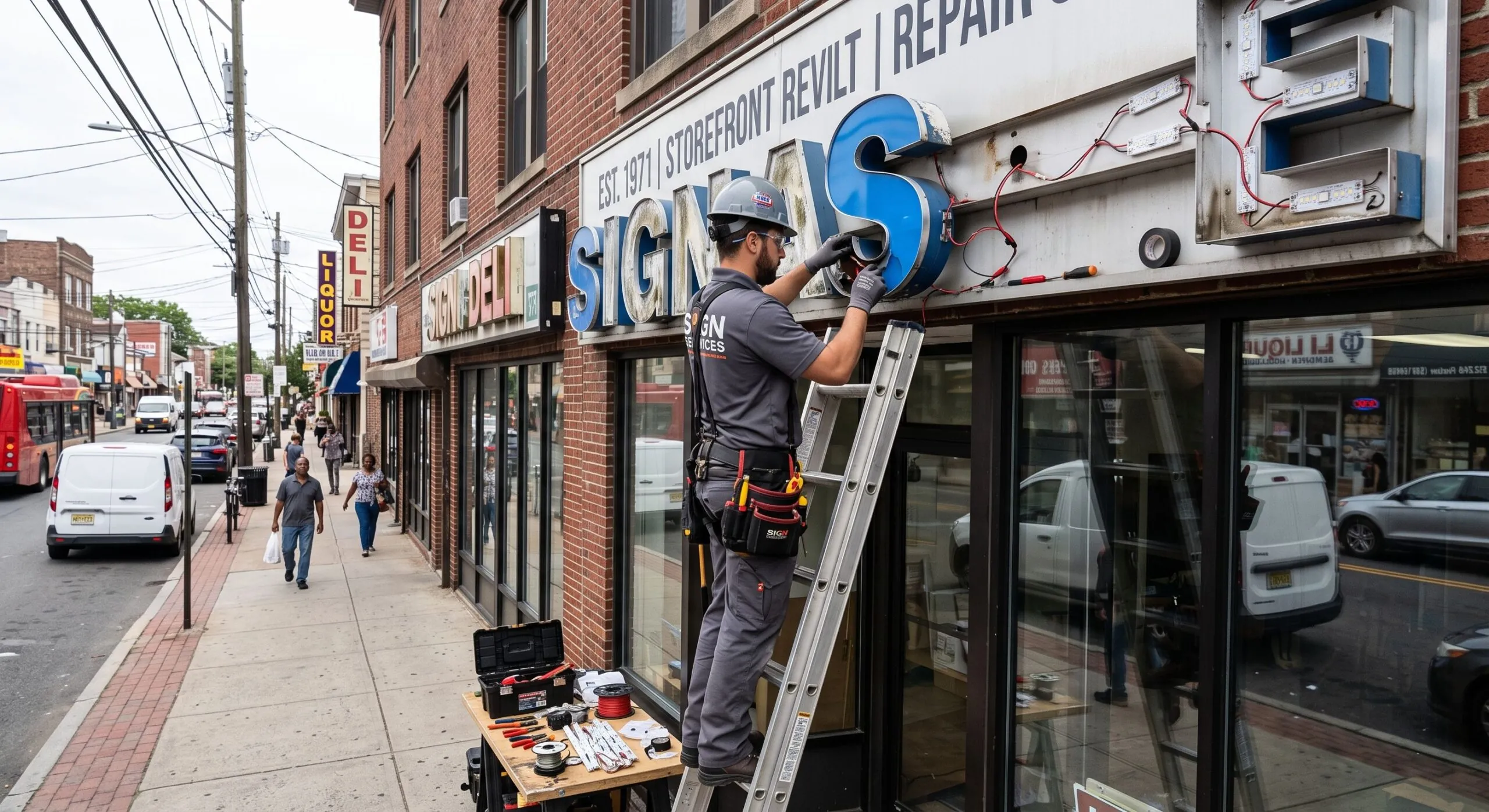
East Orange’s commercial corridors hold a substantial inventory of existing business signage. LEDs fail, letters loosen, sign panels fade, vinyl wears, awning fabric ages, electrical components fail, tenant names change and window graphics go out of date.
Gogi Signs repairs and updates commercial signs even when another company originally fabricated them:
- Channel-letter repair
- LED and electrical service
- Flat-panel replacement
- Dimensional-letter repair
- Awning recovering
- Window-vinyl replacement
- Directory updates
- Tenant-panel replacement
- Sign removal
- Interior sign replacement
- New tenant conversion
- Projecting-sign repair
Where the existing structure remains useful and is a permitted format, repair or refacing usually makes more sense than full replacement. Where it has reached the end of its practical life, we fabricate a new sign in one of the formats the ordinance recognizes.
Serving East Orange
Serving East Orange and Essex County
Gogi Signs serves commercial properties throughout East Orange, including businesses around:
- Central Avenue
- Main Street
- South Orange Avenue
- Brick Church
- East Orange Station
- Grove Street
- Ampere
The City’s planning framework identifies Central Avenue and Main Street as principal commercial districts while also supporting neighborhood commercial nodes and transit-oriented redevelopment around the stations.
For businesses with locations elsewhere in Essex County, Newark, Bloomfield, Montclair, Orange, Irvington, South Orange and the surrounding communities, our New Jersey shop can maintain common artwork and production standards while adapting each package to the individual property and municipality.
2005
Serving New Jersey since
Name & logo
All the wall sign may carry
Insured
Commercial installation crew
In-house
Fabrication & large-format printing
Get Started
Planning a Sign Project in East Orange?
Whether you are opening a Central Avenue storefront, taking over a Main Street business, moving into a Brick Church mixed-use property, updating a medical office, replacing channel letters, adding window graphics, installing a directory or repairing existing signage, start with the exact property address and photographs.
Gogi Signs can handle site measurements, sign drawings, fabrication, large-format printing, installation, repair and future sign changes from our New Jersey shop.
OUR SHOP
7 W Baltimore Ave Suite B, Linden, NJ 07036, United States
Prefer to talk it through?
Request a Quote
The property address and a photograph of the storefront start the job.
- Serving New Jersey since 2005
- In-house fabrication and printing
- Insured installation crew
- Repair and refacing on existing signs
FAQs
Frequently Asked Questions About Signs in East Orange
East Orange generally allows one wall-mounted sign per business, with area calculated at 1.5 square feet per linear foot of building frontage. The sign is limited to 90% of the building-front width and 24 inches in height.
Yes. Qualifying corner properties may have a second wall-mounted sign on a separate façade, with no more than two wall signs in total.
No. The wall-mounted sign is limited primarily to the business name and logo. Contact information, promotional messages and service lists belong on the window, the door or another permitted surface.
Window signs are generally limited to 25% of the applicable glass panel area, and they may carry services, products, phone numbers and hours, which the wall sign may not.
No. The current wall-mounted and projecting sign standards prohibit internally illuminated box or cabinet signs, and instead recognize channel letters, flat panels, individually shaped letters, externally lit signs and halo-lit letters.
Qualifying ground-floor businesses close to the front setback may use projecting signs, mounted perpendicular to the building and subject to the City’s design and placement standards.
Yes. Commercial businesses on the second floor of two-story buildings may use a window sign, with coverage limited to a percentage of the available window area. Pairing it with a building directory and suite sign usually works better than pushing for exterior identification.
Yes, subject to the City’s requirements. Commercial banners are generally limited to one at a time, 32 square feet, and 30 days total per calendar year.
Sometimes. We inspect existing mounting, wiring, awning frames, sign panels and brackets first, and check that the format itself is still permitted before quoting a reface.
Send the exact property address, storefront photographs, your logo or artwork, photographs of existing signage, and any landlord or property sign requirements you already have.