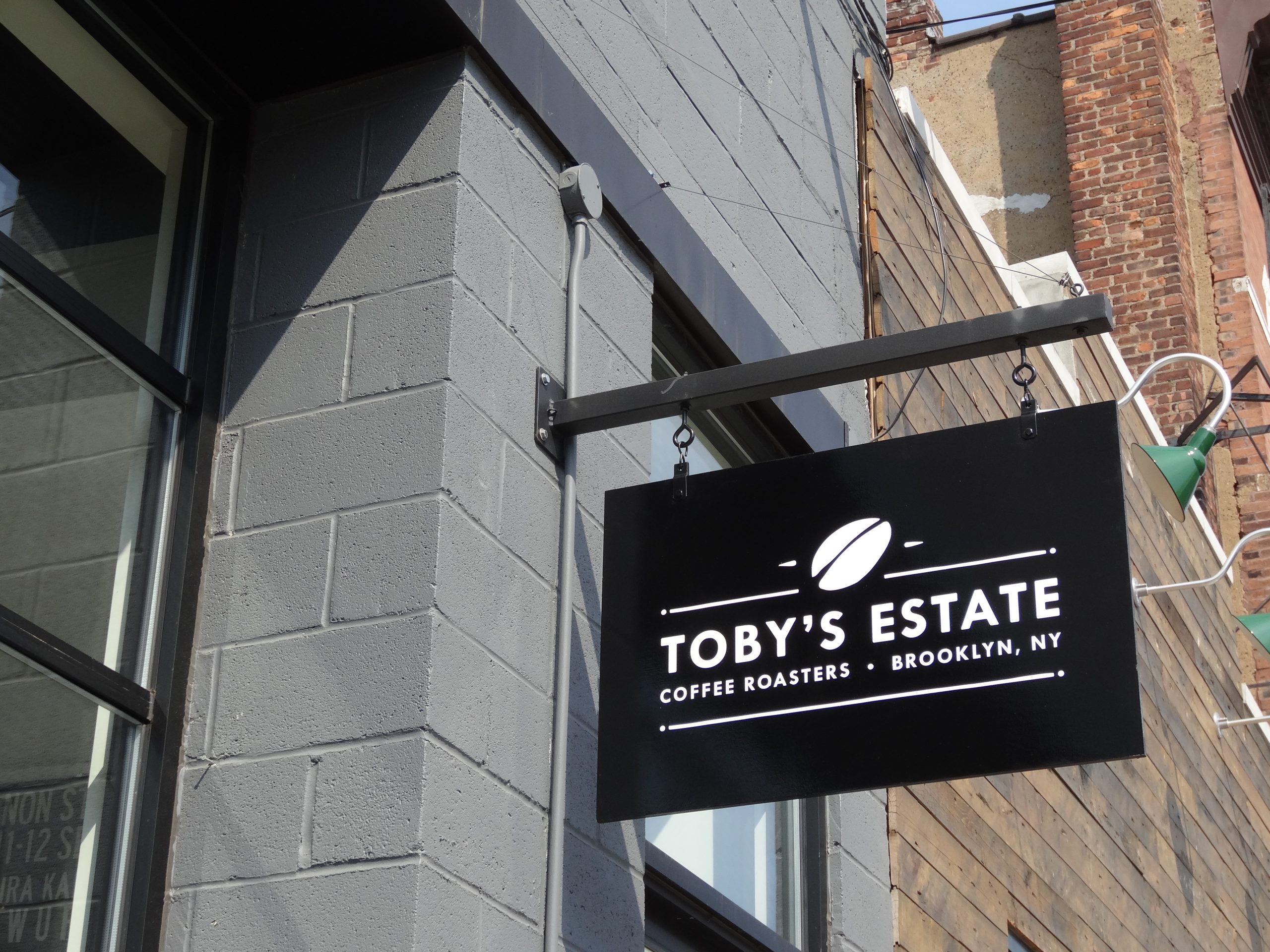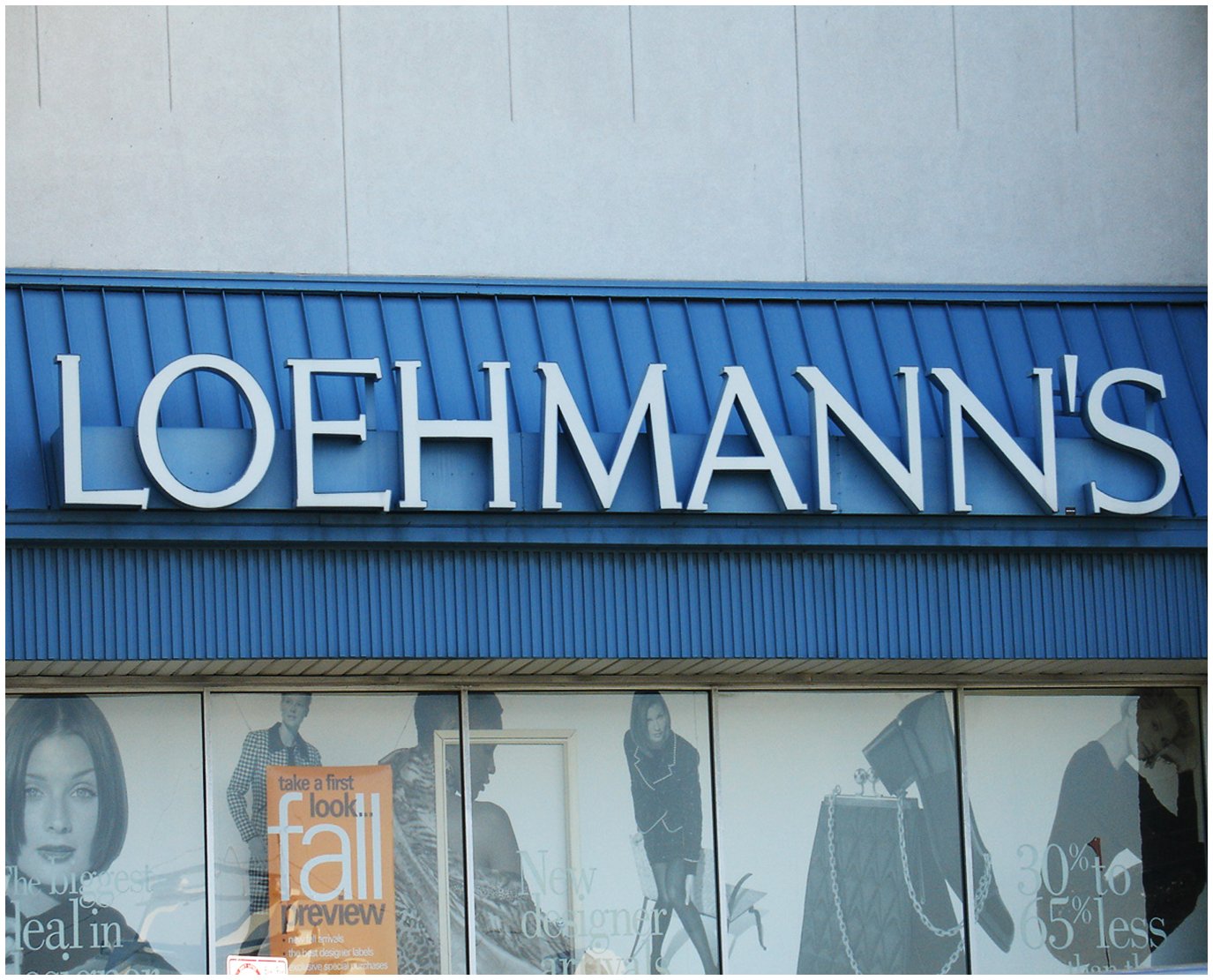
A brand’s storefront identity has to survive a different building, landlord and town rulebook at every site.
The first location’s signs are usually managed by memory. The owner knows which logo file is current, why a color was chosen and who installed what. By the fifth or tenth location that stops working. Different landlords, different towns and different contractors each pull the brand in a slightly different direction, and the result is a network of signs that look related but not the same.
A multi location signage program solves this by deciding, in writing, what must be identical everywhere, what is allowed to change from site to site and who approves the difference.
Decide What Must Never Change
Start with the elements that make the brand recognisable at a glance, and lock them down:
- Logo artwork and the minimum clear space around it
- Brand colors, specified for each sign material, not just for print
- Typeface and letter spacing for any copy beyond the logo
- Illumination character, for example halo lit or face lit
- The hierarchy between the main sign, secondary signs and window graphics
Color needs particular care. A brand color defined for screens has to be matched separately in paint, vinyl, acrylic and illuminated faces, and each behaves differently. Approve physical samples in each material once, record the specification and reuse it at every site. Our guide on how color impacts sign visibility explains why.
Expect Every Town to Say Something Different
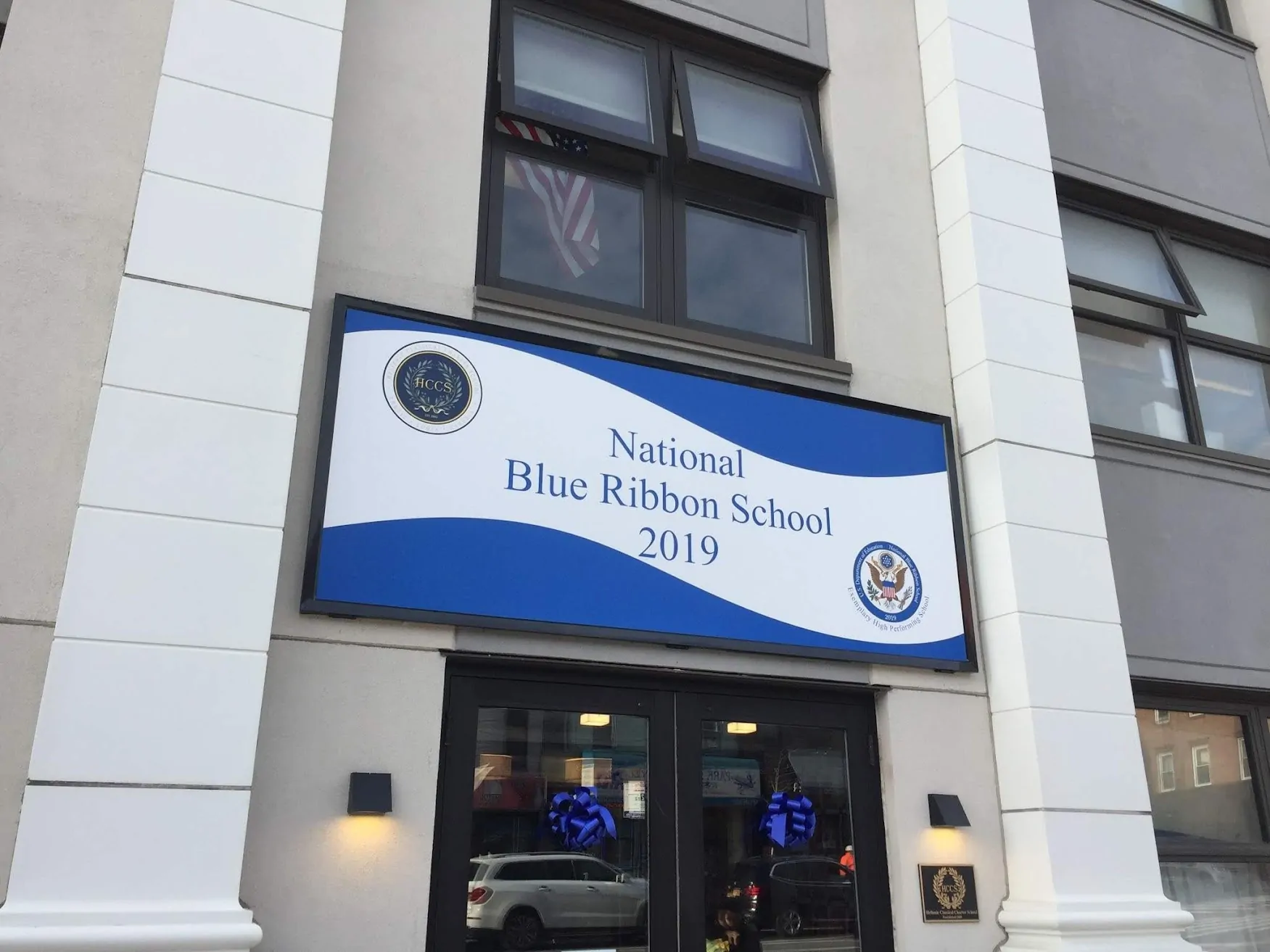
The same brand sign rarely fits every jurisdiction unchanged. Even within New Jersey, nearby towns use different formulas:
| Town | Wall sign allowance |
|---|---|
| Old Bridge | Storefront sign up to 15% of the facade |
| East Brunswick | All wall signs up to 10% of the building side |
| Bridgewater | Building signs up to 5% of the street facade, never over 100 sq ft |
| West New York | 2 sq ft per foot of frontage, up to 40 sq ft for a single occupant |
A brand opening sites in Newark, Clifton, Paramus and Brooklyn meets a different rulebook at each, which is exactly what a set of approved variants is built for. Our Newark sign company, Clifton sign services, Paramus business signs and Brooklyn sign company pages cover those markets.
Other rules affect content rather than size. Bridgewater does not allow telephone numbers on permanent signs. Old Bridge requires a sworn affidavit with an English translation for any sign in another language. In New York City, most signs need a Department of Buildings permit and larger signs must be hung by a licensed sign hanger.
A program that assumes one standard sign size will end up redesigning on site. One that plans a small family of approved size variants, scaled from the same artwork, will not.
Build a Family of Sign Variants
Rather than one master sign, create a short set of approved variants that cover the conditions you actually meet:
- A full width sign band version
- A narrow storefront version
- A stacked logo for tall but narrow bays
- A projecting blade sign for pedestrian streets
- A monument or pylon panel
Each variant uses the same artwork, colors and lighting, so the brand stays consistent while the size changes. Document each one with dimensions, letter heights, construction, mounting and electrical requirements, so a new site becomes a matter of choosing and sizing a variant rather than designing from scratch.
Survey Every Site and Use One Workflow
Survey Before Final Design
Real estate photos and leasing plans are not enough to fabricate from. For each location, record the sign band dimensions and wall construction, the zone, overlays and town sign limits, the landlord’s criteria and any center sign plan, existing signs that count toward the allowance, power location and access, and viewing distances from the approach. A consistent site survey format makes sites easy to compare and keeps the program’s records usable.
Use One Approval Workflow
Every location goes through the same sequence: survey, variant selection, landlord submission, municipal permit, fabrication release, installation and closeout. Define who approves each step on the brand side, and keep one set of drawings moving through it.
Municipal processes differ even when the sign does not. Some towns want a separate application with sealed plans for every sign, some want the drawing signed by the sign supplier, and some want photographs of every existing sign on the property. Build those differences into the site checklist rather than learning them at the counter. Our guide to avoiding permit delays covers the filing side.
- Survey: one format for every site.
- Select a variant: sized to the facade and the town’s limit.
- Landlord submission: against the center’s criteria.
- Municipal permit: with the town’s specific documents.
- Release to fabrication: only the approved set.
- Install and close out: photographs and records into the central inventory.
Standardise What Repeats
Most of a sign program’s cost and quality comes from the parts that repeat. Standardise them:
- Letter returns, faces and trim for channel letter signs
- LED modules and power supplies, so spares fit every site
- Raceway profiles and colors
- Mounting hardware and fixing details
- Interior sign types, including ADA room identification signs
Standard components shorten production, simplify repairs and make it possible to keep a small stock of spares. Illuminated signs should be built to UL 48 and installed under Article 600 of the National Electrical Code at every location, whatever the local inspector checks.
Plan Rollouts and Keep One Record
Plan Rollouts Around Trading
Rebrands and new openings have fixed dates. Plan the sequence backwards from them: permits and landlord approvals first, then fabrication, then installation windows that avoid peak trading. For a rebrand across many sites, group locations by town or landlord so approvals can be prepared together, and keep temporary signage ready in case a permit is late. Our guide on rebranding without replacing every sign shows where refacing saves money.
Keep a Central Sign Inventory
For every location, keep a record of each sign: type, size, approved drawings, permit number, installer, installation date, photographs, electrical details and condition. Without it, every change starts with a site visit. With it, a refresh across ten sites can be priced from the desk.
Maintain the Network, Not Single Signs
Signs at different sites age at different rates depending on sun exposure, weather and installation quality. Set a regular inspection schedule for the whole network, and replace faces and components to the standard specification so repaired signs still match. When a location changes hands through an acquisition, survey its signs against the standard before deciding whether sign repair, refacing or replacement makes more sense.
Do Not Forget Vehicles and Interiors
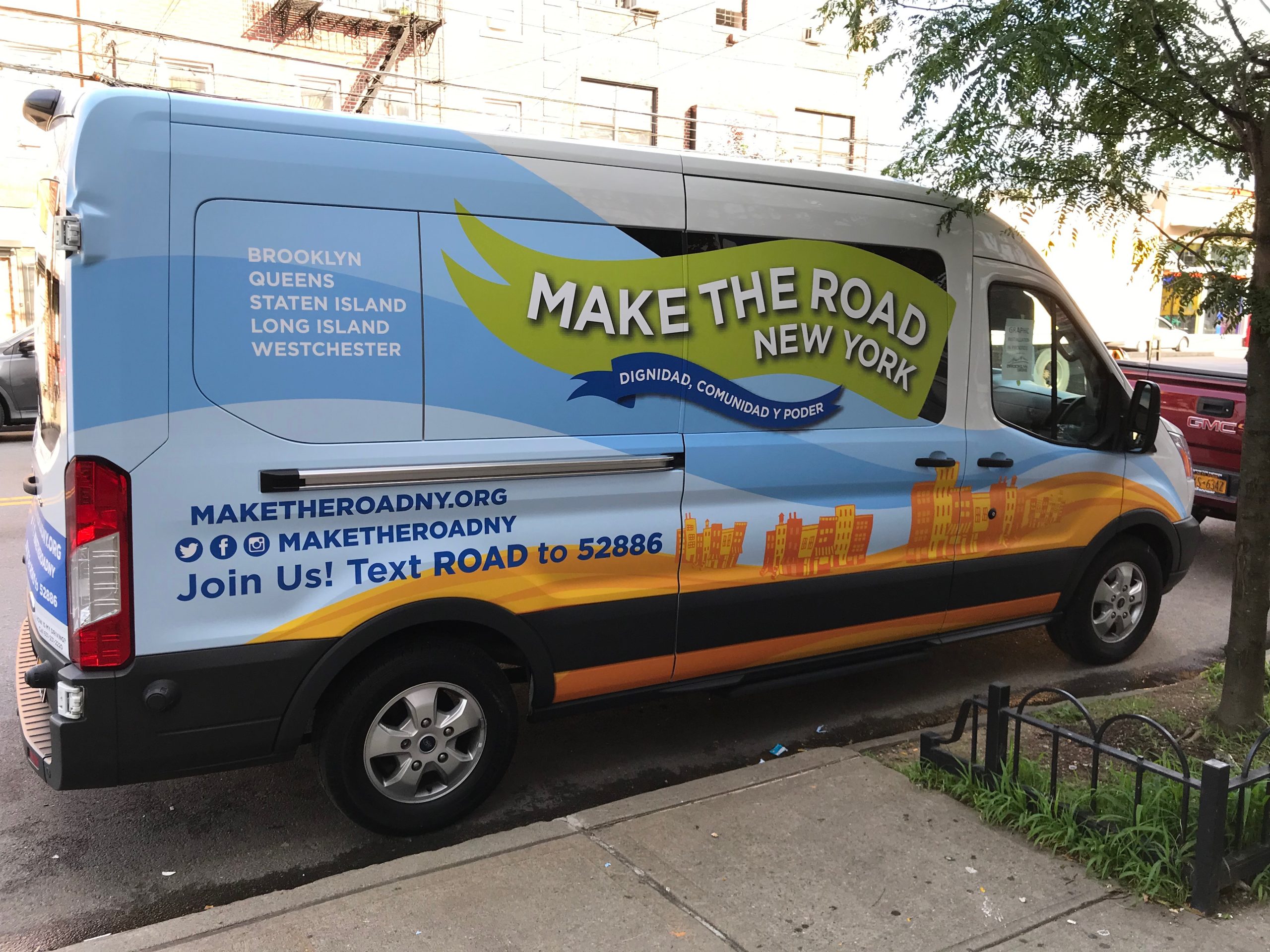
A multi location brand is also seen on delivery vans, service vehicles and inside each site. Apply the same artwork and color specifications to fleet graphics, lobby signs and wayfinding, so customers see one brand wherever they meet it.

Common Questions About Multi Location Signage
Can one sign design be used at every location?
Rarely unchanged. Towns size signs differently, from a percentage of the facade to a fixed square foot cap, and some restrict content such as phone numbers. A small family of approved variants scaled from the same artwork keeps the brand consistent without redesigning on site.
What should be standardised across a sign program?
Logo artwork, color specifications for each material, typeface, illumination style and the repeating components: letter construction, LED modules, power supplies, raceways and mounting hardware. Standard parts make repairs faster and spares interchangeable.
How do you keep brand colors consistent across sites?
Specify each color separately for every sign material, approve physical samples once and reuse that specification at every location. A color defined only for screen or print will drift between paint, vinyl, acrylic and illuminated faces.
How should a rebrand across many locations be scheduled?
Backwards from the launch date: permits and landlord approvals first, then fabrication, then installation windows that avoid peak trading. Grouping sites by town or landlord lets approvals be prepared together.
Why keep a central sign inventory?
Because every later decision depends on it. A record of each sign’s type, size, drawings, permit, installer, electrical details and condition lets a refresh, repair or lease exit be priced from the desk instead of starting with a site visit.
One Brand, Sized for Every Site
Gogi Signs builds sign programs around a set of approved variants, standard components and one survey format, then helps with permits town by town across New Jersey and New York City. A central record of every sign comes with the program.
Request a free quote with your location list, or browse the project gallery for brand programs we have installed.