Asbury Park, New Jersey
Asbury Park Sign Company for Boardwalk Businesses, Restaurants and Shops
Gogi Signs designs, fabricates, prints, installs, repairs and replaces commercial signs throughout Asbury Park: Cookman Avenue storefronts and projecting signs, Main Street wall signs built to the redevelopment plan, awnings and window graphics, and the event material the restaurant and venue market runs on.
20+ Years Experience
Serving New Jersey Since 2005
In-House Production
Fabrication & Large-Format Printing
Commercial Installation
Insured Installation Crew
Asbury Park & Monmouth County
Downtown to the Waterfront
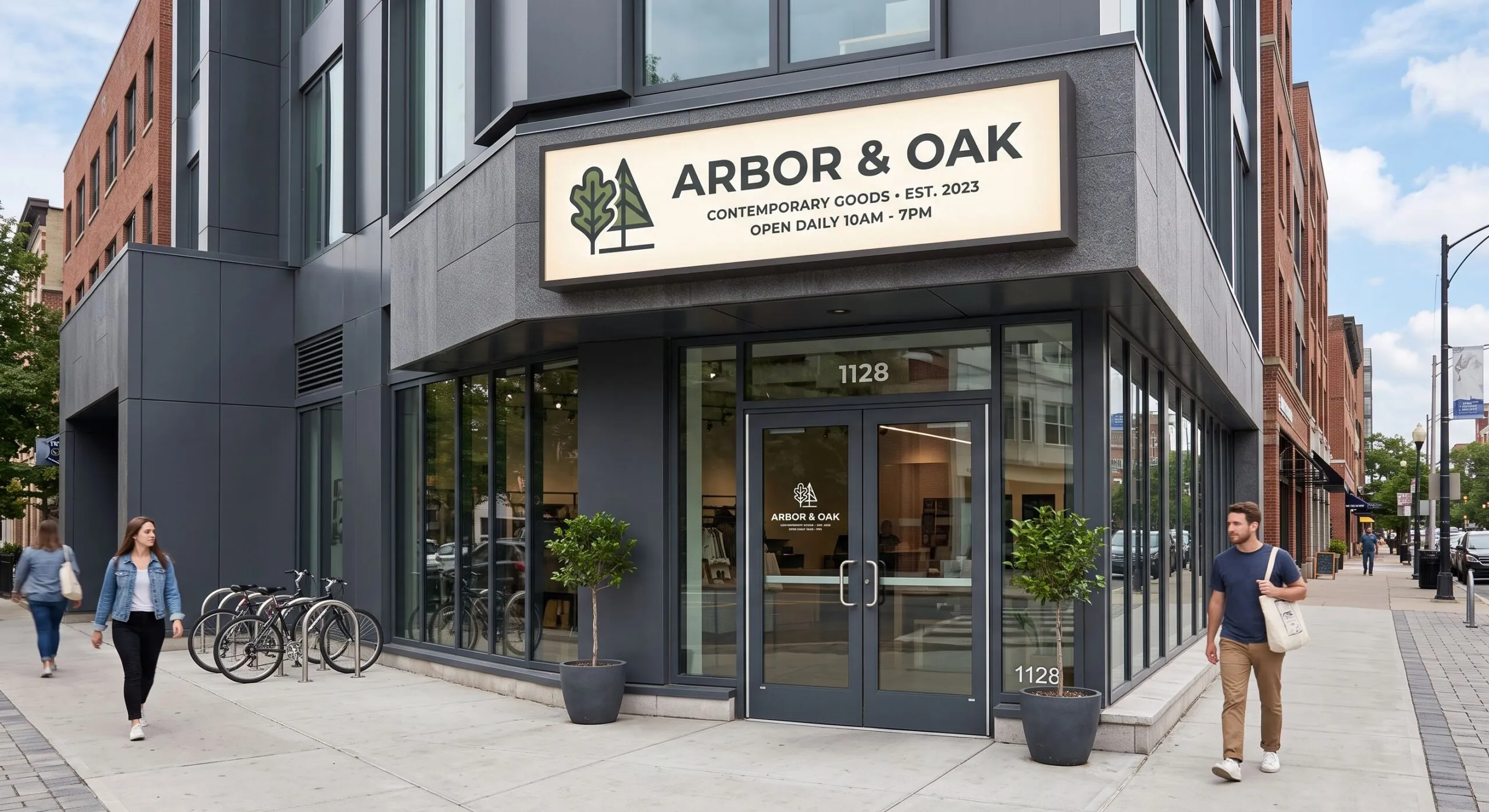
Sign Company in Asbury Park
Several Commercial Identities Packed Into One Small City
Cookman Avenue and the downtown core are pedestrian-oriented. Main Street carries another mix of retail and service businesses. Springwood Avenue continues to redevelop. Along the waterfront, restaurants, hospitality, entertainment, residential development and visitor traffic create another sign environment entirely.
Downtown is built around close-range visibility: customers walk along storefronts, cross from restaurants to shops, move between Cookman Avenue and Lake Avenue, and often approach a business from the side rather than head-on from a parking lot. The Central Business District plan treats Cookman Avenue as the city’s primary pedestrian retail corridor, with ground-floor shops and restaurants forming a continuous storefront environment.
Gogi Signs handles storefront signs, channel letters, dimensional lettering, custom awnings, blade and projecting signs, window graphics, interior signs, directories, ADA signage, temporary event graphics, tenant changes, vehicle graphics and commercial sign repair, from survey through installation.
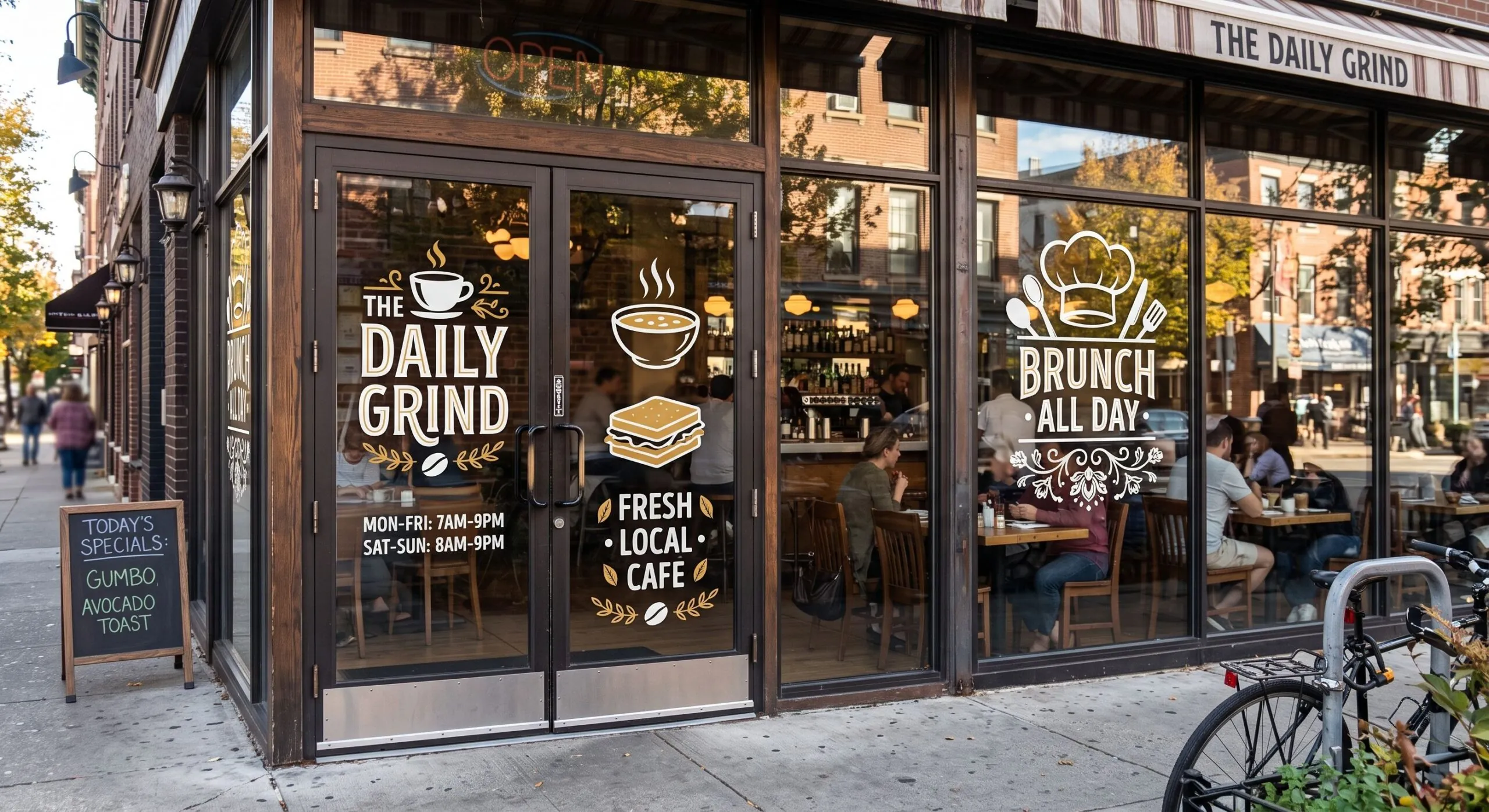
Eight Sign Districts
Asbury Park Is Not One Sign District
The city currently maintains eight separate redevelopment areas, and a redevelopment plan can carry its own sign standards. The same business concept can face different requirements depending on which side of a boundary the address sits.
CBD
Cookman Avenue and Downtown
The primary pedestrian retail corridor, with continuous ground-floor shops and restaurants and upper-floor residential and commercial uses permitted above them.
Main Street
Main Street Redevelopment Area
Its own plan with specific wall-sign, projecting-sign, neon, window and door-sign standards: the most precisely dimensioned of the areas.
Springwood Avenue
Springwood Avenue
Building signs, channel letters, warehouse and dock signs, parking signs, directories, wayfinding and vehicle graphics.
Waterfront
Waterfront Redevelopment Area
Storefront signs, awnings, building identification, tenant signs, interior signage and vehicle graphics.
Zoning approval is required for signage on commercial businesses. As of August 2026 the City’s Zoning Department lists a $40 sign-permit fee for both new and replacement signage, and accepts applications through its online portal as well as in person or by mail, though the permit alone does not tell us what may be installed, because the redevelopment plan does.
So a sign that fits naturally on Cookman Avenue should not be copied onto a Main Street building without checking the location first. We start with the exact address, the redevelopment area, storefront frontage, sign type, proposed dimensions, mounting position, illumination, existing signage, awning conditions, window graphics and property-owner requirements. The application is filed by you or your landlord. We assist with permits; we do not file them on your behalf.
Main Street Rules
Main Street Has Its Own Sign Dimensions
The Main Street Redevelopment Plan is specific enough to design against from the start, and it controls placement as tightly as it controls size.
- Wall-sign area. Two square feet per linear foot of street frontage.
- Maximum area. 40 square feet.
- Letter height. Limited to 18 inches.
- Projection. Wall signs may extend no more than six inches from the building face.
- Vertical placement. The top of a wall sign must stay below the second-story window sill or projected bay, or below fourteen feet above the street line, whichever is lower.
- Architecture. Signs should not cover windows, doors or architectural details.
- Neon. One neon sign of letters or shapes behind storefront glass is permitted per ground-floor business address, with additional provisions for corner properties and second-floor businesses.
- Window and door signs. Permanent and temporary window lettering and door signs applied to door glass are recognized separately.
The vertical rule is the one that catches storefronts out, because it is set by the building rather than by the sign: on a low-fronted building the second-story sill can bring the ceiling well under fourteen feet, and the usable sign band shrinks accordingly. So a Main Street storefront gets measured, frontage, sign band, second-floor architecture and letter height together, before the proportions are settled.
The upside is that the plan gives a business four separate surfaces rather than one. A wall sign carries primary identification, a projecting sign handles sidewalk visibility, a window sign takes secondary identification or promotion, and door graphics carry hours and entry information. Each can stay simpler because another surface is carrying the rest.
Projecting Signs
Projecting Signs Matter in a Walkable Business District
When customers approach along the sidewalk rather than from across a parking lot, a flat wall sign is easy to walk straight past. The Main Street Redevelopment Plan allows projecting signs subject to dimensional and placement rules:
- Projection. No more than four feet from the wall.
- Clearance. The lowest portion at least seven feet above the sidewalk.
- Height. Limited according to whether the building is single-story or multi-story.
These earn their place on restaurants, boutiques, salons, galleries, specialty stores, cafés, professional services and any business working with a narrow façade, which describes a good deal of downtown Asbury Park.
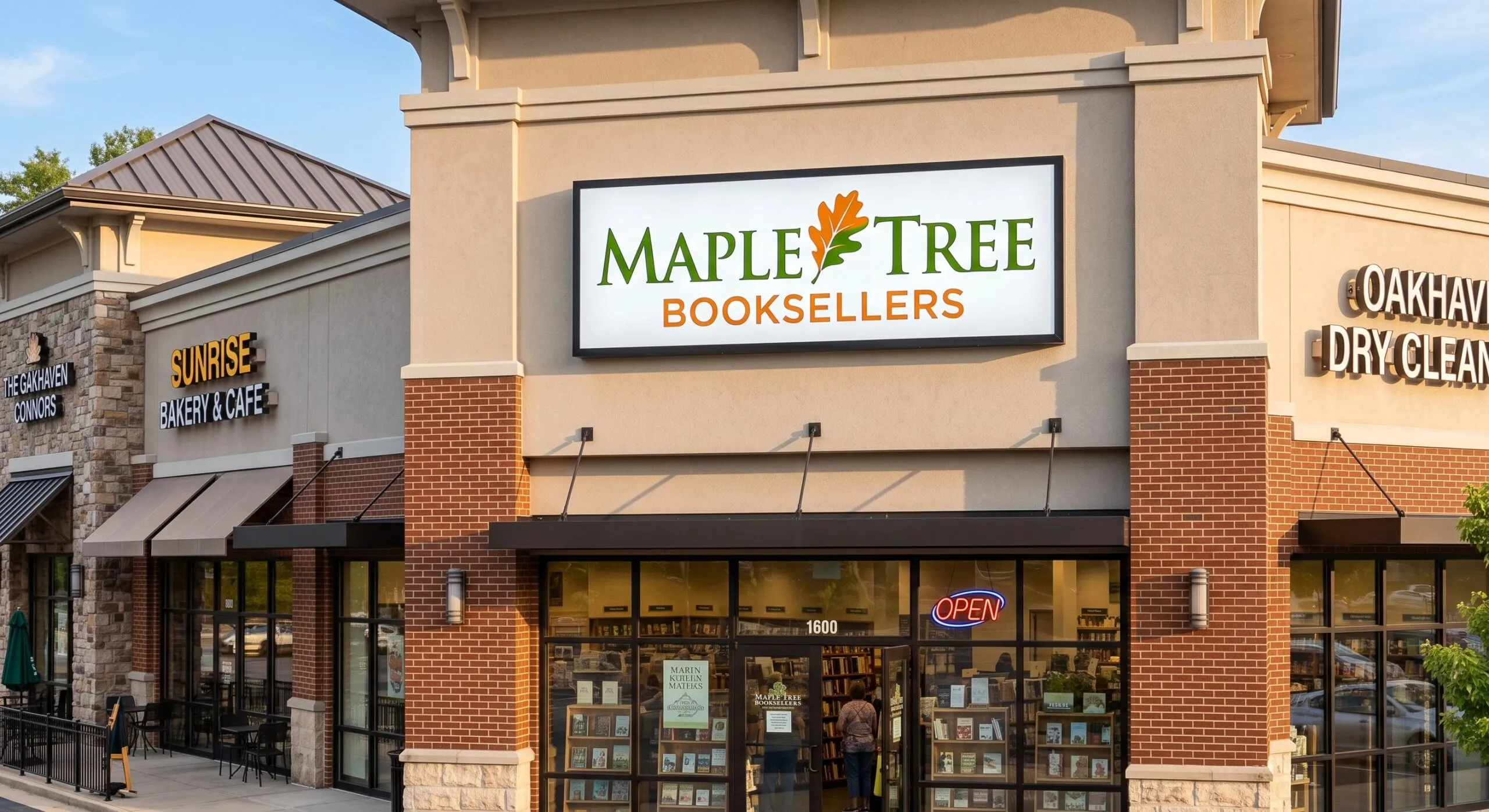
Awnings
Awnings Fit the Pedestrian Retail Environment
An awning identifies an individual storefront bay, makes the entrance easier to spot and adds a second place for identification without covering the façade, which is a lot of value on a continuous row of ground-floor shops.
The Springwood Avenue redevelopment standards show how the city treats them: retractable awnings must maintain the stated sidewalk clearances and projection limits, and internally illuminated awnings are prohibited. The exact rules still depend on the redevelopment area and the property, which is the recurring theme here, but an opaque awning lit from elsewhere on the storefront is the safer starting assumption.
We manufacture custom fabric awnings for restaurants, cafés, retail shops, salons, offices, hospitality businesses and commercial entrances. The work covers site measurements, new frames, fabric covers, business names, logos, valance lettering, replacement covers, recovering suitable existing frames, and installation.
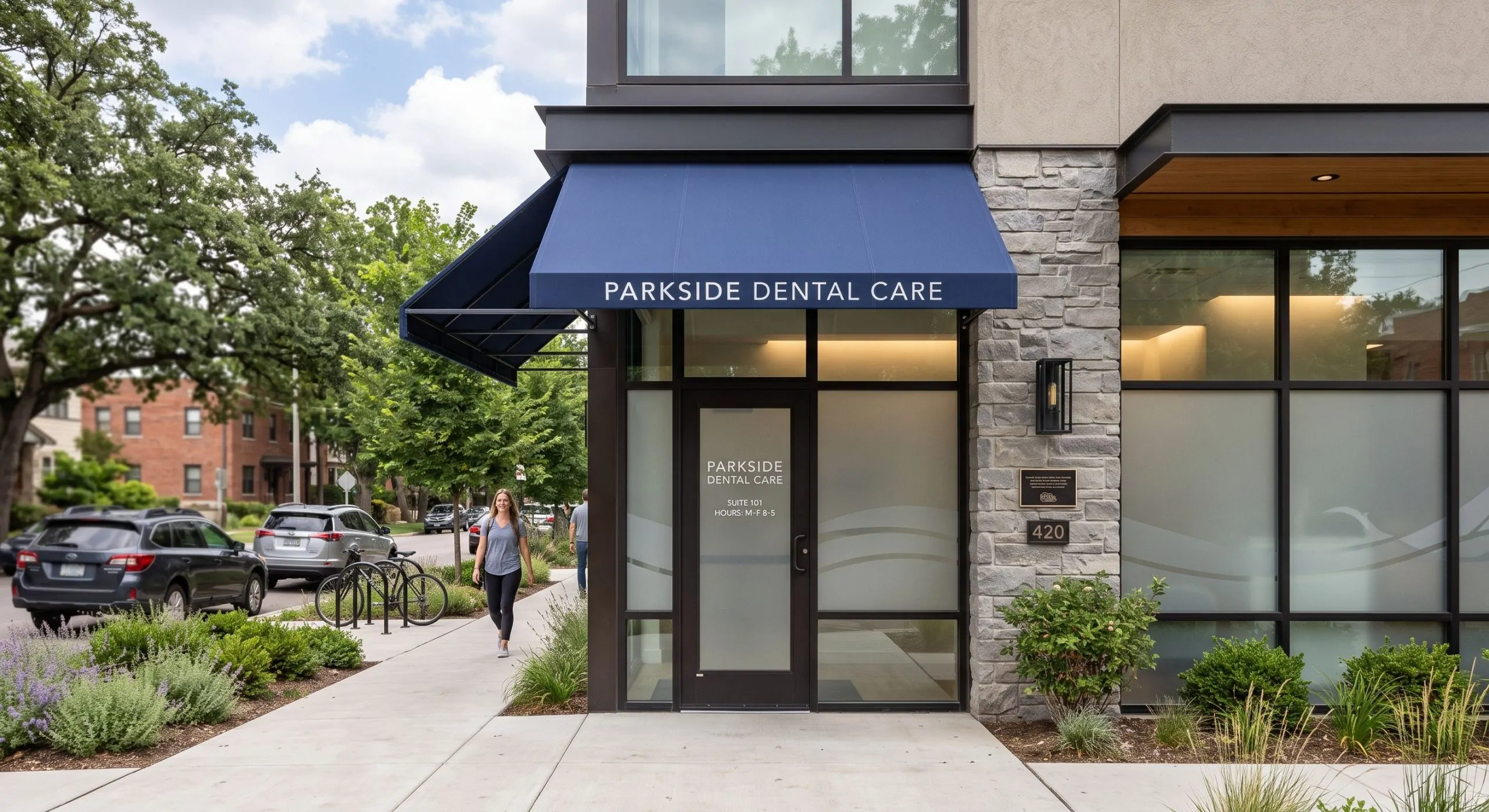
Our Products
Signs We Make for Asbury Park Businesses
Our New Jersey shop produces fabricated, printed, exterior, interior, temporary and replacement signage for businesses throughout Asbury Park.
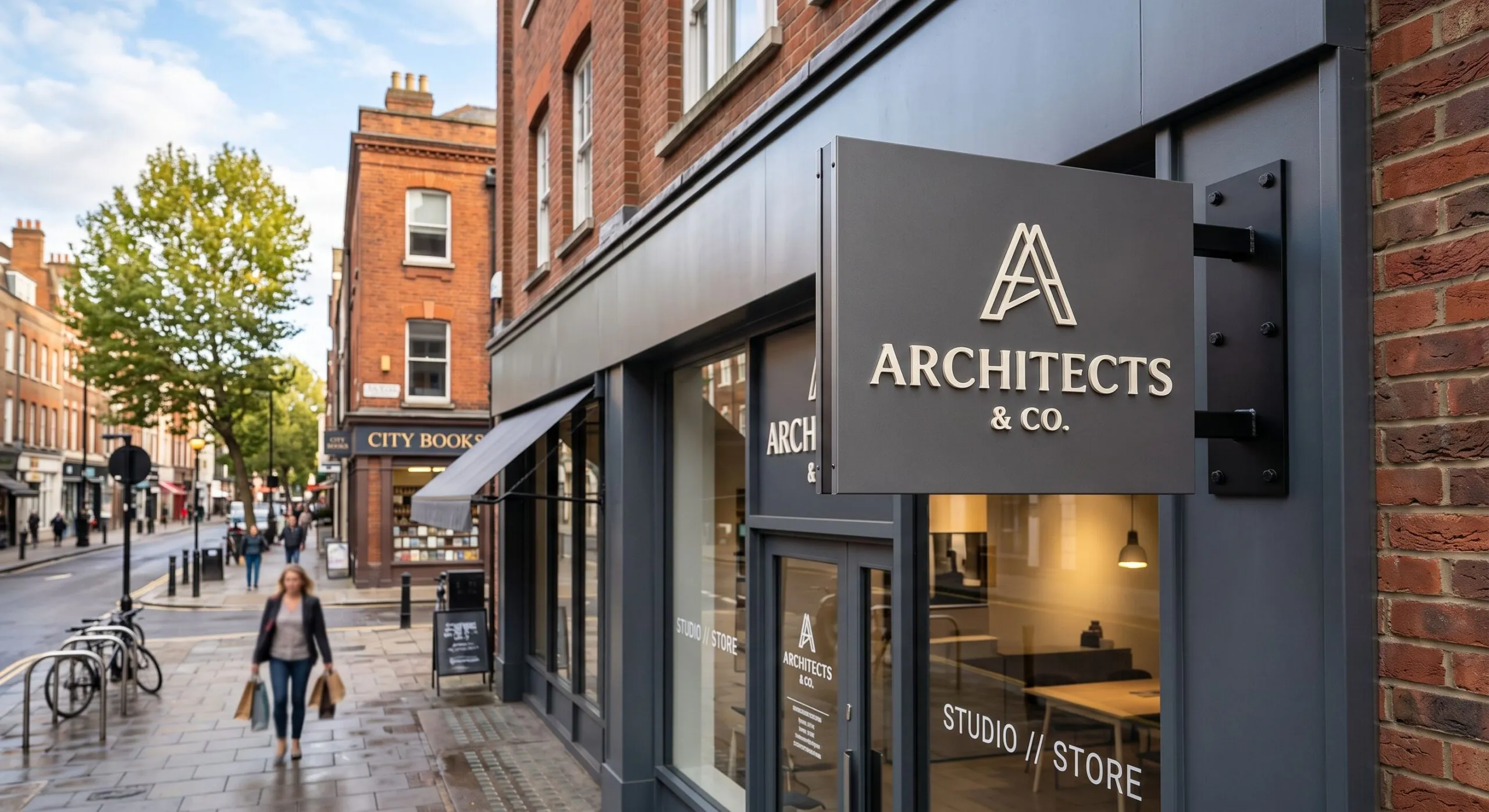
Blade and Projecting Signs
Perpendicular signs for eligible storefronts where sidewalk visibility matters, built to the projection and clearance limits.

Custom Awnings
Fabric awnings with custom colors, business names, logos and graphics, plus recovering for sound existing frames.
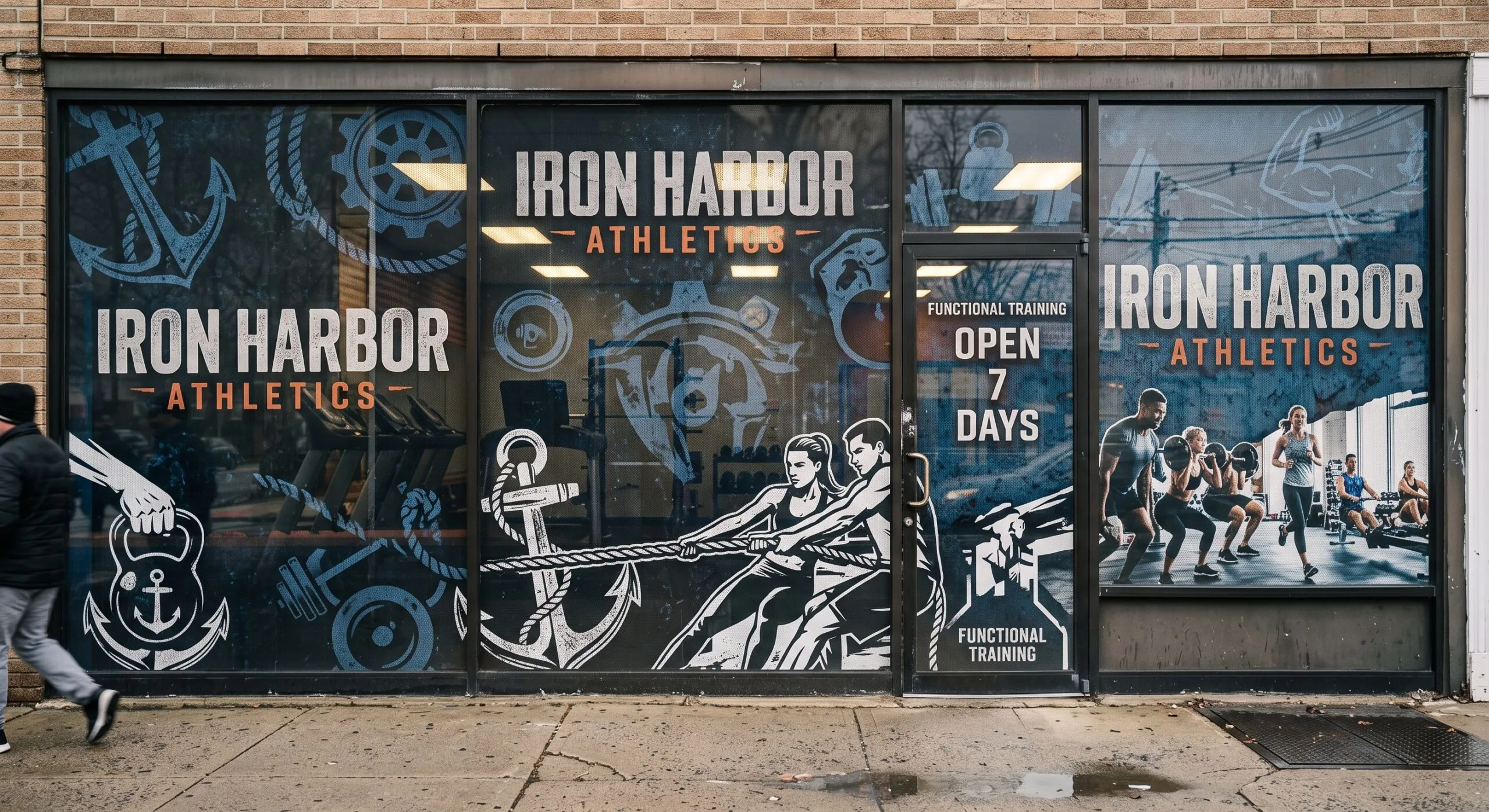
Window Graphics and Lettering
Printed graphics, vinyl lettering, operating hours, logos, decorative film, privacy film and temporary campaigns.
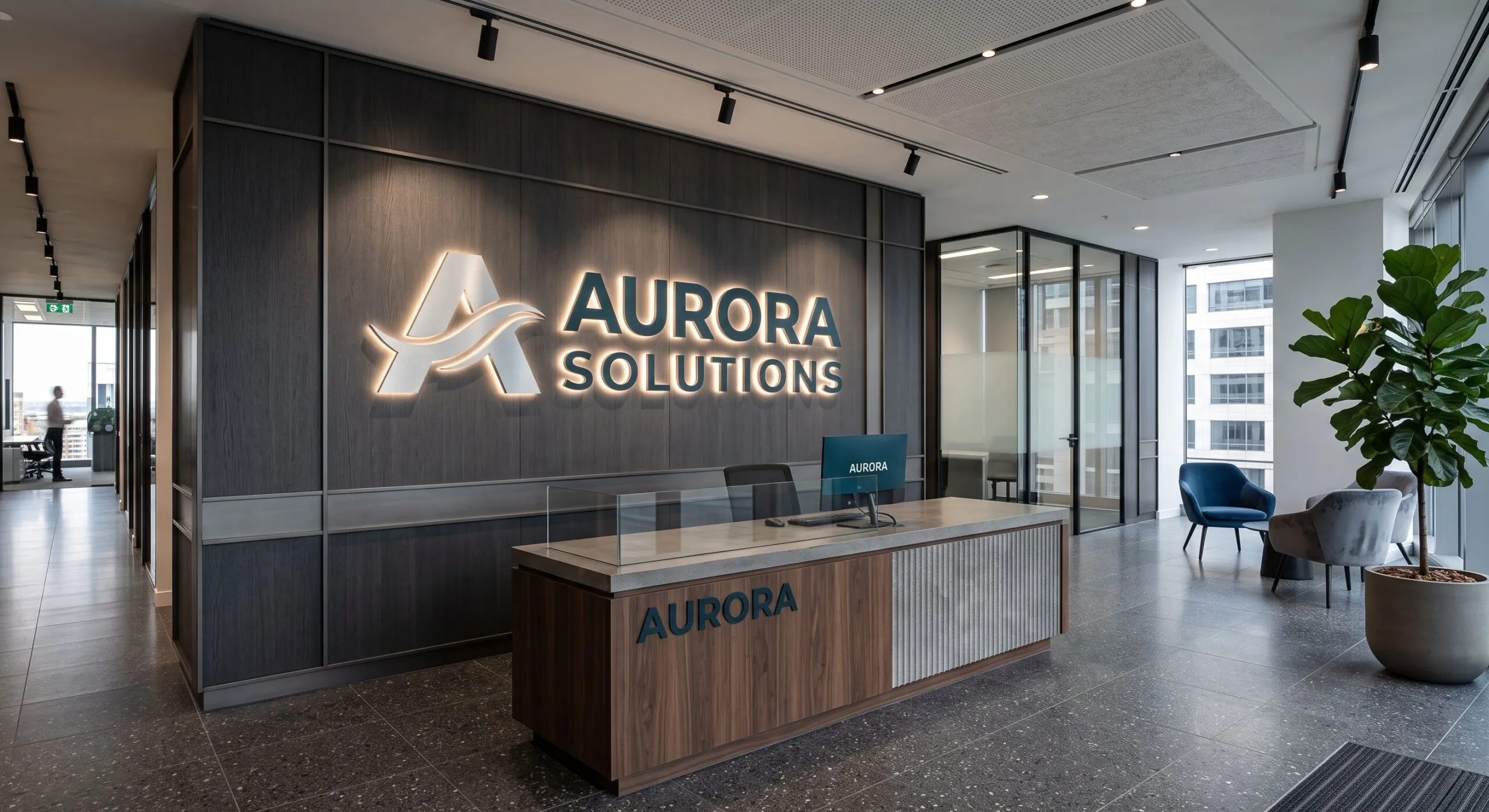
Lobby and Reception Signs
Dimensional logos, acrylic signs, metal lettering, plaques and branded wall identification.

Directories
Building, floor, tenant, office and department directories for shared and mixed-use commercial properties.
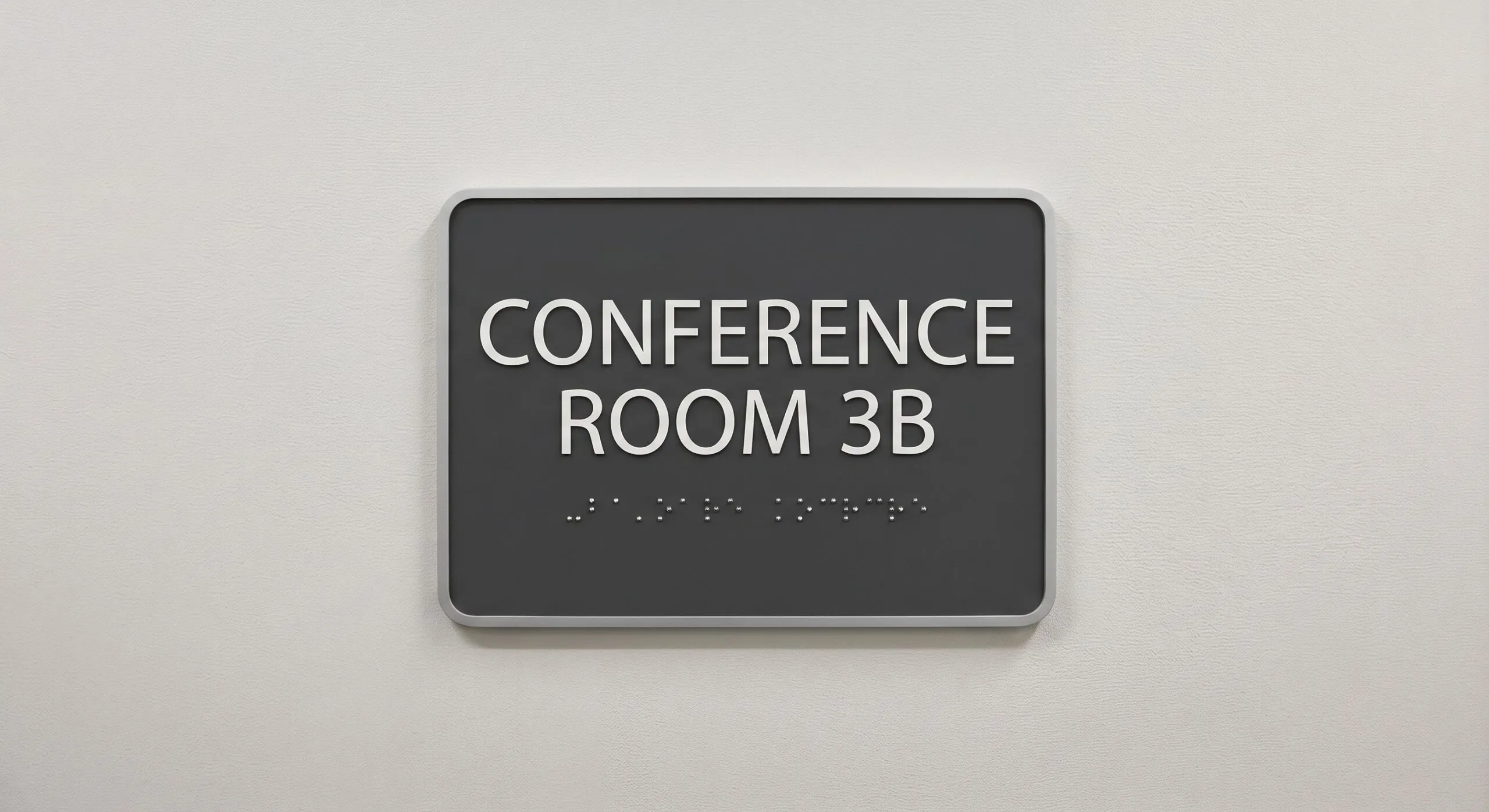
ADA Signs
Tactile room identification, Braille signs, accessible restroom signs and directional identification.

Office and Suite Signs
Room numbers, office plaques, nameplates, department signs and replaceable tenant identification.
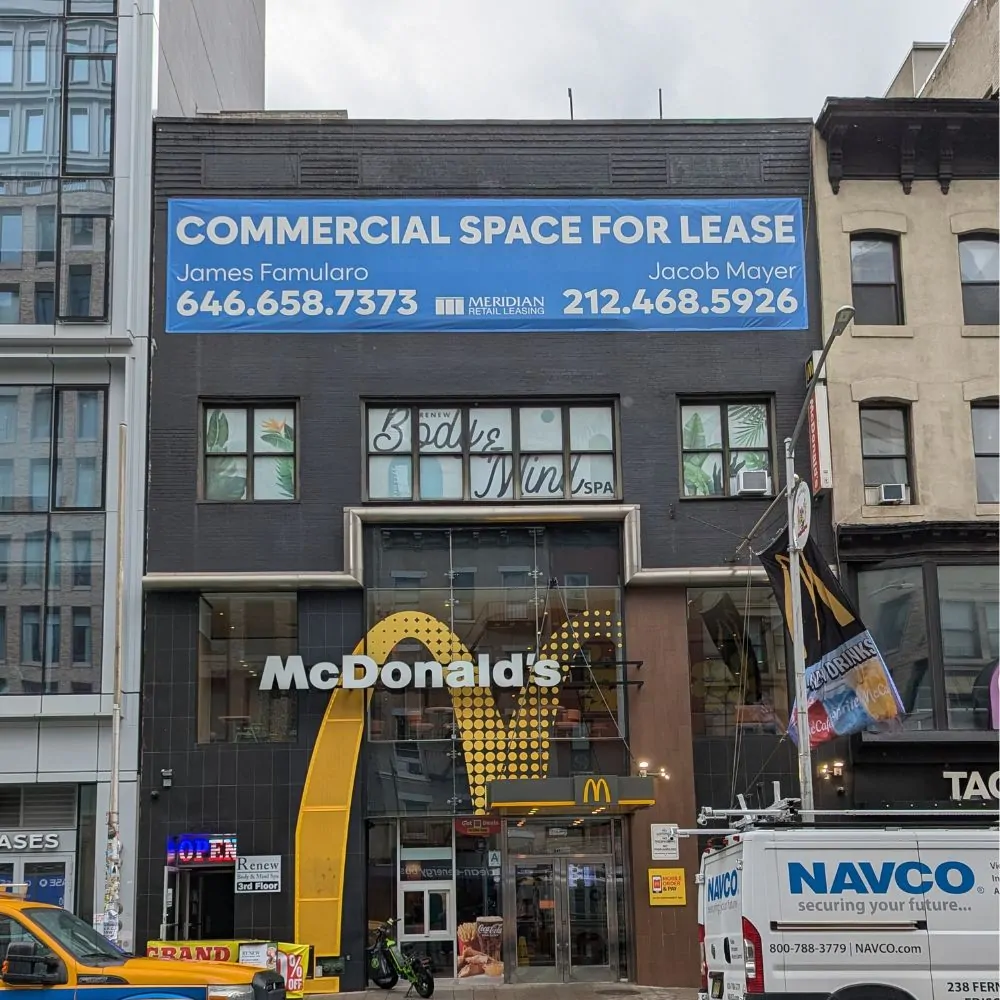
Banners and Temporary Graphics
Events, concerts, grand openings, seasonal promotions, construction periods and temporary business identification.
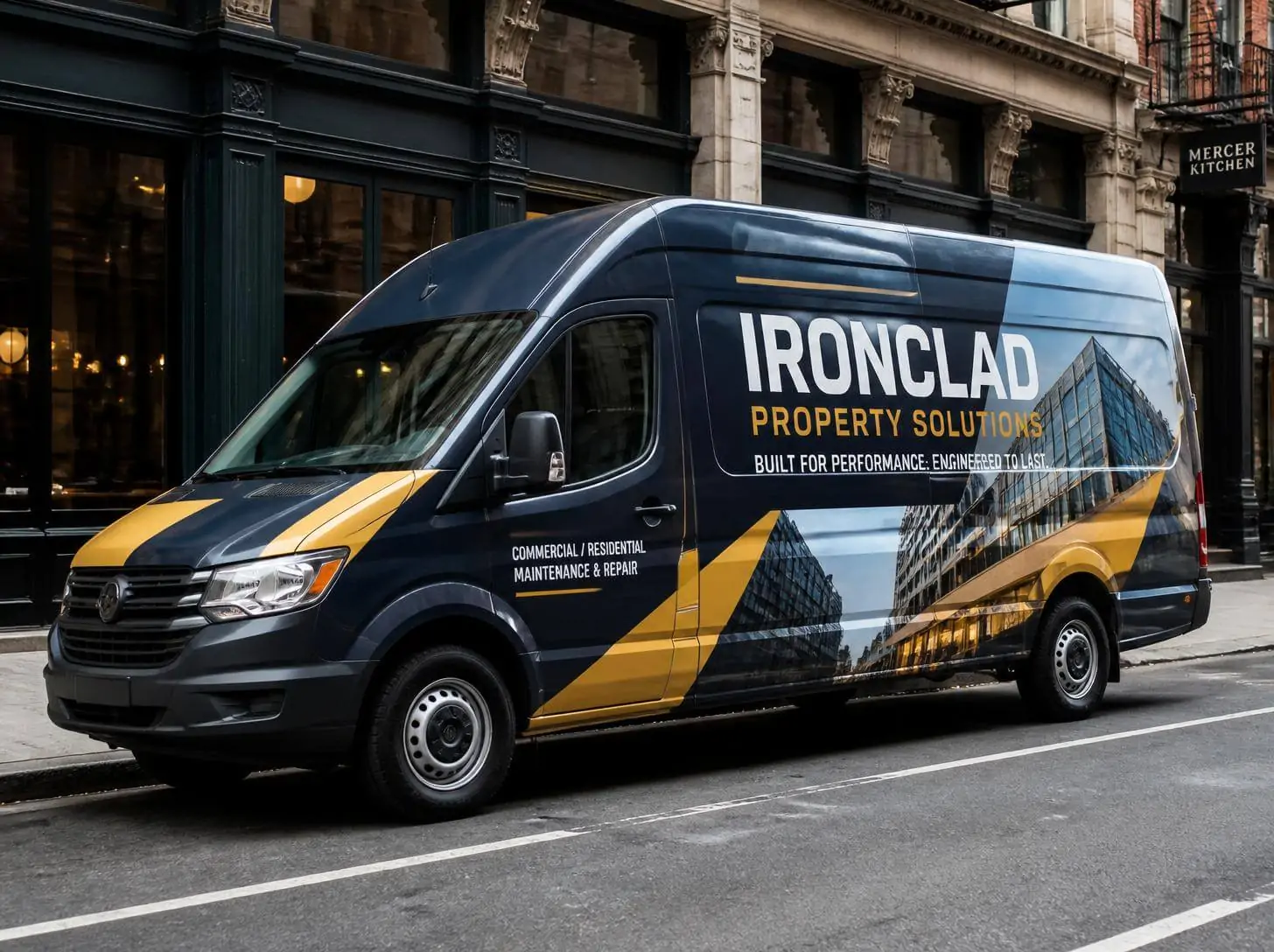
Vehicle Graphics and Lettering
Commercial lettering, logos, decals, contact information and graphics for business vehicles.
How It Works
From Site Survey Through Installation
Gogi Signs has served New Jersey businesses since 2005, and handles the project from site measurements through fabrication, installation and future service.
01
Site Survey
We measure the storefront, building, office, lobby or interior area and document the existing signs, awnings, windows, brackets and mounting conditions.
02
Design and Planning
Artwork is fitted to the actual building, available sign area, materials, customer approach and the applicable redevelopment requirements.
03
Fabrication and Printing
Approved work moves through fabrication, cutting, large-format printing, vinyl production, finishing and electrical work where applicable.
04
Installation
Our insured installation crew coordinates access, removes old signs where that is included, and installs the completed signage and graphics.
05
Future Service
When an awning needs recovering, a tenant changes, window graphics need replacement or a sign requires repair, we can return to the property.
Waterfront & Visitors
Waterfront Properties Need Signs That Work for Strangers
The waterfront operates differently from the downtown retail core. Customers there are frequently unfamiliar with the property, and hotels, entertainment venues, restaurants, event businesses and mixed-use buildings need signs that carry someone through several stages of a visit rather than just naming the business.
A waterfront package covers exterior identification with business names, building signs and entrance identification; lobby signs including reception identification, directories and branded interior signs; event graphics in temporary signs, printed boards, banners, directional graphics and sponsor identification; ADA tactile room identification, restroom signage and accessibility signs; interior wayfinding to entrances, elevators, event rooms, restaurants, restrooms and shared spaces; and window graphics for campaigns, operating information, privacy and seasonal material.
On a visitor-oriented property the wayfinding is frequently doing more work than the main sign. Someone who already found the building still has to find the event room.
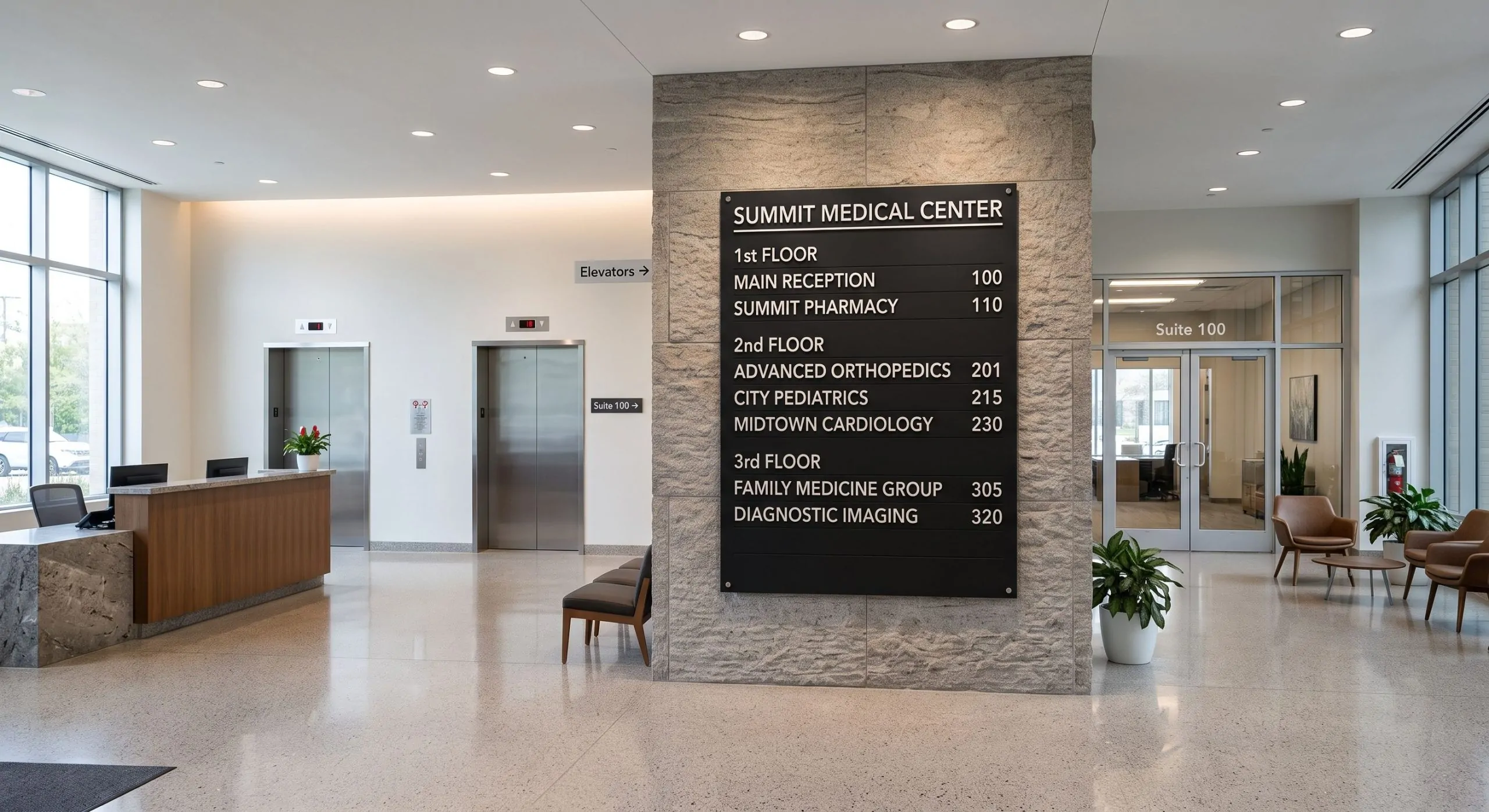
Event Graphics
Changing Graphics Are a Bigger Part of This Market
Asbury Park businesses run events, seasonal campaigns, live entertainment, exhibitions, festivals and short-term promotions: at a frequency most commercial districts do not. That work needs graphics that can change without touching the permanent sign system.
We produce event banners, window campaigns, temporary entrance signs, printed boards, wall graphics, sponsor graphics, directional signs, vinyl lettering, interior displays and short-term promotional signs.
The point of specifying them alongside the permanent signage rather than separately is that a venue or restaurant can then change event material as often as it needs while the permanent identity stays exactly where it is. The window carries what changes; the façade carries what does not. Sized and positioned up front, a new show slots into surfaces that already exist rather than prompting another round of design.
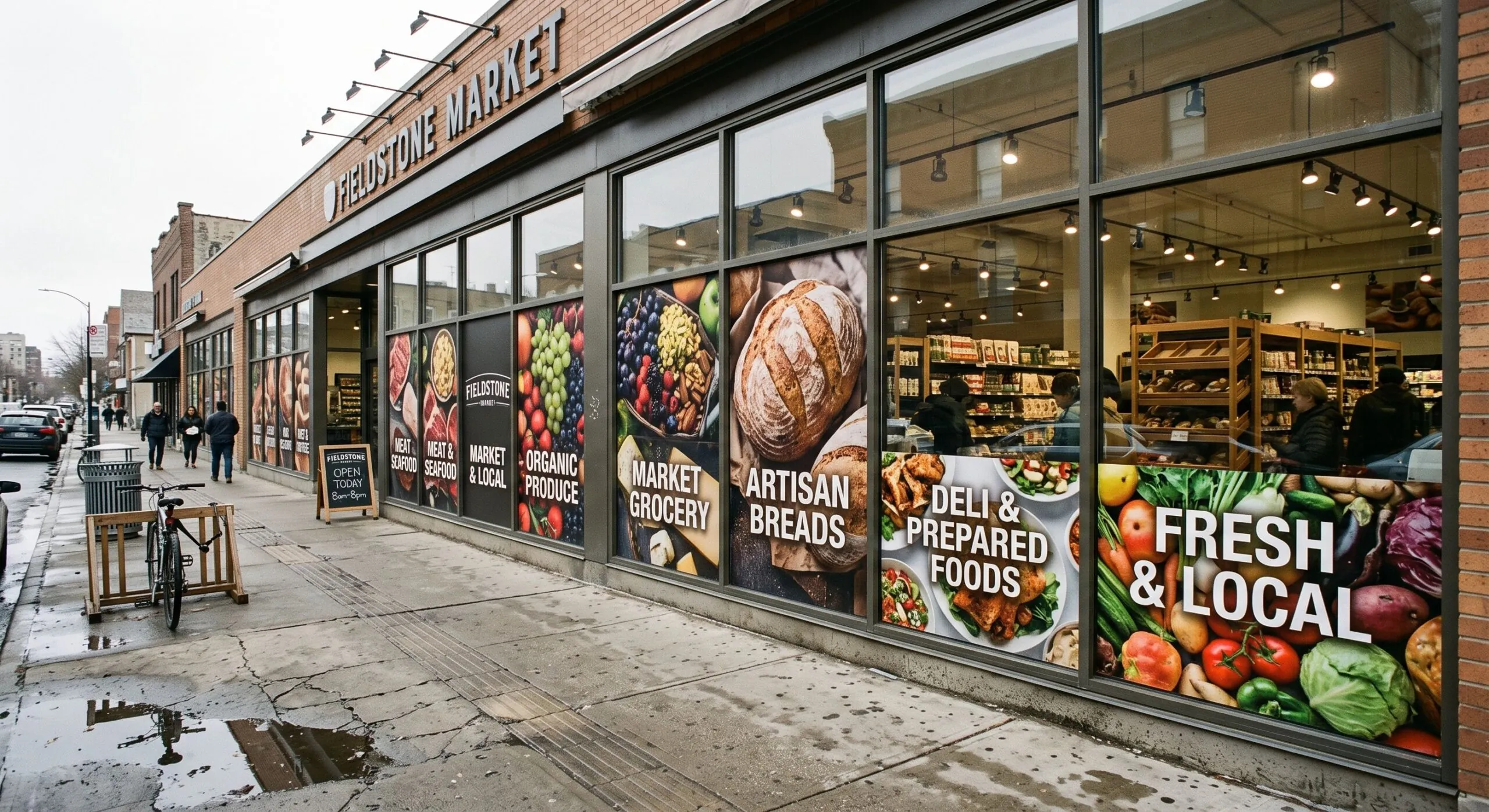
Mixed-Use Buildings
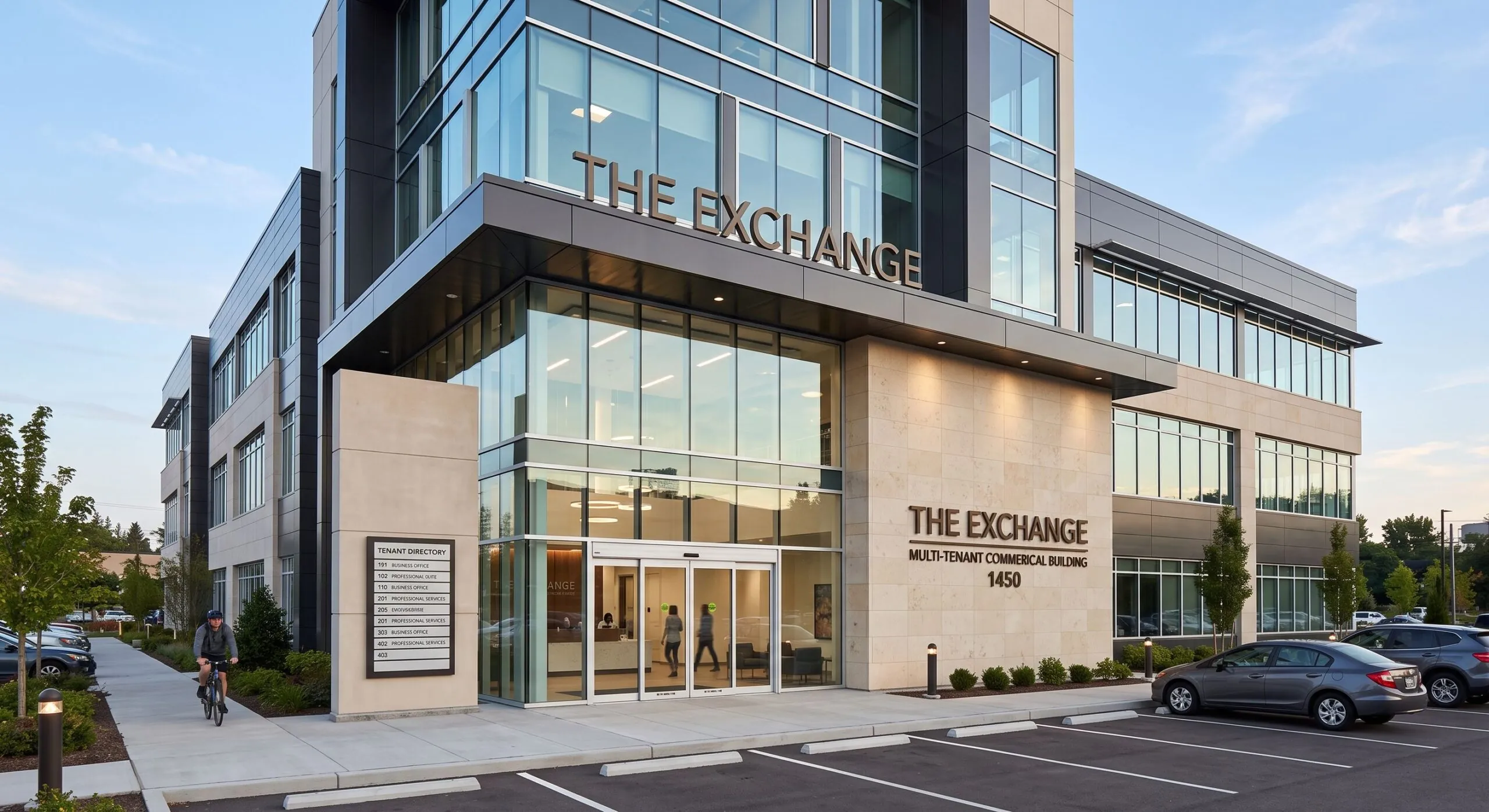
One Building, Several Businesses, Several Sign Levels
The redevelopment plans support mixed-use development across several areas: the Central Business District plan, for instance, allows upper-floor residential and commercial uses above active ground-floor businesses. That puts several tenants and uses behind one address.
- Ground floor. Storefront identification, windows, awnings and projecting signs.
- Shared entrance. Tenant listings and entry information.
- Lobby. Directories and building identification.
- Upper floors. Suite signs, office plaques, room numbers and directional signs.
- Tenant interiors. Reception signs, privacy graphics, ADA signs and wall identification.
For property managers the components that change most often are the tenant-specific ones, so those are built to be replaced on their own. A directory made as one fabricated panel has to be remade when a business leaves; a directory made as a frame with individual listings does not.
Who We Work With
Businesses We Serve Throughout Asbury Park
The restaurants and venues that define the city’s reputation, the retail along Cookman and Main, the hospitality on the waterfront, and the offices and managers behind all of it.
Nearby service areas: Asbury Park is part of our Monmouth County sign company coverage. We also serve nearby businesses through our Neptune sign company, Long Branch sign services and Red Bank business signs pages.
Restaurants and Cafés
Storefront signs, channel letters, awnings, projecting signs, window graphics, menus, event graphics and interior identification.
Retail Stores
Dimensional signs, storefront signs, window graphics, awnings, promotional graphics and tenant changes.
Hotels and Hospitality
Exterior identification, reception signs, event graphics, directories, ADA signs and interior wayfinding.
Arts and Entertainment
Permanent signs, event graphics, banners, window campaigns, sponsor signs, printed displays and directional signage.
Professional Offices
Directories, suite signs, reception logos, privacy film, ADA signs and office identification.
Wellness and Personal Services
Storefront signs, window graphics, privacy film, awnings, reception signs and interior graphics.
Property Managers
Tenant changes, directories, replacement signs, repair work, sign removal and recurring building identification.
Multi-Location Businesses
Recurring signage adapted to the individual property and the redevelopment area that applies to it.
Tenant Changeover
Moving Into an Existing Asbury Park Storefront?
On this building stock the existing mounting is often worth more than the signs attached to it: an approved projecting-sign bracket already in place is a façade penetration nobody has to make twice.
What you may inherit
- Existing wall-sign mounting and electrical wiring
- Channel-letter raceways
- Awning frames and projecting-sign brackets
- Window vinyl and door graphics
- Directory systems and interior plaques
- Reception signs
A good awning frame may need only new fabric, a directory may need one tenant listing, an existing projecting-sign bracket may be reusable where its condition and the new approval allow it, and existing mounting points reduce unnecessary façade work. Other components come out because they are damaged, outdated or incompatible with the incoming business.
What the changeover covers
- Previous sign removal and existing-condition survey
- Storefront measurements
- New exterior identification and channel-letter replacement
- New projecting sign and awning recovering
- Window-vinyl removal and new window graphics
- Door lettering and directory updates
- Suite signs and interior identification
- Temporary opening graphics, then final installation
For property managers running mixed-use buildings, retail space, offices and restaurants, tenant-specific pieces built to be replaced individually make the next turnover smaller: directories, suite signs, storefront identification, window graphics, ADA signs, floor signs, projecting-sign brackets, replacement panels and leasing graphics all set once.
Repair & Refacing
Sign Repair, Refacing, and Replacement
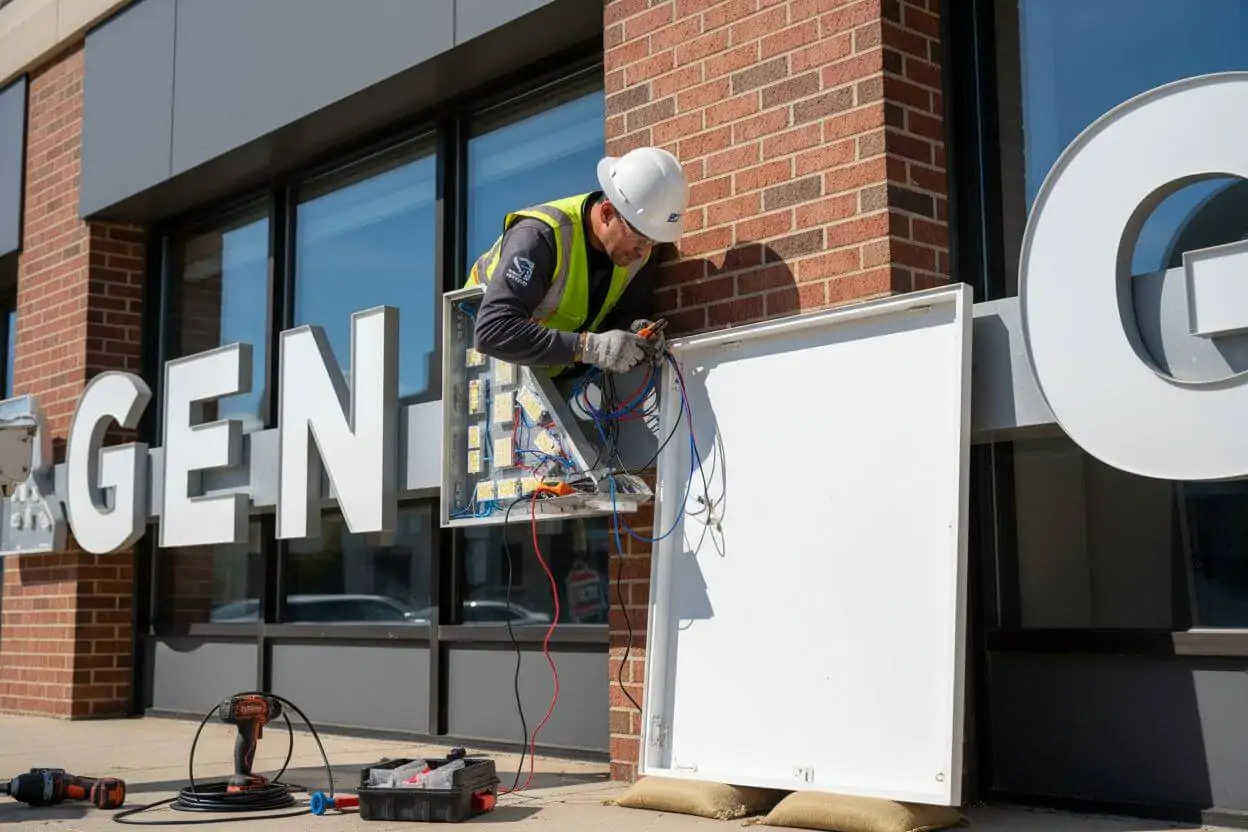
Asbury Park carries a large amount of established commercial signage across both older and newer buildings. Letters loosen, LEDs fail, sign faces fade, vinyl wears, awning fabric ages, brackets deteriorate, tenant names change and window graphics go out of date, and a block from the ocean, weathering runs faster than most inland streets.
Gogi Signs repairs and updates commercial signage even when another company originally fabricated it:
- Channel-letter repair
- LED and electrical service
- Dimensional-letter repair
- Sign-face replacement
- Projecting-sign repair
- Awning recovering
- Window-vinyl replacement
- Directory updates
- Sign removal
- Interior sign replacement
- New tenant conversion
- Bracket replacement
Where an existing sign remains usable, repair is often the more practical route, and it keeps the storefront inside an approval that already exists. Where continued service no longer makes sense, we quote replacement built to the standards of whichever redevelopment area the property sits in.
Serving Asbury Park
Serving Asbury Park and Monmouth County
Gogi Signs serves commercial properties throughout Asbury Park, including businesses around:
- Cookman Avenue
- Main Street
- Springwood Avenue
- The Waterfront
- Lake Avenue
- Central Business District
- Ocean Avenue
Asbury Park stays distinctive because its current planning framework contains several separate redevelopment areas and active development projects across the waterfront, downtown, Main Street and other parts of the city: the Planning Board was still reviewing major Waterfront and CBD projects in August 2026.
Our service footprint continues through Neptune, Ocean Township, Long Branch, Red Bank, Belmar, Bradley Beach, Deal, Allenhurst, Freehold and the surrounding areas. For businesses operating across several Monmouth County locations, our New Jersey shop can provide one fabrication and installation source while each property is handled to its own municipality and site conditions.
2005
Serving New Jersey since
8 areas
Redevelopment plans, own sign rules
Insured
Commercial installation crew
In-house
Fabrication & large-format printing
Get Started
Planning a Sign Project in Asbury Park?
Whether you are opening a Cookman Avenue storefront, updating a Main Street business, preparing graphics for a waterfront venue, recovering an awning, changing tenants, replacing a projecting sign, producing event graphics or repairing existing signage, start with the exact property address and photographs.
Gogi Signs can handle site measurements, sign drawings, fabrication, large-format printing, installation, repair and future sign changes from our New Jersey shop.
OUR SHOP
7 W Baltimore Ave, Suite B, Linden, NJ 07036, United States
Prefer to talk it through?
Request a Quote
The address matters here: the redevelopment area sets the rules.
- Serving New Jersey since 2005
- In-house fabrication and printing
- Insured installation crew
- Repair and refacing on existing signs
FAQs
Frequently Asked Questions About Signs in Asbury Park
Yes. The City states that zoning approval is required for signage on commercial businesses.
As of August 2026 the City’s Zoning page lists the sign-permit fee as $40, for both new and replacement signage, with applications accepted through the online portal, in person or by mail. Fees change, so it is worth confirming at the time of application.
No. The city maintains eight separate redevelopment areas, including the Waterfront, CBD, Main Street and Springwood Avenue, and those plans can contain their own sign standards. The address decides which applies.
The Main Street Redevelopment Plan allows up to two square feet of wall-sign area per linear foot of street frontage, capped at 40 square feet, with letters limited to 18 inches and projection limited to six inches from the building face.
The top must stay below the second-story window sill or projected bay, or below fourteen feet above the street line, whichever is lower, and signs should not cover windows, doors or architectural details.
Yes, with standards. A projecting sign may extend no more than four feet from the wall and must keep at least seven feet of sidewalk clearance, with height limited according to whether the building is single-story or multi-story.
On Main Street the plan permits one neon sign of letters or shapes behind storefront glass per ground-floor business address, with additional provisions for corner properties and second-floor businesses.
The Springwood Avenue redevelopment standards specifically prohibit internally illuminated awnings. Other properties should be checked against the rules for their own redevelopment area.
Yes. We produce banners, window graphics, printed boards, sponsor graphics, directional signs and other temporary material for restaurants, venues, events and businesses, specified alongside the permanent signage so they use surfaces that already exist.
Send the exact property address, storefront photographs, your logo or artwork, photographs of existing signage, and any landlord or property requirements you have. The address matters more than usual here, because the redevelopment area affects the design.