— Red Bank, New Jersey
Sign Company in Red Bank, NJ
Gogi Signs designs, fabricates, prints, installs, repairs and replaces commercial signs throughout Red Bank — dimensional letters and blade signs on Broad Street and Monmouth Street, awnings built to the drop-leaf limits, and the directories and suite signs the offices above them depend on.
20+ Years Experience
Serving New Jersey Since 2005
In-House Production
Fabrication & Large-Format Printing
Commercial Installation
Insured Installation Crew
Red Bank & Monmouth County
Local Sign Service
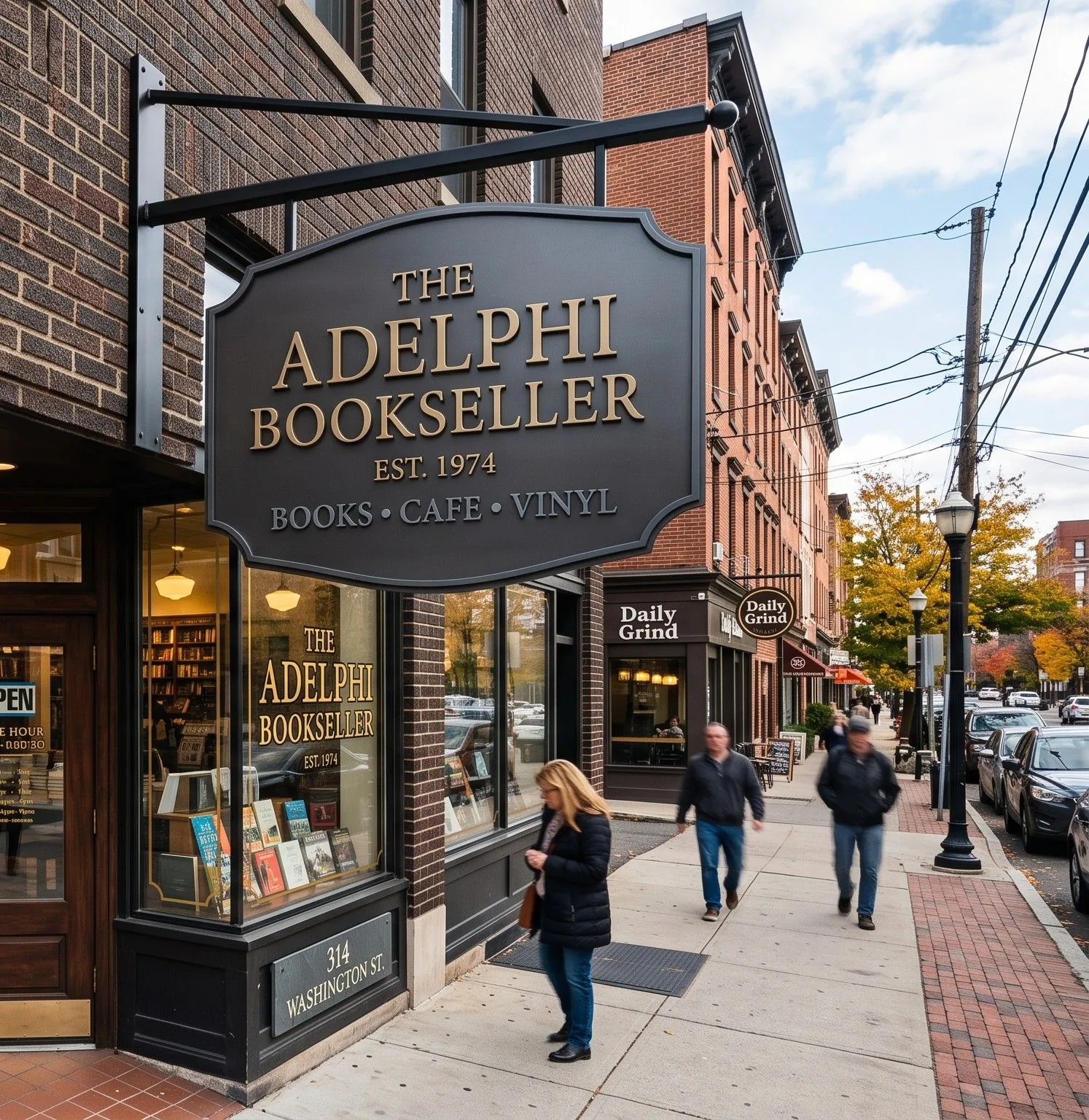
— Sign Company in Red Bank
A Storefront Market That Works at Pedestrian Scale First
Red Bank is built around Broad Street, Monmouth Street, the train station area, restaurants, boutiques, professional offices, medical businesses, entertainment venues, mixed-use buildings and established properties with real historic character.
It is a very different market from a Route 9 commercial site or a suburban shopping property. Businesses sit close to the sidewalk, storefront widths can be limited, upper floors may hold offices or residences, and existing façades often carry architectural details that should stay visible. Windows, awnings, hanging signs and the sign band above the storefront all compete for a relatively small area.
So the main wall sign identifies the business, a blade sign reaches someone already walking the block, an awning defines the entrance, window graphics carry hours and secondary information, and the door handles the final details. When each surface has its own job, the storefront reads clearly without filling every available space.
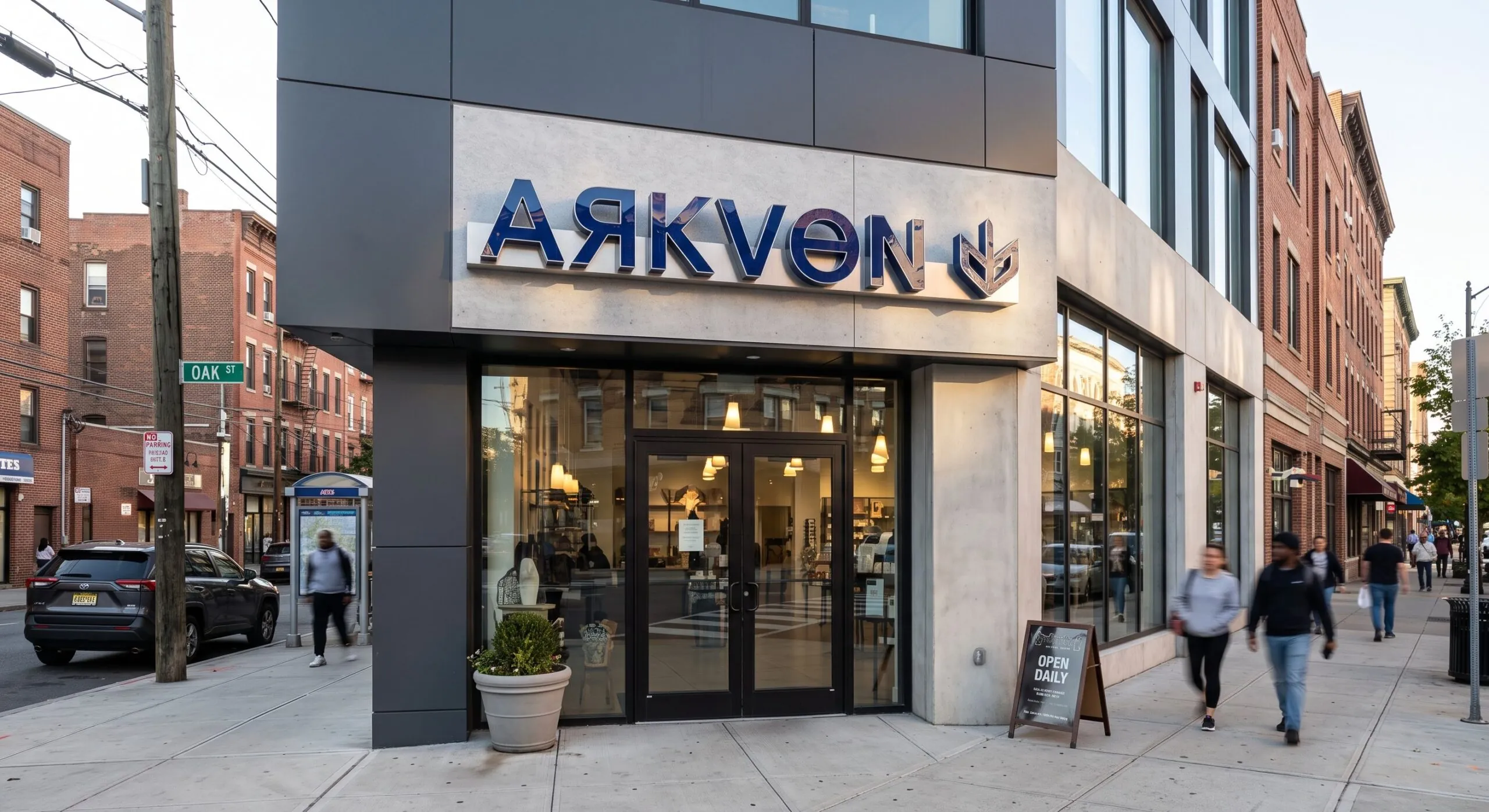
— Approval Path
Red Bank Sign Approval Starts Before Fabrication
Current business guidance sets out a two-step path: a development permit first, then the construction-permit stage where required. Historic and RiverCenter properties add further review on top of that.
- Development permit
- Historic or RiverCenter review, where applicable
- Construction permit
- Fabrication
The development application asks sign applicants for a good deal more than a logo:
- Sign renderings
- Building dimensions
- Window dimensions
- Letter sizes
- Colors and fonts
- Illumination details
- Existing sign information
- Proposed sign type
- Sign area
- Sign location
Every item on that list comes from the property rather than from the brand. A Red Bank project therefore begins with the exact address and the building conditions, and the sign is designed around the review rather than manufactured first and revised afterward. The application is filed by you or your landlord. We assist with permits; we do not file them on your behalf.
— RiverCenter District
Internally Illuminated Exterior Signs Are Not Permitted Downtown
Businesses in the RiverCenter district sit inside the Borough’s downtown Special Improvement District, and two things follow from that. The development application states that exterior façade and sign applications within RiverCenter are forwarded to its Visual Improvement Committee for comments. And the Borough’s business handbook states that internally illuminated exterior signs are not permitted in the district.
That second one is a product decision rather than a styling note. A lightbox is off the table, so the question becomes which of the permitted forms carries the identity instead:
- Dimensional letters
- Externally illuminated signs
- Painted signs
- Gooseneck lighting
- Blade signs
- Awning identification
- Window graphics
- Metal lettering and routed panels
None of those is a compromise. Pin-mounted metal letters under gooseneck lights read better on a nineteenth-century façade than an illuminated cabinet would — but they are a different fabrication, a different mounting and a different electrical scope, which is why the district gets confirmed before the sign type is finalized rather than after.
— Historic Character
Historic Design Guidance Names the Sign Types That Fit
Red Bank maintains specific historic-design guidance for commercial properties, and it is unusually helpful: rather than only listing prohibitions, the current Historic Design Guidelines identify traditional sign types as appropriate within the historic commercial setting — carved and dimensional signs, pin-mounted letters, metal letters, awning signs, hanging blade or bracket signs and window-applied signs.
That gives businesses real options without forcing every storefront into one look. On an older building, dimensional metal letters, pin-mounted letters, routed or carved-style panels, painted signs, gooseneck lighting, fabric awnings, blade or bracket signs, window-applied lettering and exterior plaques all sit naturally.
There is a further step where it applies. The development application notes that properties within a Historic District, or listed on the Historic Inventory, are subject to Historic Preservation Commission review, and signs within a Historic District are restricted to approved historic colors. The point is not to make a new business look old — it is to produce signage that belongs on the building rather than covering the details that give the property its character.
— Our Products
Signs We Make for Red Bank Businesses
Our New Jersey shop produces fabricated, printed, exterior, interior, temporary and replacement signage for businesses throughout Red Bank.

Dimensional Letters and Logos
Fabricated metal, acrylic and PVC letters for exterior storefronts, entrances, lobbies and reception walls.
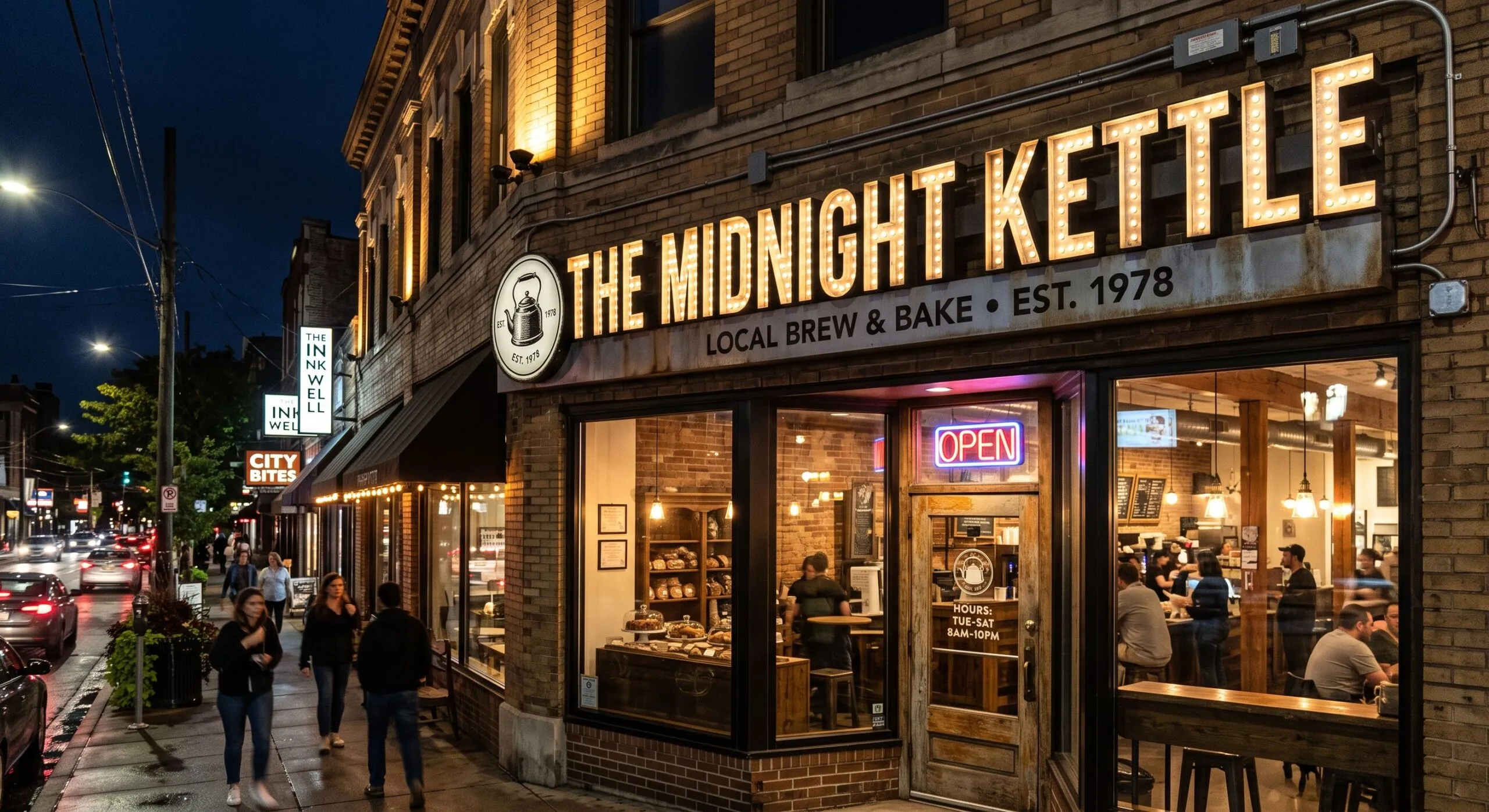
Channel Letters
Fabricated letters for properties where the applicable sign rules and building conditions support their use.
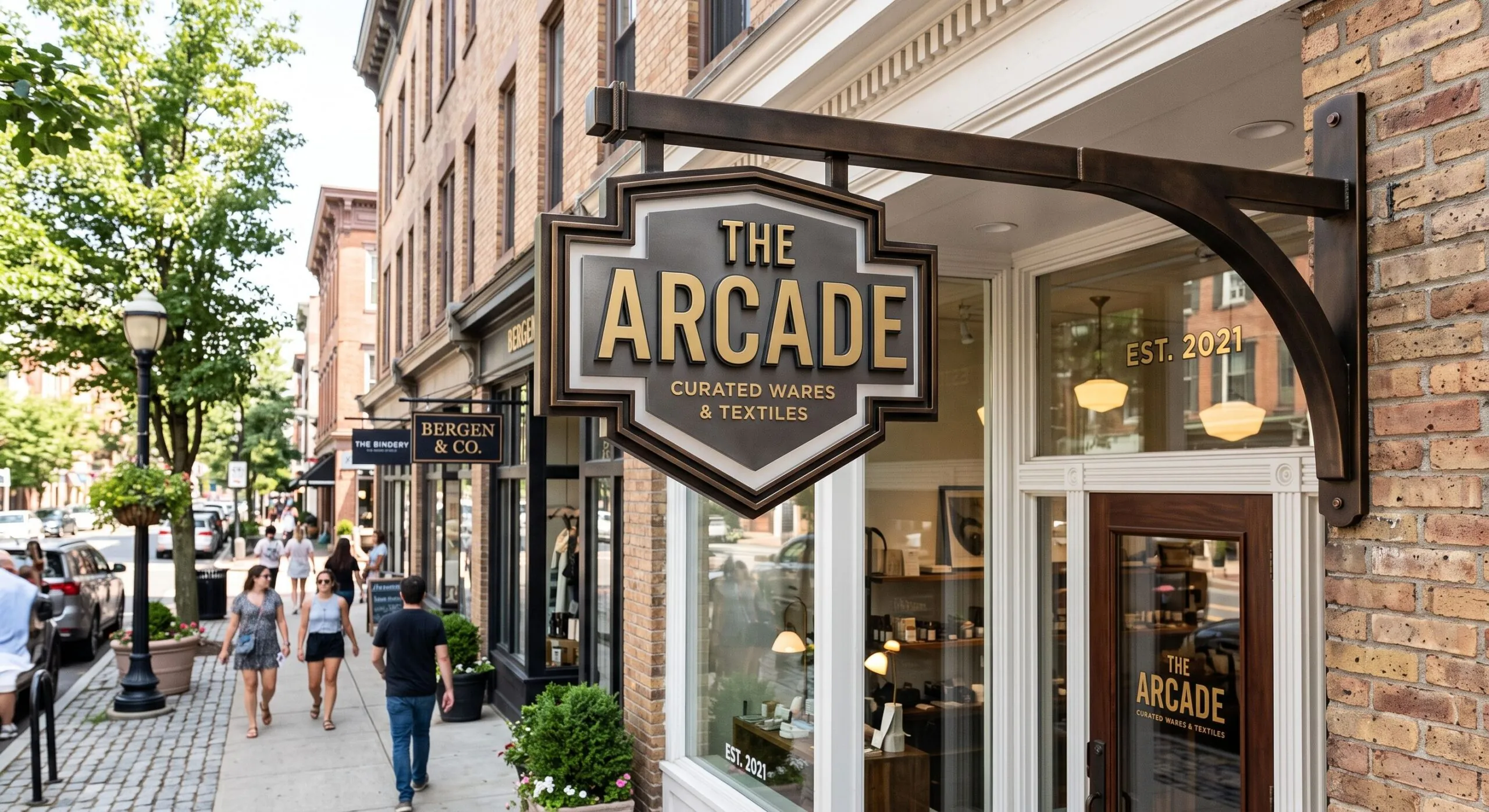
Blade and Bracket Signs
Perpendicular business identification for eligible downtown storefronts, recognized in the historic design guidance.
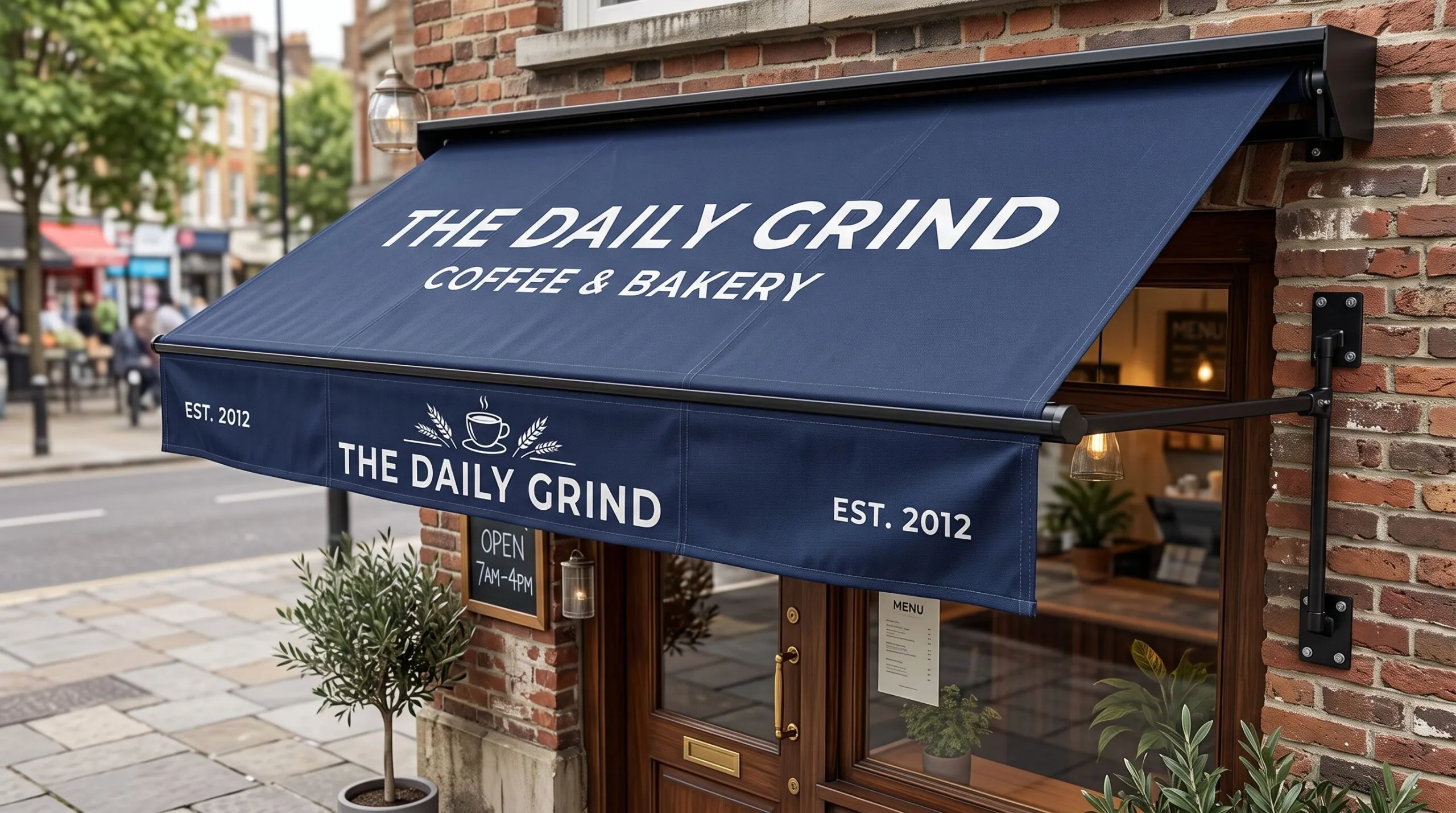
Custom Awnings
Fabric storefront and entrance awnings with business names, logos, colors and graphics, built to the drop-leaf limits.
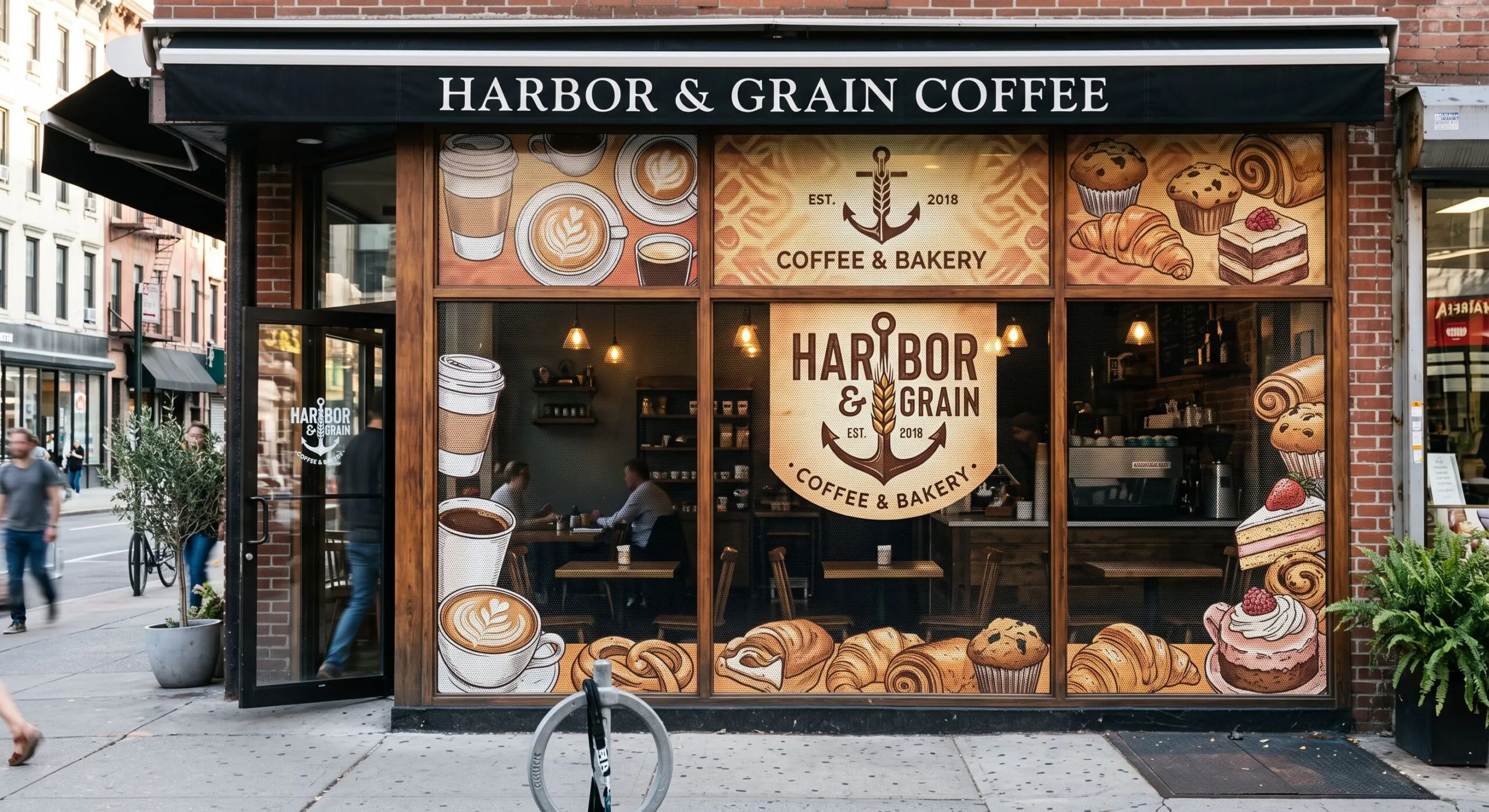
Window Graphics and Lettering
Printed graphics, cut vinyl, hours, logos, privacy film, decorative film and temporary promotions.
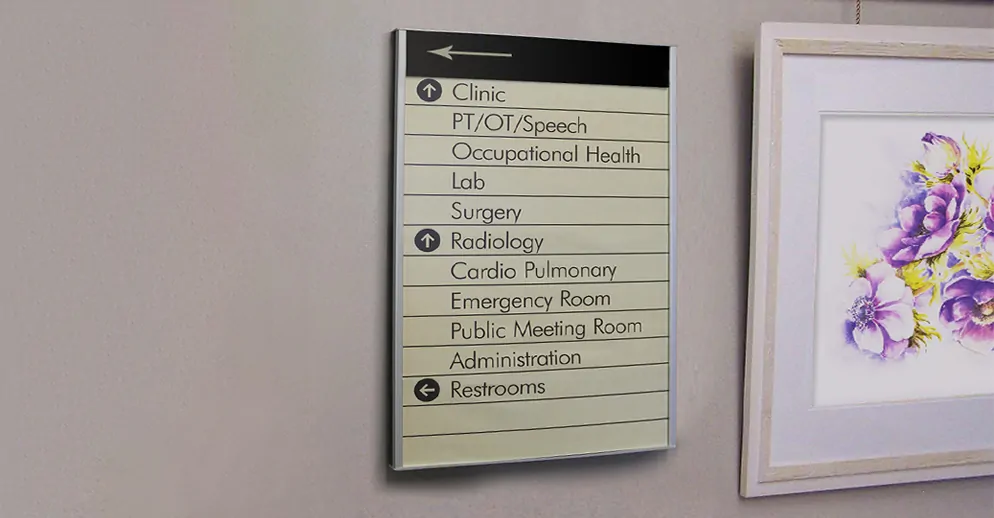
Directories
Building, floor, office, tenant and department directories, built for individual tenant replacement.
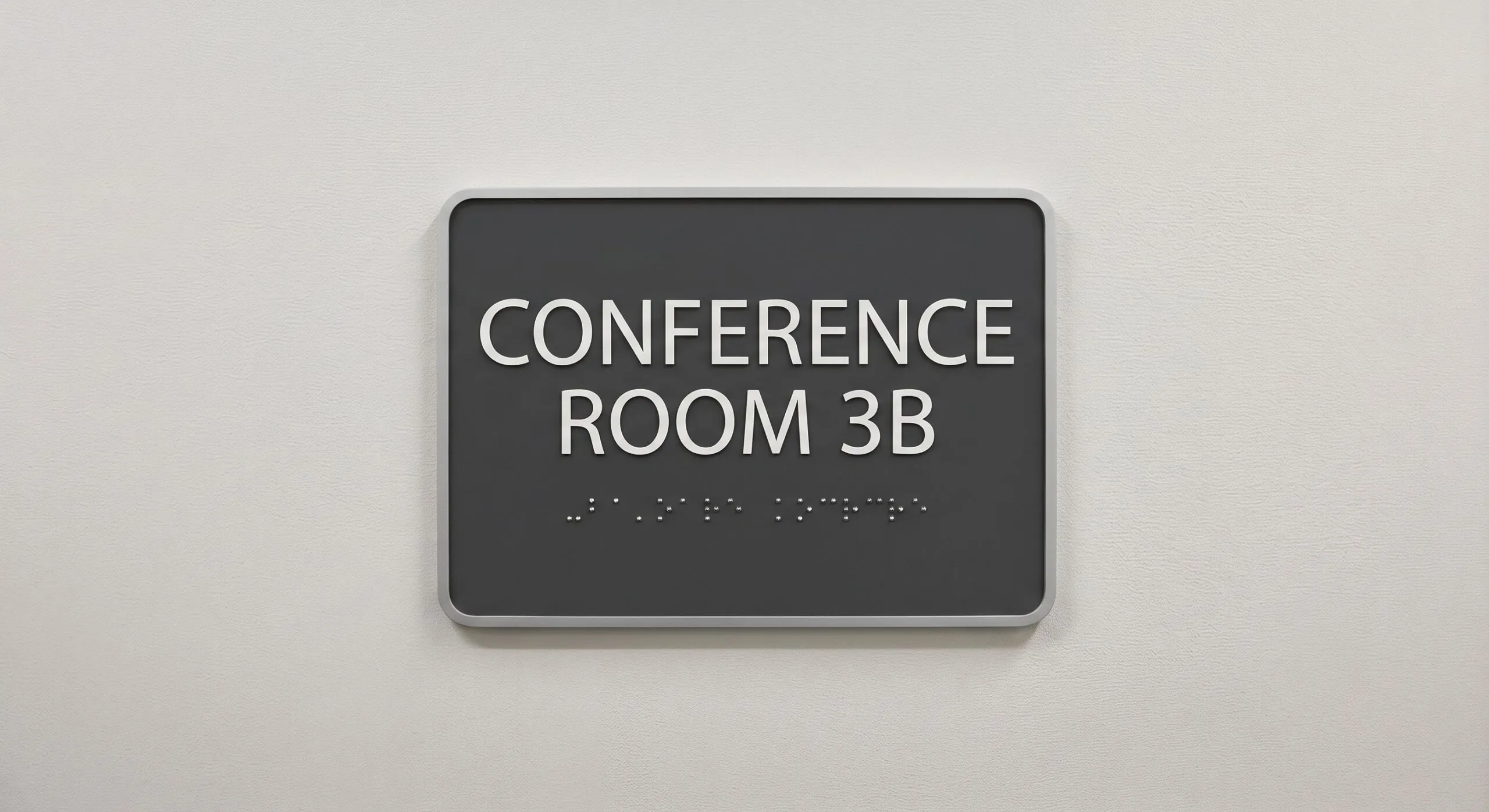
ADA Signs
Tactile room identification, Braille signs, accessible restroom identification and directional signage.
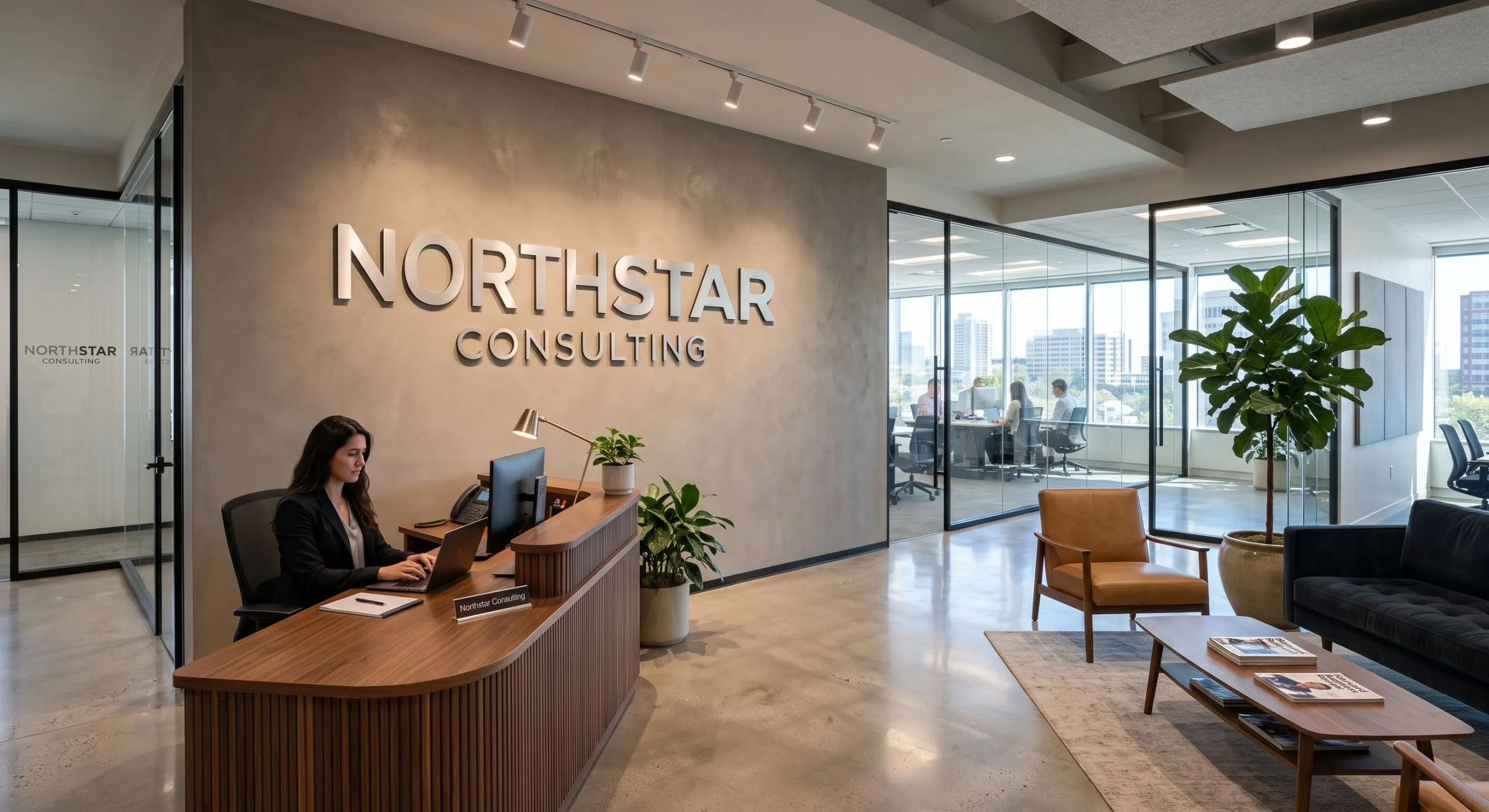
Office and Suite Signs
Room numbers, office plaques, nameplates, department signs and replaceable tenant identification.

Vehicle Graphics and Lettering
Commercial lettering, logos, decals, contact information and graphics for company vehicles.
— How It Works
From Site Survey Through Installation
Gogi Signs has served New Jersey businesses since 2005, and handles the project from the initial property review through fabrication, installation and future service.
01
Site Survey
We measure the storefront, office, lobby or interior area and document the existing signs, windows, awnings, brackets and mounting conditions.
02
Design and Planning
Artwork is fitted to the actual building, dimensions, materials, sign type, customer approach and the applicable review requirements.
03
Fabrication and Printing
Approved work moves through fabrication, cutting, large-format printing, vinyl production, finishing and electrical work where applicable.
04
Installation
Our insured installation crew coordinates access, removes old signage where that is included, and installs the completed signs and graphics.
05
Future Service
When tenant information changes, awning fabric needs replacement, window graphics change or a sign needs repair, we can return to the property.
— Awnings
Awning Graphics Are More Restricted Than the Fabric Suggests
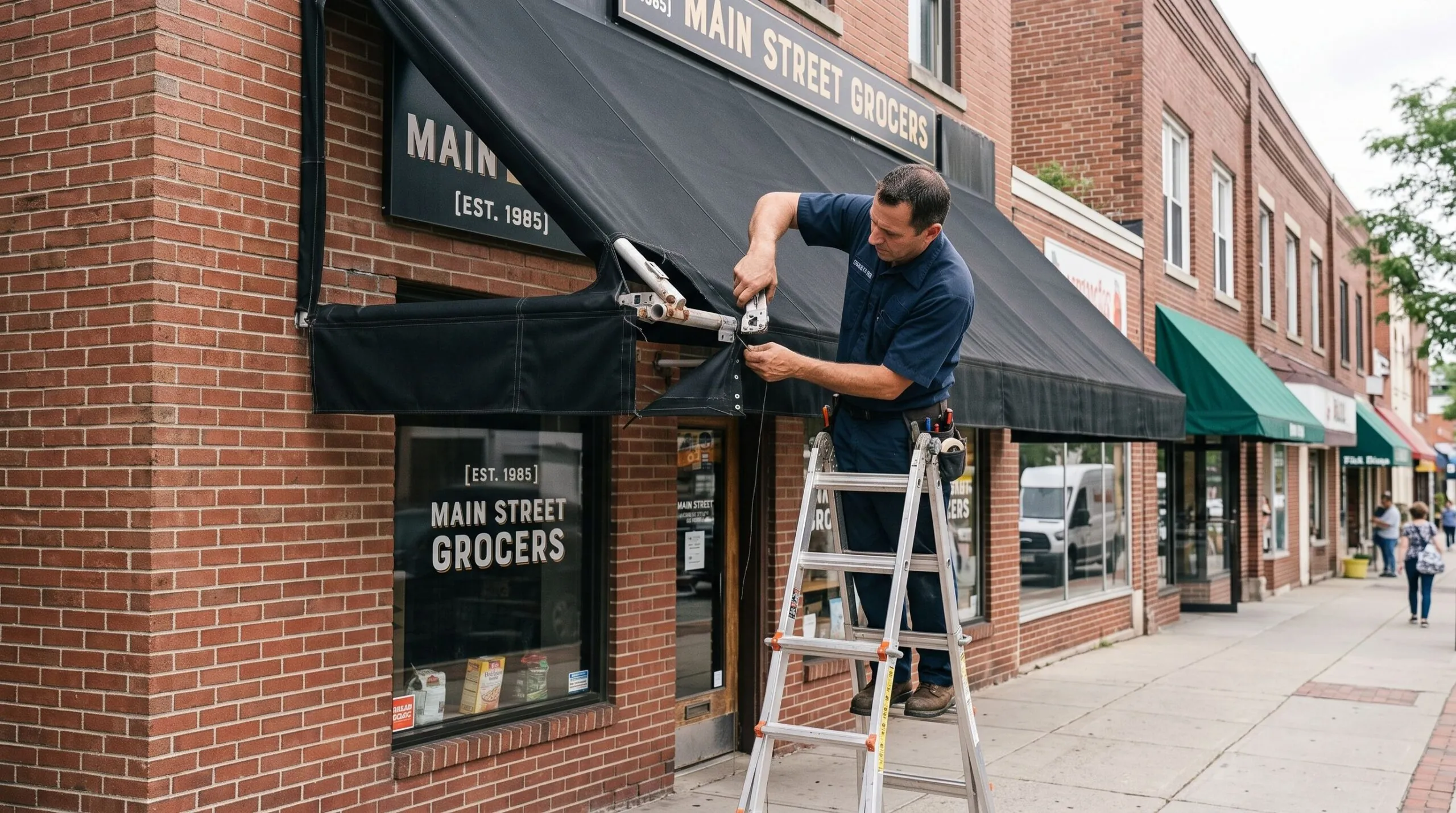
This is the rule most often discovered too late. Business identification on an awning is restricted to the drop-leaf or fringe — not the main canopy — and may carry the business name, logo and street number. The sign area may occupy no more than 40% of the total drop-leaf area, and the drop-leaf itself cannot exceed ten inches in height.
Ten inches of drop-leaf at 40% coverage is a narrow band. It is enough for a business name at a readable size, or a logo and a street number, but not for all three at the scale most artwork assumes. So the awning gets planned as a structure with a sign on it rather than as a fabric surface to print:
- Frame dimensions
- Fabric color
- Drop-leaf height
- Business name
- Logo proportions
- Letter size
- Street number where desired
- Existing storefront architecture
We manufacture new awnings and can inspect existing frames to determine whether recovering them is practical — which on a downtown façade is often the better answer, since the frame is already sized to the opening.
— Blade Signs
A Wall Sign Faces Across the Street; a Blade Sign Faces the Sidewalk
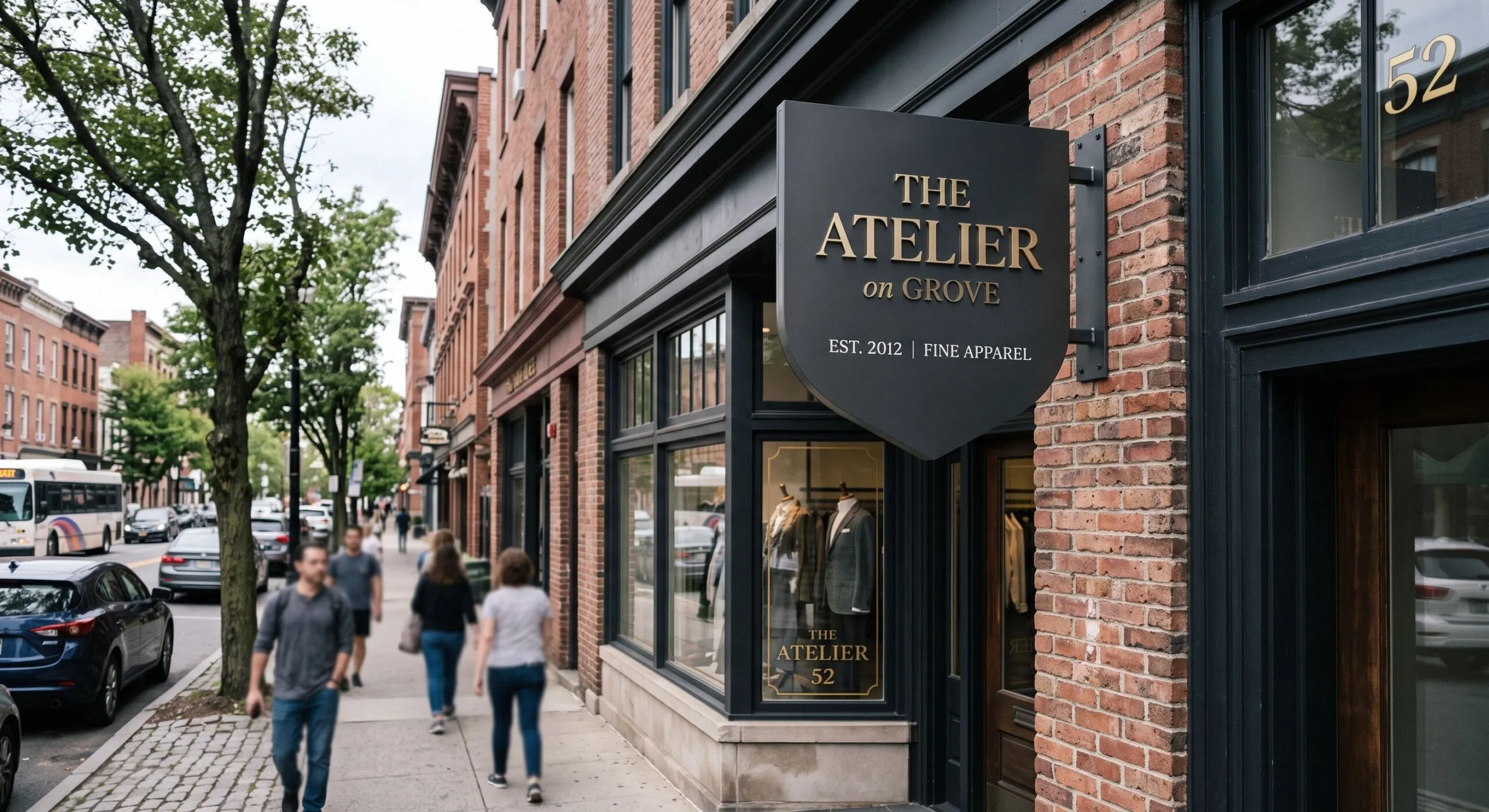
That single difference is why hanging and bracket-mounted signs matter so much in a walkable downtown. Red Bank’s 2025 Historic Design Guidelines identify hanging blade or bracket signs as historically appropriate commercial sign forms, describing them as a way for pedestrians to identify businesses from farther along the sidewalk without overpowering the architecture.
That phrasing is worth taking at face value. A blade sign works because it is small and well placed, not because it is large — and it is read at an angle by someone already moving, in the seconds before they pass the door.
They suit restaurants, boutiques, salons, galleries, professional services, cafés, specialty retail and any business working with a narrow storefront. The exact size, mounting, district and permit requirements still get checked for the property, since the bracket is a façade attachment on a building that may be subject to historic review.
— Windows & Sidewalk
Where the Message That Changes Every Week Goes
The permanent façade sign should not be carrying today’s specials. Red Bank gives three separate places for material that changes, each with its own limits.
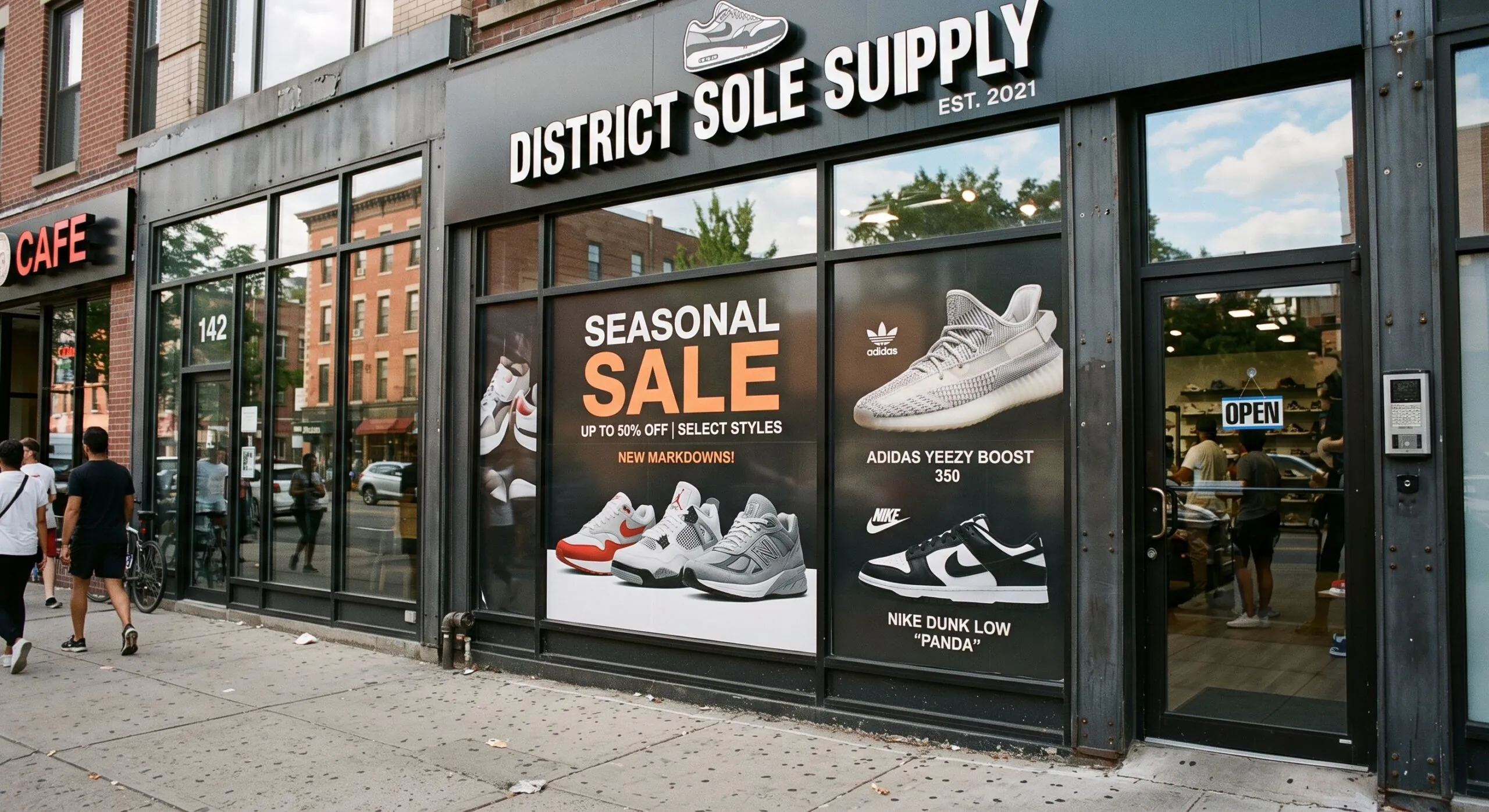
- Windows. Qualifying non-illuminated window signs visible from a public roadway or parking facility count as minor signs where the graphic content does not exceed 20% of the window area — with the ordinance also providing a minimum permitted window-sign area regardless of window size, so a small storefront is not left with nothing usable.
- Sidewalk signs. Qualifying businesses in several commercial zones may place one during operating hours, at a maximum 30 inches wide, 42 inches high and 20 inches deep, with a clear pedestrian path maintained and placement regulated relative to the building and the curb.
- Special-event signs. The code separately recognizes these, allowing qualifying non-illuminated event signs for limited periods before and after the event.
Between them, the window carries identification, hours, door information and seasonal campaigns; the sidewalk sign carries specials, today’s menu, sale information, event notices, appointments and directions to a second-floor business; and the event allowance covers the rest. The permanent façade sign stays clean throughout.
— Offices & Directories
Above the Storefronts, the Interior System Takes Over
Red Bank holds professional offices, healthcare businesses, financial services, law firms, real estate companies and consultants operating inside shared commercial properties — frequently on the upper floors of the same buildings whose ground floors hold the restaurants and boutiques. For them the exterior sign gets a visitor to the building and no further.
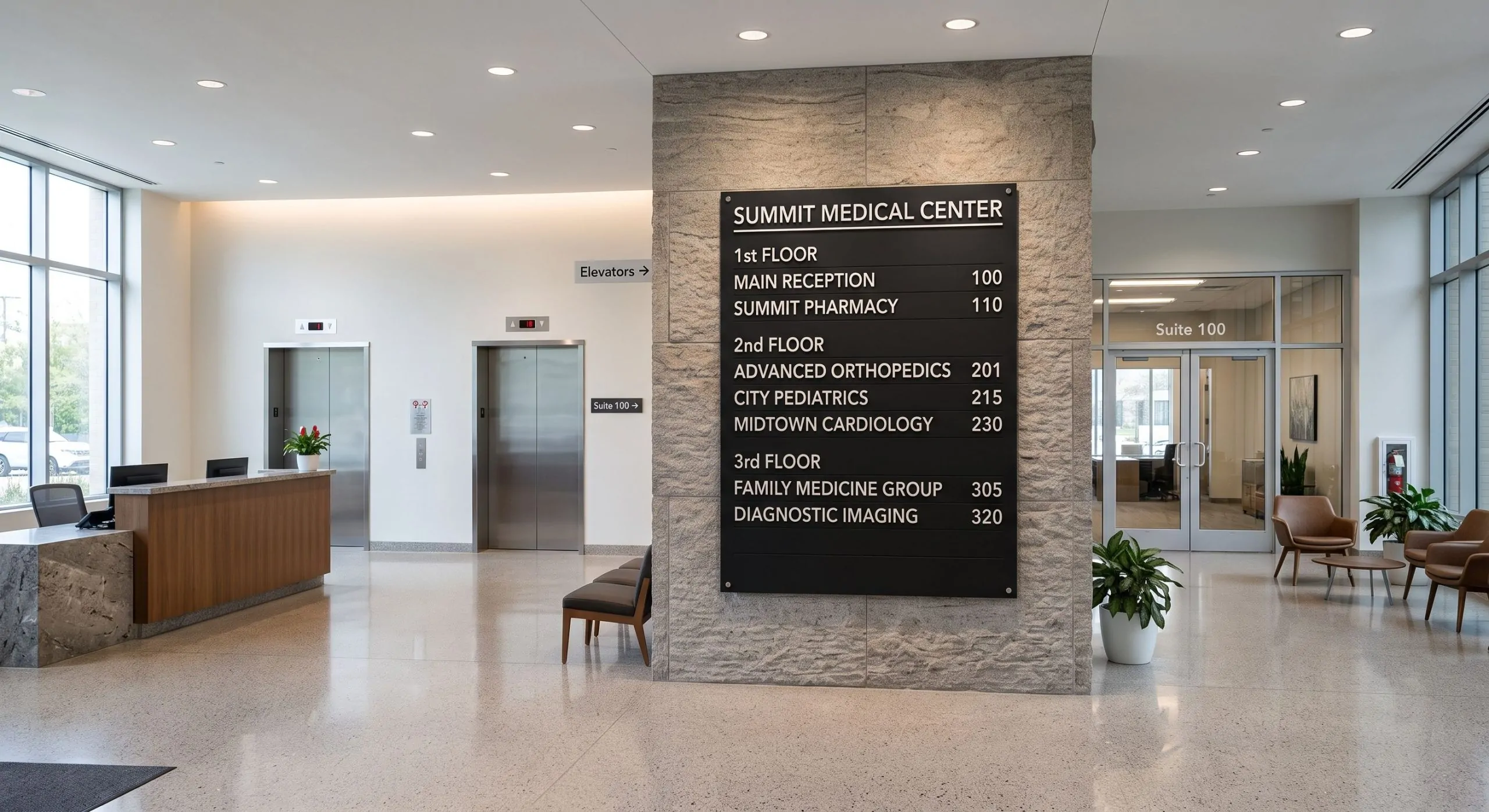
The rest is building directories carrying tenant names, floors and suite information; reception signs in dimensional logos, acrylic panels, metal lettering, plaques and wall graphics; suite signs with office names, room numbers, nameplates and replaceable tenant identification; privacy graphics for office glass, conference rooms and treatment areas; ADA tactile and Braille identification; and wayfinding connecting entrances, stairs, elevators, offices and shared areas.
A consistent sign family also makes the property manager’s life easier when tenants change — which in a downtown of this size, they do steadily.
— Who We Work With
Businesses We Serve Throughout Red Bank
The restaurants and boutiques along Broad and Monmouth Street, the offices and practices above them, the cultural businesses that give the town its draw, and the managers holding the mixed-use buildings together.
Restaurants and Hospitality
Storefront signs, blade signs, awnings, window graphics, menu displays, interior signs and temporary promotions.
Retail Stores
Dimensional signs, window graphics, awnings, blade signs, promotional graphics and tenant changes.
Professional Offices
Directories, suite signs, reception logos, privacy film, ADA signs and office identification.
Medical and Wellness
Exterior signs, privacy graphics, reception signs, directories, ADA signage and interior wayfinding.
Arts and Entertainment
Permanent identification, event signs, window campaigns, banners, interior graphics and temporary displays.
Property Managers
Tenant changes, directories, office signs, repair work, sign removal and recurring building identification.
Salons and Personal Services
Storefront signs, awnings, window graphics, privacy film, reception signs and interior graphics.
Multi-Location Businesses
Recurring signage adjusted to the individual building, municipal requirements and property standards.
— Tenant Changeover
Taking Over an Existing Red Bank Storefront?
A sound sign bracket already mounted on a downtown façade is worth keeping — particularly on a building where a new façade attachment would bring the project back through review.
What you may inherit
- Existing sign brackets
- Dimensional-letter mounting points
- Awning frames
- Window vinyl and door graphics
- Directory systems and interior plaques
- Reception signs and older wall signs
A sound bracket may be reusable, an awning frame may accept a new fabric cover, a directory may need only one tenant listing changed and existing wall penetrations may support new dimensional lettering. Other components come out because they are damaged, incompatible with the incoming brand, or no longer appropriate under the current district rules.
What the changeover covers
- Previous sign removal and existing-condition survey
- Storefront measurements
- New exterior identification
- Blade-sign replacement and awning recovering
- Window-vinyl removal and new window graphics
- Door lettering and directory updates
- Suite signs and reception identification
- Temporary opening graphics, then final installation
For property managers running mixed-use buildings, offices, professional properties and retail space, tenant-specific components built to be replaced individually keep the next change small — directories, suite signs, office plaques, ADA signs, storefront identification, window graphics, floor signs, replacement panels and leasing graphics set once.
— Repair & Refacing
Sign Repair, Refacing and Replacement
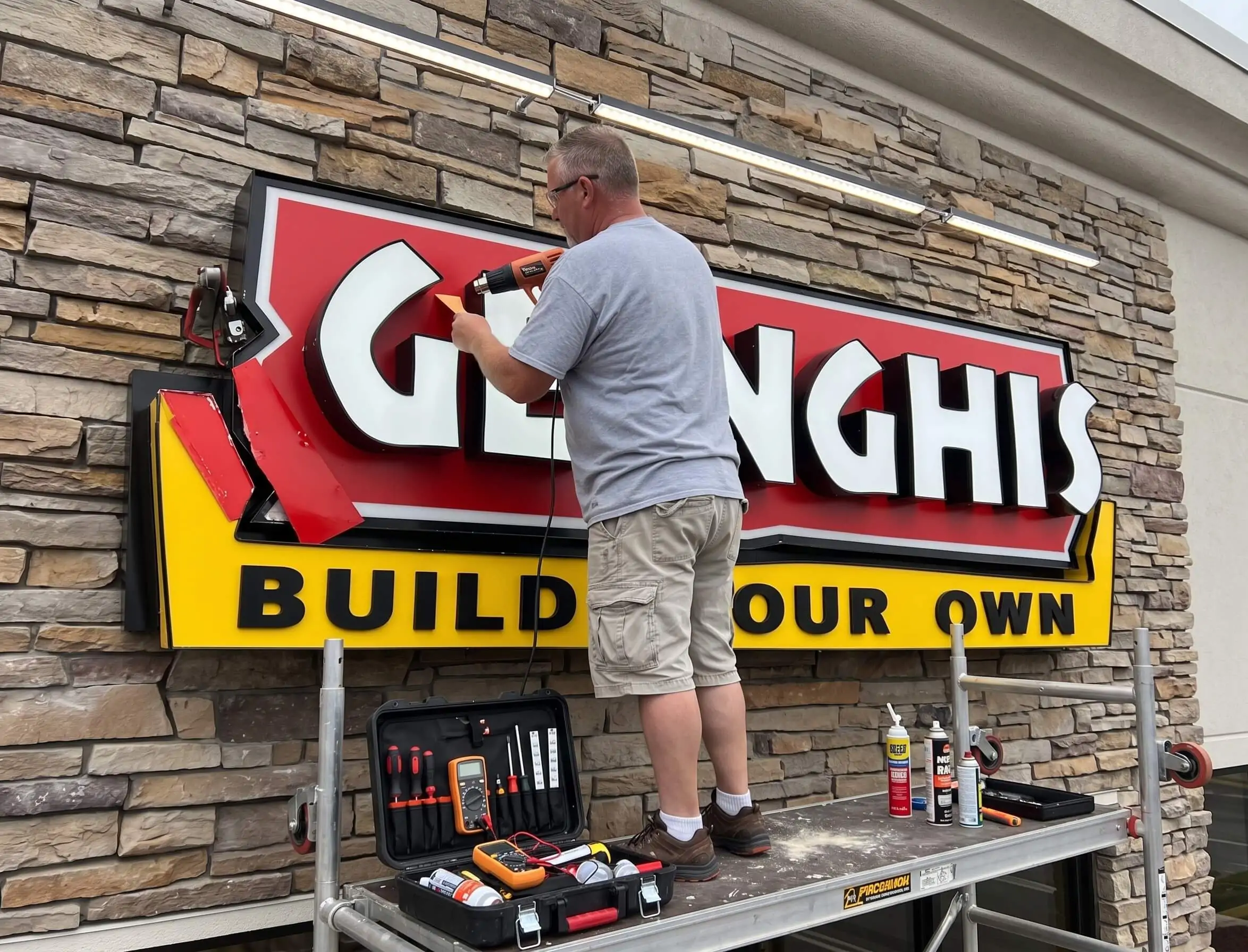
Red Bank has a large installed base of commercial signs across older and newer buildings. Letters loosen, lighting fails, vinyl fades, awning fabric wears, brackets deteriorate, window graphics go out of date, tenant names change and directories need updates.
Gogi Signs repairs and updates commercial signage even when another company originally manufactured it:
- Dimensional-letter repair
- Channel-letter repair where applicable
- Electrical service
- Sign-face replacement
- Blade-sign repair
- Bracket repair
- Awning recovering
- Window-vinyl replacement
- Directory updates
- Tenant-panel replacement
- Sign removal
- Interior sign replacement
Where the existing structure remains useful, repair usually makes more sense — and on a historic or RiverCenter property it also avoids putting the storefront back through a review it has already cleared. Where the sign has reached the end of its usable life, replacement is the better option, designed to the forms the district actually permits.
— Serving Red Bank
Serving Red Bank and Monmouth County
Gogi Signs serves commercial properties throughout Red Bank, including businesses around:
- Broad Street
- Monmouth Street
- The RiverCenter District
- Train Station Area
- Front Street
- White Street
- Downtown Red Bank
The combination of walkable retail, restaurants, offices, cultural businesses, historic commercial properties and nearby transportation makes Red Bank one of Monmouth County’s more distinctive business districts — and one of the more particular about how signage is done.
Our service footprint continues through Shrewsbury, Little Silver, Fair Haven, Rumson, Middletown, Eatontown, Long Branch, Asbury Park, Freehold and the surrounding areas. For companies operating across several Monmouth County communities, our New Jersey shop can provide one fabrication and installation source while each property is handled to its own local requirements.
20%
Window sign coverage limit
10 in
Drop-leaf height on awnings
Insured
Commercial installation crew
In-house
Fabrication & large-format printing
— Get Started
Planning a Sign Project in Red Bank?
Whether you are opening a Broad Street storefront, taking over a downtown restaurant, updating a professional office, recovering an awning, replacing a blade sign, adding window graphics, updating a directory or repairing existing signage, start with the exact property address and photographs.
Gogi Signs can handle site measurements, sign drawings, fabrication, large-format printing, installation, repair and future sign changes from our New Jersey shop.
OUR SHOP
7 W Baltimore Ave Suite B, Linden, NJ 07036, United States
Prefer to talk it through?
Request a Quote
Tell us if the property is historic or inside RiverCenter.
- Serving New Jersey since 2005
- In-house fabrication and printing
- Insured installation crew
- Repair and refacing on existing signs
— FAQs
Frequently Asked Questions About Signs in Red Bank
Yes, for most permanent commercial signs. Current business guidance states that a development permit is obtained first, followed by the construction-permit process where required.
No. The Borough’s current business handbook states that internally illuminated exterior signs are not permitted within the RiverCenter district, so the project moves toward dimensional letters, externally illuminated signs, painted signs or gooseneck lighting instead.
Exterior façade and sign applications within the RiverCenter district are forwarded to its Visual Improvement Committee for comments, in addition to the standard permit path.
It can. Properties in Historic Districts or listed on the Historic Inventory are subject to Historic Preservation Commission approval, and signs within a Historic District are restricted to approved historic colors.
The current Historic Design Guidelines identify carved and dimensional signs, pin-mounted letters, metal letters, awning signs, hanging blade or bracket signs and window-applied signs as appropriate traditional forms.
Yes, subject to the rules. Awning-sign content is restricted to the drop-leaf or fringe, may include the business name, logo and street number, is limited to 40% of the drop-leaf area, and the drop-leaf itself cannot exceed ten inches in height.
For qualifying non-illuminated window signs treated as minor signs, graphic coverage is limited to 20% of the applicable window area, subject to the ordinance’s minimum-area provision.
Qualifying businesses in several commercial districts may use one during business hours, at a maximum 30 inches wide, 42 inches high and 20 inches deep, with pedestrian clearance maintained. The regulations were amended in 2026, so the current process is worth confirming.
Possibly. We inspect the frame, bracket, attachment points, size and condition before determining whether it can support the new sign or covering.
Send the exact property address, storefront photographs, your logo or artwork, photographs of existing signage, and any landlord or property requirements. Historic or RiverCenter status may affect the proposed design.