— Flemington, New Jersey
Sign Company in Flemington, NJ
Gogi Signs designs, fabricates, prints, installs, repairs and replaces commercial signs throughout Flemington — storefront signs, blade signs and canvas awnings on the historic Main Street façades, and channel letters and directional signage on the larger Route 31 and Route 202 properties.
20+ Years Experience
Serving New Jersey Since 2005
In-House Production
Fabrication & Large-Format Printing
Commercial Installation
Insured Installation Crew
Flemington & Hunterdon County
Local Sign Service
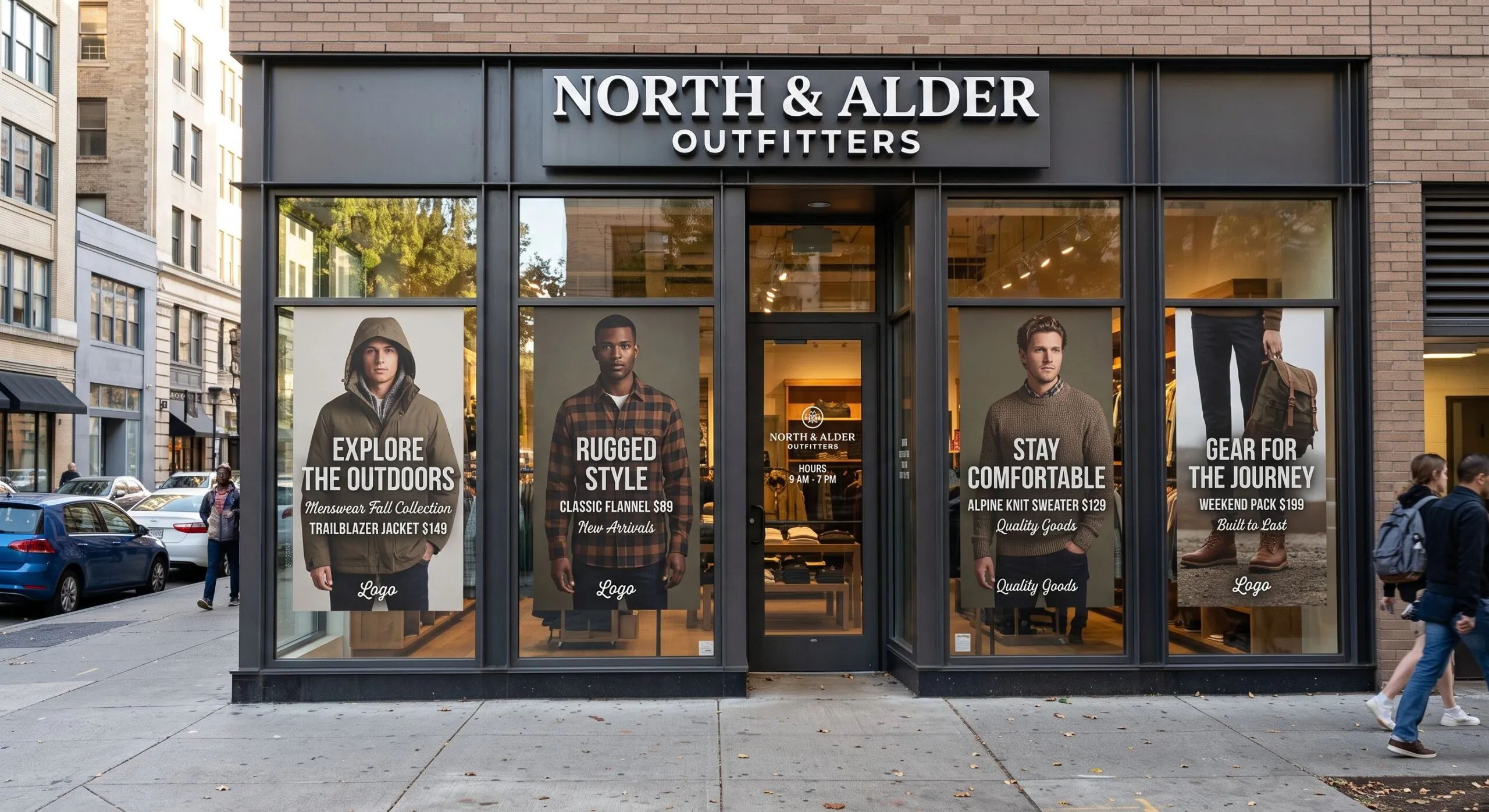
— Sign Company in Flemington
Flemington Has Two Very Different Sign Environments
Businesses here generally fall into one of two settings: the Borough’s older commercial core, where storefronts sit close to the sidewalk and building character matters, and the larger commercial area around Routes 31 and 202, where businesses sit behind parking areas or occupy broader retail and office façades.
Downtown puts the weight on storefront proportions, wall signs, dimensional letters, blade signs, custom awnings, window graphics, older façades, shared entrances and office directories. The corridor properties put it on viewing distance, channel letters, larger wall signs, shopping-center tenancy, parking and directional signs, and office and medical identification. Those two settings should not receive the same sign design, and the ordinance treats them differently as well.
Gogi Signs has handled storefront signs, channel letters, dimensional lettering, custom awnings, blade signs, window graphics, office signs, directories, ADA signs, vehicle graphics and tenant changes throughout Flemington since 2005.
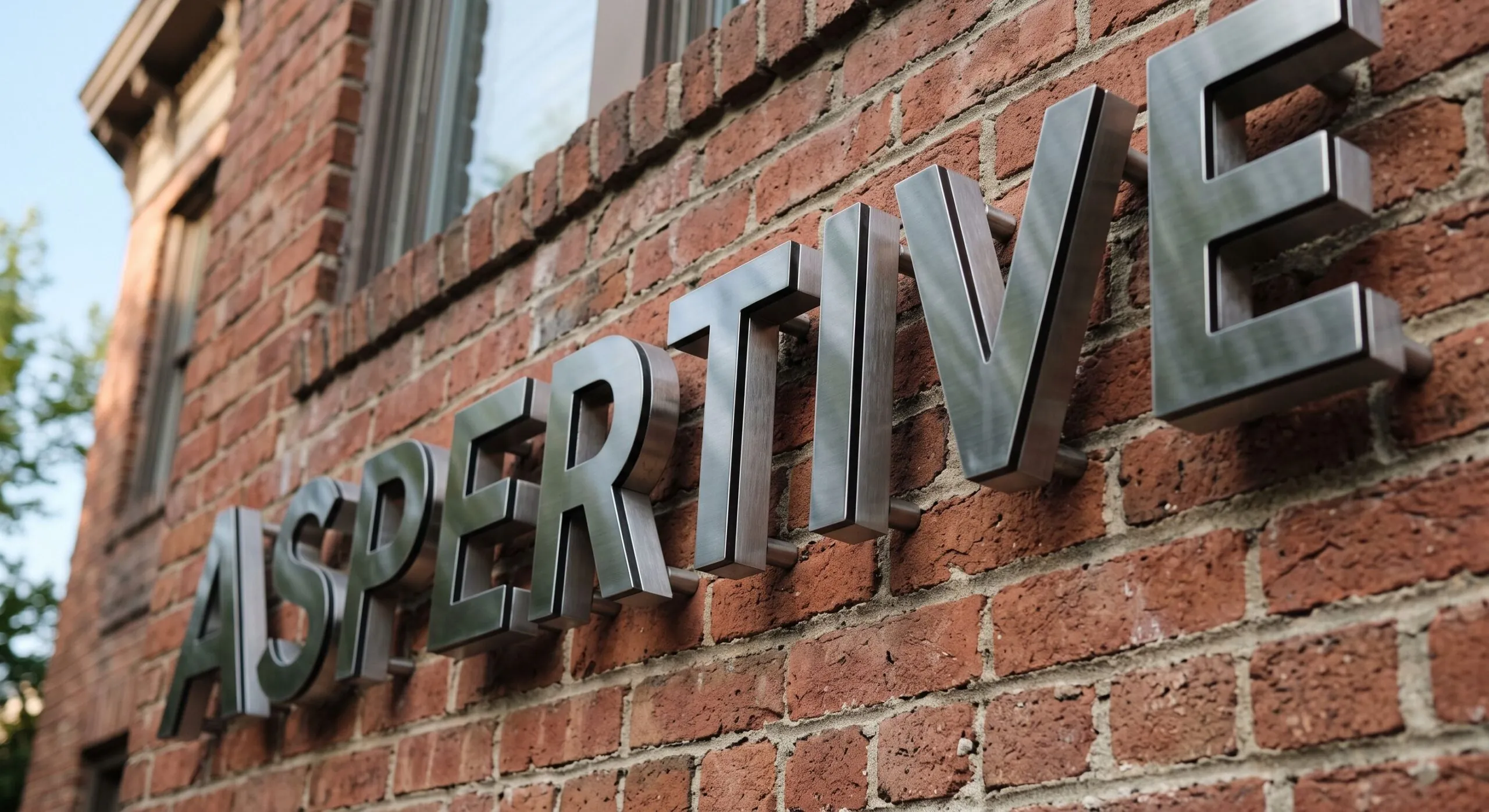
— Sign Rules
Flemington Gives Façade Signs a Defined Maximum
The zoning ordinance here is unusually detailed for a borough this size, and it sizes the sign from the frontage the business actually occupies.
- Façade width. In the CB, TC, DB, DB II, PO, VAS and HR/OSS districts, a façade sign may cover no more than 50% of the linear length of the building façade or tenant frontage it is attached to.
- Area cap. Generally 50 square feet — except in HR/OSS, where the maximum can reach 100 square feet.
- Height. Façade signs outside HR/OSS are generally limited to two feet high.
- A second façade sign. A business on a corner lot, or with access from a parking lot of five or more spaces, may be permitted one on that additional street or parking-lot side.
- Blade signs. Limited to six square feet, mounted clear of pedestrians and vehicle sight lines, with at least eight feet of clearance above a pedestrian path.
- Window and door signs. Street-level businesses may generally use two signs totaling six square feet, with no more than one on an individual window or door.
- Restaurant menus. Food establishments may display a menu and hours near the main entrance, with the menu sign limited to six square feet.
- Temporary paper signs. Separately limited to 10% of the total glass frontage.
- A-frame signs. Permitted for retail businesses in the VAS, DB and DB II zones — one per street-level business, at six square feet per side.
- Prohibited formats. Billboards, flashing signs, moving signs, neon and neon-like signs, signs confusable with traffic signals, and roof-mounted signs.
- Illumination. Lighting must be concentrated on the sign face, and within 20 feet of a street the direct light source may not be visible from the street or neighboring properties.
- Maintenance. Excessively weathered, faded, cracked or peeling signs must be repaired or removed, as must broken electrical signs.
Because the width limit keys off the tenant frontage rather than the building, a broad commercial frontage and a narrow downtown tenant space cannot use the same sign proportions — and a second façade sign should be solving a real approach problem rather than duplicating the front one. The application is filed by you or your landlord. We assist with permits; we do not file them on your behalf.
— No Street Frontage?
Rear, Upper-Floor and Basement Businesses Have Their Own Allowance
This is the provision most easily missed, and it exists precisely for the businesses least likely to go looking for it. Flemington’s ordinance specifically addresses businesses that do not have their own street frontage.
- A shared additional façade sign near the main entrance, limited to eight square feet.
- A shared sign on or near the entrance door, limited to two square feet.
That covers upstairs offices, rear commercial suites, professional practices, shared office properties and basement-level businesses — the tenants whose customers otherwise stand on the sidewalk with a correct address and no way to confirm they are at the right door.
Because both signs are shared, they work best designed as a building system rather than assembled tenant by tenant: eight square feet divided into consistent, individually replaceable listings, with the two-square-foot door sign matching it. Done once, a tenant change becomes a strip rather than a new sign, and the façade stays uncrowded.
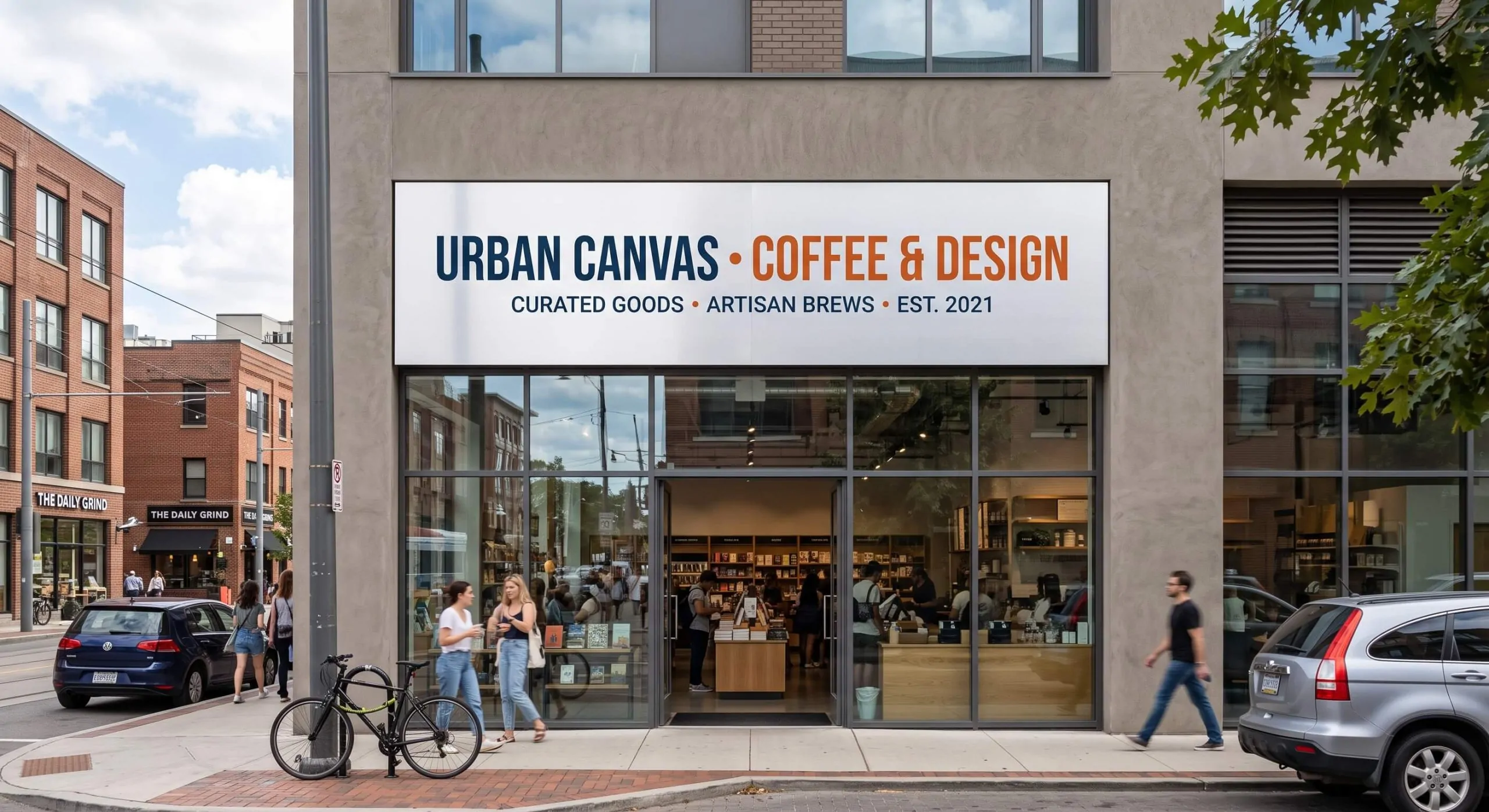
— Blade Signs & A-Frames
Two Six-Square-Foot Surfaces Aimed at People Walking
Flemington permits blade signs alongside façade and awning signs, and permits A-frames for retail businesses in the VAS, DB and DB II zones. Both are capped at six square feet, and both are read by someone already moving along the block — but they do opposite jobs.
- The blade sign is permanent identification. It stays visible as a customer approaches along the sidewalk, and at six square feet it works with a simplified business name, an icon or a logo rather than a list of services. Where it extends above a pedestrian path it needs eight feet of clearance underneath, and it has to stay clear of vehicle sight lines — both of which are mounting decisions, not afterthoughts.
- The A–frame is changing information. One temporary freestanding advertisement or menu sign per street-level business, six square feet per side, carrying daily specials, menu items, new products, events, sales or appointment availability. Its value is that none of that has to be added permanently to the building sign — which is what keeps the permanent sign clean while the message changes weekly. These suit restaurants, cafés, boutiques, salons, professional services, specialty retail and any business working with a narrow storefront.

— Awnings
Flemington Awnings Are Cloth or Canvas — Never Metal or Backlit
The Borough’s design standards are specific about awnings, and two of the requirements decide the product before the graphics are drawn:
- Materials. Cloth, canvas or similar. Metal, aluminum, plastic and internally illuminated awnings are prohibited under these standards.
- Scale and character. The awning should fit the building and must not cover architectural details.
- Shared façades. Where several businesses occupy the same façade, awning design should remain visually consistent across the property.
The consistency rule is worth taking seriously on a multi-tenant building, because it works in both directions: it constrains what one tenant can do, and it protects that tenant from the neighbor who would otherwise install something unrelated three feet away. Agreeing the profile, projection, valance depth and material once gives every tenant a known answer.
We manufacture custom fabric awnings with business names, logos, custom colors, valance lettering, replacement fabric and new frames where required, and inspect sound existing frames for recovering before quoting a rebuild.
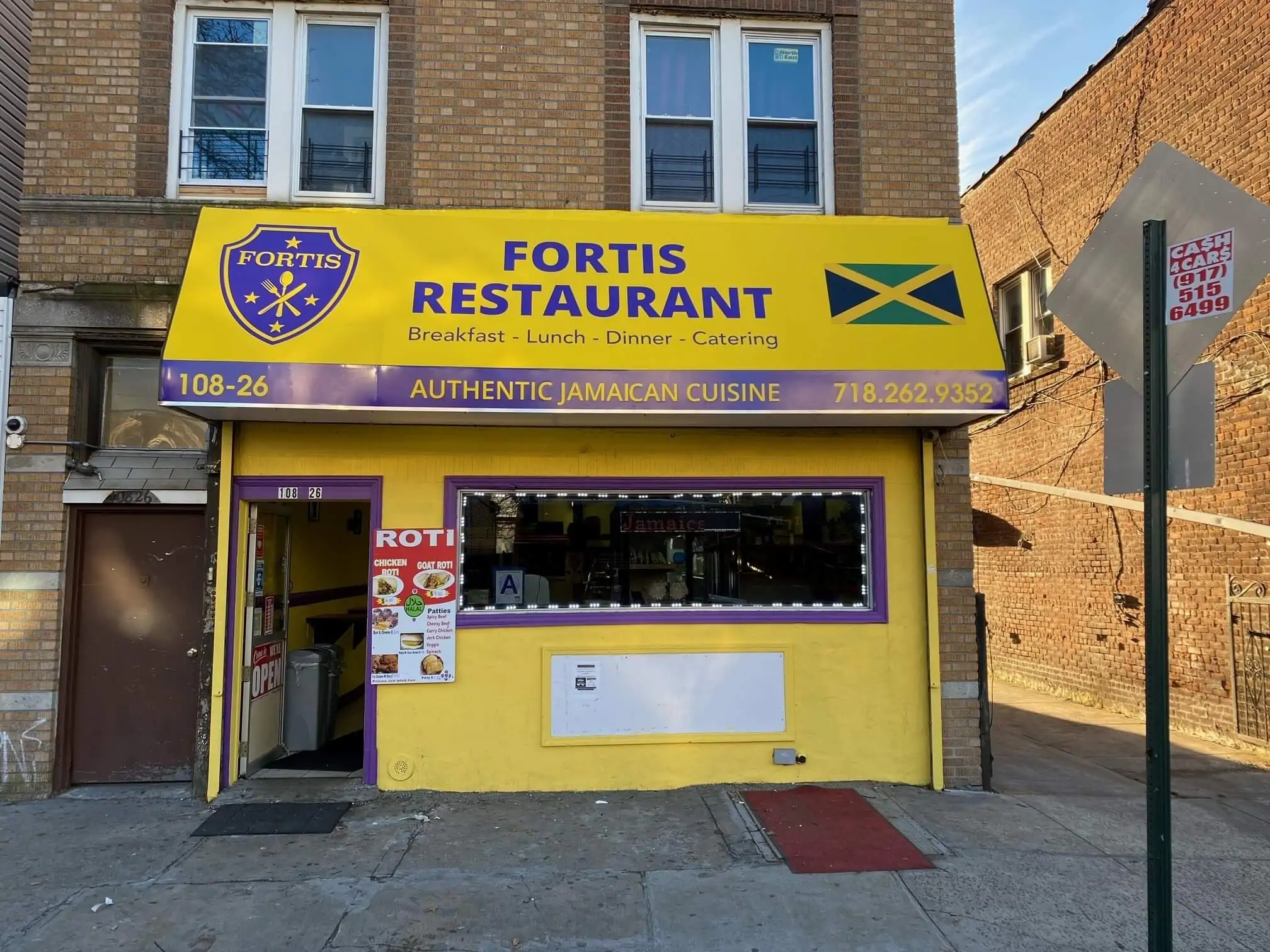
— Our Products
Signs We Make for Flemington Businesses
Our New Jersey shop produces fabricated, printed, exterior, interior, temporary and replacement signage for businesses throughout Flemington.
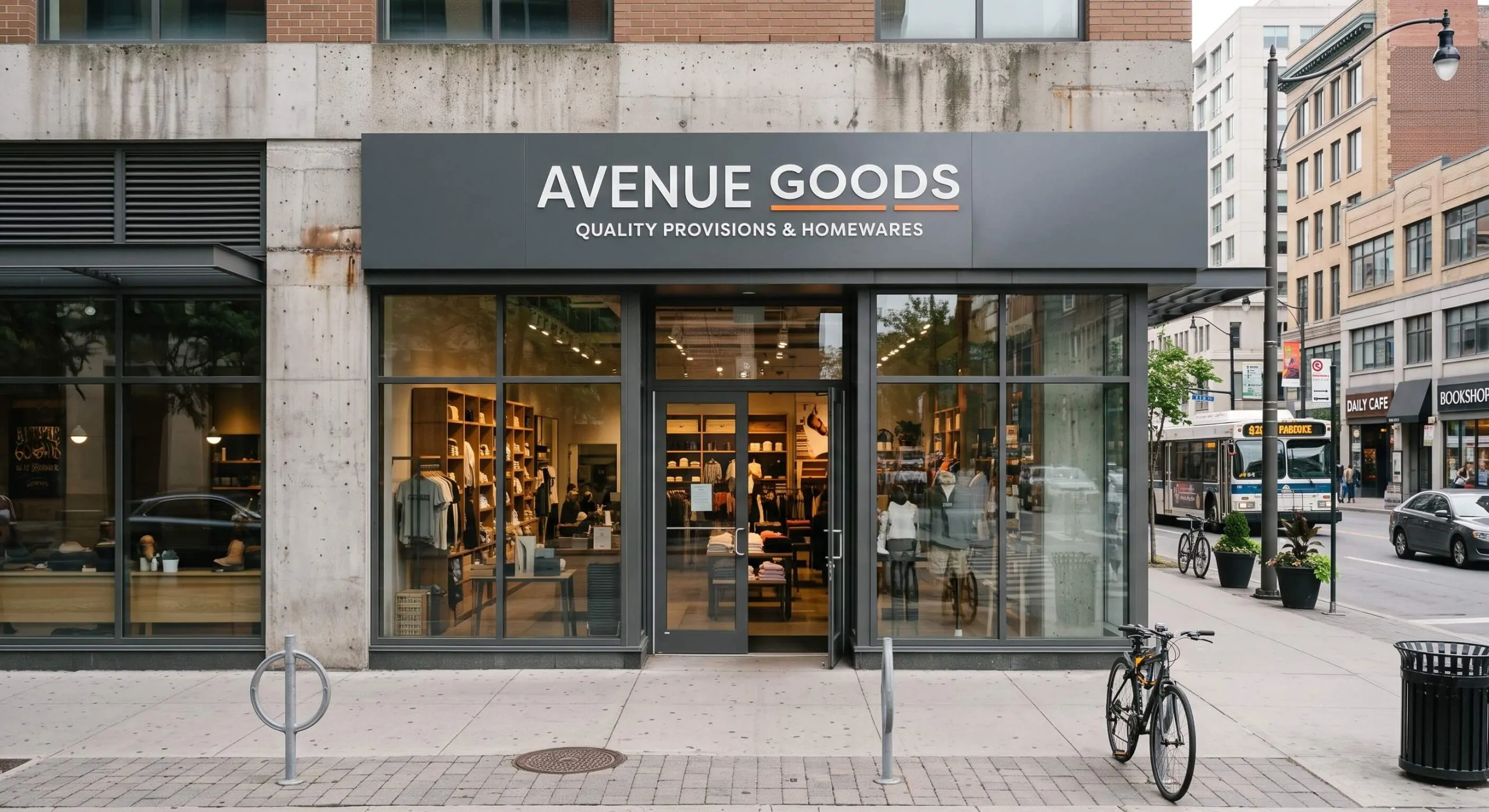
Storefront Signs
Custom exterior identification built around the tenant frontage, available sign band, architecture and viewing conditions.

Channel Letters
Fabricated illuminated and non-illuminated letters for retail stores, restaurants, offices, medical practices and commercial buildings.

Dimensional Letters and Logos
Metal, acrylic and PVC lettering for exterior walls, entrances, offices, lobbies and reception areas.
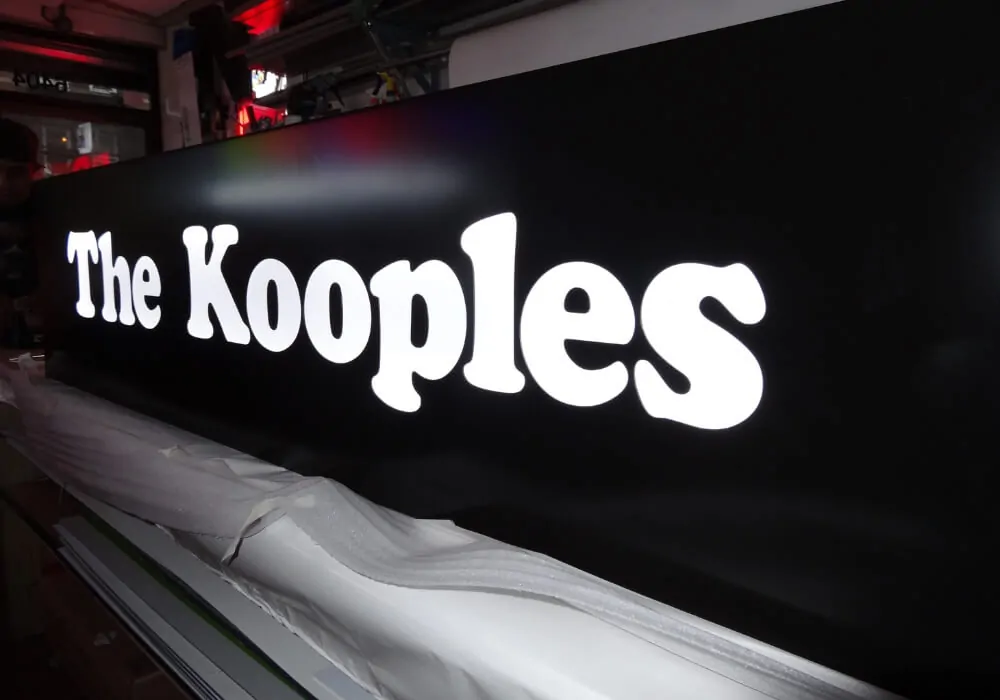
Sign Cabinets and Replacement Faces
Replacement faces, graphics, tenant changes and lighting service for suitable existing cabinet signs.
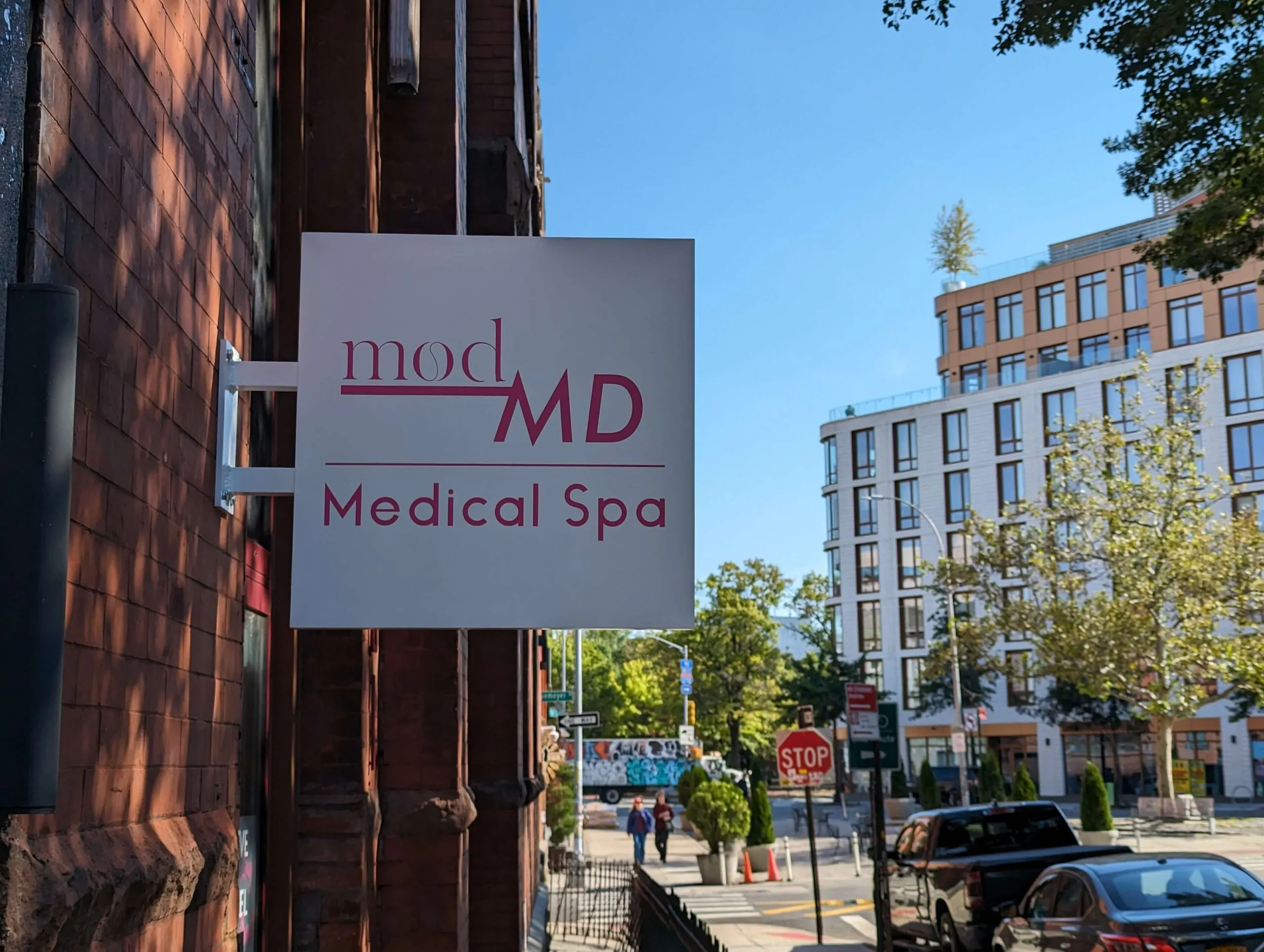
Blade Signs
Perpendicular identification for eligible commercial storefronts, built to the six-square-foot and clearance limits.
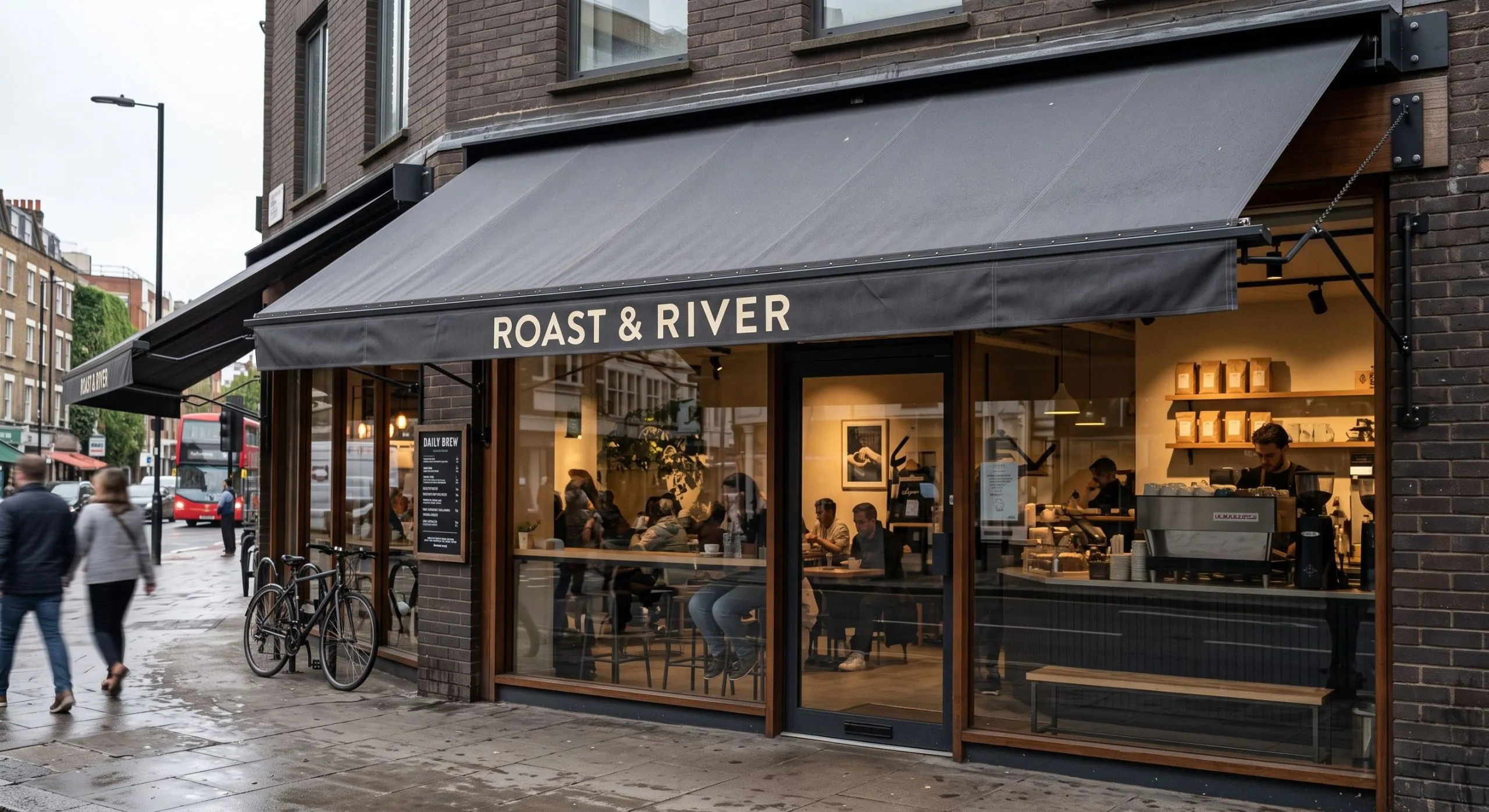
Custom Awnings
Canvas and cloth awnings with business names, logos, custom colors and valance graphics, built to the local material standards.

Window Graphics and Lettering
Business names, logos, operating hours, printed graphics, privacy film, decorative film and temporary promotions.

Lobby and Reception Signs
Dimensional logos, acrylic panels, metal lettering, plaques and branded wall identification.
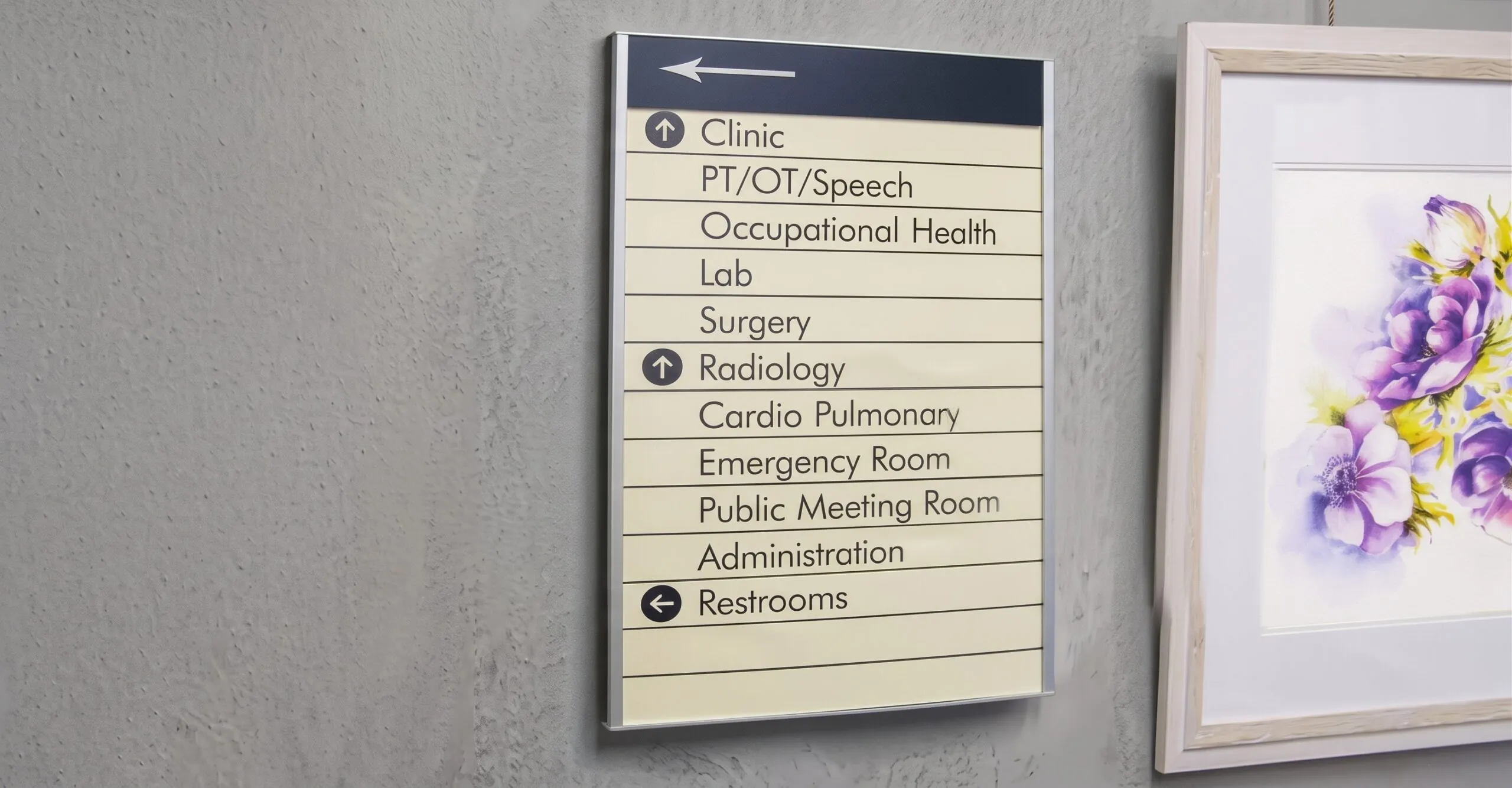
Directories and Wayfinding
Building, floor, office and tenant directories, plus entrances, exits, visitor and employee parking, deliveries and pickup areas.
— How It Works
From Site Survey Through Installation
Gogi Signs has served New Jersey businesses since 2005, and handles projects from the first site measurements through fabrication, installation, repair and future changes.
01
Site Survey
Gogi Signs has served New Jersey businesses since 2005, and handles projects from the first site measurements through fabrication, installation, repair and future changes.
02
Design and Planning
Artwork is fitted to the actual property, available sign area, materials, construction, viewing conditions and the local requirements.
03
Fabrication and Printing
Approved work moves through fabrication, cutting, large-format printing, vinyl production, finishing and electrical assembly where applicable.
04
Installation
Our insured installation crew coordinates access, removes old signs where that is included, and installs the completed signs and graphics.
05
Ongoing Service
When a tenant changes, an awning needs recovering, lighting needs repair or graphics need replacement, we can return to the property.
— Historic District
Older Façades Need More Care Before Fabrication
Flemington has older commercial buildings where the façade character is the point, and the Borough’s design standards say that awnings and other exterior elements should not conceal architectural features. Inside the Historic District there is a further step: permanent art attached to buildings is subject to Historic Preservation Commission review.
That is a scheduling fact as much as a design one. Review happens before fabrication, not after a sign is built and waiting in the shop, so it belongs in the project timeline from the start.
Products that tend to work on older storefronts here: dimensional metal letters, routed sign panels, blade signs, fabric awnings, painted identification, window lettering and exterior plaques. The objective is not to make every new business look old — a contemporary business on an 1870s building does not need to pretend otherwise. The sign simply has to fit the building instead of covering it.
— Routes 31 & 202
Corridor Properties Need Roadside Readability
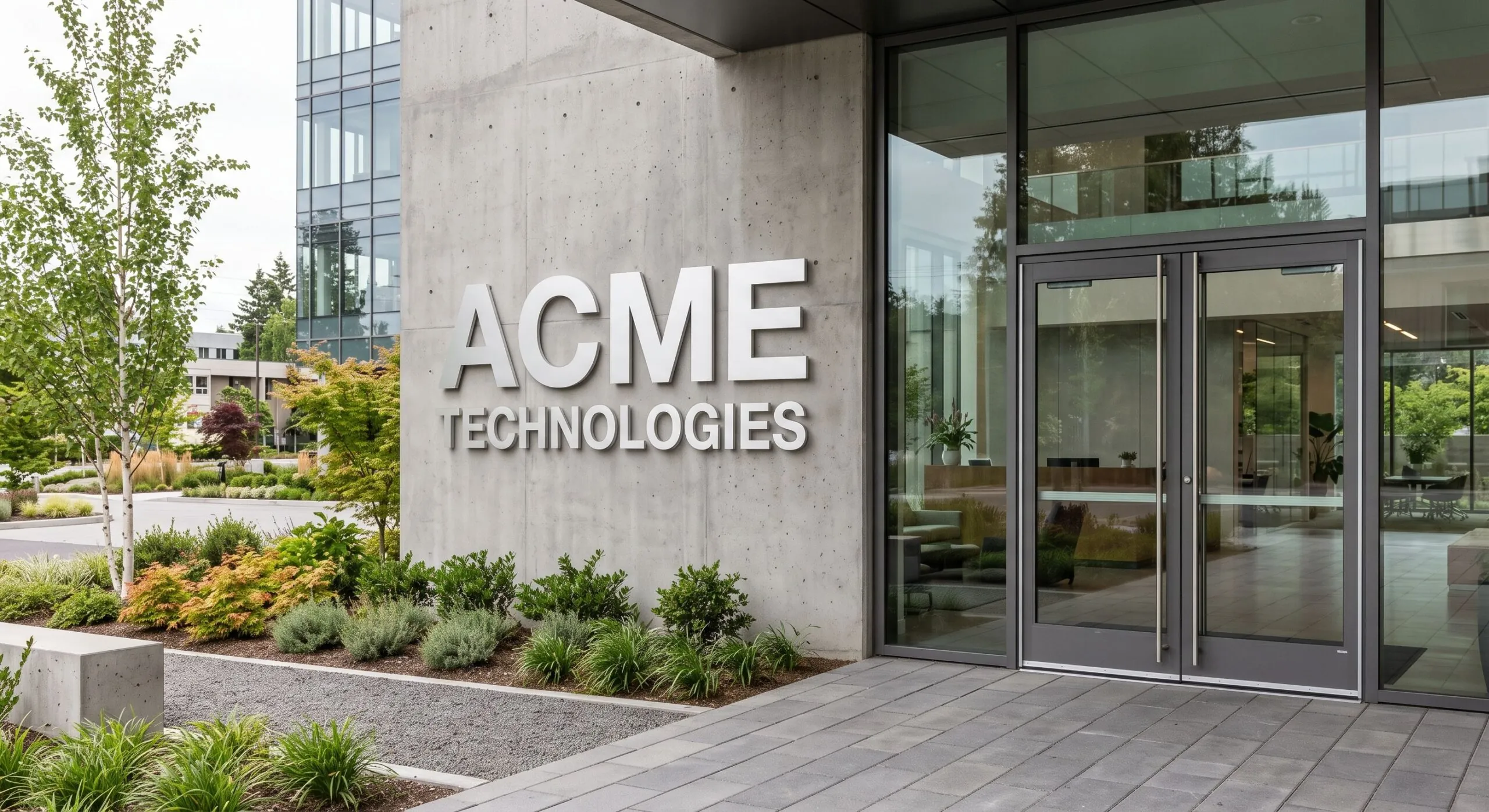
The larger commercial properties need a different strategy from downtown, because the customer meets them from a moving vehicle or across a parking area rather than from six feet away. Six things shift:
- Letter size. The farther the viewing point, the more restrained the layout has to be.
- Logo proportions. A complicated logo often needs simplifying to read from the road.
- Contrast. Lettering needs strong separation from the building background.
- Building width. The sign should be proportional to the tenant frontage — which is also how the ordinance measures it.
- Secondary information. Hours, service details and promotions move to windows or entrance graphics.
- Parking and directional signs. Larger properties need customer, employee, delivery and entrance identification beyond the façade.
The primary sign should make the business recognizable before the customer reaches the parking lot. After that, the directional signs take over — and on a property with a rear entrance, so does the eight-square-foot allowance described above.
— Professional Offices
Shared Entrances and Upper Floors
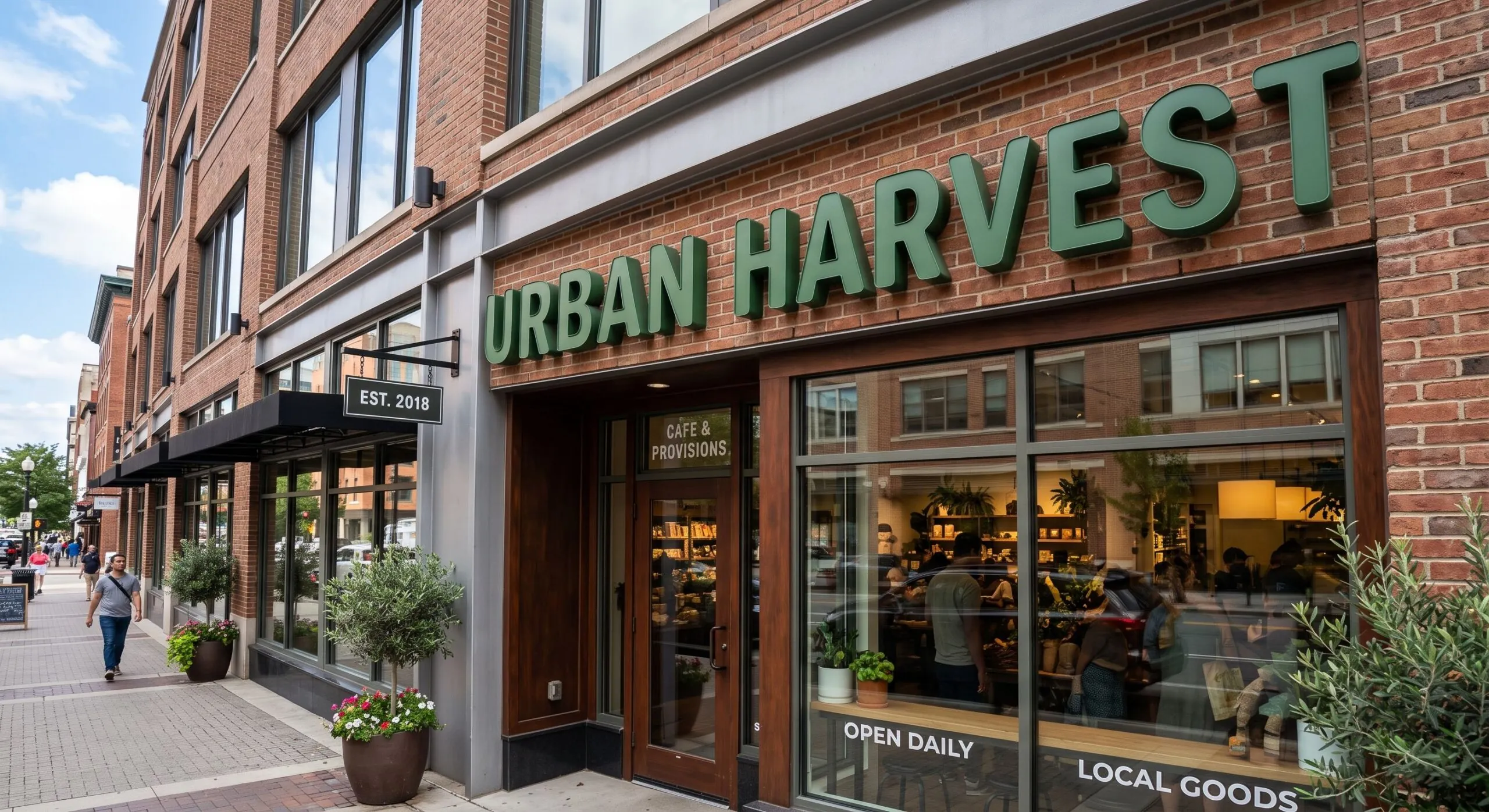
Flemington holds medical, legal, financial, real estate and professional-service businesses across its commercial districts, and many of them share entrances or occupy upper floors — which is exactly the situation the ordinance’s shared-sign allowances are written for.
A coordinated package covers exterior building signs and tenant identification, shared entrance signs carrying tenant listings and basic building information, lobby directories with tenant names, floors and suite numbers, reception signs, suite signs with room numbers and departments, ADA tactile and Braille identification, privacy film for offices, treatment rooms, conference rooms and glass partitions, and directional signs connecting entrances, offices, stairs and shared areas.
On buildings with several tenants, replaceable components are what keep the next change small. A directory built as one fabricated panel has to be remade when a tenant leaves; a directory built as a frame with individual listings does not.
— Who We Work With
Businesses We Serve Throughout Flemington
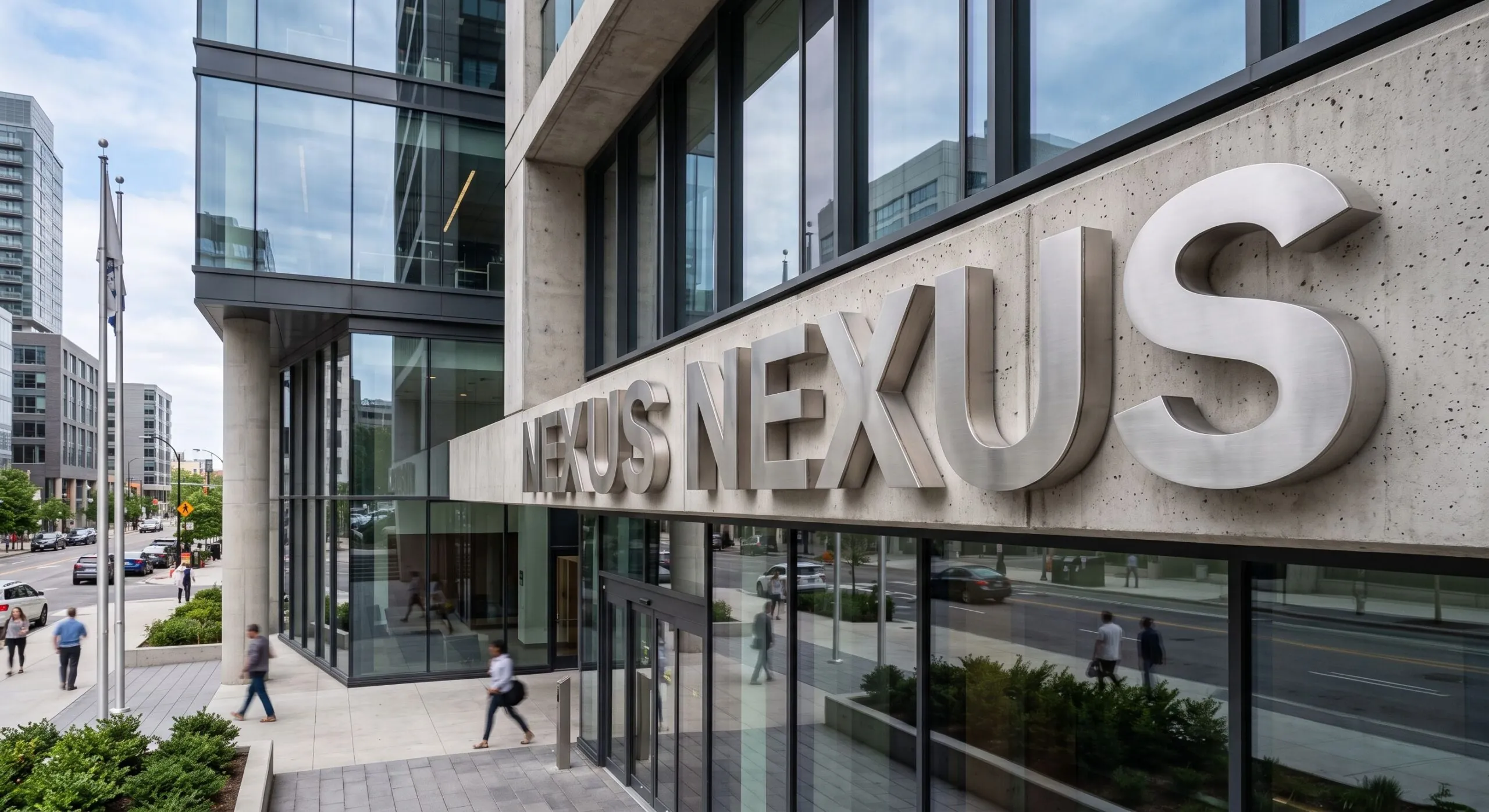
Main Street retail and dining, the offices above and behind them, the medical practices across the commercial districts, and the corridor properties on Routes 31 and 202.
Retail Stores
Storefront signs, dimensional letters, channel letters, window graphics, A-frames and tenant changes.
Restaurants and Cafés
Exterior signs, blade signs, canvas awnings, menu graphics, window lettering and interior identification.
Professional Offices
Building signs, shared entrance signs, suite identification, reception logos, privacy graphics and ADA signs.
Medical and Healthcare
Exterior identification, reception signs, office signs, privacy film, ADA signage and interior wayfinding.
Multi-Tenant Buildings
Shared entrance signs, office plaques, window graphics, ADA signs and individually replaceable tenant listings.
Property Managers
Tenant changes, office signs, replacement panels, directories, repair work and sign removal.
Contractors and Service
Vehicle lettering, office identification, building signs, decals, banners and commercial graphics.
Multi-Location Businesses
Recurring signage adapted to the individual property and municipality rather than repeated unchanged.
— Tenant Changeover
Moving Into an Existing Flemington Business Space?
On an older downtown façade the existing mounting matters more than the sign hanging from it — and a blade-sign bracket already approved and in place is worth keeping if the new sign fits the permitted dimensions.
What you may inherit
- Channel-letter mounting and existing electrical wiring
- Sign cabinets
- Awning frames and blade-sign brackets
- Window vinyl and door graphics
- Interior plaques and office signs
- Previous wall penetrations
A usable cabinet may need only a new face, an awning frame may suit recovering, a blade-sign bracket may be reusable where the new sign fits the approved dimensions, and existing mounting may work with the new sign. Other components come out because they are damaged, outdated, unsafe or incompatible with the incoming business.
What the changeover covers
- Previous sign removal and existing-condition survey
- Storefront measurements
- New exterior identification and channel-letter replacement
- Sign-face replacement and awning recovering
- Blade-sign replacement
- Window-vinyl removal and new window graphics
- Door lettering, office and suite signs
- Temporary opening graphics, then final installation
For property managers running offices, mixed-use buildings, retail properties and multi-tenant commercial space, we set the specification once — tenant identification, shared entrance signs, suite signs, office plaques, ADA signs, window graphics, parking and directional signs, replacement faces and leasing graphics — so the building stays consistent when businesses change.
— Repair & Refacing
Sign Maintenance Is Part of the Local Code
Flemington’s property-maintenance standards require excessively weathered, faded, cracked or peeling signs to be repaired or removed, and broken electrical signs the same. Cloth and similar awnings must stay free from severe weathering, tearing, holes and other visible deterioration — which is a real consideration when the ordinance also requires those awnings to be cloth or canvas in the first place.
That lines up with the service work we already provide:
- Channel-letter repair
- Electrical service
- Replacement sign faces
- Dimensional-letter repair
- Awning recovering
- Blade-sign repair
- Window-vinyl replacement
- Directory updates
- Tenant-panel replacement
- Sign removal
- Interior sign replacement
- New tenant conversion
Where the existing sign remains usable, repair is usually more practical than starting over — particularly in the Historic District, where a replacement may bring the project back through review. Where it does not, we fabricate to the limits that apply at the address.
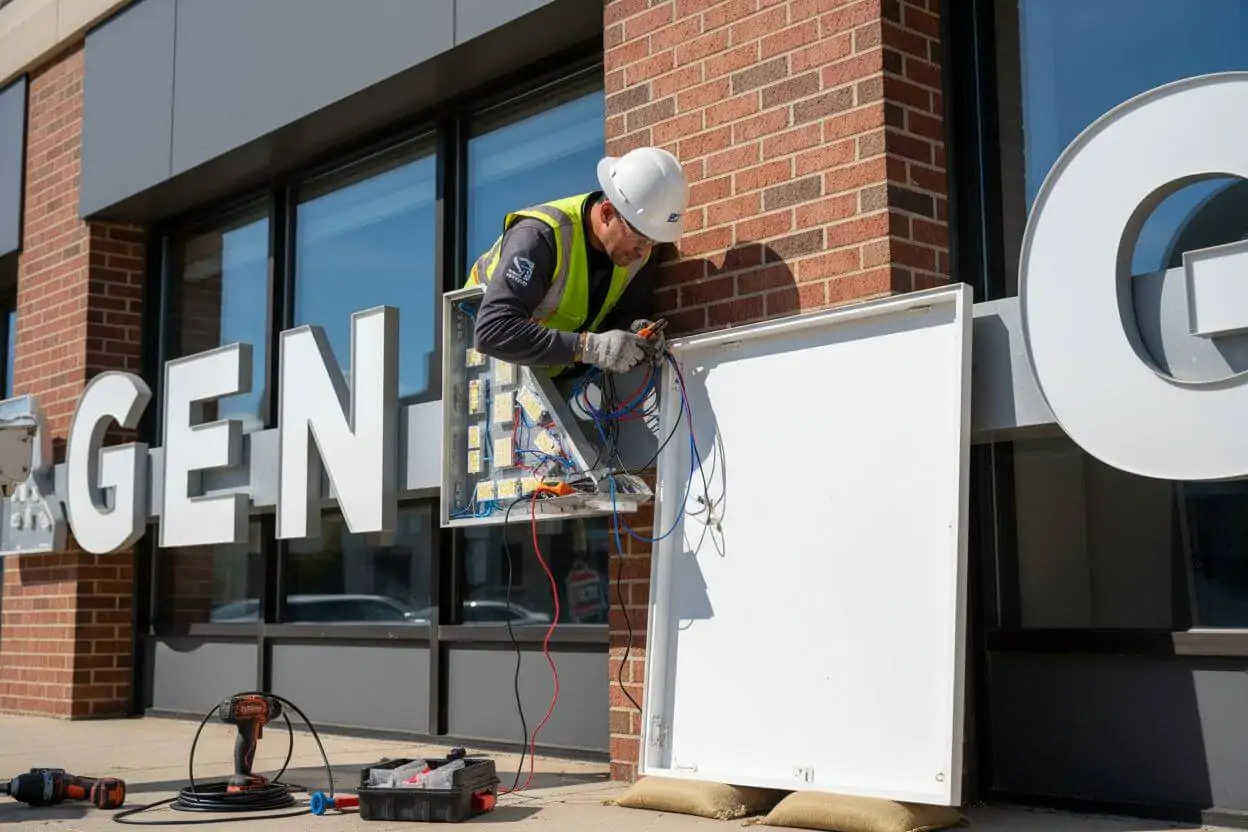
— Serving Flemington
Serving Flemington and Hunterdon County
Gogi Signs serves businesses throughout the county, including:
- Hoboken
- Main Street
- Route 31
- Route 202
- Church Street
- Broad Street
- Historic District
- Downtown Flemington
Flemington’s combination of historic commercial buildings, professional offices, restaurants, local retail and larger Route 31 and Route 202 properties makes it a more varied sign market than its size suggests.
Our service footprint continues through Raritan Township, Readington, Clinton, Lebanon, Branchburg, Ringoes and the surrounding areas. For businesses operating across several Hunterdon and Central Jersey locations, our New Jersey shop can provide one fabrication and installation source while each property is handled to its local requirements.
2005
Serving New Jersey since
50%
Of tenant frontage, and 50 sq ft
Insured
Commercial installation crew
In-house
Fabrication & large-format printing
— Get Started
Planning a Sign Project in Flemington?
Whether you are opening a downtown storefront, moving into a Route 202 commercial property, updating a professional office, replacing an awning, changing tenants, installing a blade sign, branding company vehicles or repairing existing signage, start with the exact property address and photographs.
Gogi Signs can handle site measurements, sign drawings, fabrication, large-format printing, installation, repair and future sign changes from our New Jersey shop.
OUR SHOP
7 W Baltimore Ave, Suite B, Linden, NJ 07036, United States
Prefer to talk it through?
Request a Quote
The property address and a photograph of the building start the job.
- Serving New Jersey since 2005
- In-house fabrication and printing
- Insured installation crew
- Repair and refacing on existing signs
— FAQs
Frequently Asked Questions About Signs in Flemington
For businesses in several Flemington commercial districts, façade signs are generally limited to 50% of the tenant or building façade width and no more than 50 square feet, with a two-foot height limit outside the HR/OSS district, where the maximum can reach 100 square feet.
Certain corner businesses, or businesses with customer access from a parking lot containing five or more spaces, may be permitted a second façade sign facing that additional street or parking area.
The ordinance provides for it. Businesses at the rear, on upper floors or in the basement may share an additional façade sign near the main entrance limited to eight square feet, plus a shared sign on or near the entrance door limited to two square feet.
Yes, in applicable business districts. Blade signs are limited to six square feet and must maintain at least eight feet of pedestrian clearance where they extend above a walkway, clear of vehicle sight lines.
Yes, subject to the sign-area and design requirements. The standards require fabric-type awnings that work with the building architecture, and prohibit metal, aluminum, plastic and internally illuminated awnings.
Street-level businesses may generally use two window or door signs totaling up to six square feet, with no more than one per window or door. Restaurants may also display a menu and hours sign near the entrance, up to six square feet. Temporary paper signs are separately limited to 10% of the glass frontage.
Retail businesses in the VAS, DB and DB II zones may use one qualifying A-frame or sandwich-board sign, up to six square feet per side.
No. The current ordinance prohibits neon and neon-like signs, along with billboards, flashing signs, moving signs, roof-mounted signs and signs that could be confused with traffic signals.
Send the exact property address, storefront photographs, your logo or artwork, photographs of existing signage, and any landlord or property criteria you already have.